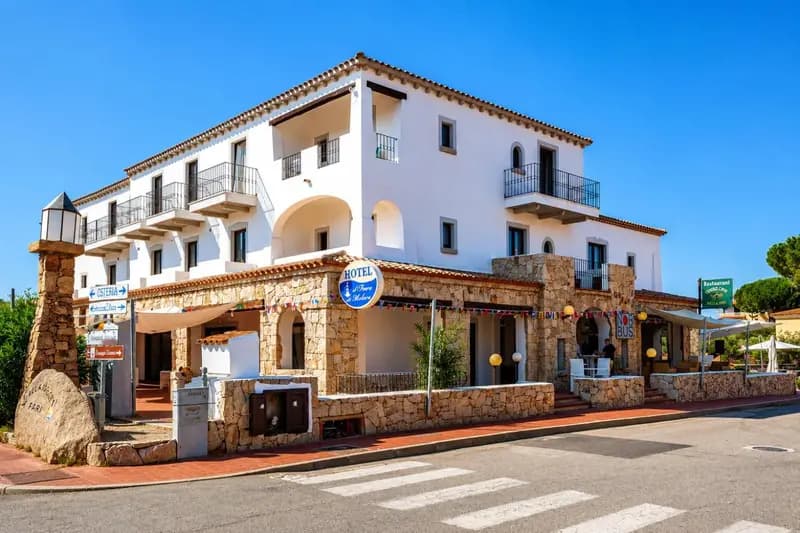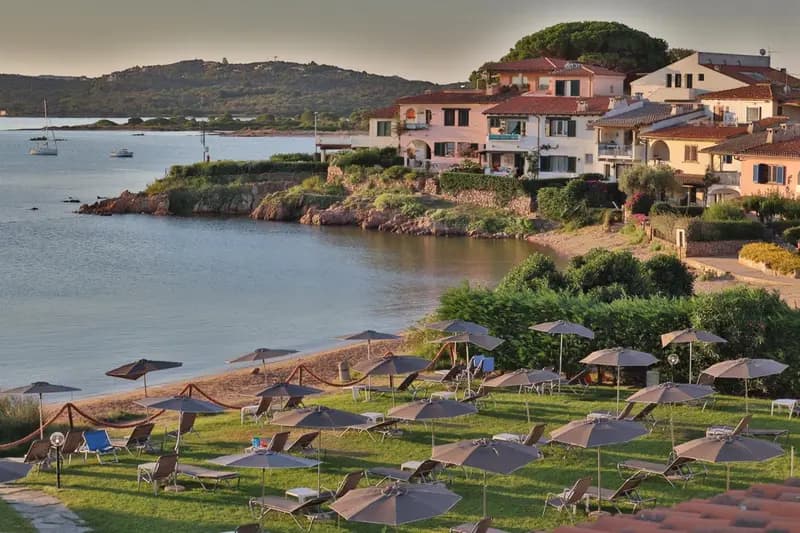
IHR Hotel San Paolo
★★★
★ 8.4/10 (425 reviews)
less than 1 km away as the crow flies
Dive centre · Porto San Paolo Ot · Italy
4.8184 Google reviewsExplore the marine protected area of Tavolara from a dedicated technical diving centre with rebreather and trimix support.
For subtitles in English: start the video firstthen click the gearat the top right of the video, select “Subtitles/CC”, then “Auto-translate” and choose “English”.
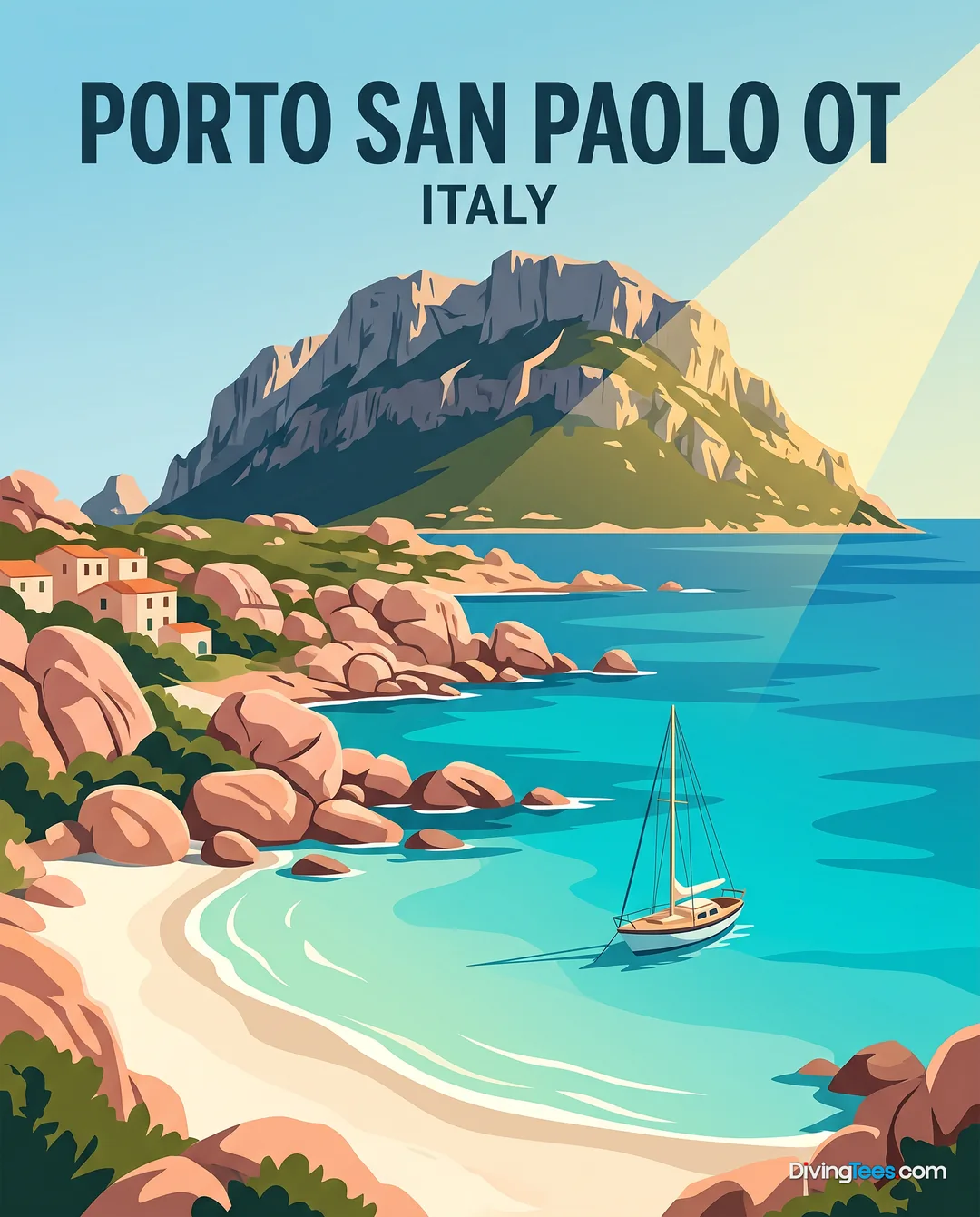
Tavolara Diving & Resort is situated on the north-eastern coast of Sardinia, positioned perfectly to access the Tavolara and Punta Coda Cavallo Marine Protected Area. This location offers immediate proximity to a diverse archipelago, placing you at the doorstep of some of the Mediterranean's most significant underwater landscapes.
Established in 1985, the centre has spent decades navigating these waters. The area is defined by a unique geomorphology, where massive limestone cliffs drop into the sea and ancient fossilised shorelines create complex habitats for marine life.
The centre operates with a professional team of enthusiastic instructors and guides who are deeply familiar with the local conditions. They are able to communicate in French, English, German, Spanish, and Italian, ensuring clear briefings for international divers.
For those looking to dive in groups, the centre is well-equipped to handle custom requirements, offering a high level of personalisation. The guide-to-diver ratio is maintained at a maximum of 12 divers per guide, ensuring attentive supervision across all levels of experience.
The centre offers a comprehensive range of training, from initial discovery dives to advanced technical certifications. You can begin your journey with the Baptême de la Mer or work through standard recreational courses such as Open Water Diver.
For those looking to progress their skills, the centre provides technical training and recreational courses including Advanced Open Water Diver. The curriculum is designed to cater to various levels of experience, ensuring a structured path from beginner to technical diver.
The fleet consists of three well-maintained vessels designed for comfort and efficiency. This includes two rigid fibre boats, Manta and Dali, each with a capacity for 12 divers, and a semi-rigid boat named Donkey, which carries 10 divers.
All boats are configured to support both recreational and technical diving, with Nitrox and Trimix available on board. To ensure a relaxed experience, there is no equipment portage required, as gear is prepared and loaded onto the boats for you. Between dives, you can relax on deck with hot tea and biscuits provided by the crew.
The shore-based facilities support a wide range of diving needs, particularly for technical divers. The centre provides Nitrox and Trimix, with availability of 12L and 15L steel cylinders, as well as aluminium S40 and S80 decompression cylinders.
For rebreather divers, the centre stocks 3-litre cylinders and provides essential consumables including Sofnolime. Technical equipment such as gas analysers and boosters are also available on-site to support your dive planning.
The Relitto Oued Yquem is a significant wreck site resting at 39 metres on a white sandy bottom. This 1920s vessel offers an incredible look at naval archaeology, with its two-piston steam engine and fragmented hull providing a complex habitat for marine life.
Occhio di Dio is a striking site where the Tavolara wall creates deep crevices and cavities. Diving here takes you through underwater corridors between 18 and 40 metres, where you can observe sponges, nudibranchs, and various invertebrates colonising the rock faces.
Secca dell’elefante is a granite formation shaped like an elephant's head, with depths ranging from 14 to 35 metres. The site features large granite blocks amidst Posidonia meadows, offering excellent opportunities to find crabs, shrimps, and various species of grouper and snapper.
And some of the dive sites the centre runs.
The marine life in the protected area is diverse, with the rocky walls and granite pinnacles providing a rich environment for large predatory fish. You will frequently encounter amberjack, dentex, barracuda, and large groupers patrolling the deeper sections of the reefs.
In the seagrass meadows and sandy patches, the ecosystem is equally vibrant. Look for red mullet, sea bream, and various species of snapper moving through the Posidonia, alongside smaller residents like damselfish and anthias that congregate around the corals.
For macro enthusiasts, the crevices and rubble zones are filled with life. The site is home to numerous nudibranchs, octopus, and various crustaceans including spiny lobster, slipper lobsters, and several types of crabs and shrimps. You can also find various species of moray eel and conger eel tucked into the rocky overhangs.
The diving is conducted within a protected marine area, offering a variety of environments from shallow reefs to deep walls. Most recreational sites are reached within a maximum of 20 minutes by boat, making for efficient dive schedules.
The geomorphology of the area includes significant vertical walls and underwater cliffs, which can influence local conditions. Divers should be prepared for various depths, with sites ranging from 6 metres to 90 metres depending on your certification level.
Hello, I'm Marina, DivingDeal.com's AI assistant. I answer in detail about hotels, dive centres and liveaboards.

Thinking about the whole trip and the flights? Talk it over with Edith →
Marina is an AI. Some links are affiliate links: DivingDeal may earn a commission, at no extra cost to you. Bookings are made with the partner.