Diving in the Mediterranean: wrecks, walls and patient planning
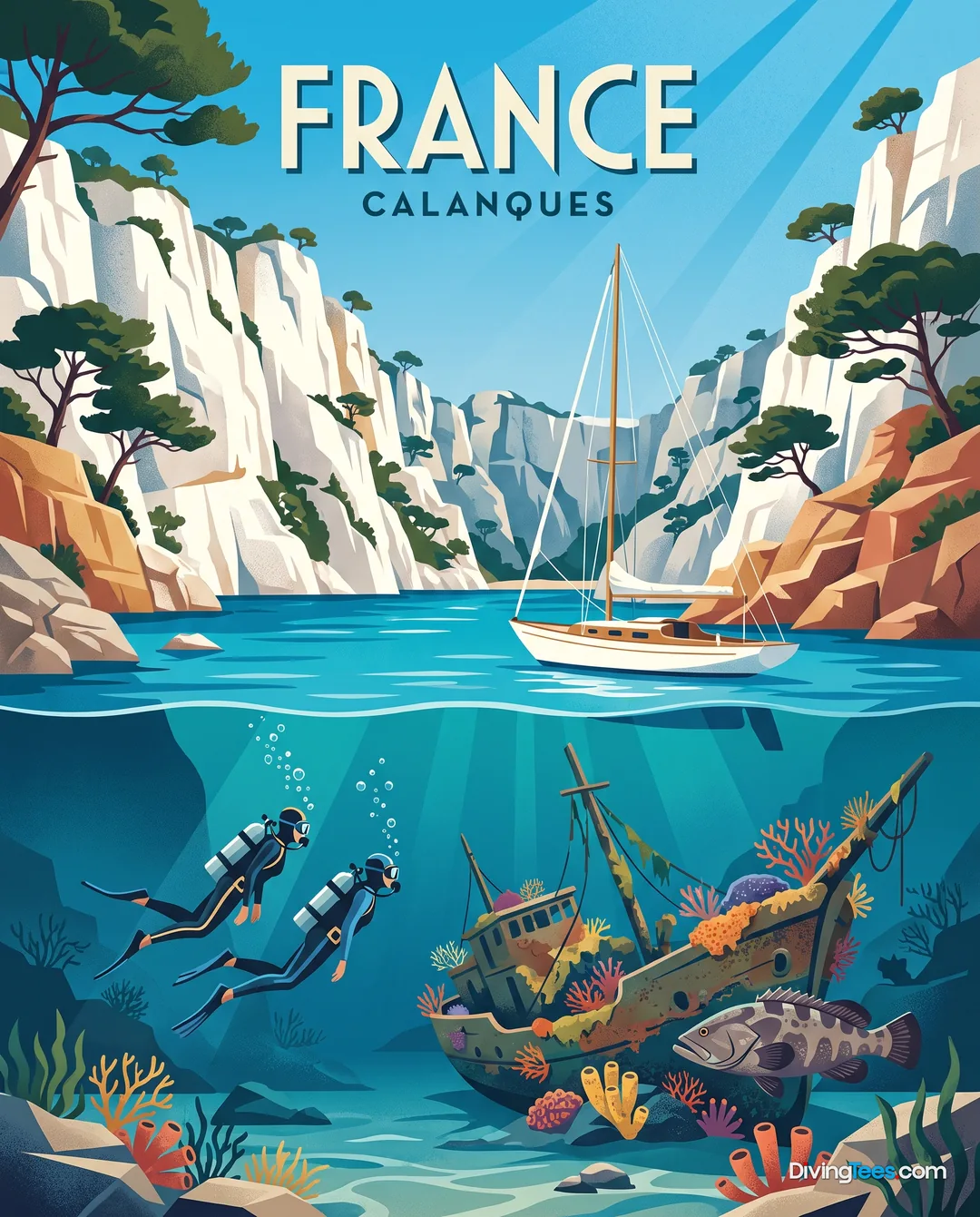
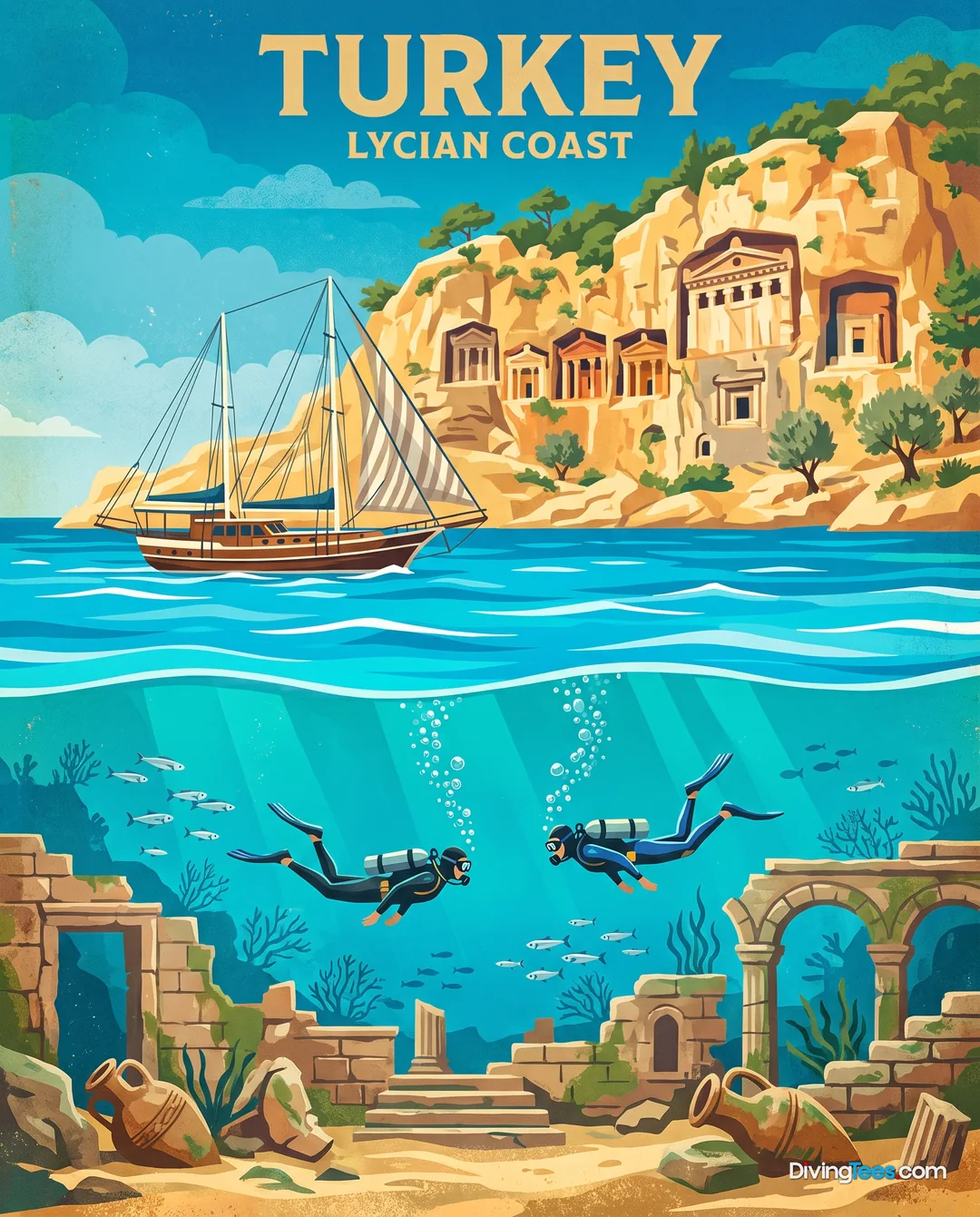
Le Rubis gives France a named point in its boat-and-shore mix; Türkiye’s boat-diving emphasis makes the region’s geography a choice between two distinct trip structures.
What makes this area unique
- Moray eel and Great barracuda recur across the region
- France and Greece combine boat and shore diving
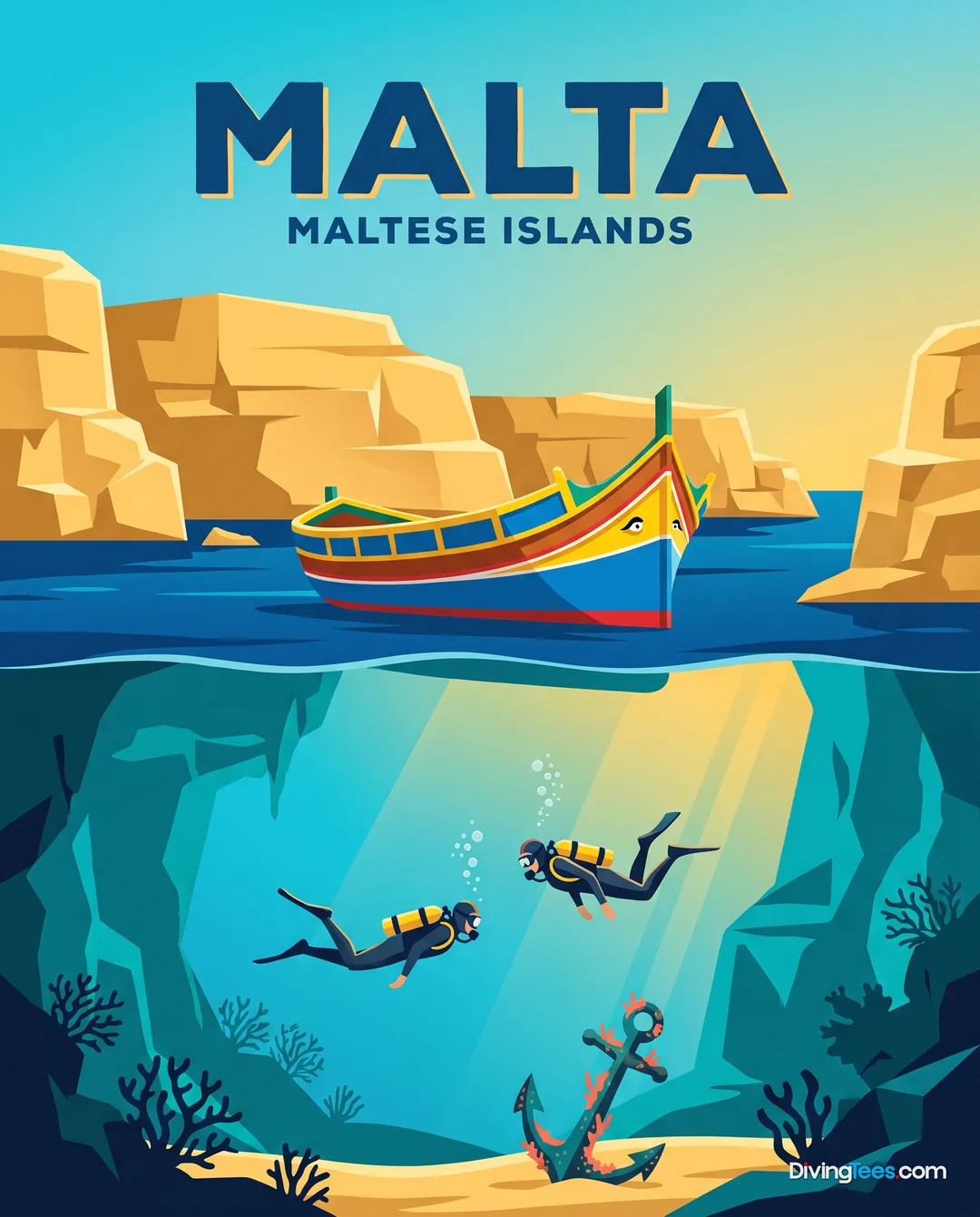
- HMS Maori gives Malta a named wreck choice
- No liveaboards means country choice shapes the itinerary
- Malta is heavily visited; France is moderately visited
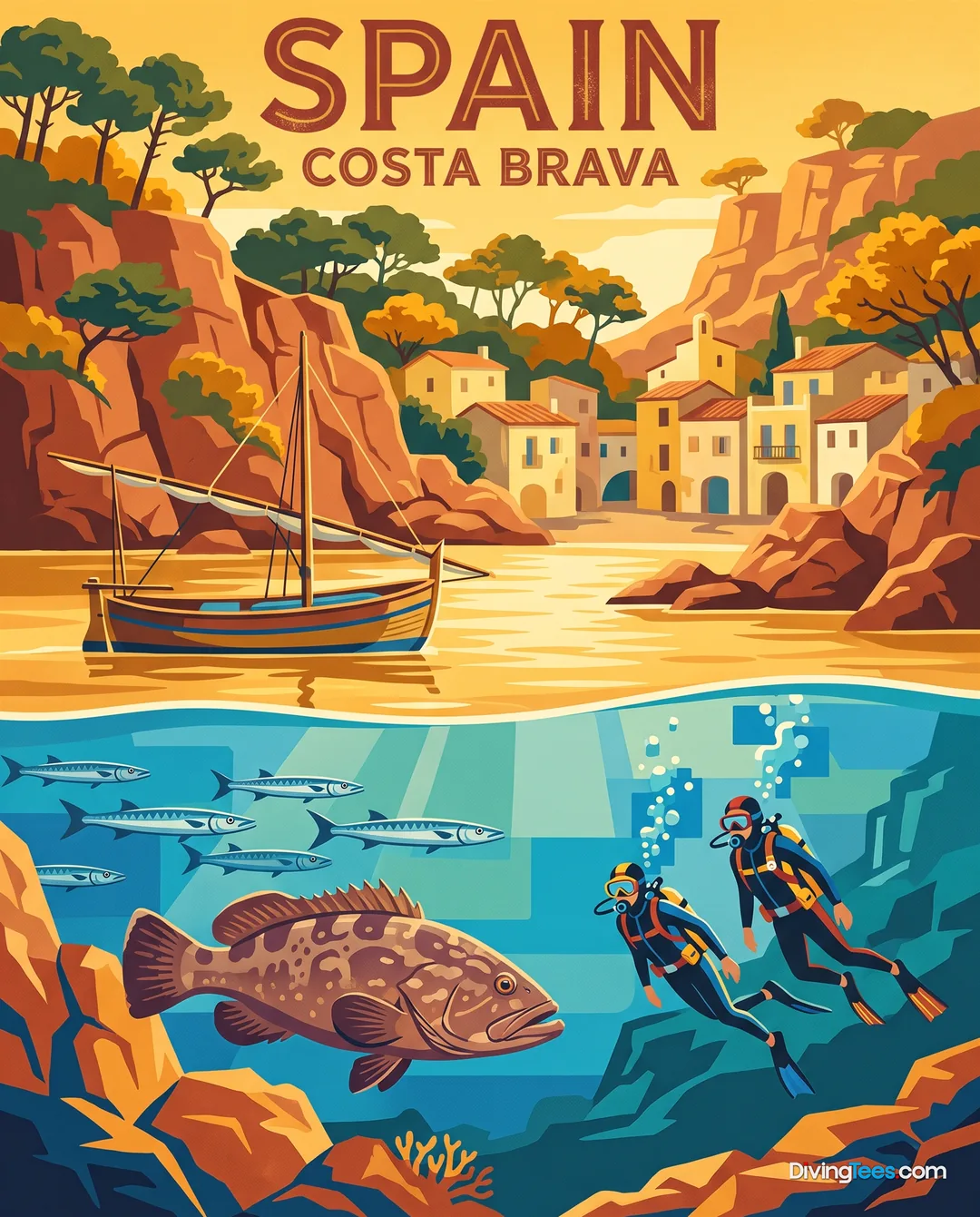
- Variable current marks Spain, France and Malta
This region for a diver
The Mediterranean works best as a set of deliberate country choices, not as a single liveaboard circuit: liveaboards are absent, and prices remain moderate. Its appeal is the ability to switch between boat diving, shore diving and wreck-focused days without turning to a liveaboard itinerary. France, Spain and Greece bring a boat-and-shore mix; Italy and Türkiye lean towards boat diving, so the shape of a trip changes materially at the selection stage. Current, park rules, transfers and crossings then matter alongside buoyancy and reef contact. Nitrox and repetitive profiles reward sensible planning, while a weather margin and spare day are practical rather than luxurious. That combination gives Mediterranean diving a distinctly self-contained, shore-and-boat character.
What you come to see
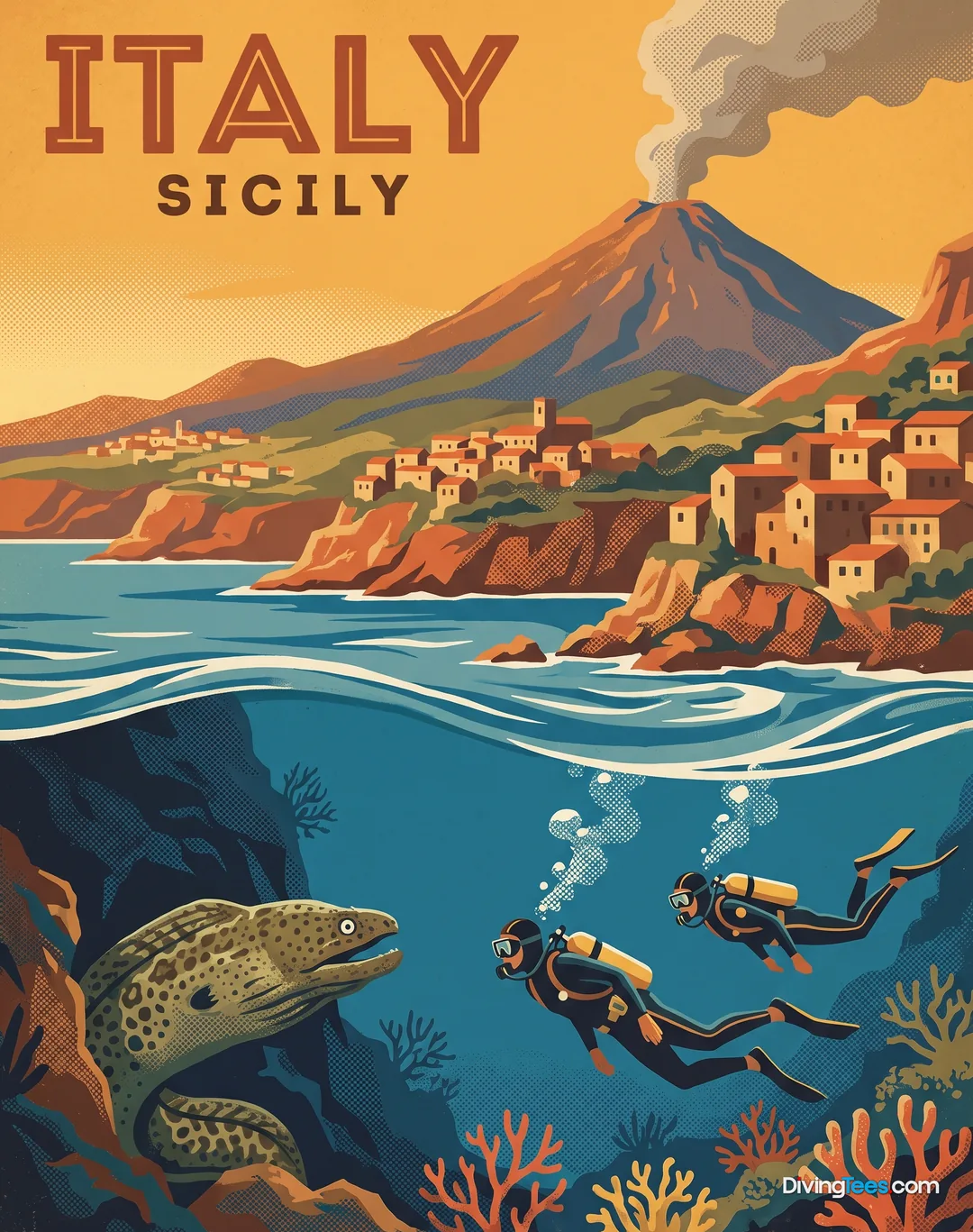
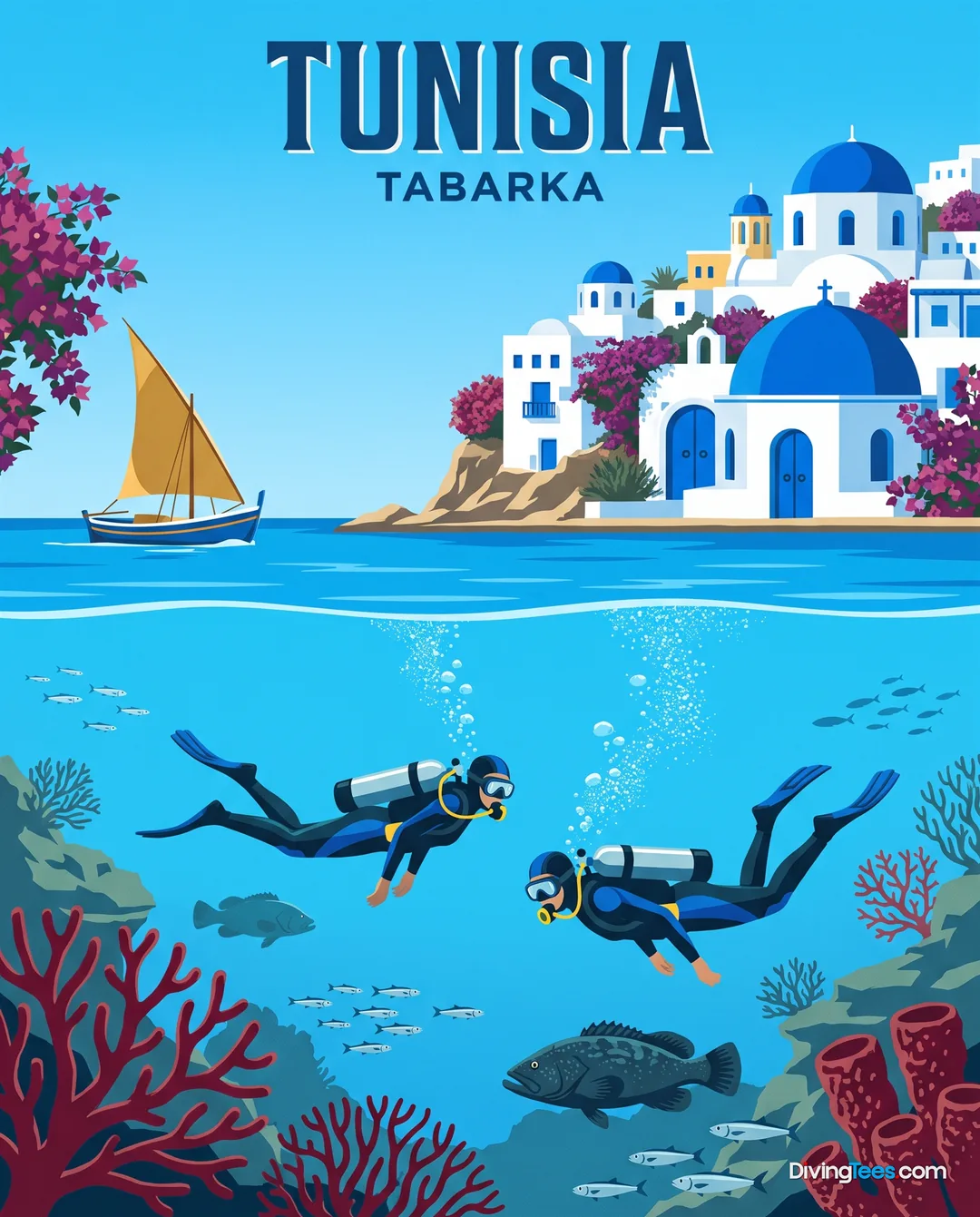
The recurring Mediterranean cast is easy to recognise: Moray eel, Grouper, Octopus, Great barracuda, Amberjack and Nudibranch can all become part of the same holiday’s visual grammar. They belong in the comparison because a diver moving between countries is not starting again from zero. The more useful question is where a familiar animal sits in the dive. Reef contact and careful buoyancy bring the small, easily missed encounters; boat-diving days shift the emphasis towards open-water approaches, while wreck and wall choices change the scale of the scene. The country-specific markers sharpen the decision. France is the place to look for Conger; Malta for Fire worm; Tunisia for its signature Grouper; and Italy for Spiny lobster. These are not reasons to ignore the shared cast. They are reasons to choose the country whose signature creature matches your priorities. A diver who wants variety within a mixed itinerary can keep the common species in view, then use one national marker to give the trip its point. The Mediterranean’s wildlife choice is therefore about emphasis, not an entirely different fauna at every border.
Which one to choose
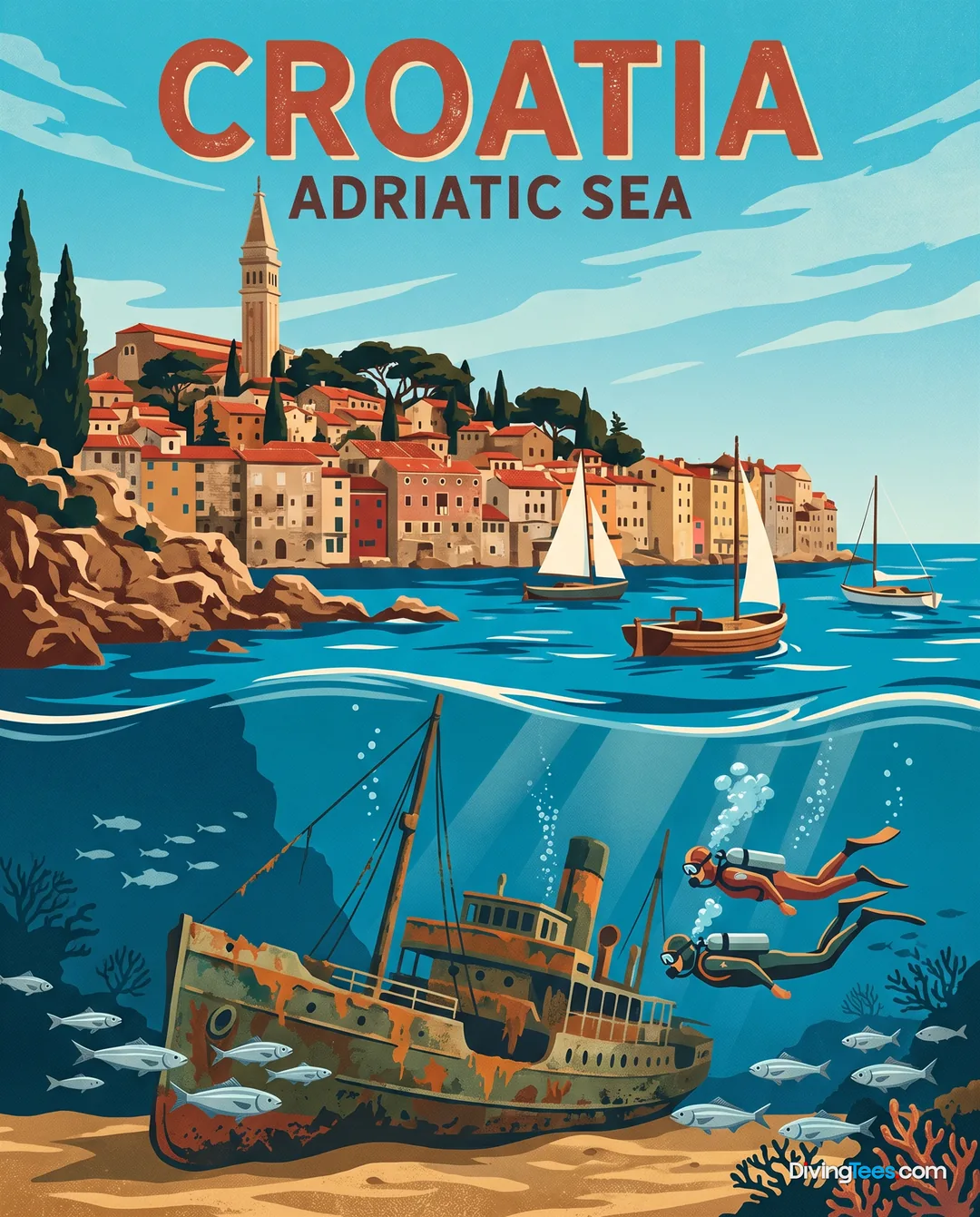
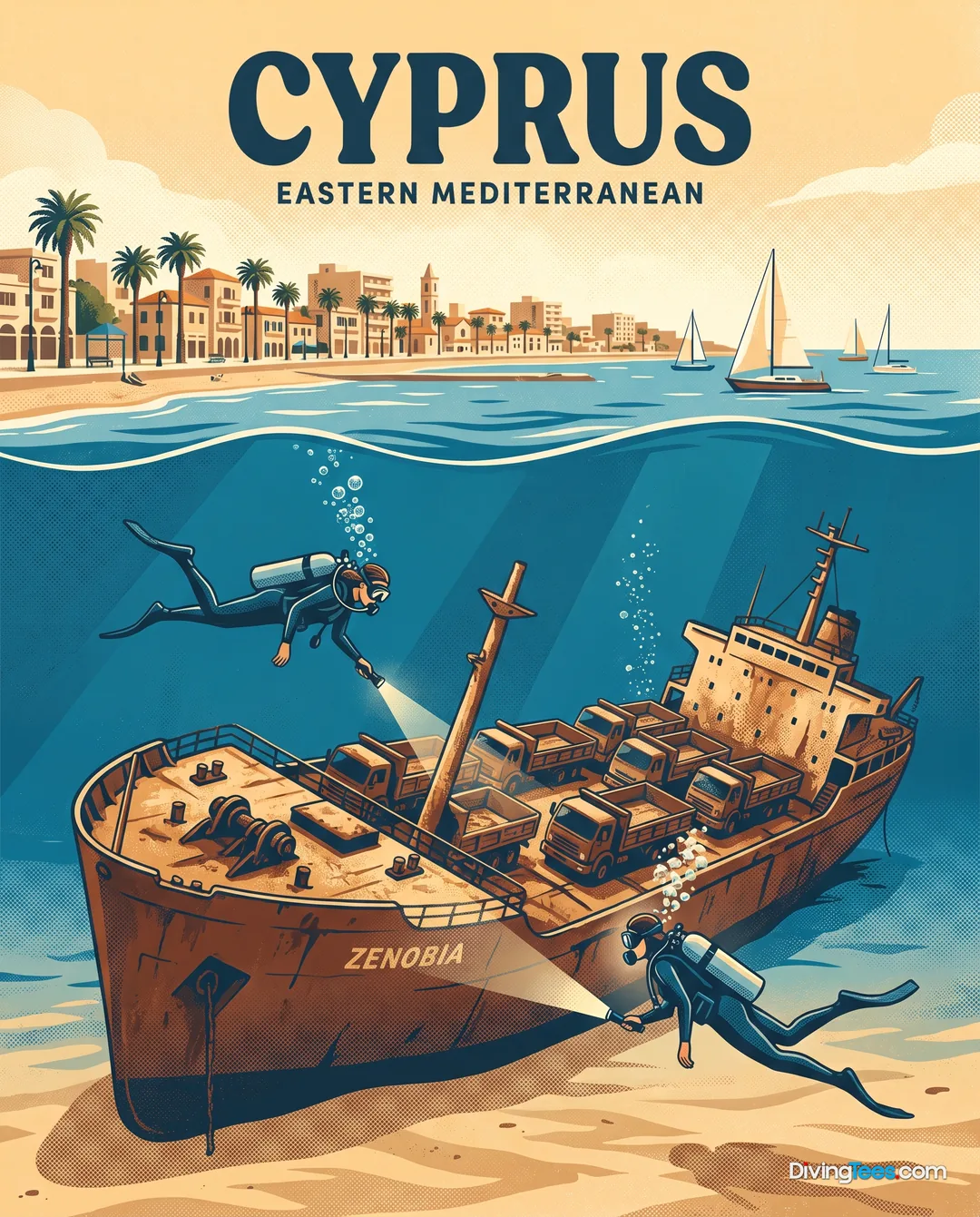
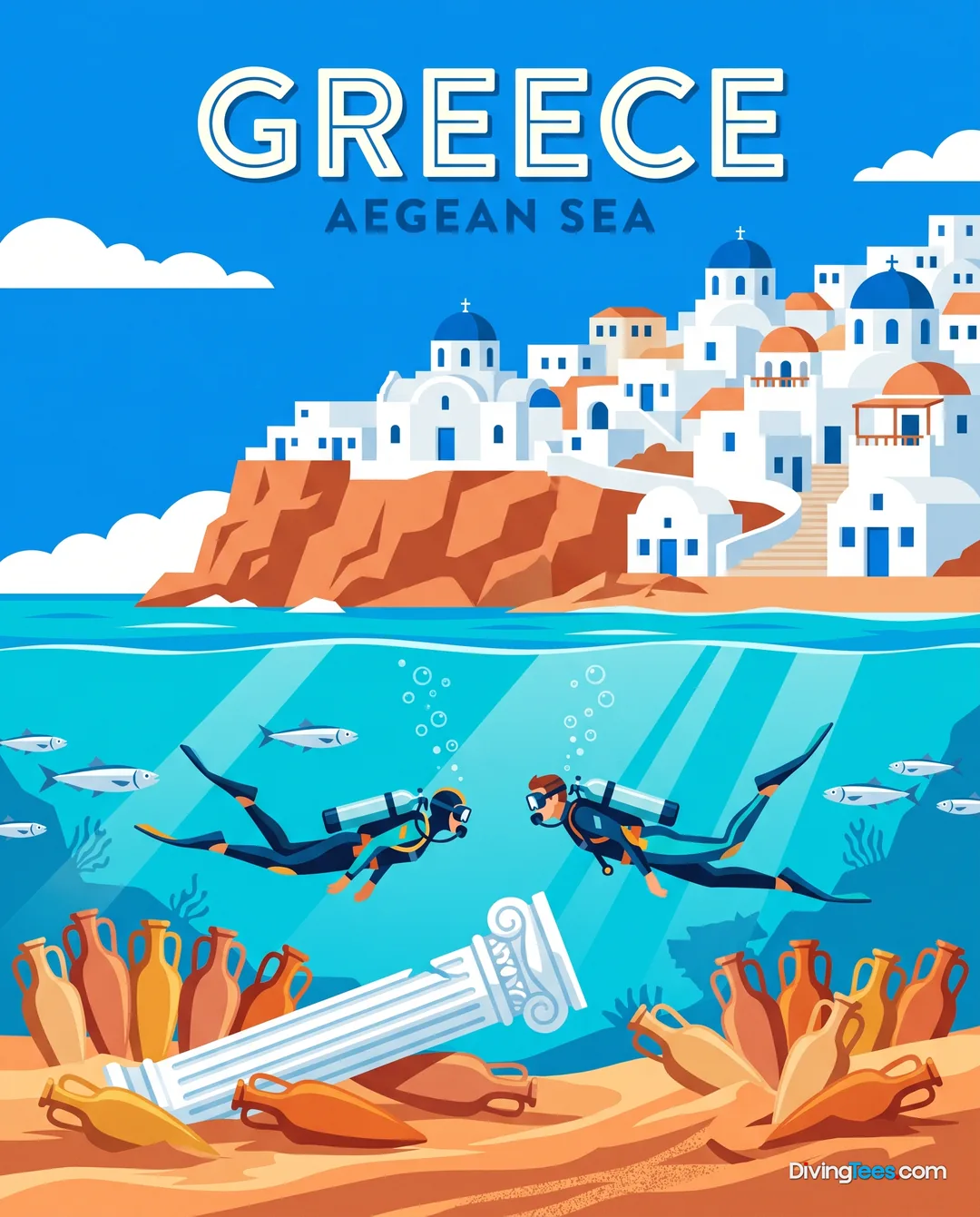
Start with the diving pattern, not the flag. Malta is heavily visited, whereas Spain, France and Greece are moderately visited; that matters if crowding will spoil a premium trip. Spain, France and Malta bring variable current, while Croatia and Italy are the lighter-current choices. For a mixed boat-and-shore programme, look towards France, Greece, Spain or Croatia; Italy and Türkiye suit a boat-diving brief. Wreck interest may point you towards Malta or Cyprus, with HMS Maori and Zenobia Wreck giving the decision a concrete shape. Liveaboards are not an option anywhere here, and moderate prices are a regional constant rather than a country filter. Technical demands therefore come more from current, buoyancy, profiles and operator choice than from a liveaboard format. Season only breaks a close call at the edges: May favours France and Greece, June Cyprus and Tunisia, and September Türkiye; September is the only month when the whole region is in season.
What the whole region shares
Across the Mediterranean, the practical themes repeat: buoyancy and reef contact, transfers and crossings, marine-park rules, nitrox and repetitive profiles, operator choice, and a weather margin with a spare day. The shared wildlife (Moray eel, Grouper, Octopus, Great barracuda, Amberjack and Nudibranch) gives those decisions a recognisable thread, even when one country’s signature creature becomes the reason to choose it. Rainy season and monsoon thinking belong in the planning conversation, alongside current management and a disciplined safety stop. No liveaboard option keeps the experience tied to day-by-day country selection, while moderate prices prevent the region from becoming an exclusively premium proposition. That combination is distinctly Mediterranean: familiar animals, varied local diving, and a regional trip built without liveaboards.