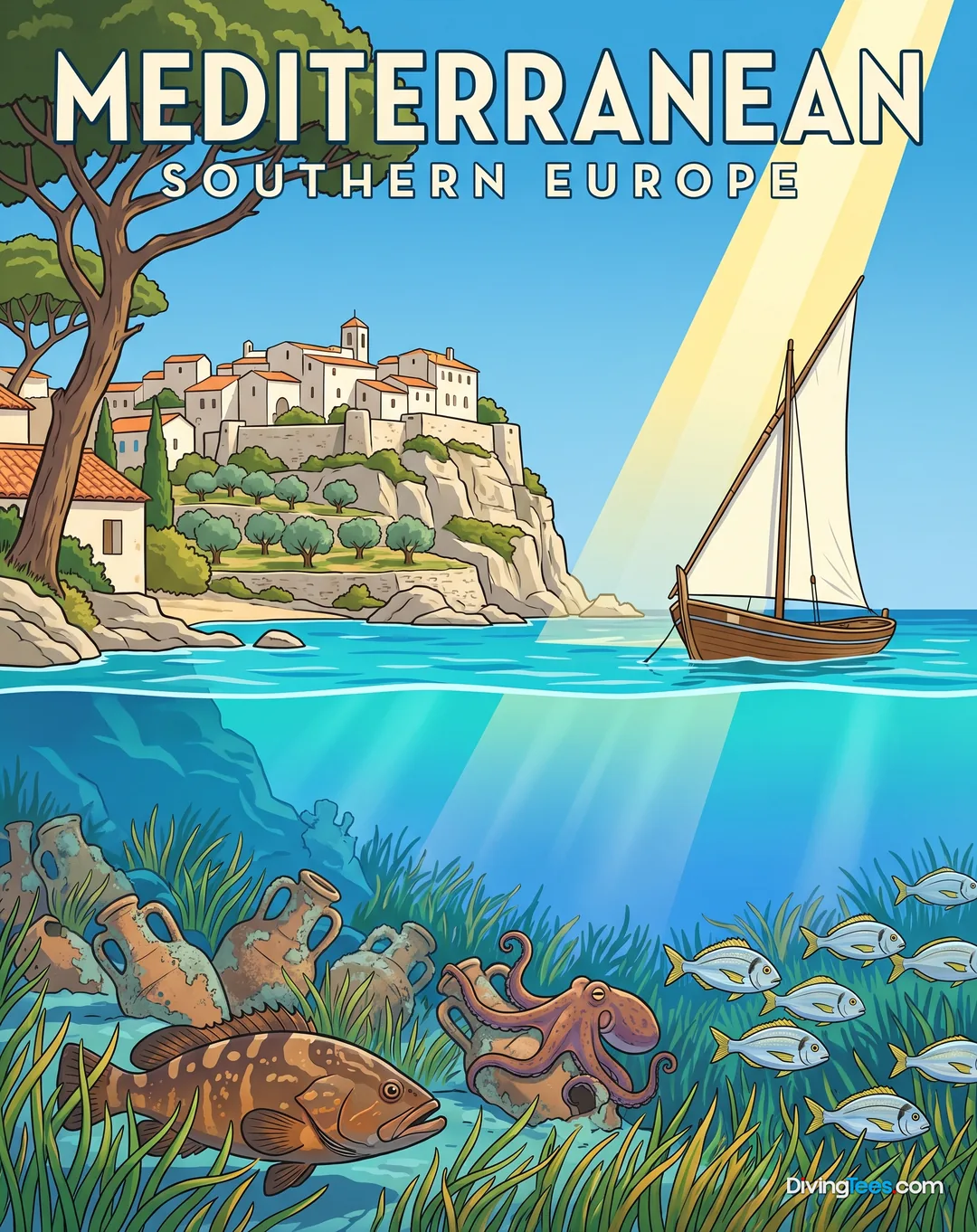
Mediterranean
Italy: Elba, Sicily and Mediterranean shorelines
Italy links Elba’s Napoleonic harbours with Sicily’s volcanic shores, giving a single country two very different ways to build a thoughtful diving holiday.
What makes this country unique
- Elba’s Napoleonic forts above Portoferraio’s diving harbour
- April to September around Elba and Sicily
- Pomonte’s Elviscot wreck beside the island shore
- Taormina, Isola Bella and the Etna vineyards
- Granita con brioche in eastern Sicily
- Trapani couscous di pesce after market wandering
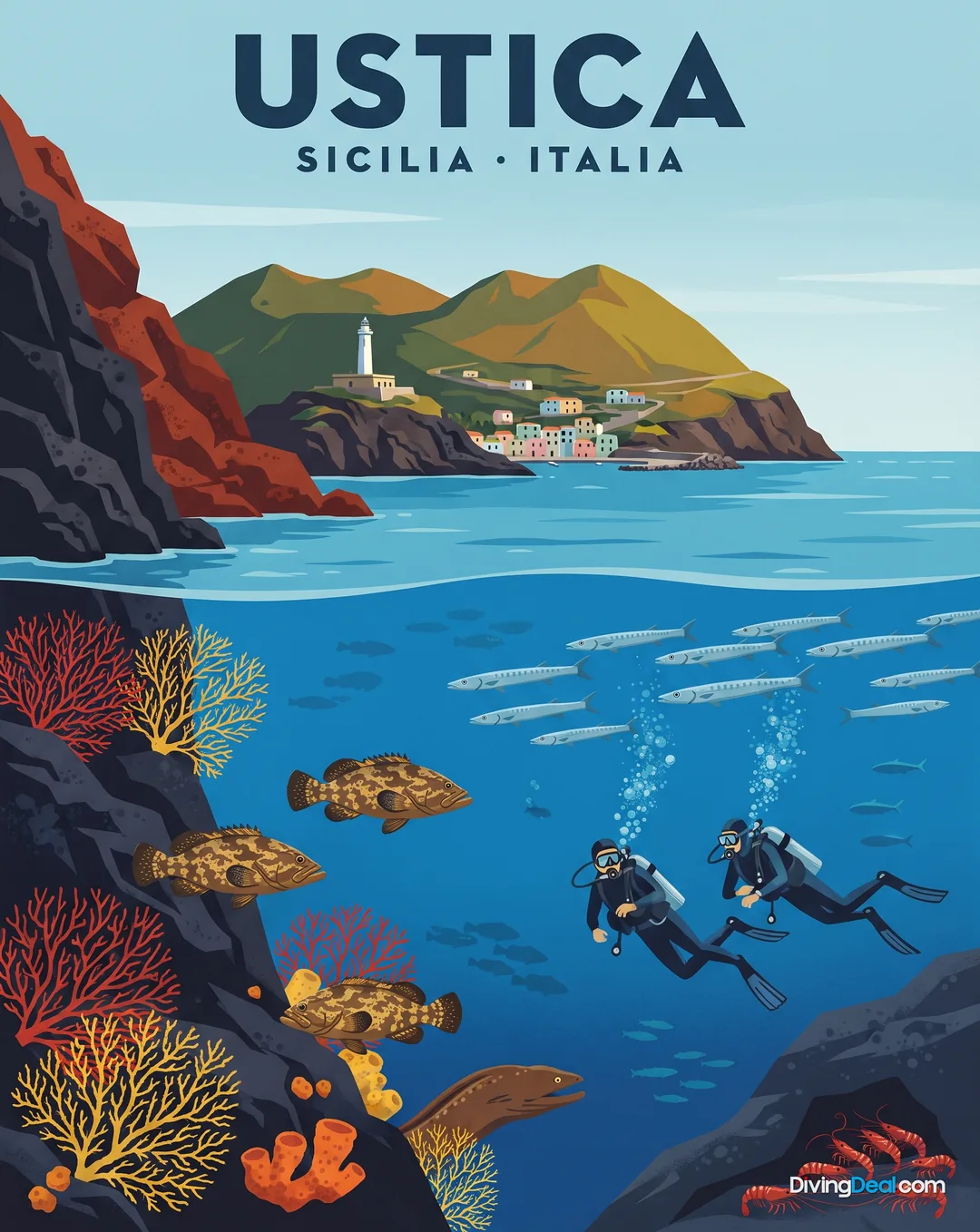
- Ustica’s volcanic rock and protected sea
For subtitles in English: start the video firstthen click the gearat the top right of the video, select “Subtitles/CC”, then “Auto-translate” and choose “English”.
This country for a diver
Italy is a country of separate maritime characters rather than one continuous diving proposition. Elba sits within the Tuscan Archipelago, where ferries, fortified harbours and a mining past shape the trip as much as the sea. Sicily is a larger, more varied island, adding volcanic coastlines, ancient ports and the possibility of a longer island itinerary. Across both areas, prices are moderate and the diving suits a broad range of experience. Boat diving dominates at Elba, while Sicily gives more of a mixed pattern, making the country work for travellers who value variety over a single signature landscape.
How the country divides
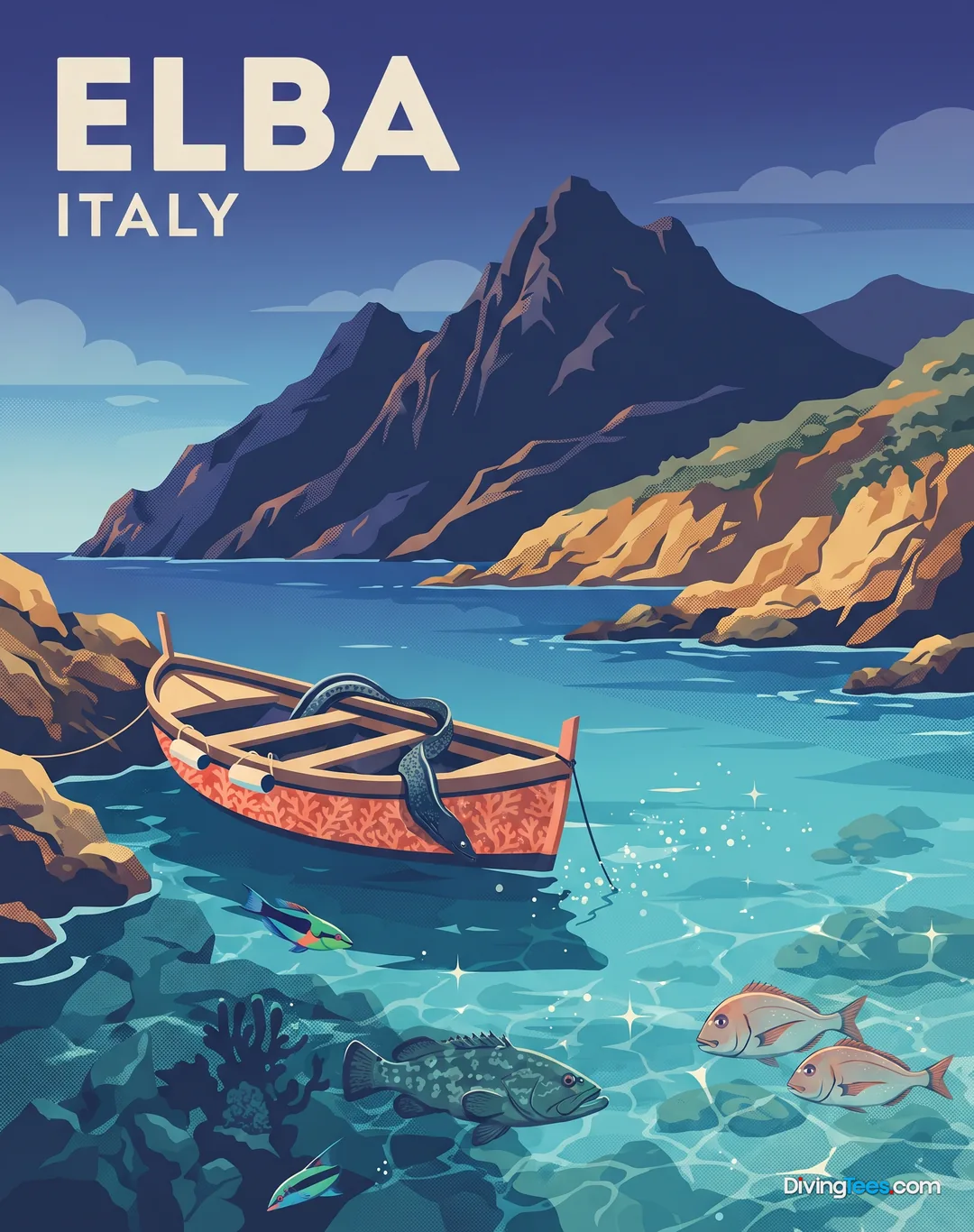
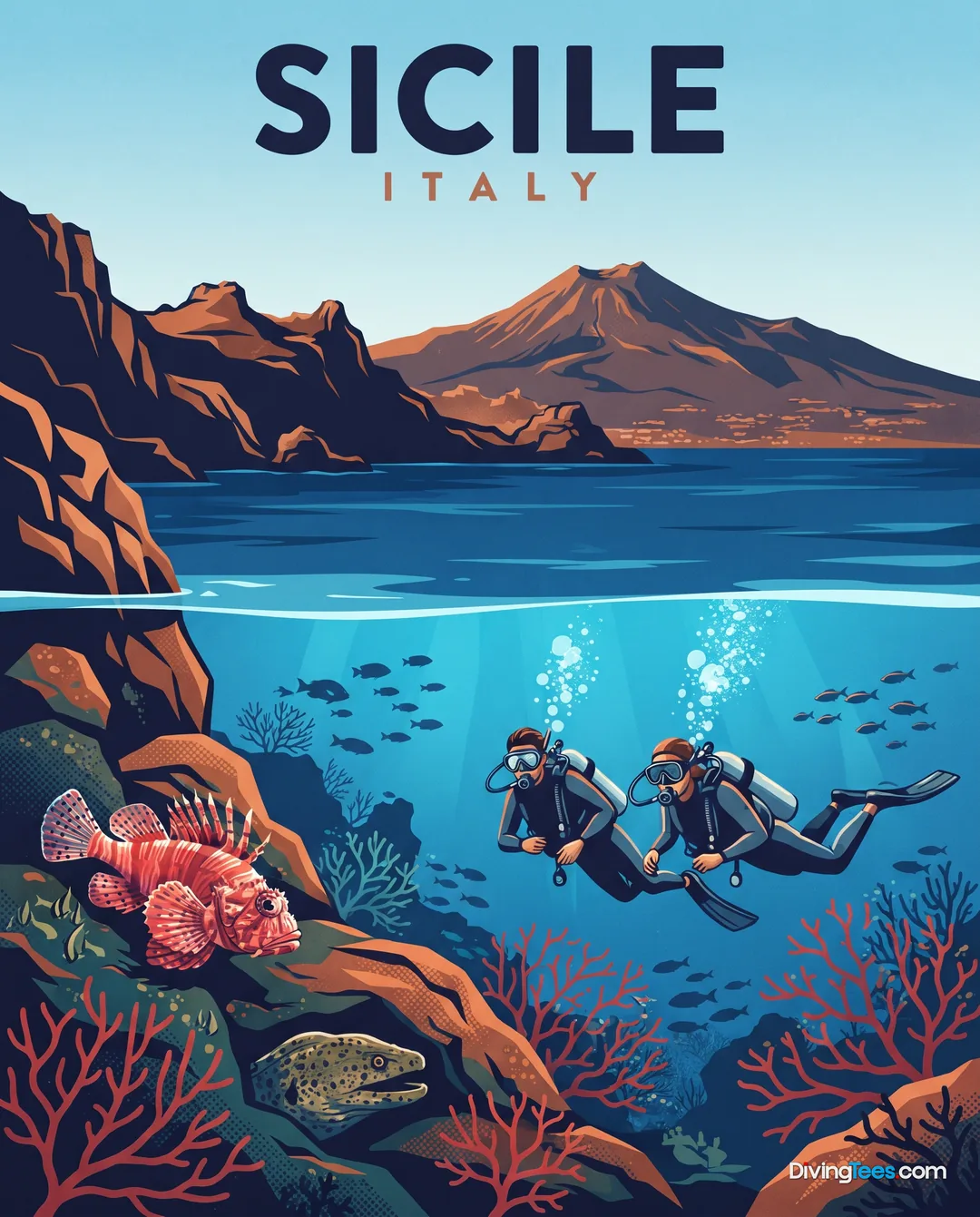
The practical split is between Elba and Sicily. Elba is the compact island choice: a Tuscan setting, a defined April-to-September season and a holiday easily built around Portoferraio, Pomonte or the villages of Capoliveri and Marciana. Its identity is tied to boat diving, protected waters and a shore culture shaped by iron mines and Napoleon’s exile. Sicily is the larger, more changeable choice. Its diving areas sit around an island whose eastern volcanic coast, southern Greek heritage and western Arab influences create very different bases. Sicily also allows a wider itinerary, including Ustica and other offshore islands, although moving between coasts is not a casual transfer. Choose Elba for a contained island stay with a strong Tuscan frame; choose Sicily when food, archaeology and contrasting coastal regions matter as much as the diving.
Diving destinations
Dive centres



Hotels
When to go, and where by month
April through September is the shared working season for Elba and Sicily, so those months suit travellers deciding between the two rather than chasing a narrow weather window. Elba’s season is specifically April to September, while Sicily remains in season into October. That gives Sicily the longer shoulder-season option when an autumn trip is more convenient. From April to September, a combined country plan is therefore possible in principle, but the calendar does not remove the transport issue: Elba depends on the crossing from Piombino, whereas Sicily is reached through its larger air and rail network. October shifts the balance towards Sicily alone. January, February, March, November and December do not form part of the stated diving season for either area. The useful distinction is not an opposite-season pattern, but Elba’s island timetable against Sicily’s longer autumn margin.
Marine life, coast by coast
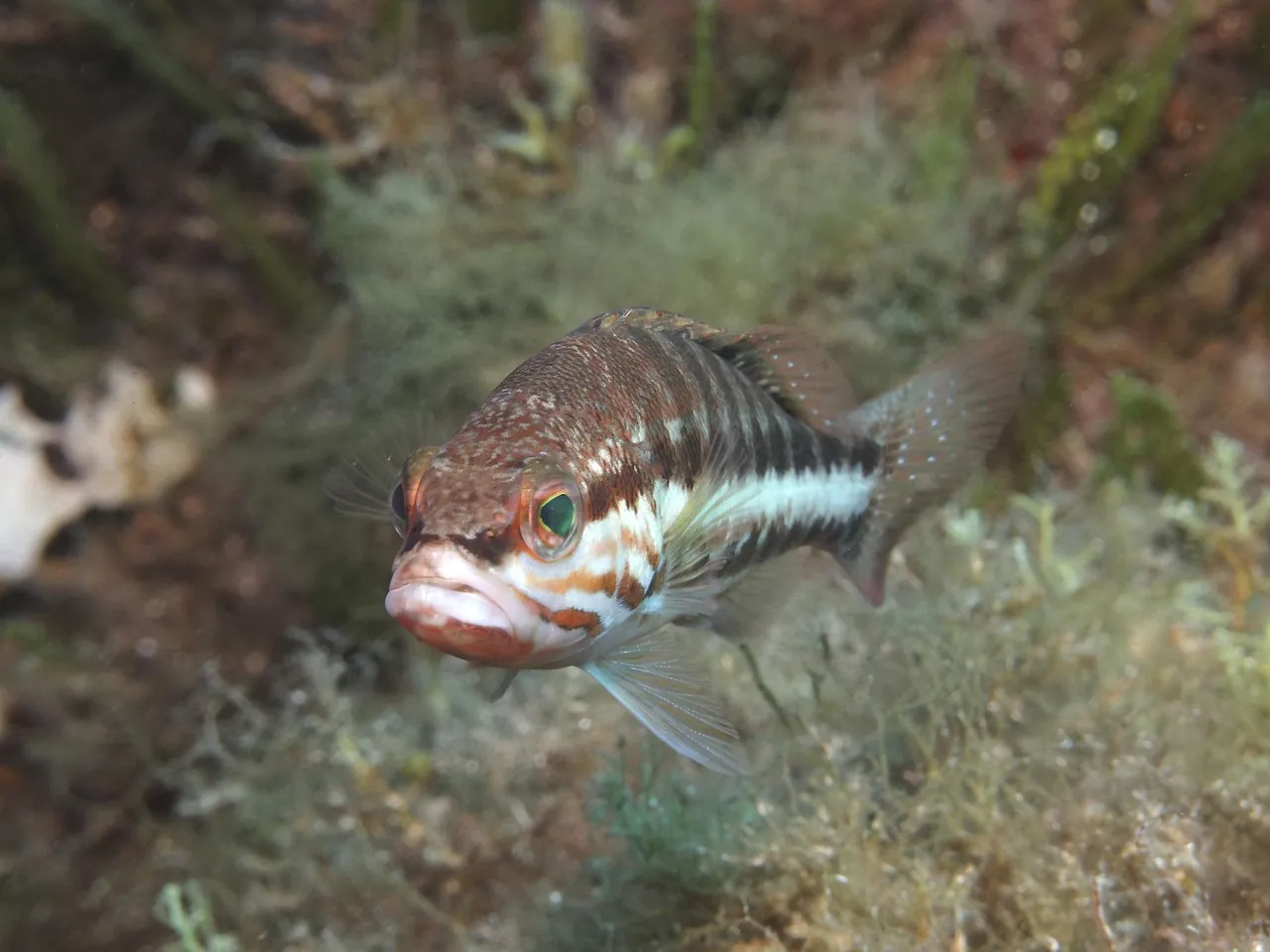
Italy’s wildlife story is best read through protected places and contrasting habitats, not through one animal that defines the whole country. Around Elba, the marine setting is connected with protected areas such as Scoglietto di Portoferraio, Pianosa and the wider Tuscan Archipelago. These places give the underwater itinerary an explicitly conservation-led dimension. Sicily brings a different visual language: volcanic rock around Ustica, the Îles Cyclopes and the coast near Taormina, with biodiversity repeatedly associated with protected marine settings. The result is a change of emphasis between areas. Elba frames marine life within an island park and historic seascape; Sicily adds volcanic structure, offshore islands and the protected waters around Ustica. That difference can shape an itinerary more meaningfully than trying to promise the same wildlife encounter everywhere.
Getting between the areas
Elba is reached by travelling to Piombino and taking a ferry or hydrofoil to Portoferraio, Rio Marina or Cavo. A car makes it easier to move between its diving villages and the inland viewpoints, while buses cover the principal settlements. Pianosa can be added by ferry from Portoferraio, making it the natural extension of an Elba stay rather than a separate national journey. Sicily works differently. Flights connect Palermo and Catania with Rome and Milan, while trains and buses link the main cities and ports. Crossing from one Sicilian coast to another can take a full day because routes are indirect and often run through the interior. Elba and Sicily are therefore better treated as separate holidays unless generous time is allowed for the ferry, flight and onward ground travel.
Take off your mask
Elba’s shore life is concentrated around Portoferraio, where Villa dei Mulini and the Medicean fortresses give the harbour a distinctly historical setting. Villa San Martino adds a quieter museum visit, while Monte Capanne puts the island’s villages, sea passages and neighbouring islands into one wide view. At Rio Marina and Monte Calamita, former iron mines explain a side of Elba that beaches alone conceal. The food follows the island’s fishing and farming traditions: schiaccia briaca is found in the pastry shops of Portoferraio, Capoliveri and Marciana, while cacciucco belongs to Livorno and the Tuscan coast before or after the ferry. Sicily rewards a broader cultural sweep. Taormina and Isola Bella combine a Greek theatre, medieval streets and a maritime setting. Palermo’s Ballarò and Vucciria markets are the place for arancini, sfincione and panelle. In the south-east, Syracuse, Noto, Ragusa and Modica bring baroque stone, ricotta pastries and cold-worked chocolate. Granita con brioche belongs to the eastern Sicilian morning.
What holds true everywhere here
Ferry planning is a specifically Italian part of the trip: during holiday periods, seats to Elba should be arranged early because the crossing can determine the whole itinerary. A weather buffer is equally sensible on exposed coasts; the state of the sea can matter more than the road transfer to the harbour. Choose an operator that works across a coastal sector rather than tying every outing to one site, particularly on Elba where exposure changes quickly. Nitrox is useful for repetitive boat profiles when the day is organised around several intermediate dives, but it does not remove the need for a proper safety stop or sensible surface intervals. In restaurants, check whether coperto or servizio incluso is already added; a small cash rounding is enough when service deserves it.
Frequently asked questions about Italy
When should you plan a diving trip to Italy?
April to September is the highlighted period for diving around Elba and Sicily. This timing lets you combine Elba’s historic harbour setting and protected marine areas with Sicily’s volcanic shores, offshore islands and protected waters, while also including experiences such as Pomonte’s Elviscot wreck and Ustica’s volcanic rock.
What level of diver is Italy suitable for?
Italy is a destination to approach by choosing the underwater setting that matches your interests and comfort. Elba connects diving with protected island waters and historic scenery, while Sicily offers volcanic rock, offshore islands and protected marine habitats. Your itinerary can therefore focus on the environments you prefer to explore.
What can you see while diving in Italy?
You can explore Pomonte’s Elviscot wreck beside Elba’s shore, protected waters around Scoglietto di Portoferraio and Pianosa, and volcanic underwater landscapes around Ustica, the Îles Cyclopes and Taormina. Italy’s marine character changes between island parks, historic seascapes, volcanic rock, offshore islands and protected coastal habitats.
How should you plan your stay in Italy?
Build your Italy stay around either Elba, Sicily, or a combination of both. Elba pairs Portoferraio’s diving harbour and Napoleonic forts with protected marine areas. Sicily adds Taormina, Isola Bella, Etna vineyards and Ustica. Allow time for local food, including granita con brioche and Trapani couscous di pesce.