Choose a region by its water temperature, seasons, journey time and the sort of diving you want. The regional pages bring together the sites, centres, hotels and liveaboards that make planning easier.
Diving in the Red Sea
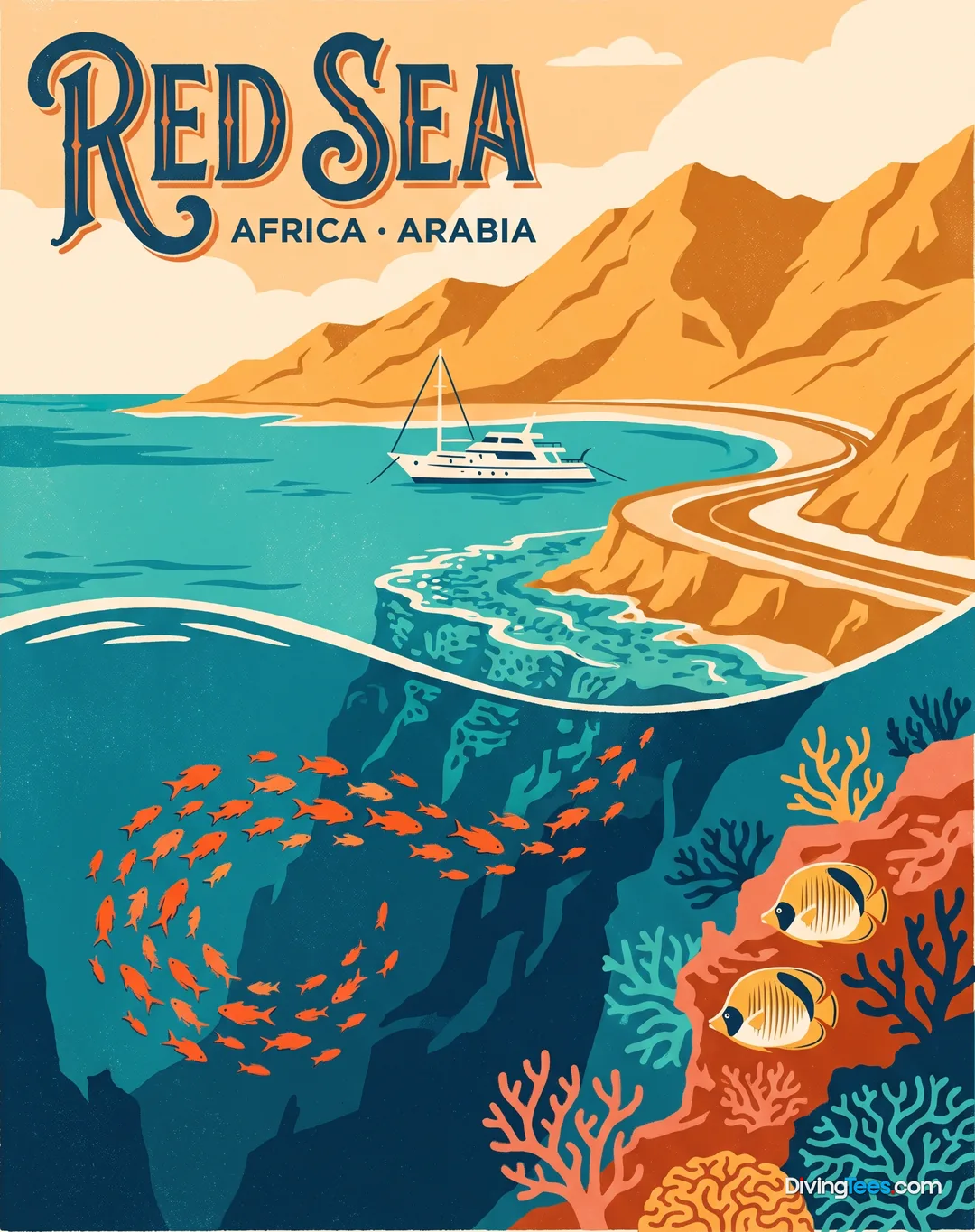
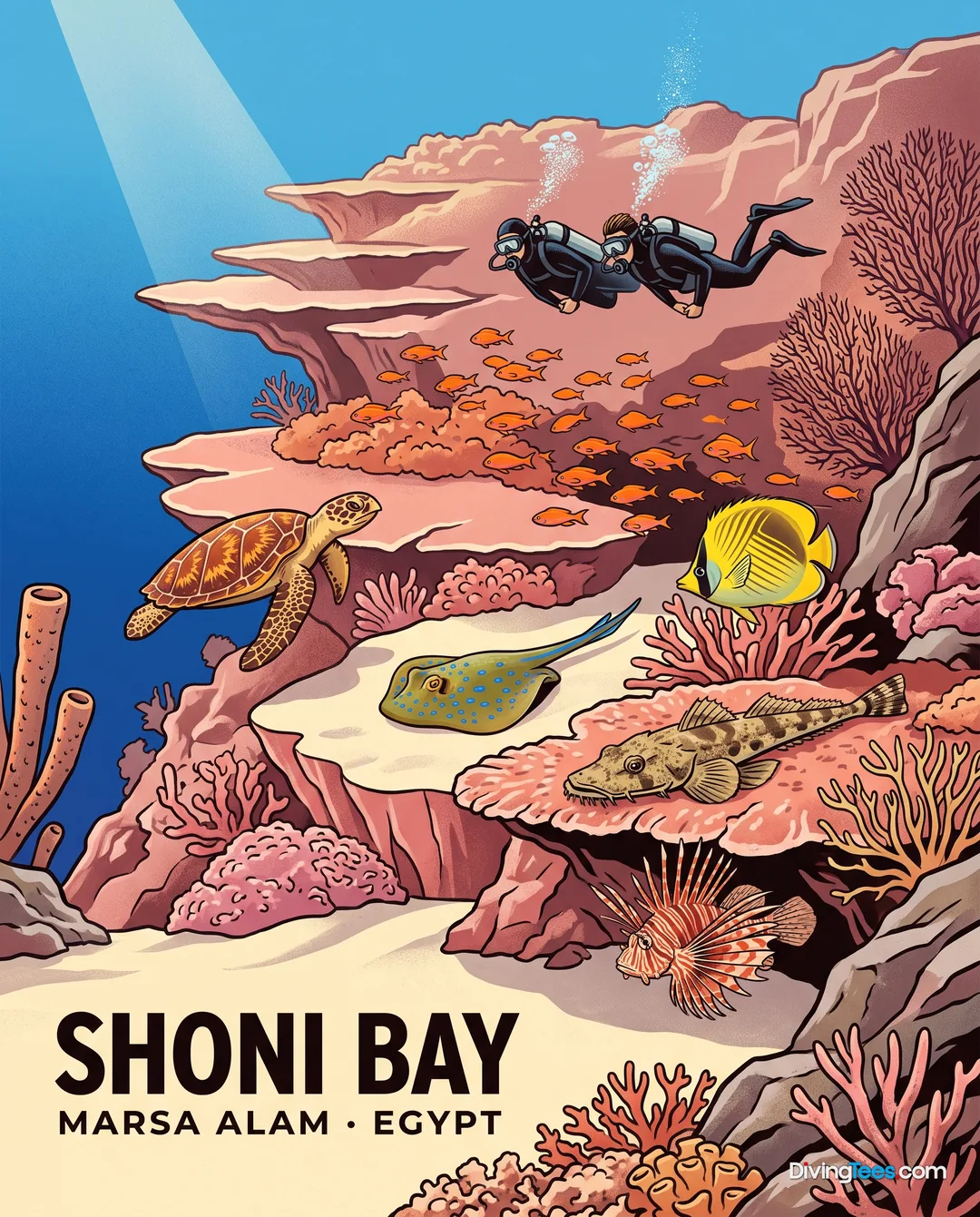
The Red Sea has the closest tropical reefs to Europe, with warm water year-round, though winter is cooler. Explore the northern wrecks around Sharm el-Sheikh, offshore reefs such as Elphinstone, or shore dives at Dahab and in front of the hotels of Marsa Alam. Every level finds its place here. The region includes 190 dive sites described across 3 countries.
Diving in the Red Sea →
Diving in Asia

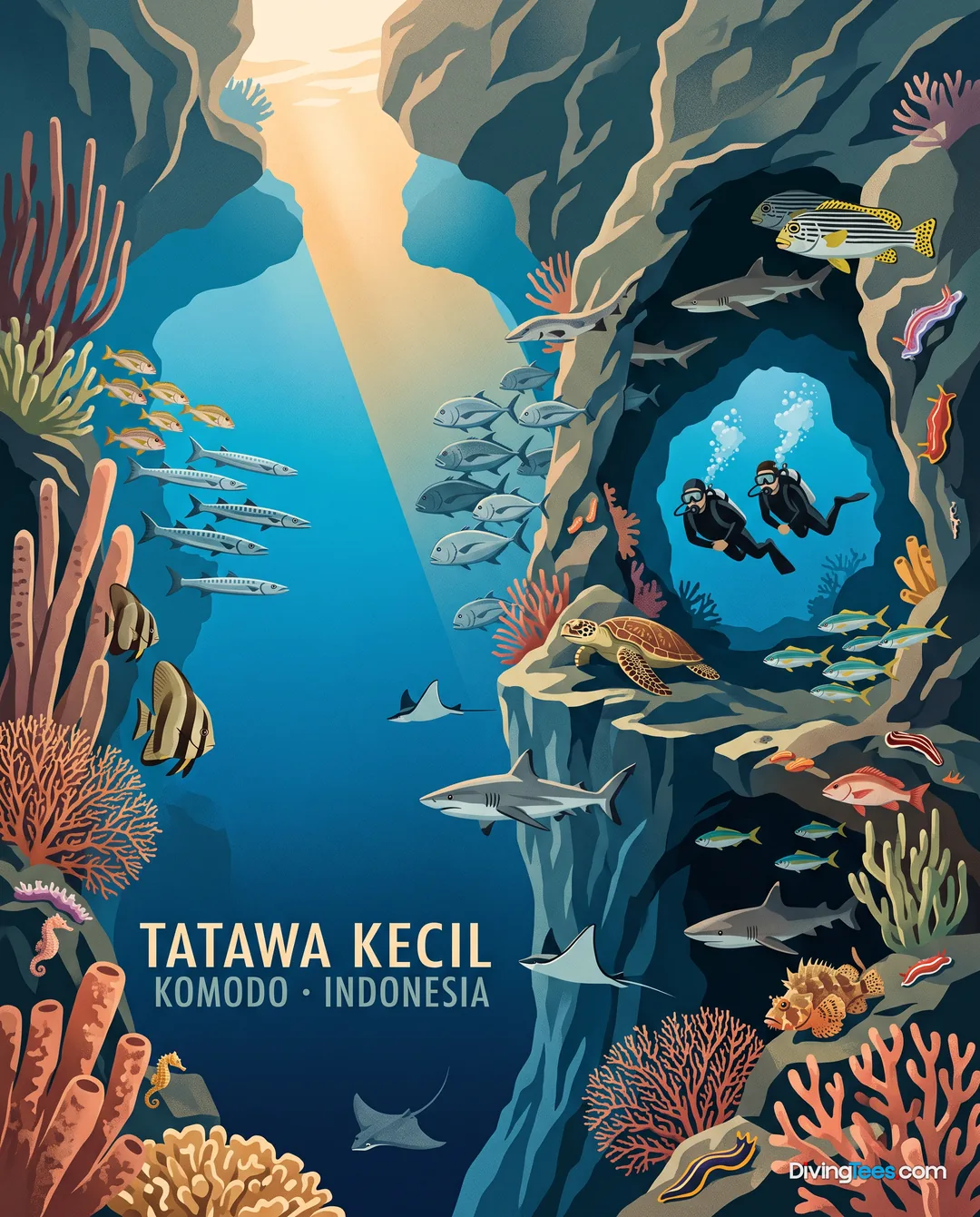
Southeast Asia has the greatest diversity of coral and fish on the planet, around Raja Ampat. Dive in the current at Komodo, switch from macro to thresher sharks at Malapascua, or head to Sipadan in Malaysia for its schools of barracuda. Seasons follow the monsoon and change from one coast to the next. This is the best-documented region on the site, with 525 dive sites described across 7 countries.
Diving in Asia →
Diving in the Indian Ocean
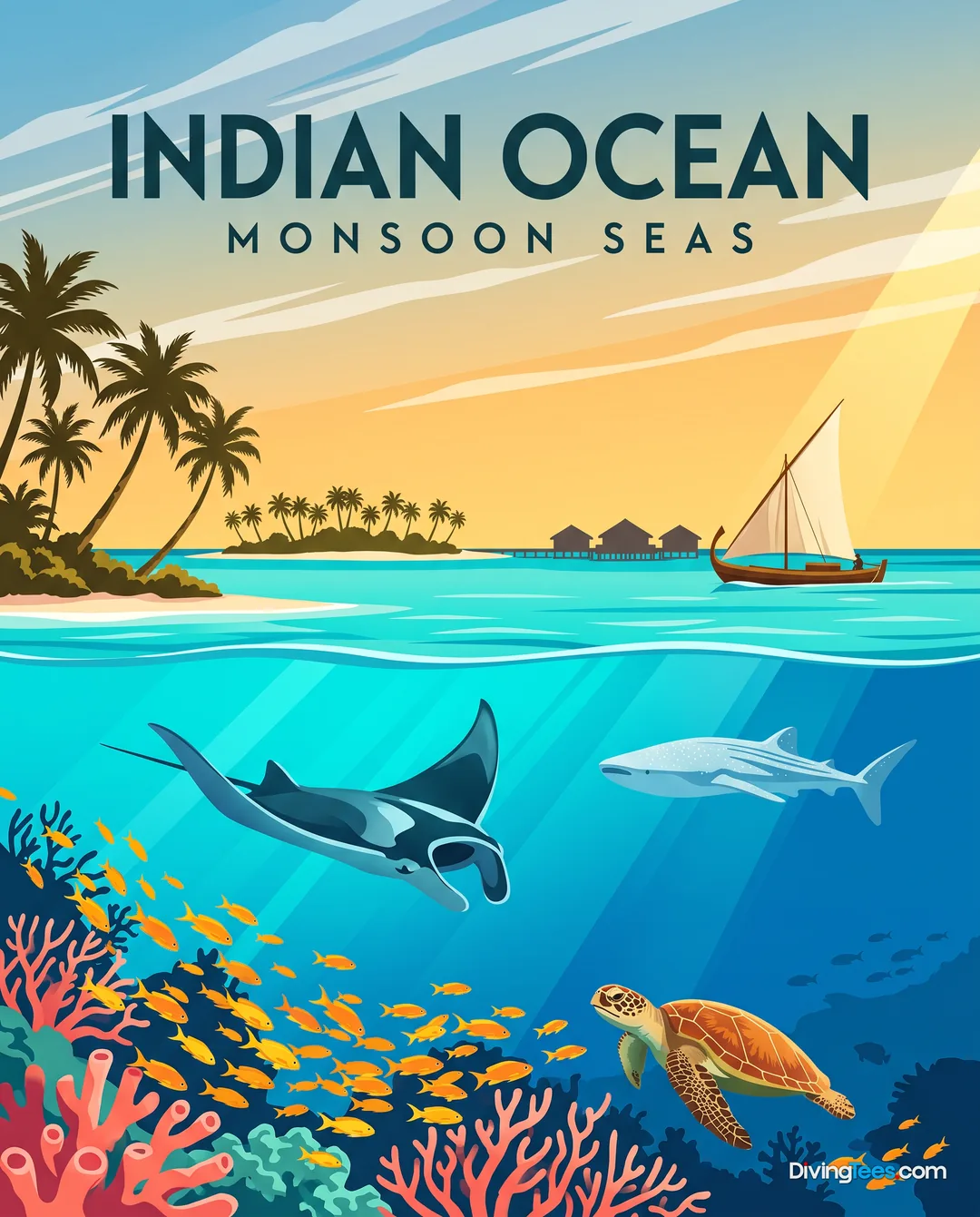
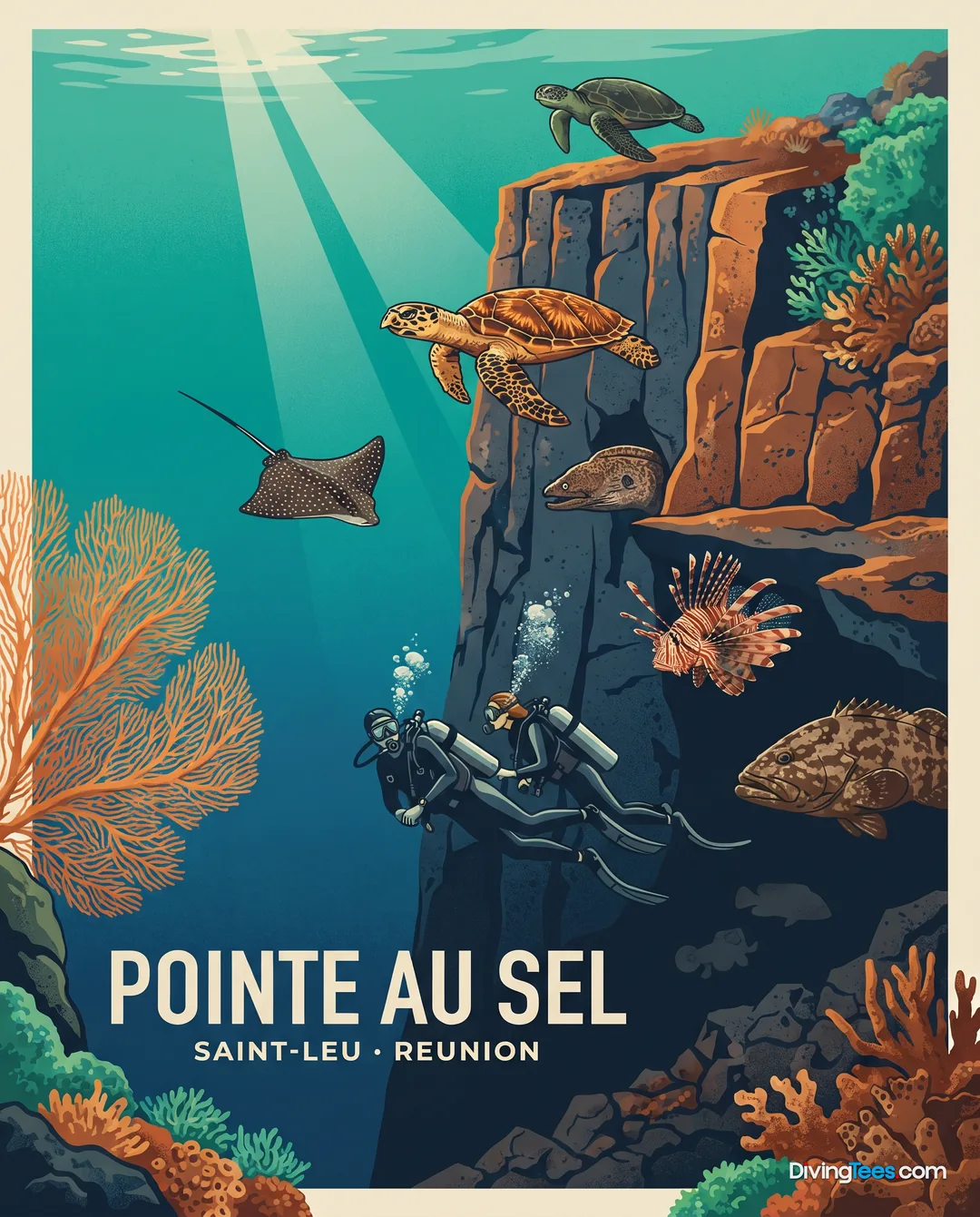
In the Maldives, dive the channels between the atolls, with manta rays and whale sharks around Ari Atoll. The dry season from December to April generally gives the best visibility. The Seychelles add granite islands, while Mauritius and Réunion have volcanic coasts and Sri Lanka has wrecks. There are 194 dive sites described across 9 countries.
Diving in the Indian Ocean →
Diving in the Pacific
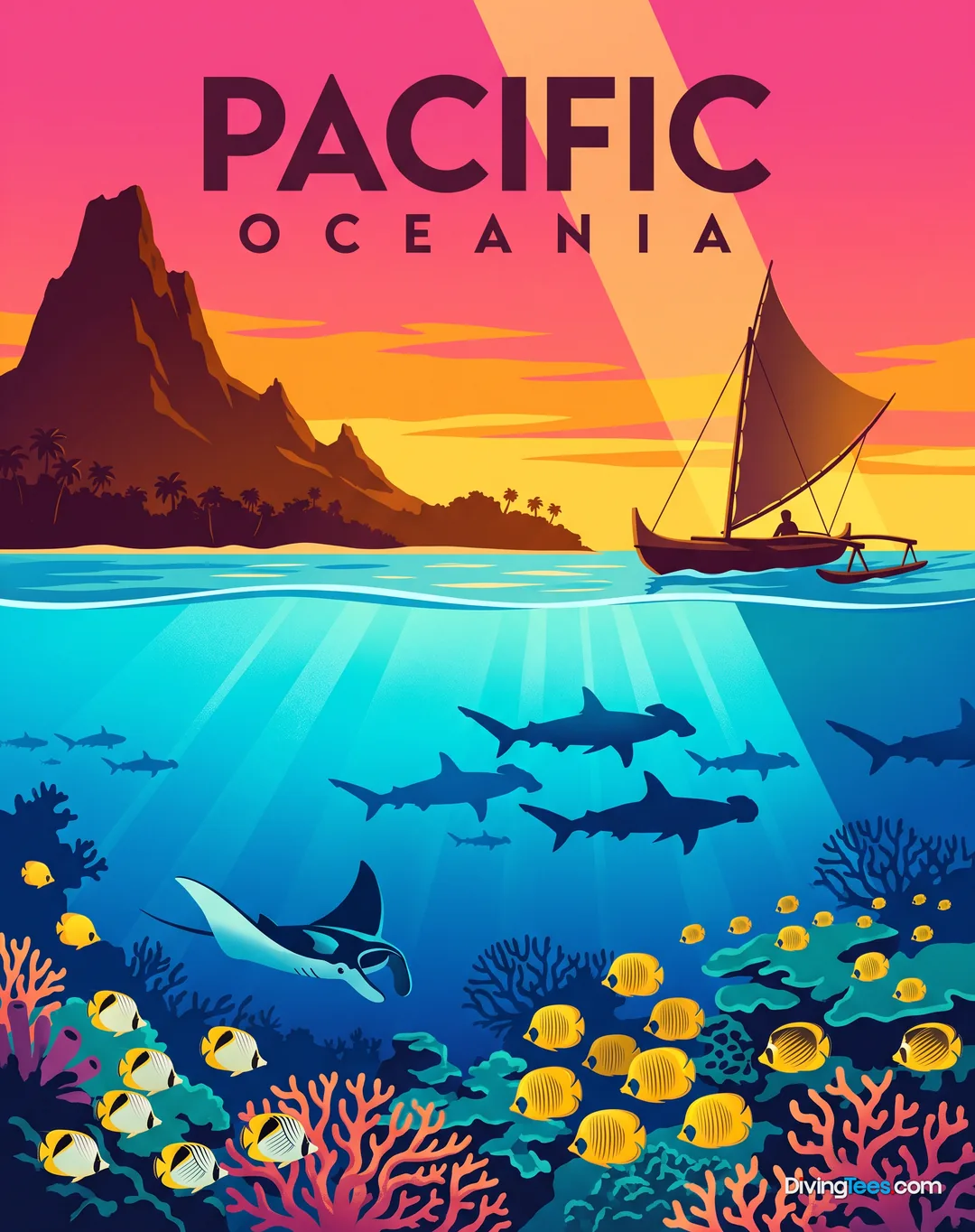
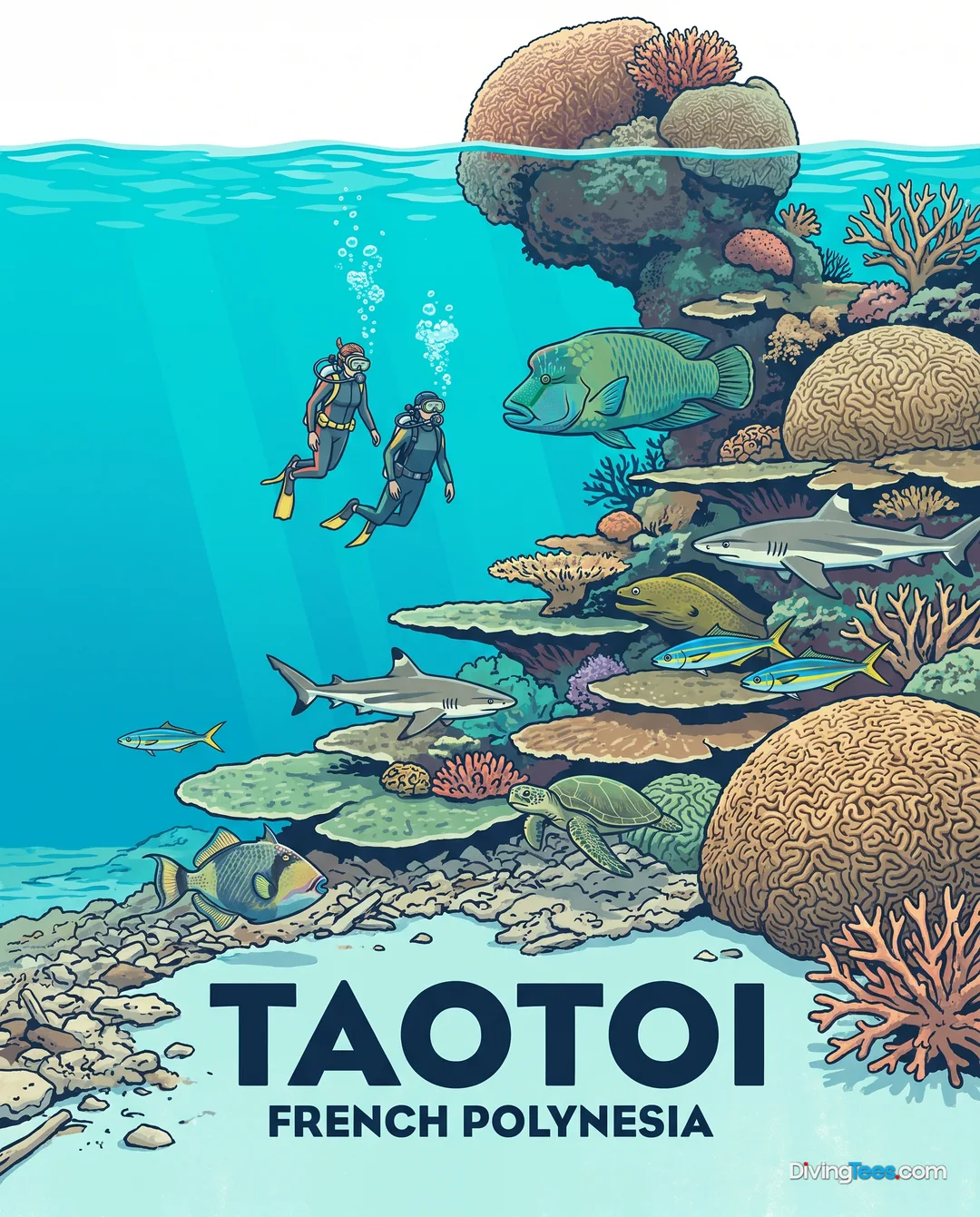
The Pacific is a region of big animals and long journeys. The passes of Rangiroa bring grey reef sharks and dolphins, while Blue Corner in Palau is dived hooked onto the reef in the current. In Truk Lagoon, the Japanese fleet sunk in 1944 lies on the bottom, and Australia offers the Great Barrier Reef and the SS Yongala wreck. The region has 306 dive sites described across 10 countries.
Diving in the Pacific →
Diving in the Mediterranean

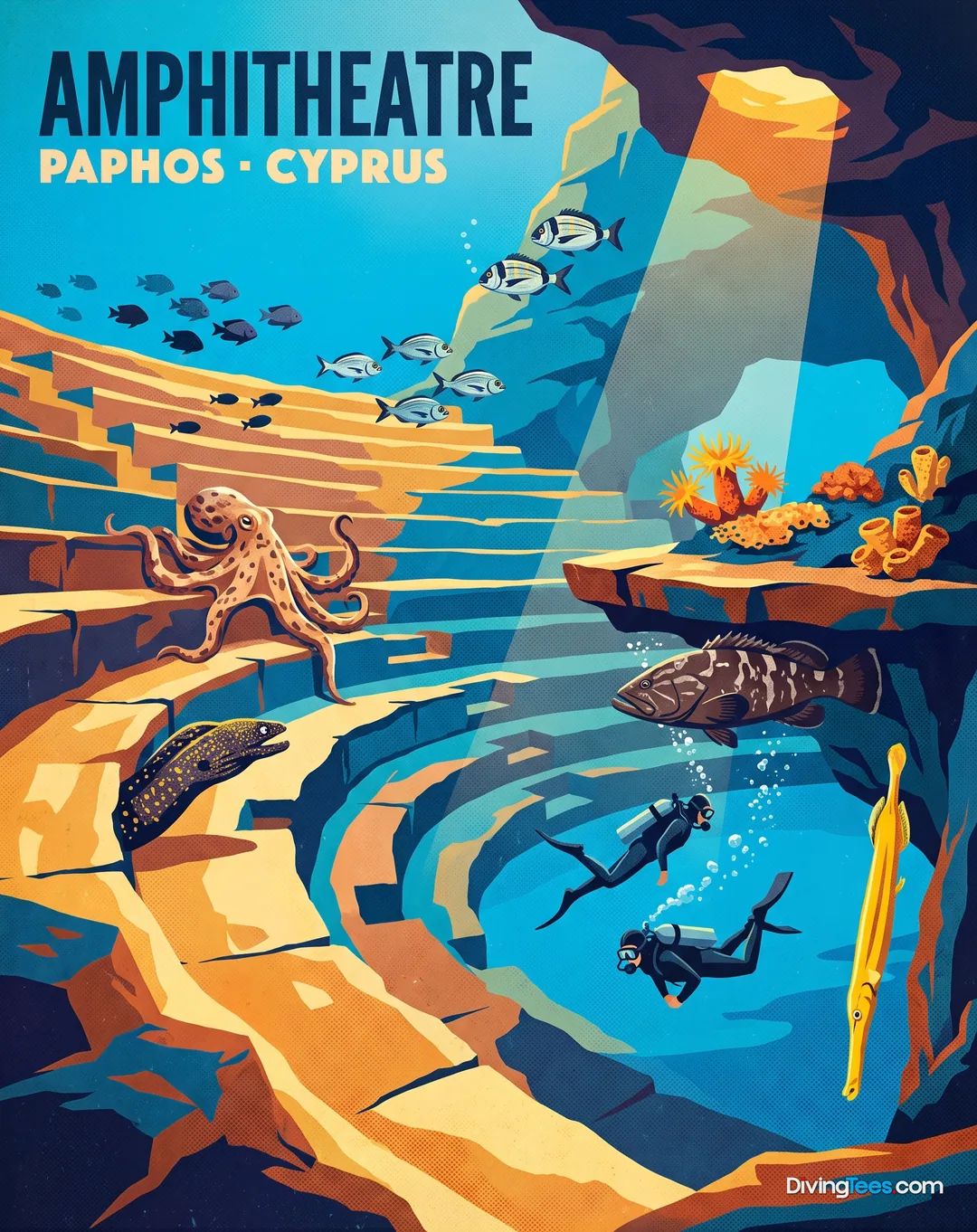
Most Mediterranean diving takes place from May to October, with walls covered in gorgonians, groupers, seagrass and many wrecks. Go from Corsica to Cabo de Palos in Spain, then on to the Zenobia in Cyprus. The region has the largest choice of hotels on the site. It includes 308 dive sites described across 9 countries.
Diving in the Mediterranean →
Diving in the Caribbean
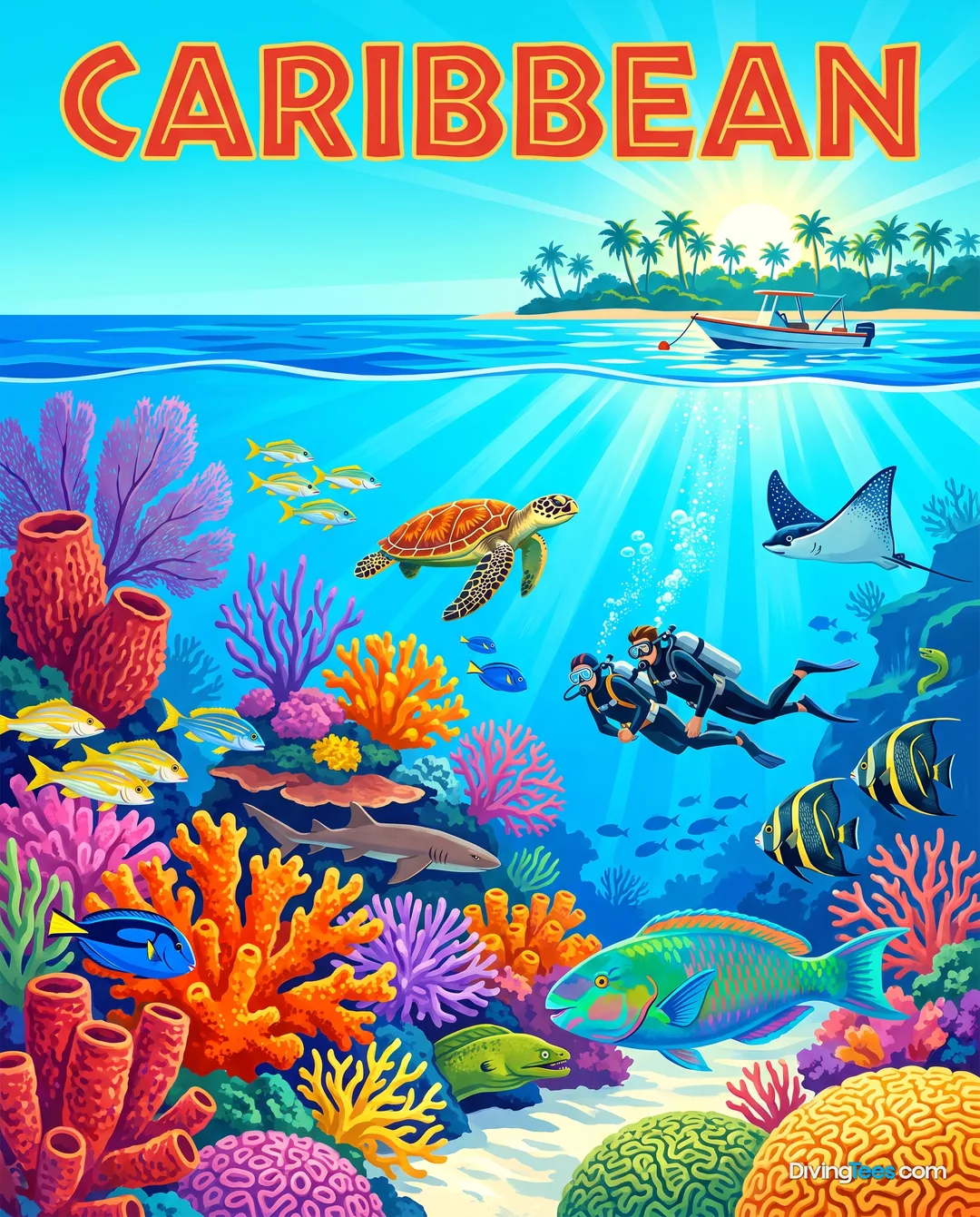
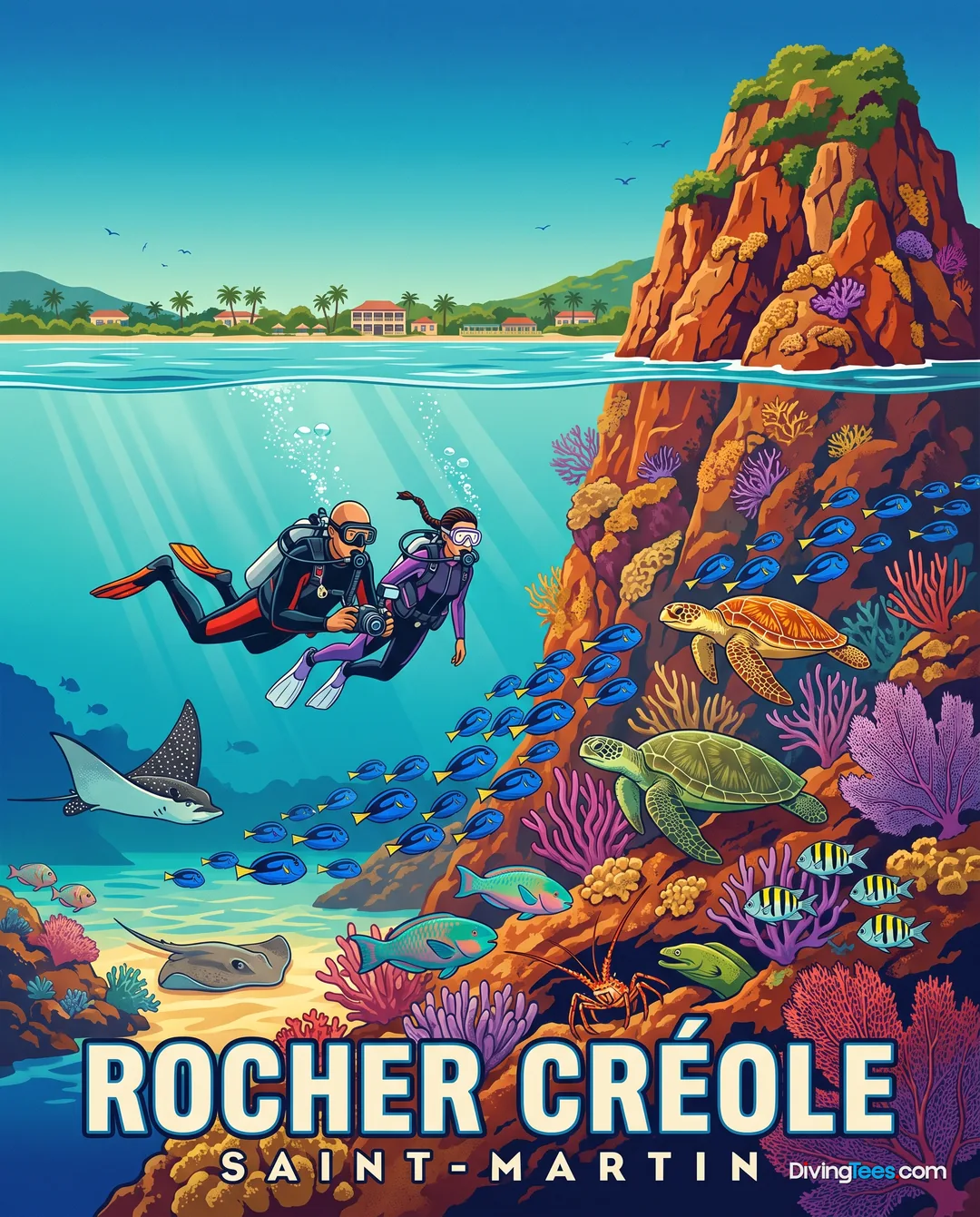
The Caribbean offers warm, clear water year-round, gently sloping reefs and many islands. Try Bonaire and its shore diving at 1000 Steps, or explore Curaçao, the Cayman Islands and Guadeloupe's Cousteau reserve. Hurricane season runs from June to November. There are 212 dive sites described across 18 countries.
Diving in the Caribbean →
Diving in the Americas

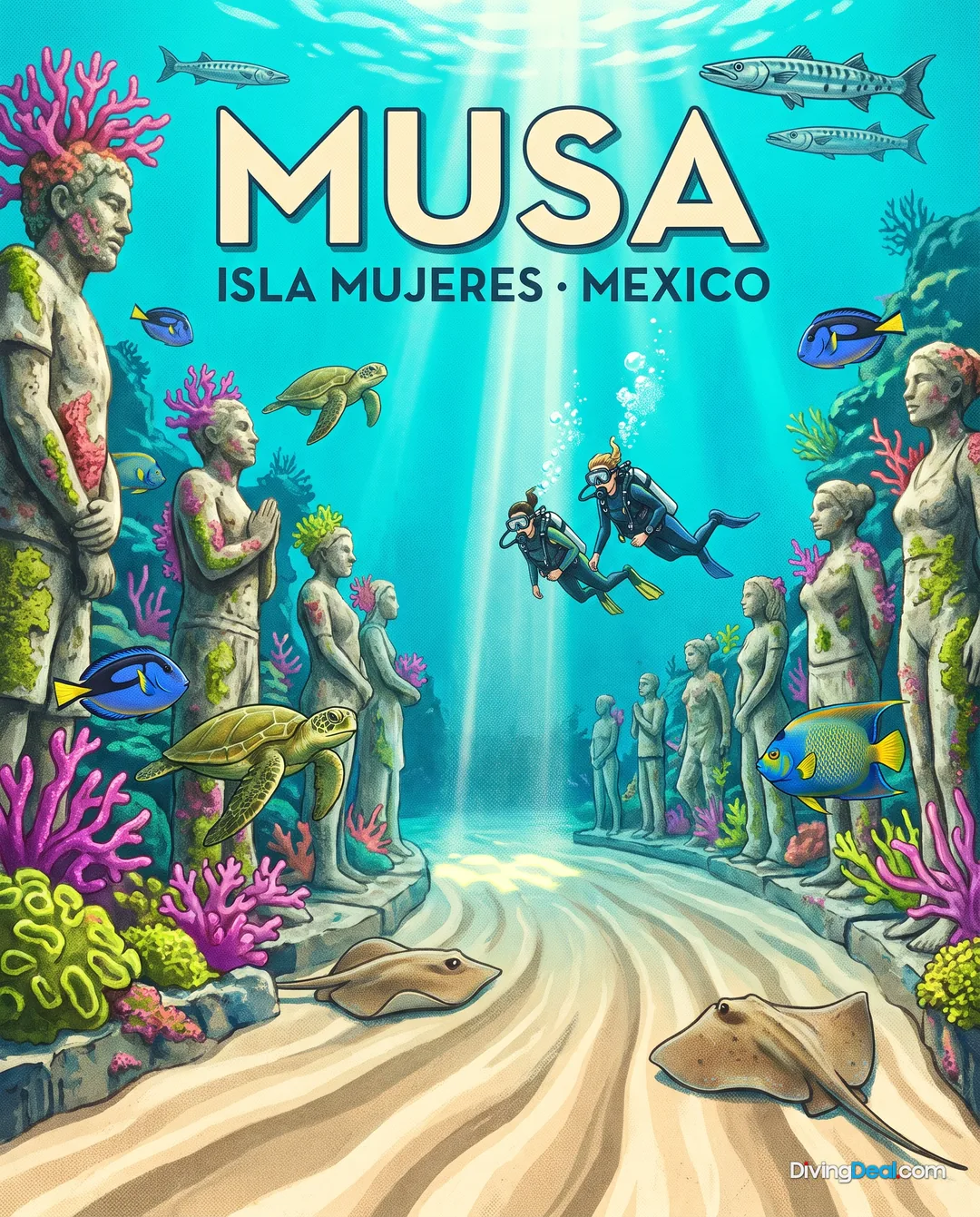
In Mexico, Cozumel is drift-dived along its walls, while the cenotes offer freshwater dives. Offshore, Socorro is known for giant manta rays. Further south, the Galápagos and Cocos Island in Costa Rica bring great hammerhead gatherings for experienced divers, reached by liveaboard. The region has 204 dive sites described across 8 countries.
Diving in the Americas →
Diving in the Atlantic
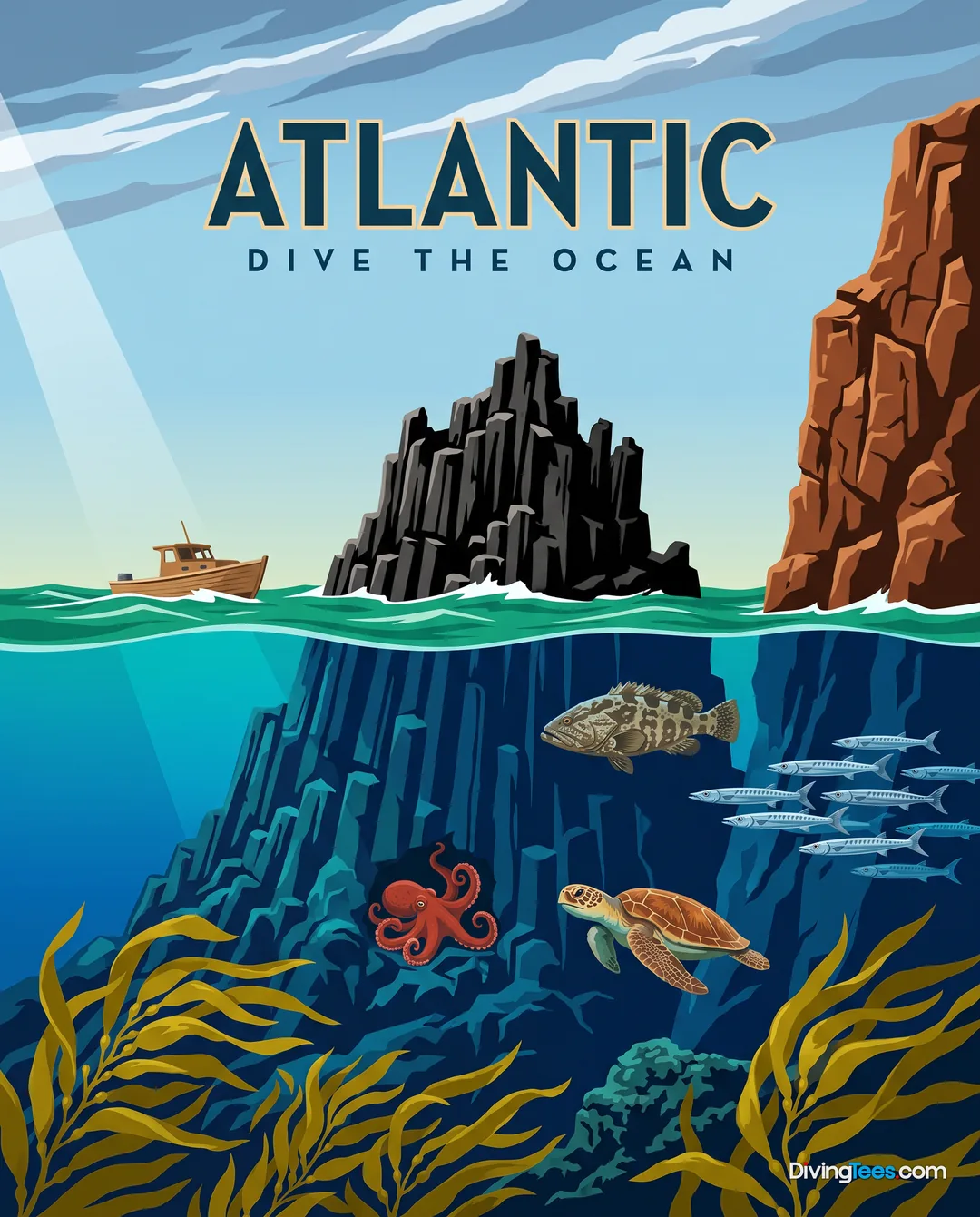
The Canary Islands are dived year-round, from Tenerife to Gran Canaria and El Hierro. The Azores are dived in summer, with mobula rays and blue sharks on the offshore banks. Madeira and Cape Verde complete the region. There are 180 dive sites described across 7 countries.
Diving in the Atlantic →
Diving in Africa
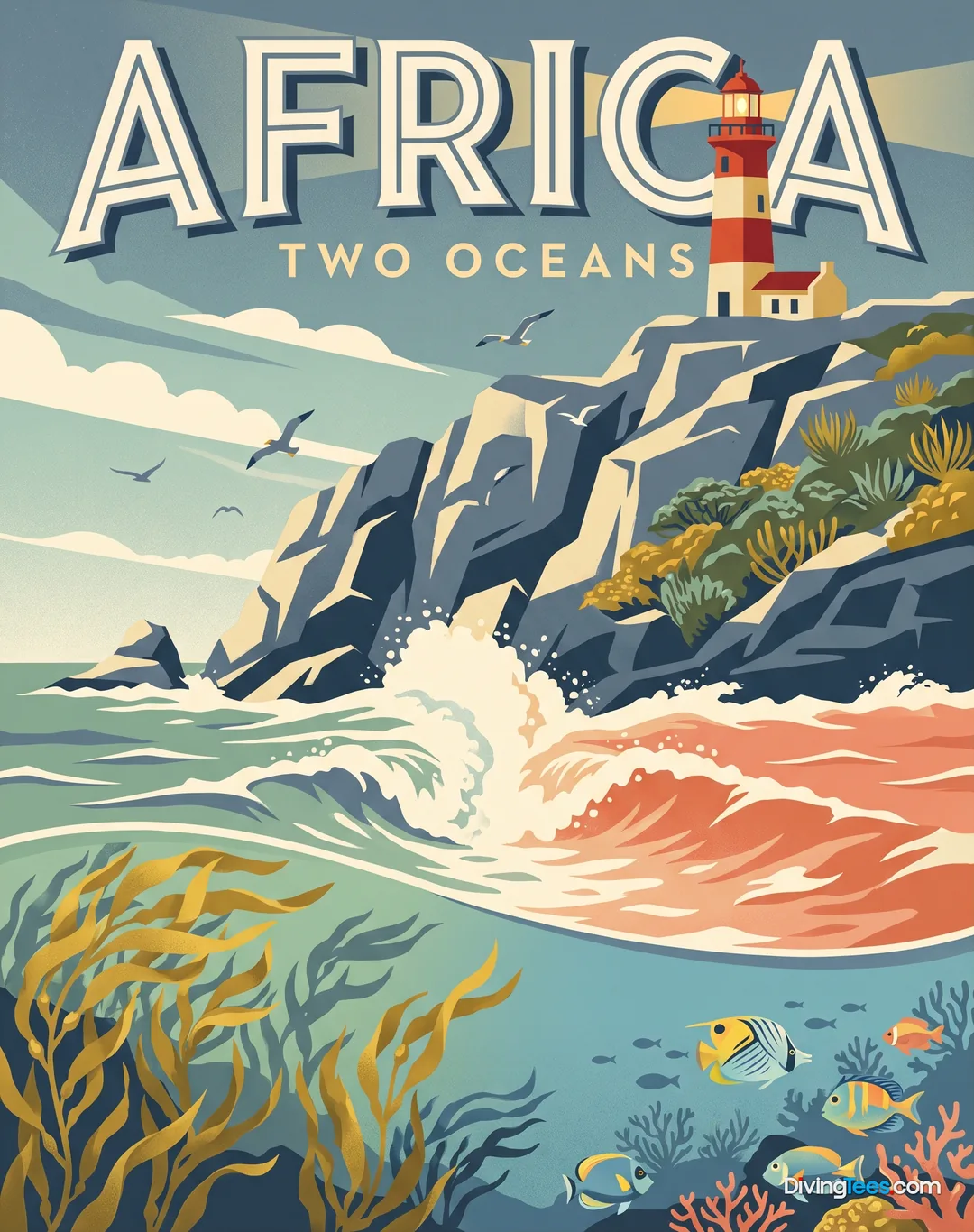
On the Indian Ocean coast, South Africa is known for shark dives and Mozambique for Tofo, manta rays and whale sharks. Ocean dives are often launched from the beach by RIB. The region includes 82 dive sites described across 4 countries.
Diving in Africa →
Diving in the Middle East
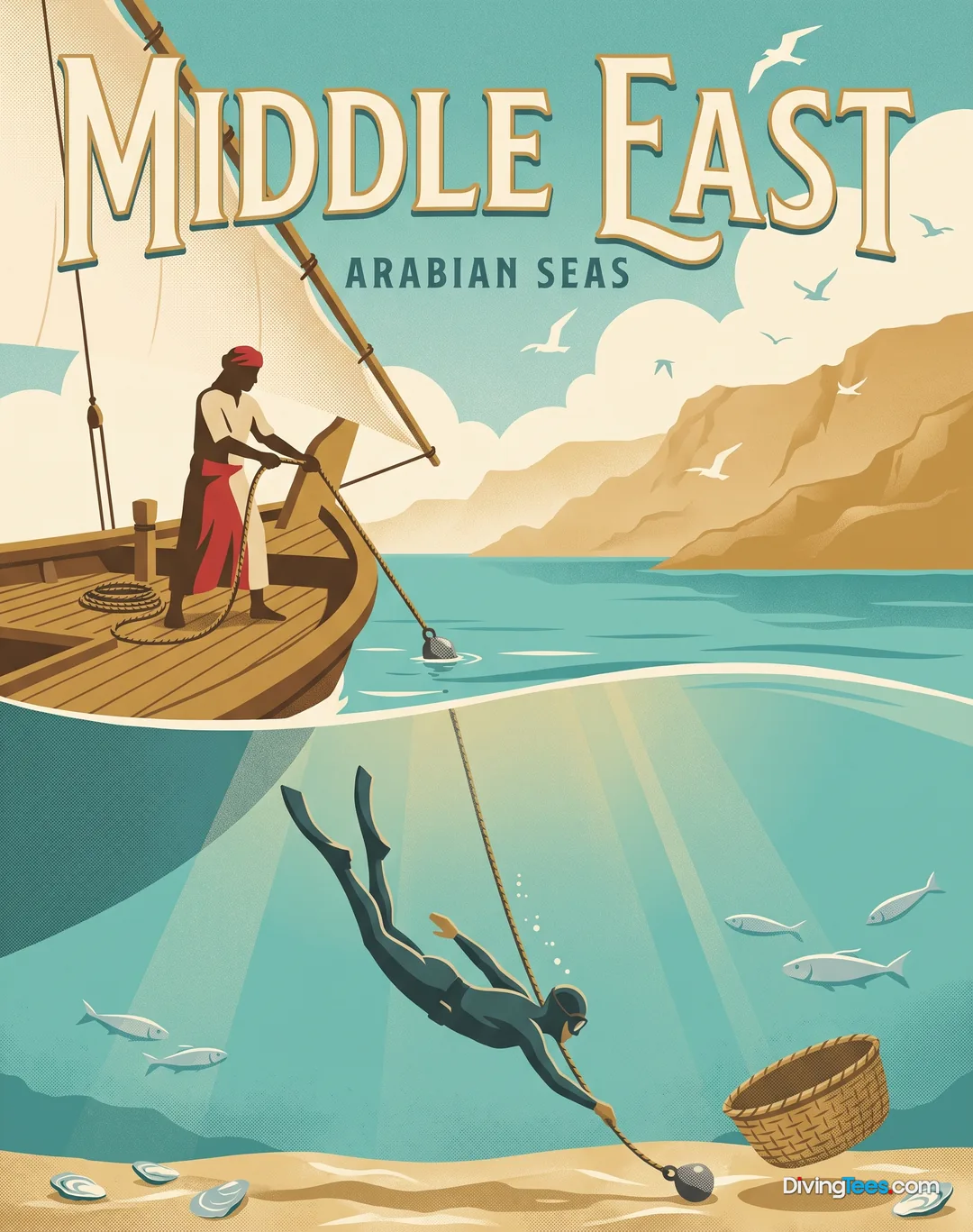
In the United Arab Emirates, the Fujairah coast and Dibba Rock face the Gulf of Oman. Further north, Oman's Musandam peninsula cuts through fjords and reefs that are still little visited. The water is very warm in summer. There are 28 dive sites described across 2 countries.
Diving in the Middle East →