ホテルカルチャーヴィレッジ
★★★
★ 8.2/10 (83 reviews)
31 km away as the crow flies
Dive centre · Hokkaido · Japan
4.831 Google reviewsExplore the volcanic architecture of the Shakotan Peninsula aboard the Bargo Express Asia, a purpose-built 33-foot diving vessel.
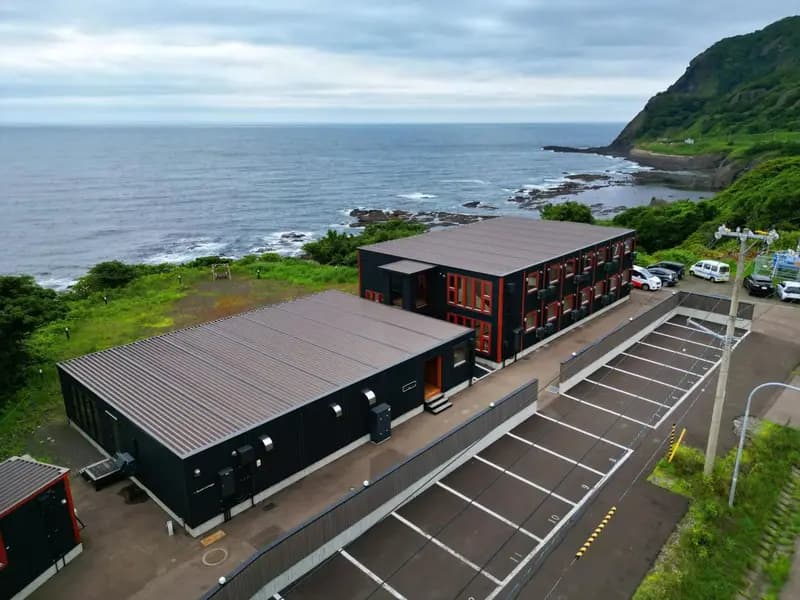
Aqua Cat Horomui Diving Camp is situated on the Shakotan Peninsula in Hokkaido, positioned directly in front of Horomui Port. This location provides immediate access to the rich, cold-water ecosystems of the Sea of Japan, where the coastline is defined by dramatic rock formations and intricate underwater topography.
The centre operates with a homely, relaxed atmosphere designed for divers to rest and log their dives in comfort. Facilities include a dedicated briefing and eating area equipped with a 45-inch LCD TV for reviewing underwater footage, alongside a BBQ corner that is particularly popular during the spring and autumn seasons.
The centre is led by owner Mitsuo Kagiya, who brings 45 years of diving experience to the operation. The professional team consists of five experienced PADI instructors and Divemasters, ensuring guided tours and training are handled by local experts.
Instruction is provided through the PADI system, catering to a wide range of abilities. Whether you are completing your first certification or looking to advance your skills through step-up courses, the team focuses on the unique marine environment of Hokkaido.
Aqua Cat Horomui Diving Camp offers a full range of PADI courses. Beginners can start with the Open Water Diver course or participate in Experience Diving and trial dives to get a feel for the underwater environment.
For those looking to progress, the centre provides Step Up courses to help divers build confidence and skill. The team also organises night diving tours every Saturday starting from mid-June.
The Bargo Express Asia is a 33-foot vessel designed specifically for diving operations. Powered by twin 100-horsepower engines, it has a capacity for 18 passengers plus a crew member, making it an efficient platform for getting divers to the local sites quickly.
On board, the boat is equipped with GPS and a fish finder to locate specific underwater features and marine life. For those looking to capture their dives, the vessel also features a dedicated camera and video stand to assist with underwater photography.
The shore-based facilities are designed to support both training and long-term divers. There is a dedicated overhaul room, an equipment washing area, and space for customer equipment storage and rental kit.
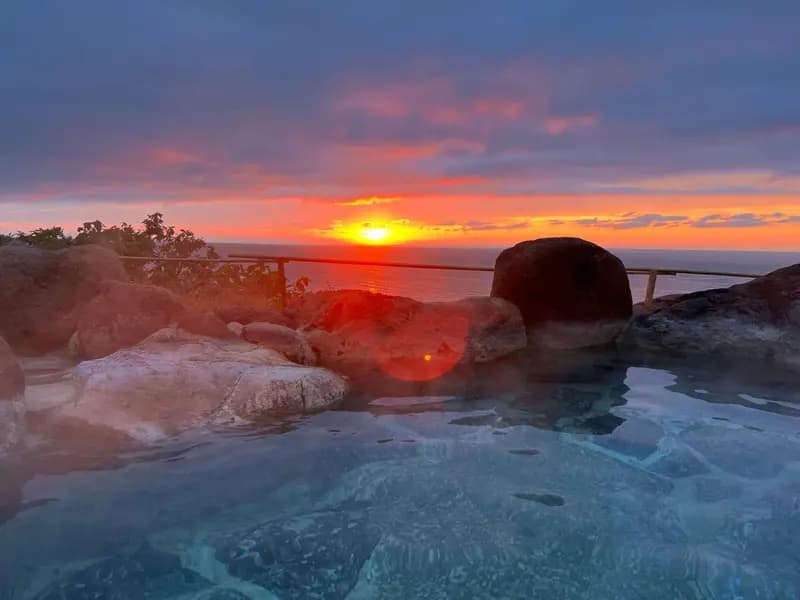
To help divers recover after cold winter dives, the centre provides an 'eco bath' for warming up. The facility also includes four shower rooms and a kitchen for communal use.
Cape Kamui is a premier site for experienced divers, offering depths between 18 and 32 metres. The area is known for fast currents and high fish density, with large greenlings and striped greenlings inhabiting the ditches.
Bamboo Shoot Rock provides a varied experience with depths reaching 24 metres. It features a calm cove at 2 metres depth for protection from waves, and the descent leads to hidden roots and caves.
Hidden Root of the Warship (East and West) are intermediate to advanced sites reaching depths of 28 metres. These spots are famous for the spectacular Atka mackerel columns seen in the latter half of October.
And some of the dive sites the centre runs.
The marine life in this region is exceptionally diverse, driven by the volcanic landscape. You will find a variety of rockfish, including fox rockfish, reticulated rockfish, and Japanese rockfish, alongside greenling and striped greenling species. The rocky terrain is also home to various species of snailfish and sculpin.
Macro life and smaller residents include the North Pacific Giant Octopus, blue crab, and various species of octopus. For those interested in smaller creatures, look for the oarfish goby, woolly deer, and various types of bladder snails.
Seasonal encounters are a highlight for many divers. Between October and December, you can witness the spawning of Atka mackerel and greenling, as well as large columns of Atka mackerel. From June to September, divers may encounter flounder and Japanese common squid, while Dall's porpoises and beaked whales are present from June to September.
Diving in this area requires awareness of varying current strengths. While many sites like Hasegawa Island and Takeda Island experience weak currents, more advanced sites such as Cape Kamui and the 'tech point' are subject to strong currents.
The coastline offers a mix of environments, from calm coves that protect against waves to open capes where the water moves rapidly. Divers should plan their trips according to their experience level and the specific characteristics of the chosen site.
Hello, I'm Marina, DivingDeal.com's AI assistant. I answer in detail about hotels, dive centres and liveaboards.

Thinking about the whole trip and the flights? Talk it over with Edith →
Marina is an AI. Some links are affiliate links: DivingDeal may earn a commission, at no extra cost to you. Bookings are made with the partner.