
Koganezaki Dive Center
Google 4.6/5 (128 reviews)
Japan · Asia
Osezaki’s sheltered Wan-nai bay, seaward outer reefs, manta rays and organised night dives define Numazu’s practical Suruga Bay day-diving base.
For subtitles in English: start the video firstthen click the gearat the top right of the video, select “Subtitles/CC”, then “Auto-translate” and choose “English”.
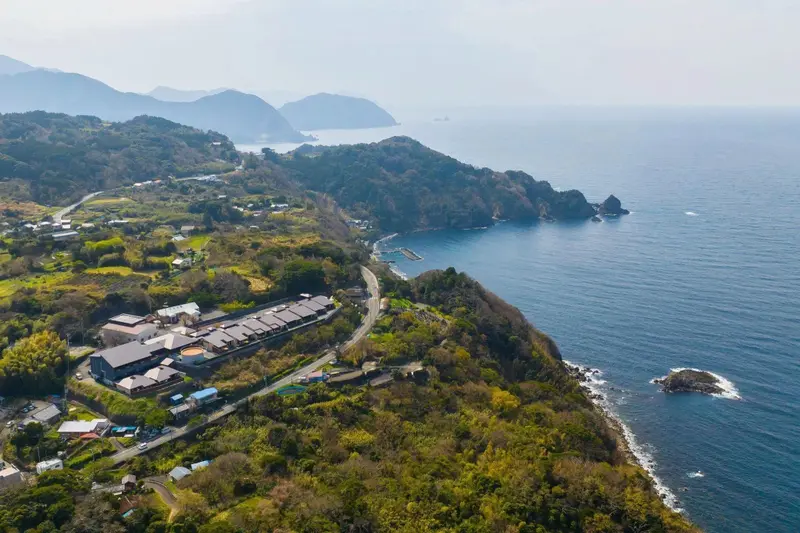
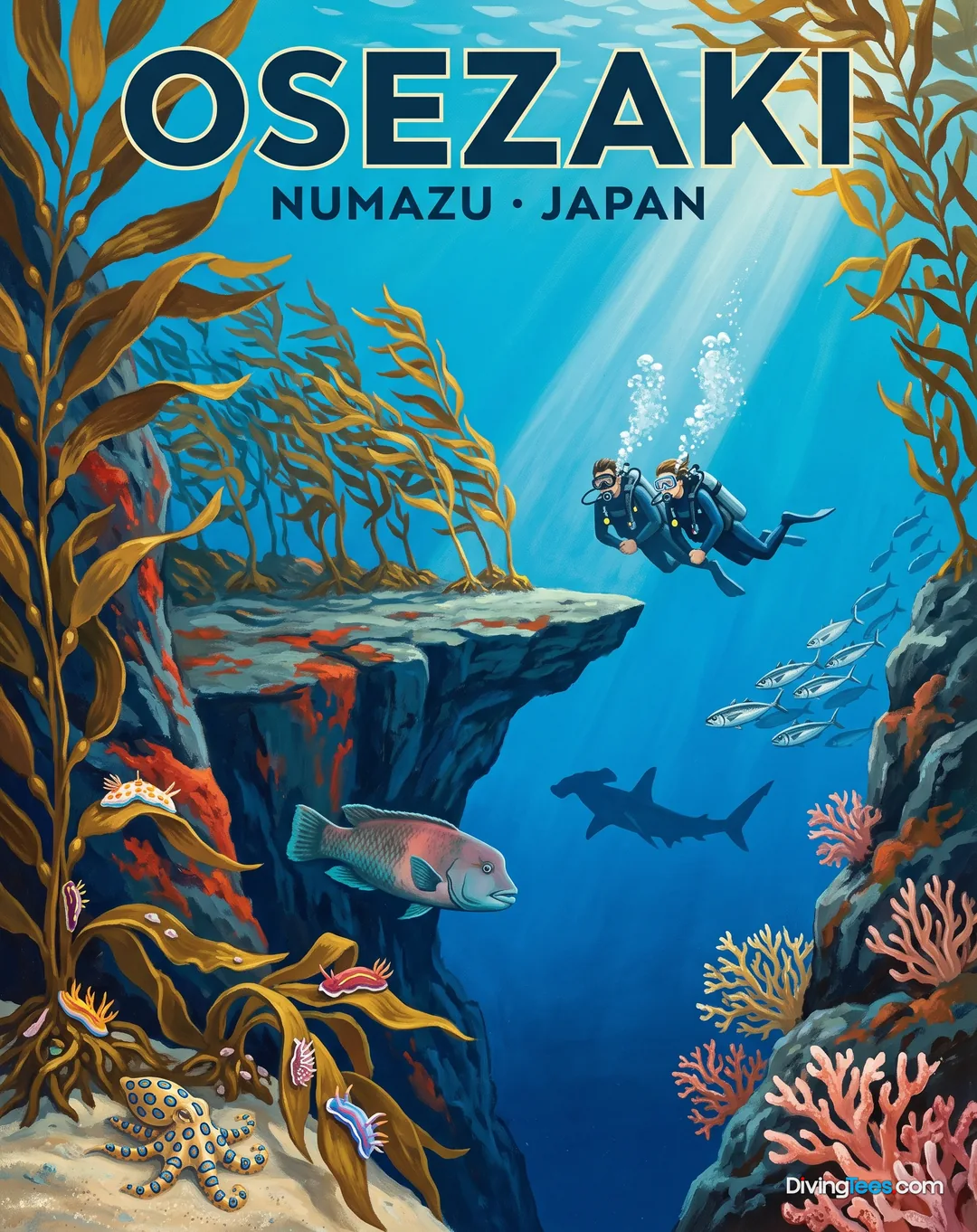
Osezaki’s Wan-nai bay gives Numazu its clearest underwater starting point: sheltered water where an Open Water diver can settle into the basics before moving towards more exposed outer reefs. Beyond that single named site, Numazu works as a land-based base for day trips around northern Izu and the Suruga Bay coast. It is not a liveaboard destination or one enclosed marine park, but a practical Japanese coastal area where shore dives and short boat outings can be combined.
The diving changes noticeably between Osezaki’s inner Wan-nai bay and its outer reef sites. Inside the bay, shelter from wind and waves makes the water suitable for training and straightforward recreational dives. On the seaward side, the reef is more exposed, and current can become part of the dive rather than a minor detail. That gives experienced divers a more open-water alternative without requiring every outing to be demanding. Around Numazu, the pattern is one of local coastal dives and short boat trips, with conditions varying from one sector of the Suruga Bay and northern Izu coastline to another. Planning therefore works better with a reserve site than with a rigid daily programme. Night diving is also available on particular organised days, adding a different way to read the same coastal terrain.
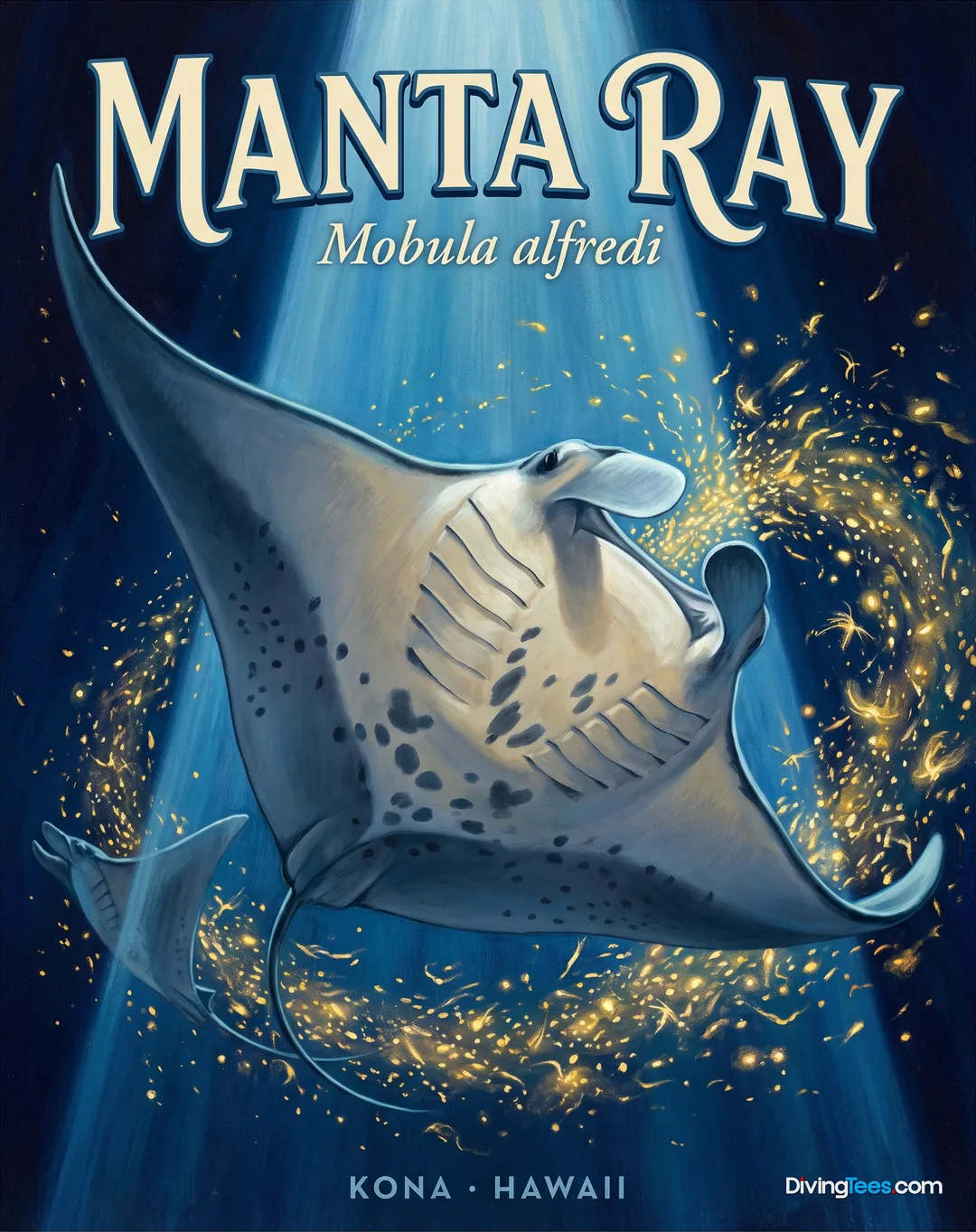
Osezaki’s outer reef is associated with encounters with manta rays, which are one of the site’s stronger reasons for experienced divers to look beyond the sheltered bay. The description of the site presents them as a consistent draw, but does not attach them to a particular month; they are better treated as part of Osezaki’s character than as a guaranteed seasonal appointment. Inside Wan-nai, the emphasis is on manageable water and the small details noticed during training or relaxed reef dives. On selected organised night-diving days, the same area takes on a nocturnal character, with divers searching the reef after dark rather than simply repeating the daytime route.
The measured favourable period runs from June through November. That is the most useful window for planning a Numazu diving stay because it reflects the recorded pattern for the destination rather than a generic Japanese travel season. November is also significant for land-based planning, as rainfall is measured at its lowest from November to February, although that does not turn every dive site into a calm-water option. Since wind, exposure and current can differ between Wan-nai, Osezaki’s outer reefs and neighbouring sectors, a flexible itinerary remains sensible even within the preferred months.
Numazu suits a broad range of experience. Open Water divers, whether certified through PADI, SSI or BSAC, can use the sheltered Wan-nai bay, while the outer reefs deserve more confidence in exposed water and moving current. An Advanced qualification is useful when the plan includes more exposed local sites, and Nitrox can be worthwhile for divers arranging repeated day dives. The deciding factor is less the destination label than the site chosen that day and the conditions on the seaward side.
From London or Manchester, Numazu is reached through Japan’s major transport network rather than by a dedicated European diving connection. The practical pattern is to arrive at a major Japanese rail hub, continue by train to Numazu, then use road transport to reach local dive centres and launch points. There is no structurally compulsory sea crossing for the Numazu area itself. Once in the city, the diving is organised as local day outings, so the final transfer by road matters more than arranging a liveaboard embarkation. Travellers should allow enough flexibility for the train-to-road change and confirm whether each planned dive leaves from the shore or from a nearby boat departure point.
Treat Numazu as a regional diving base, not as one single site with one standard plan. Before each outing, confirm whether the dive leaves directly from the shore or involves a boat, because the transfer pattern changes with the sector. Keep a fallback day or alternative site available: the Suruga Bay coast and northern Izu can offer different conditions close to one another, and a fixed sequence is less useful than room to move. Osezaki is a sensible first water, with Wan-nai for a measured start and the outer reef reserved for days when exposure and current suit the group. Do not build the trip around a liveaboard-style schedule; the area is designed around returning to land after local dives. If night diving is a priority, check the organised dates before fixing the rest of the itinerary, rather than assuming it runs whenever requested.
A Numazu stay is built around repeated day trips from a land base, with dives arranged between the city, northern Izu and local points along Suruga Bay. That makes it easier to combine diving with a day away from the water, a coastal walk or an excursion into the Izu Peninsula. It also works reasonably well for a non-diving companion, since Numazu is an active coastal city rather than a resort devoted solely to divers.
Hello, I'm Marina, DivingDeal.com's AI assistant. I guide you through destinations, areas and countries.
Thinking about the whole trip and the flights? Talk it over with Edith →
Marina is an AI. Some links are affiliate links: DivingDeal may earn a commission, at no extra cost to you. Bookings are made with the partner.
Your last day stays dry: no diving in the 18-24 hours before a flight, the perfect window to see the destination from another angle.
 Culture
⏱ 8 h
from £571$764€682
see on Viator ↗
 Nature
⏱ 6 h · ★ 5.0 (71 reviews)
from £366$489€437
see on Viator ↗
 Culture
⏱ 2 h · ★ 5.0 (23 reviews)
from £63$85€76
see on Viator ↗
 Nature
⏱ 1 h · ★ 5.0 (8 reviews)
from £107$143€128
see on Viator ↗
Ratings and reviews collected by Viator and Tripadvisor.
June through November is Numazu’s measured favourable diving window. November also has the lowest measured rainfall, although weather does not make every site calm. Conditions can differ between sheltered Wan-nai bay, Osezaki’s exposed outer reefs and neighbouring coastline, so keep your itinerary flexible even during the preferred months.
Numazu suits a broad range of divers. Open Water divers can begin in Osezaki’s sheltered Wan-nai bay, where conditions support training and straightforward recreational dives. More exposed outer reefs bring changing exposure and current, so greater confidence is appropriate there. An Advanced qualification is useful for those sites, while Nitrox can help with repeated day diving.
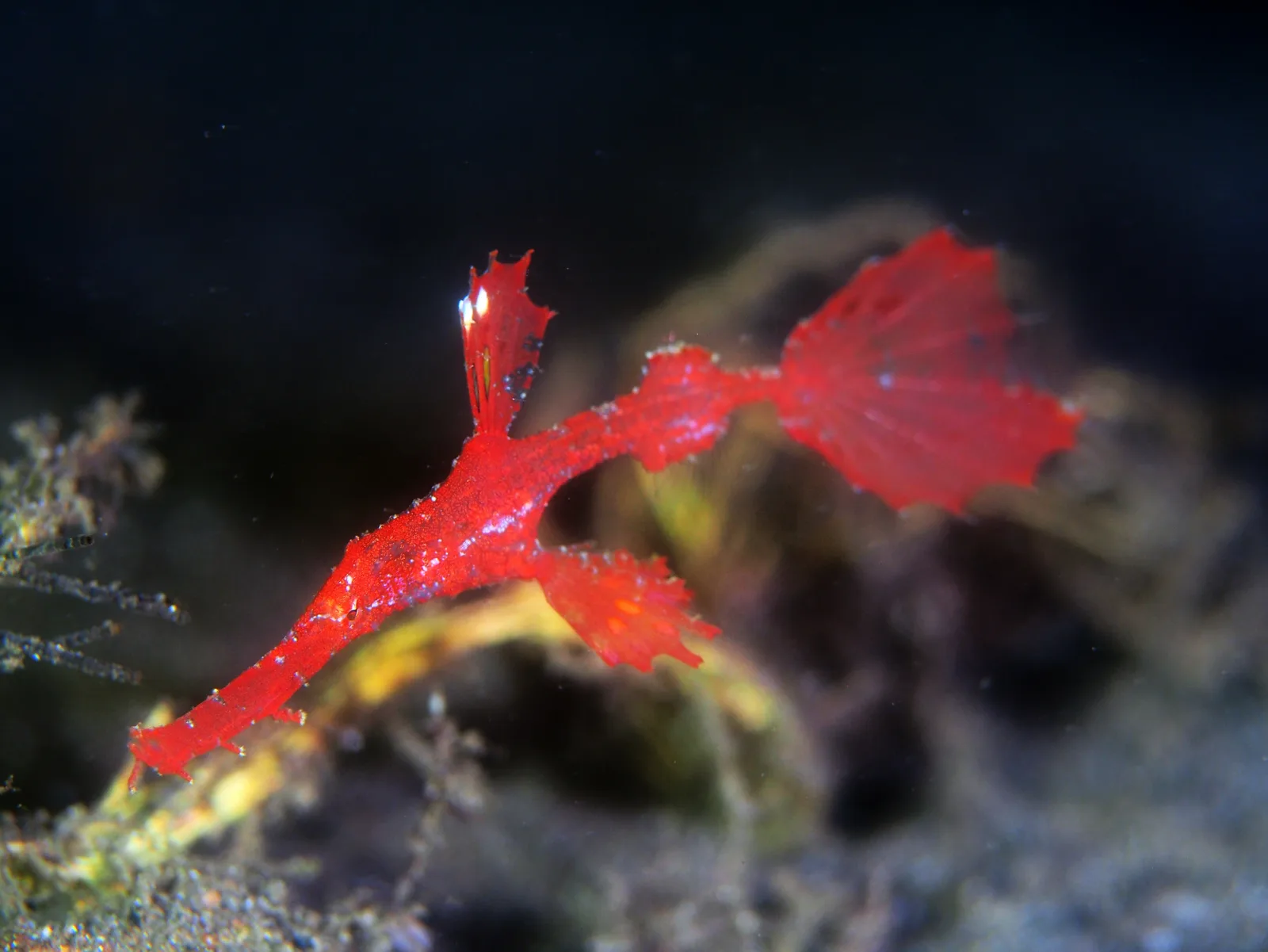
Numazu offers sheltered coastal dives, exposed outer reefs and different views of the Suruga Bay coastline. Osezaki’s outer reef is associated with manta rays, although encounters are not tied to a particular month or guaranteed. In Wan-nai bay, you can focus on manageable water and small reef details, while organised night dives reveal the terrain after dark.
Use Numazu as a land-based regional diving base, combining local shore dives with short boat outings around northern Izu and Suruga Bay. Confirm each departure point, keep an alternative site or day available, and check organised night-diving dates in advance. The area is arranged around returning to land, not a liveaboard schedule, and can suit non-diving companions.