
Dive St Helena
★ 5/5 (4 reviews)
less than 1 km away as the crow flies
Saint Helena · St. Helena · Atlantic
Max. depth · 12 mExplore the skeletal remains of the SS Papanui, a shallow wreck in James Bay that transforms into a vibrant macro habitat, especially after sunset.
For subtitles in English: start the video firstthen click the gearat the top right of the video, select “Subtitles/CC”, then “Auto-translate” and choose “English”.
The Papanui wreck lies close to the shore in James Bay, offering a unique opportunity to explore a piece of history within a comfortable depth range of 6 to 12 metres. As you descend, the clear water illuminates the ship's skeleton, revealing large sections still visible. On calm, sunny days, the outline of the wreck can even be seen from Ladder Hill above Jamestown, highlighting its shallow and accessible nature. This proximity to the shore allows for unhurried exploration, inviting multiple visits to uncover its many secrets.
During the day, the Papanui slowly reveals its past, with each beam and plate now serving as an artificial reef. You can navigate through its decaying sections, imagining the vessel in its prime while observing the marine inhabitants that have claimed it as their home. The conditions around the structure are generally calm, allowing for careful inspection of crevices and shadowed areas where smaller marine life tends to congregate. The surrounding bottom is gentle, with nearby reefs and inshore boulders that can be included in an extended dive profile.
As daylight fades, the Papanui undergoes a profound transformation, becoming a vibrant ecosystem. During a night dive, the wreck's resident creatures emerge from their daytime hiding spots, creating a dynamic and engaging environment. Your torchlight reveals a different array of life, with numerous small organisms becoming active, showcasing behaviours rarely seen in the bright sun. This shift in the site's character between day and night diving truly sets the Papanui apart from many other shallow wreck experiences.
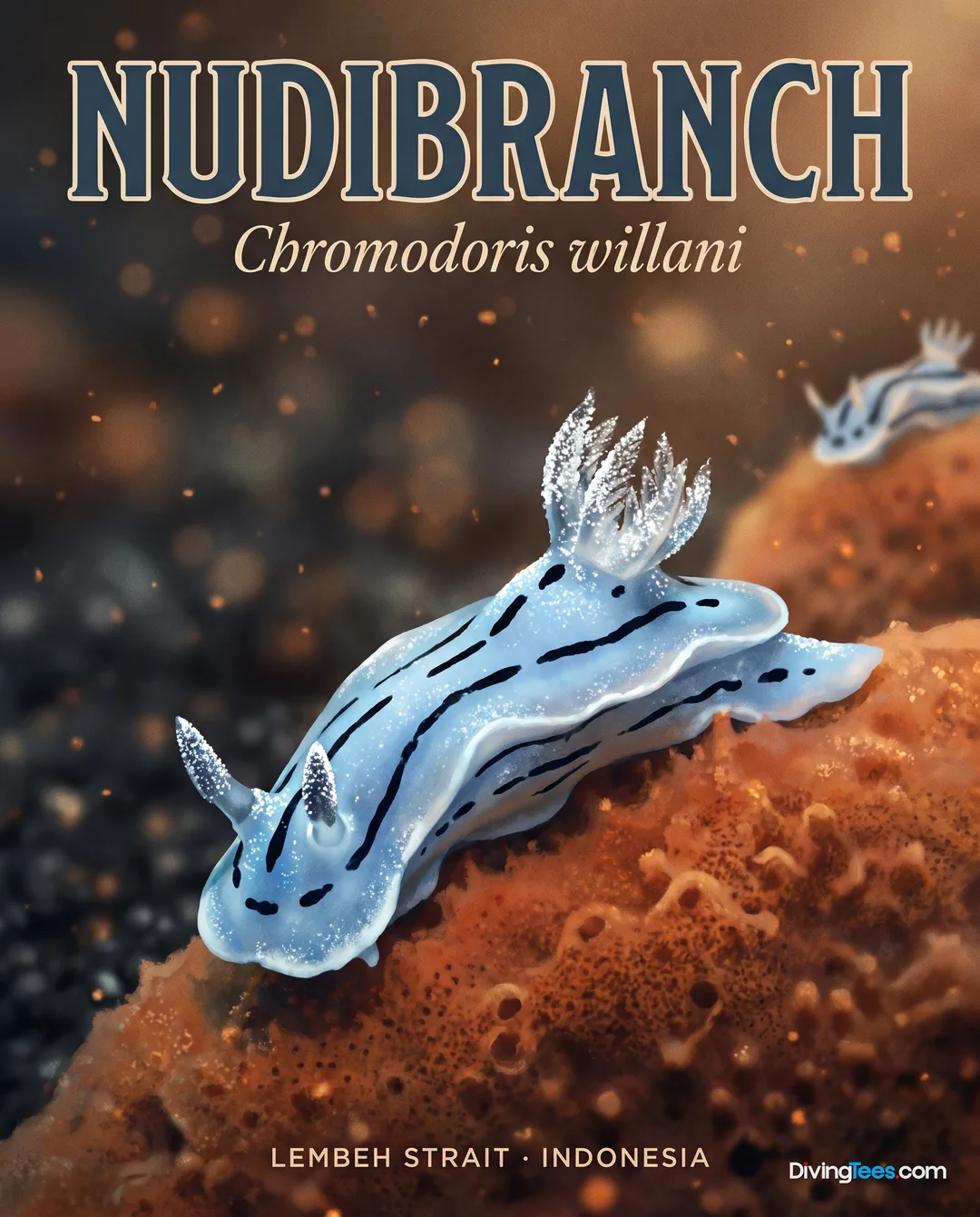
The sheer density of small creatures makes the Papanui particularly compelling for night diving enthusiasts and macro photographers. You find yourself moving slowly, your beam sweeping across surfaces, picking out the subtle movements and iridescent colours that come alive in the dark. Among the resident fauna, you can expect to encounter slipper lobsters, crayfish, and octopus, often found tucked into the wreck's structure. Nudibranchs are also present, adding to the macro diversity.
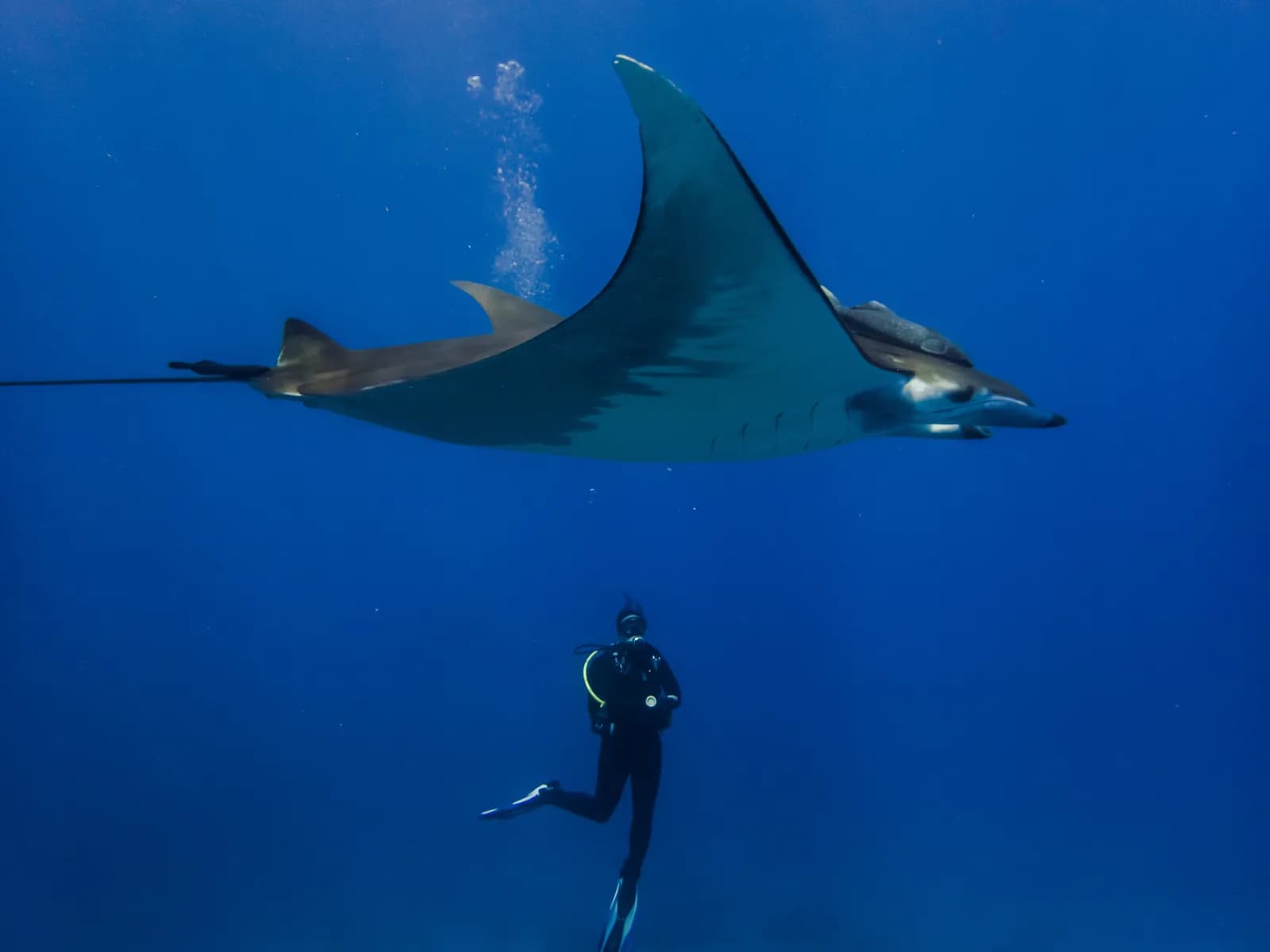
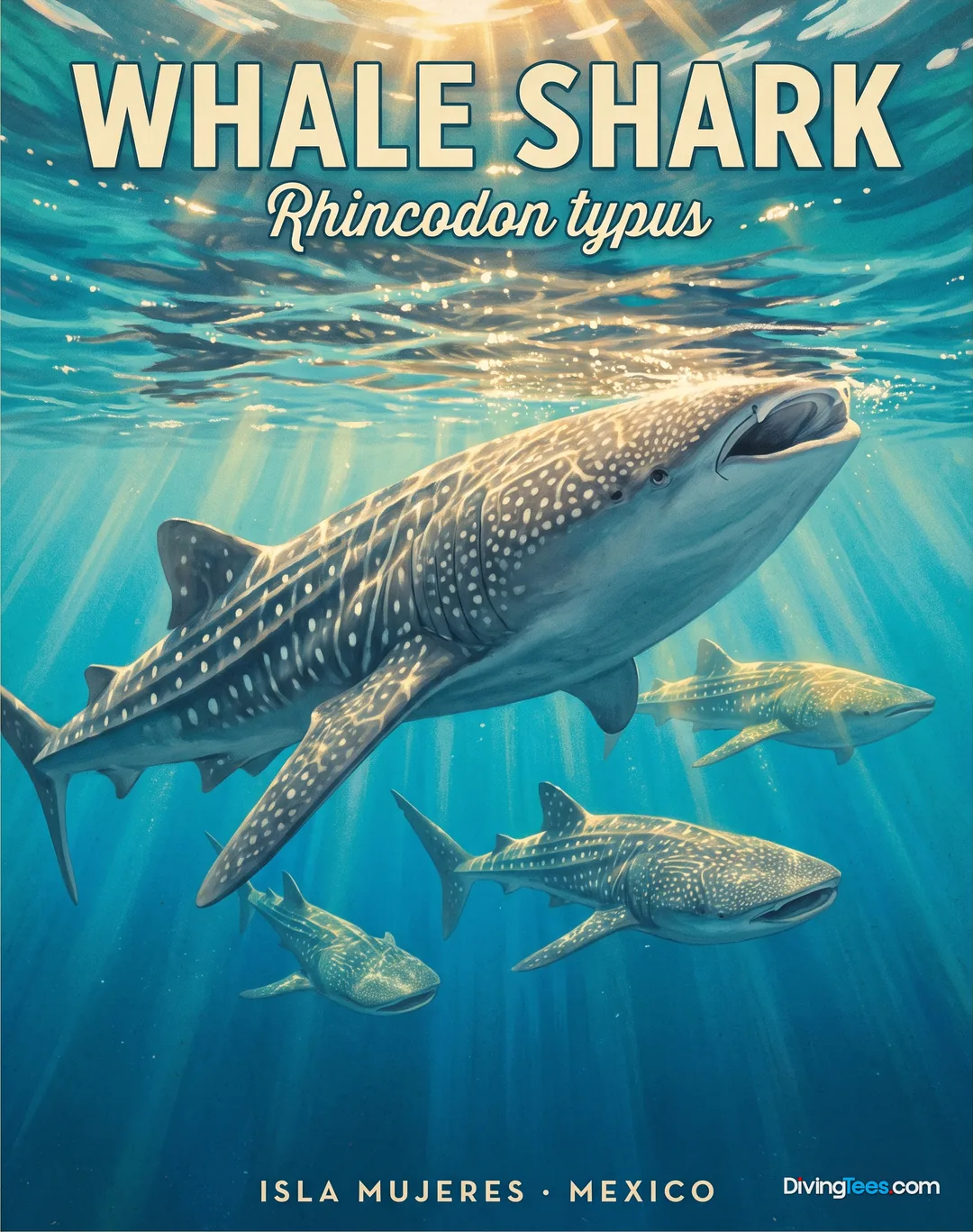
While primarily a macro site, the Papanui also attracts larger pelagic species that occasionally cruise by. Grouper and tuna are sometimes sighted, moving through the clearer waters surrounding the wreck. On rare occasions, whale sharks have been observed in the vicinity, adding an element of surprise to the dive. The presence of these larger species, alongside the abundant smaller life, contributes to the site's rich biodiversity.
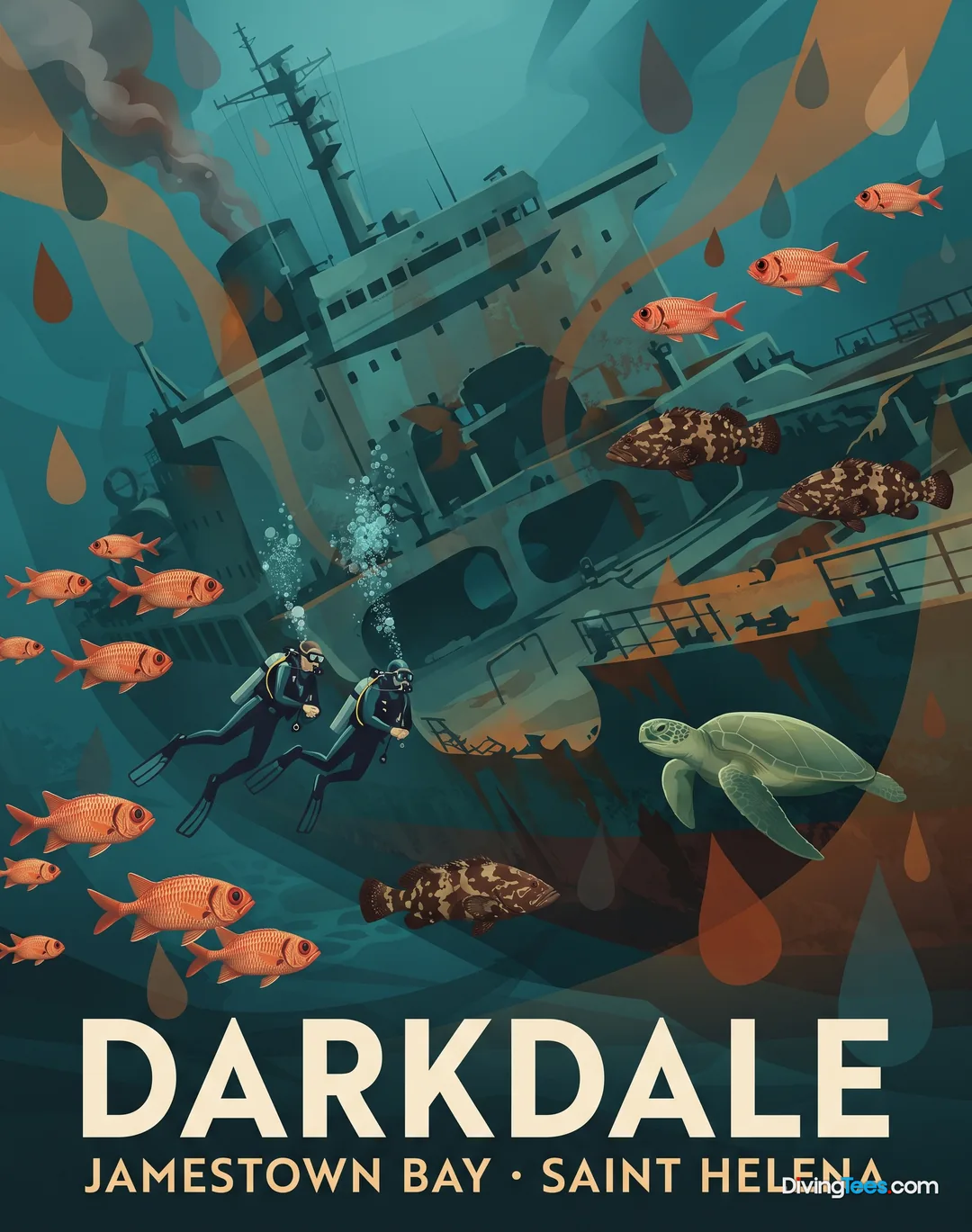
The SS Papanui was a steam passenger ship that caught fire en route from the UK to Australia and sank in James Bay in 1911. All 364 passengers and crew were rescued and cared for on the island, making it a historically significant and well-documented wreck. The site is protected, with strict rules on wreck penetration and the removal of artefacts, ensuring its preservation for future divers. Diving here requires a local guide, who can provide insights into its history and point out specific features.
The sheltered nature of James Bay means that currents are typically light, making the site accessible for most divers. However, surface conditions can be affected by swell and rough seas due to its proximity to shore, so checking local conditions before entering the water is always advisable. The generally exceptional visibility, ranging from 15 to 25 metres, allows for clear views of the wreck and its inhabitants, enhancing the overall dive experience.
Dive depths at the Papanui range from a minimum of 6 metres to a maximum of 12 metres. The site is accessible from Open Water Diver level and is suitable for novice divers. Currents are typically light due to the sheltered nature of James Bay, making for relaxed exploration. Visibility generally ranges between 15 and 25 metres. Diving is possible year-round, with water temperatures between 19 and 26°C.