Diving in the Atlantic: where current meets character
United Kingdom is lightly visited, whereas Canary Islands are heavily visited, making crowd tolerance part of choosing an Atlantic dive base.
What makes this area unique
- Sea turtle encounters share the water with Moray eel
- Drift dives meet variable current and demand careful briefings
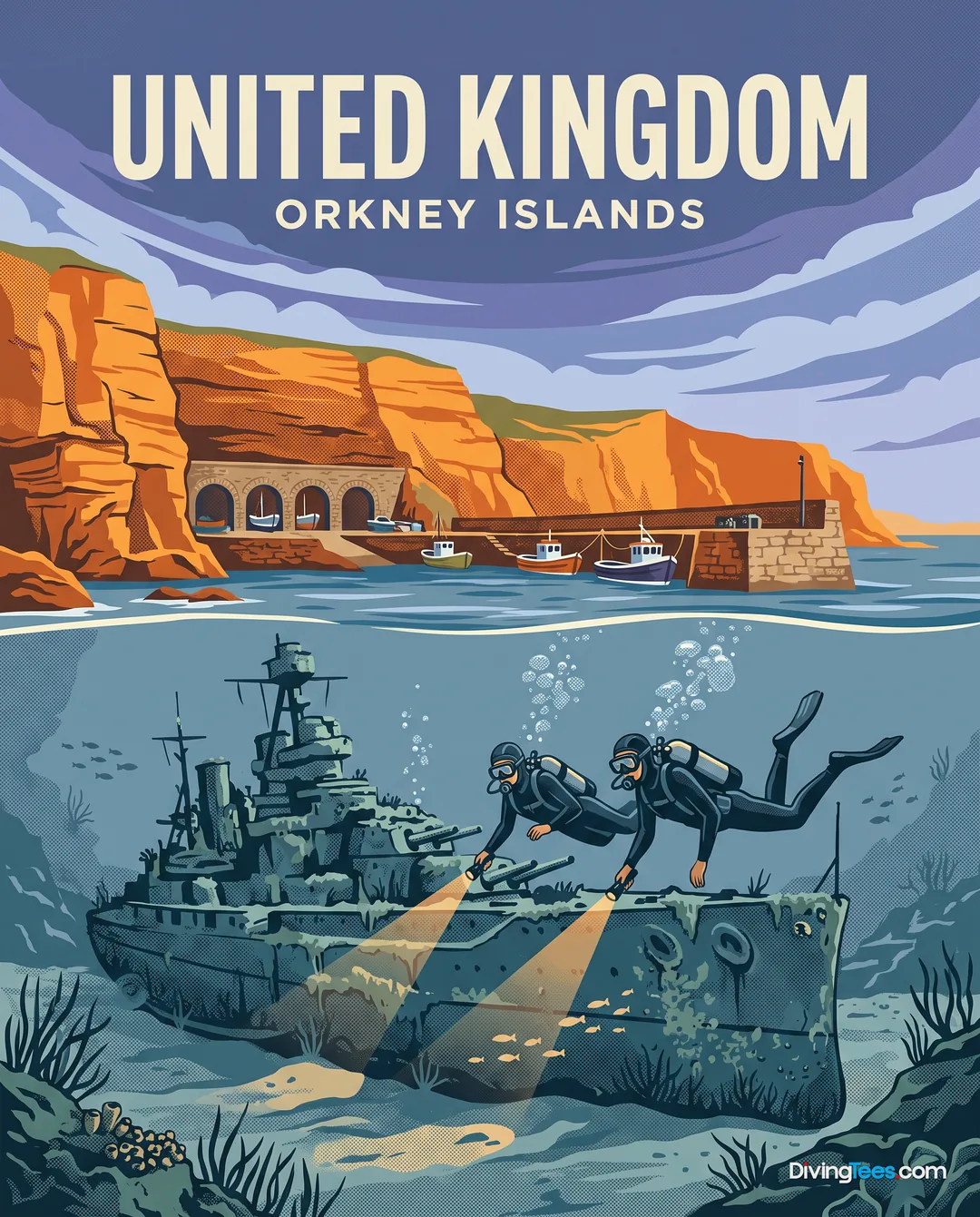
- Scapa Flow brings wreck diving into the regional choice
- No liveaboard option: plan around boat and shore diving
- Azores are moderately visited; Canary Islands are heavily visited
- Open to all levels, with uneven reef and variable current
This region for a diver
The Atlantic region is defined less by one signature animal than by a practical pattern: moderate prices, boat and shore diving, no liveaboards, uneven reef and variable current. That combination keeps the countries open to all levels, yet it does not make every site undemanding. A diver may move from a shore entry to a boat plan, then adjust for current and reef contact rather than follow a single holiday formula. The region also avoids a one-style expectation: wrecks, walls, macro-sized encounters and drift dives sit within the same choice. For a European diver travelling once or twice a year, that breadth matters because the decision is about matching appetite and tolerance, not chasing a uniform resort experience.
What you come to see
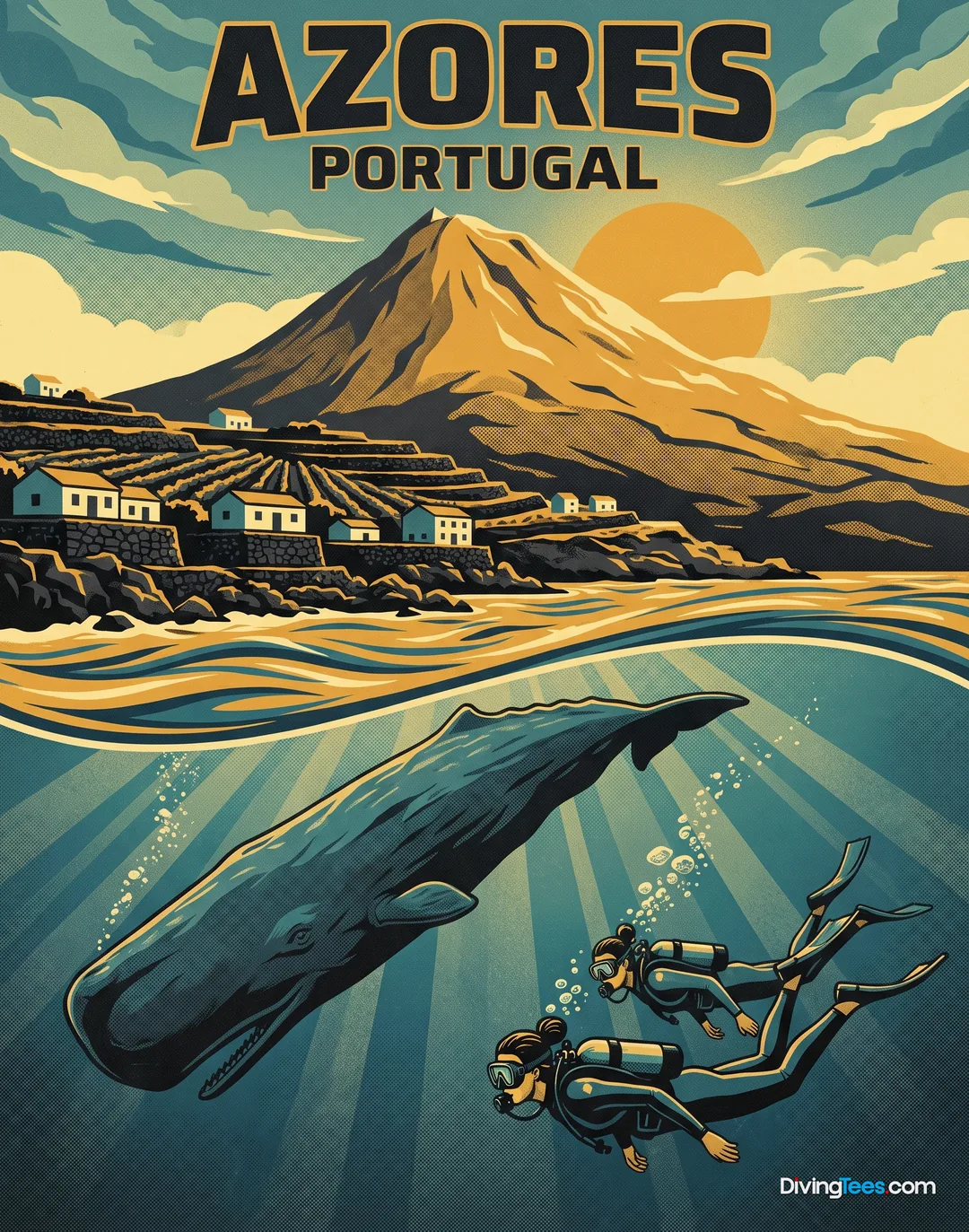
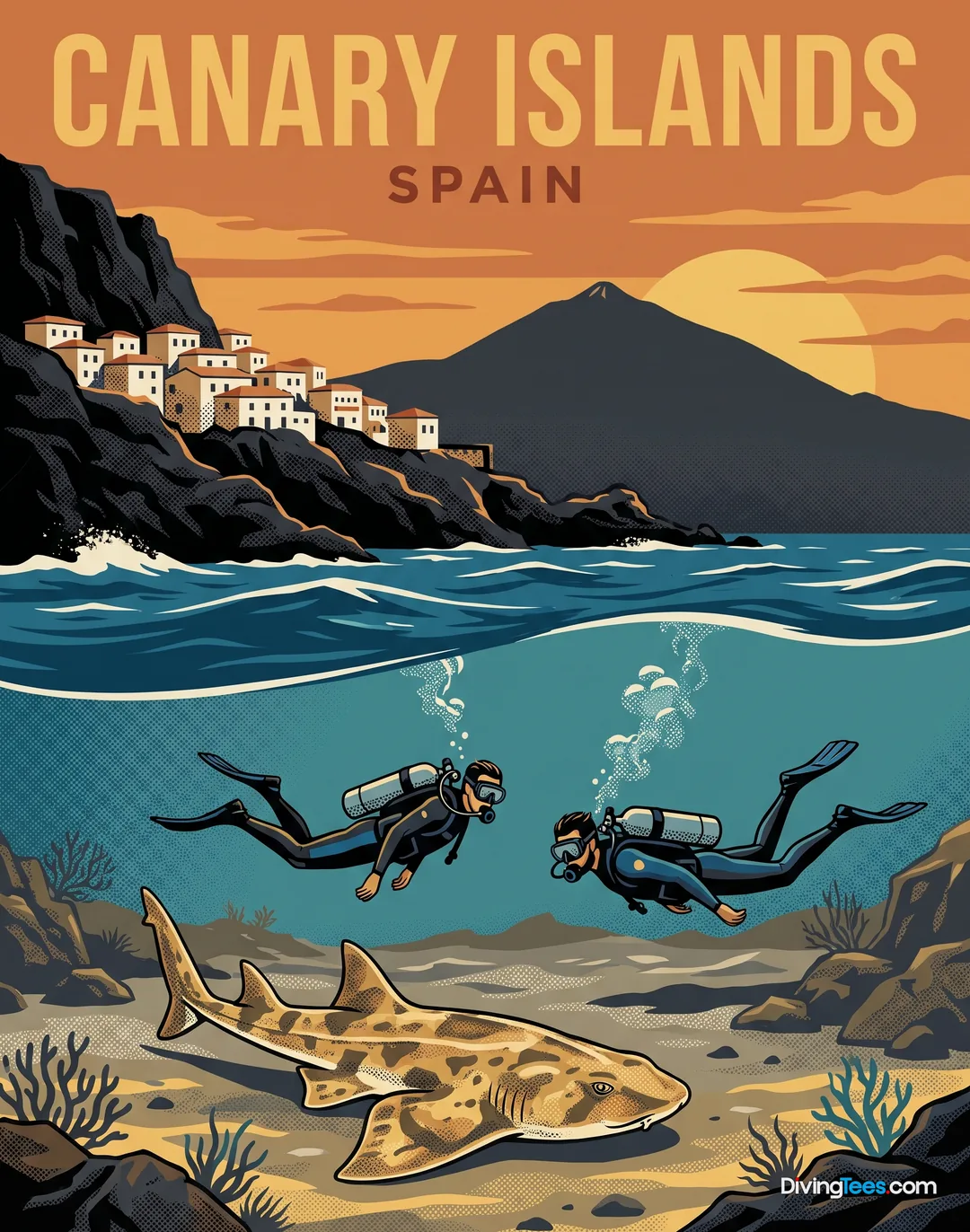
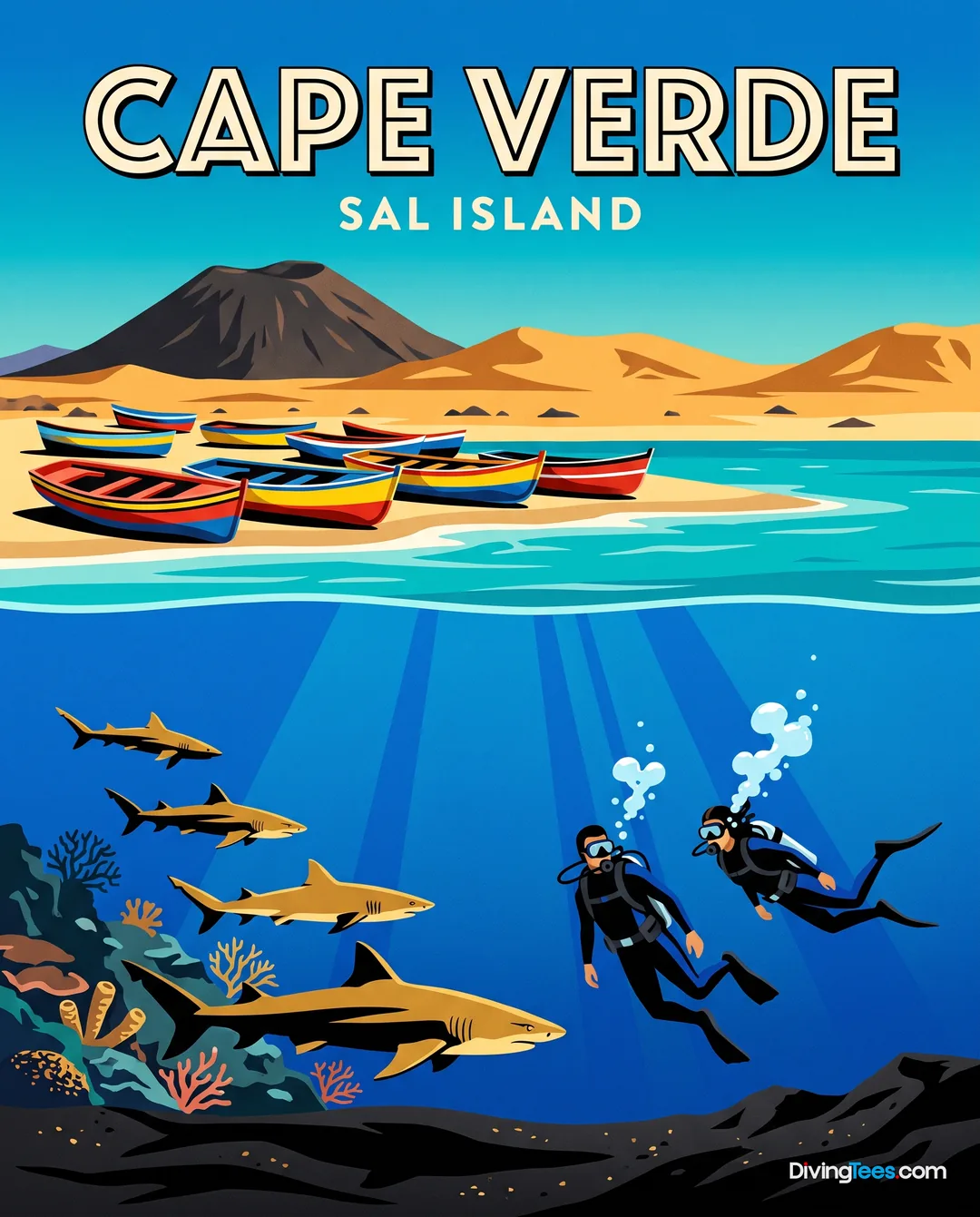
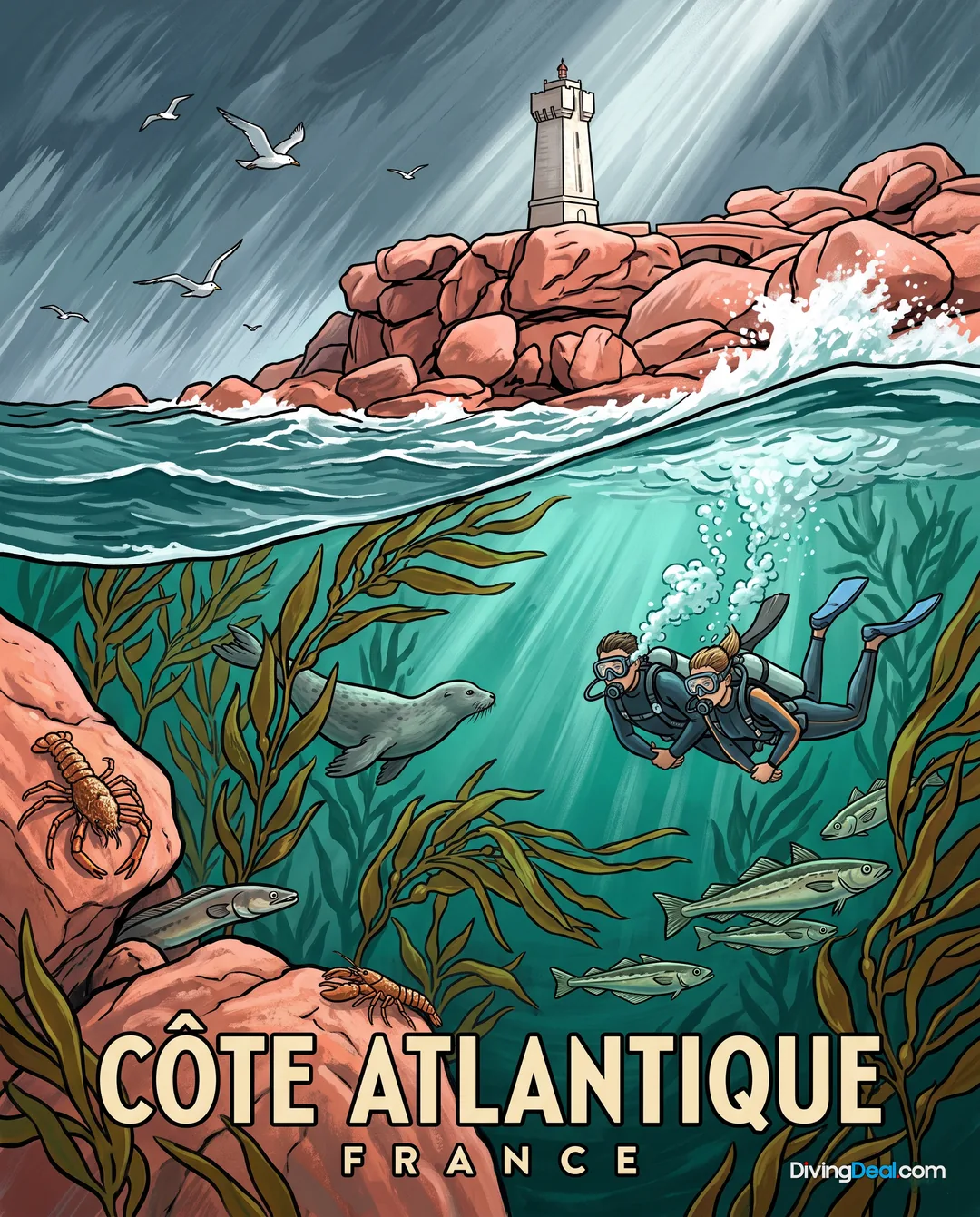
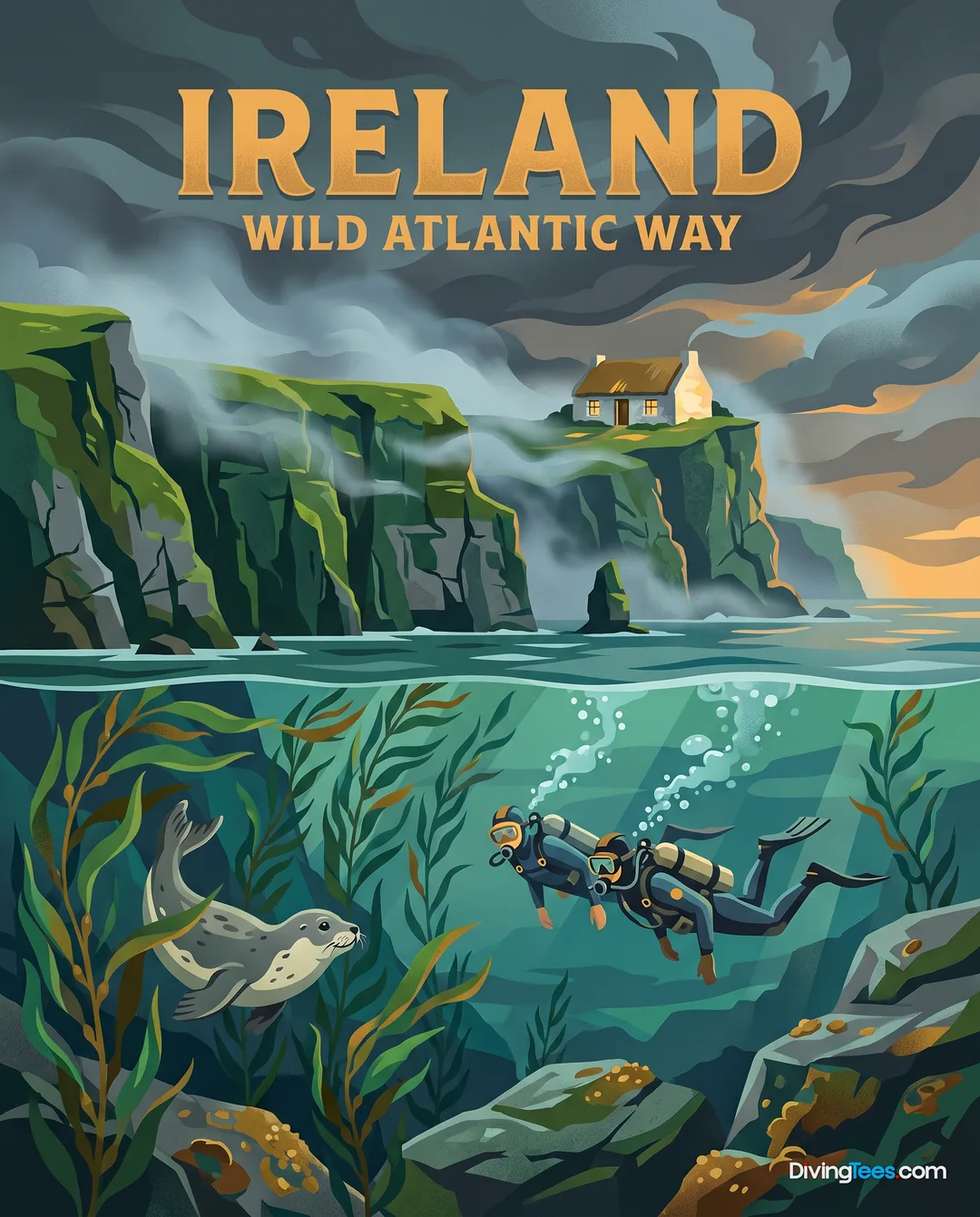
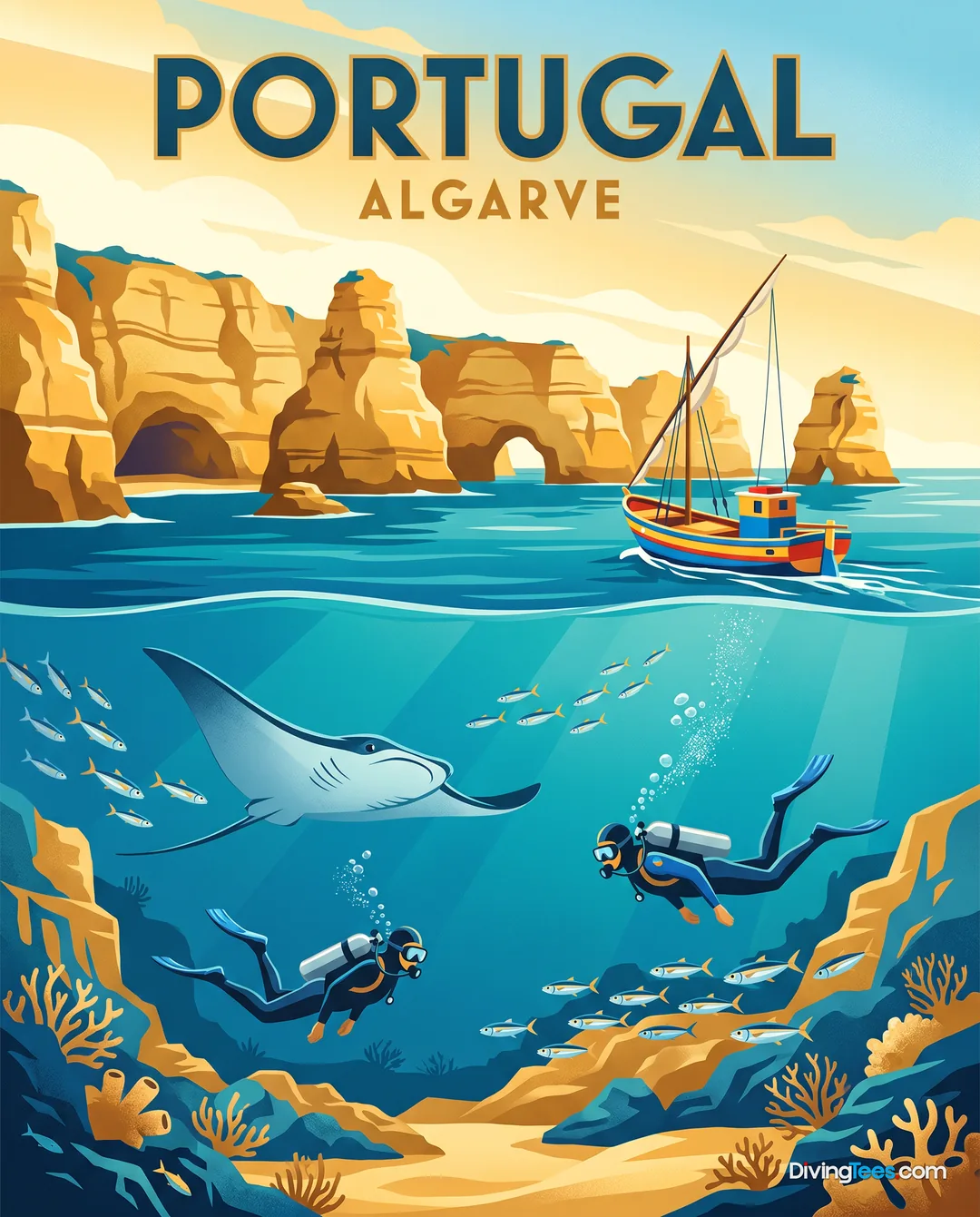
Wildlife is not a matter of choosing between a reef trip and a wreck trip here: the shared cast follows the terrain and the way the dive is run. Nudibranch, Moray eel, Gilt-head bream, Great barracuda, Grouper and Sea turtle belong to the region-wide expectation, but they do not make the countries interchangeable. On uneven reef, a diver may meet the smaller detail of a Nudibranch or the slower presence of a Moray eel; around more open reef, Great barracuda, Grouper and Sea turtle change the scale of the encounter. The useful distinctions are the signatures. United Kingdom is the place for Grey seal, France for Conger, Canary Islands for Sardine, and Cape Verde for Grey reef shark. Those names alter the reason for choosing one country over another. Shared species keep a familiar thread, while these country markers give the itinerary its point.
Which one to choose
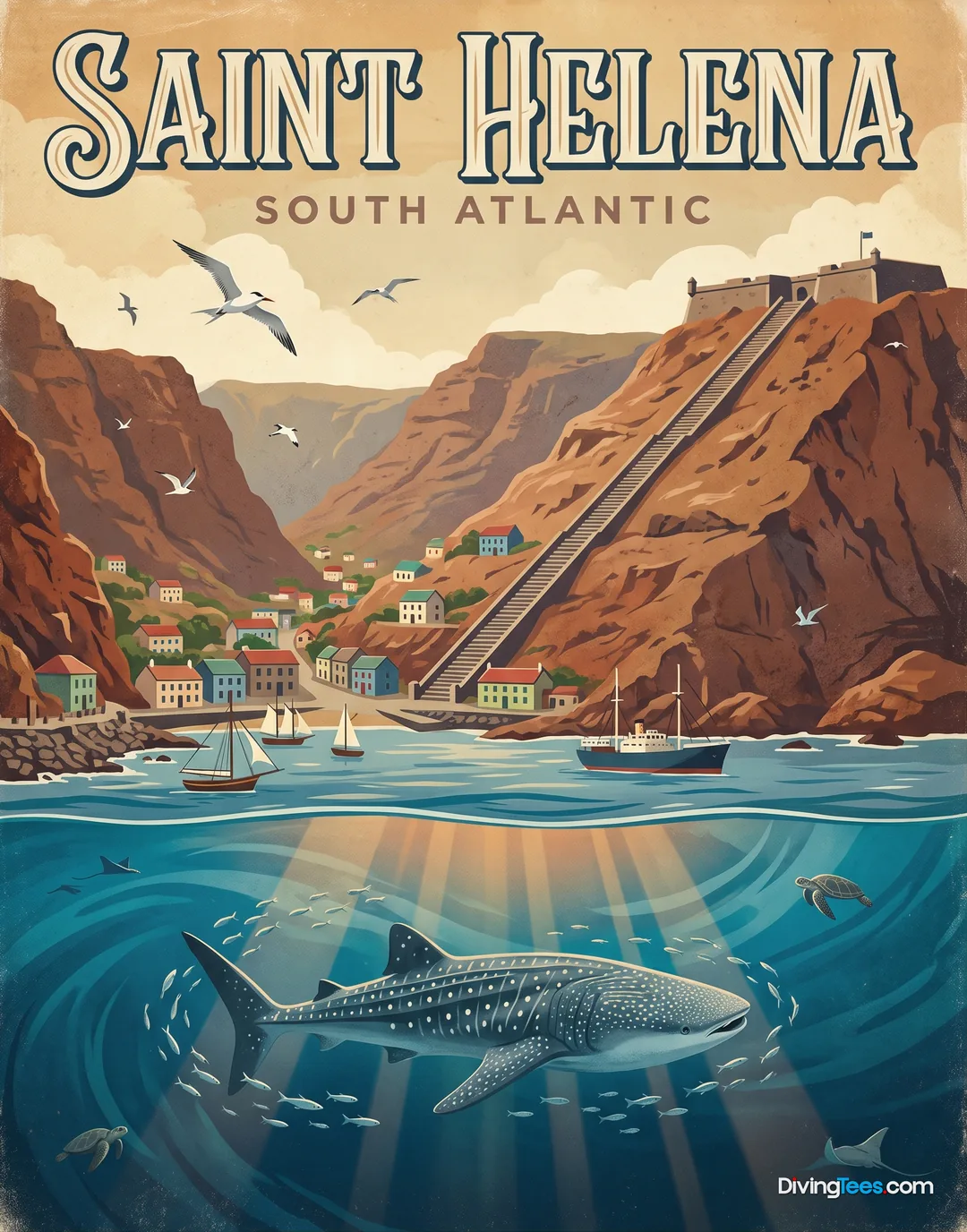
Start with crowding. United Kingdom suits divers who value lightly visited diving, while Canary Islands are heavily visited; Azores sit between those pressures as a moderately visited choice. Price is less useful as a separator because moderate prices apply across the region. Nor is a liveaboard the deciding factor: there is no liveaboard option, so the choice remains between boat and shore programmes. Current is variable everywhere, making briefing quality, buoyancy and comfort with a downcurrent more important than assuming one country is consistently easier. Pick by diving emphasis as well: Scapa Flow brings wreck interest, while the country signatures in France, Canary Islands and Cape Verde may matter more than reef uniformity. The region is open to all levels, but uneven reef and current still reward honest self-assessment. Season only tips the balance when timing is fixed: United Kingdom peaks in April, Azores, Canary Islands and Portugal in May, Cape Verde in July, and St. Helena in January.
What the whole region shares
Across the region, boat and shore diving sit side by side, with no liveaboard option to remove the need for a daily plan. Uneven reef and variable current make the briefing part of the dive, whether the response is a drift dive, a controlled descent or a careful safety stop. Nitrox can suit repetitive profiles, while buoyancy and contact with the reef matter more than certification labels; the diving remains open to all levels when site choice is honest. The shared wildlife thread runs through Nudibranch, Moray eel, Gilt-head bream, Great barracuda, Grouper and Sea turtle. Operators, weather margins and a spare day deserve attention, and monsoon or rainy season language belongs in the planning conversation. Atlantic diving keeps that mixture visible from Princessa Alice to Diamond Rocks.