
Ax-Factor Dive
Google 4.9/5 (35 reviews)
Tonga · Pacific
Sea caves, coral gardens, wrecks and humpback whales shape boat diving from Neiafu, with clear water and sheltered channels between the islands.
For subtitles in English: start the video firstthen click the gearat the top right of the video, select “Subtitles/CC”, then “Auto-translate” and choose “English”.
Mariner’s Cave gives Vavaʻu one of its defining underwater experiences: a descent into darkness through a submerged tunnel, guided by the shape of the rock and a torch beam. Around Neiafu, boats reach coral gardens, walls, caverns and wrecks scattered through an island archipelago. This is a place for divers who enjoy changing scenery rather than a single repeated reef, with the bonus of whale activity above water from June to November.
Vavaʻu’s diving is predominantly boat-based, with the archipelago providing sheltered routes between islands and more exposed outings when conditions allow. Coral gardens sit alongside drop-offs, caverns and wrecks, so a day can move from open reef scenery to the confined passage at Mariner’s Cave or the atmospheric space of Swallows Cave. Currents vary with the channels and individual sites. Some dives may be calm and straightforward, while others need a controlled descent, good positioning and attention to the guide’s plan. The 25 to 40 metre visibility usually gives walls and reef contours plenty of definition, although rain, runoff and swell can reduce it. Expect several dives grouped into boat days, with the programme adjusted towards more sheltered sites when wind or sea conditions change.
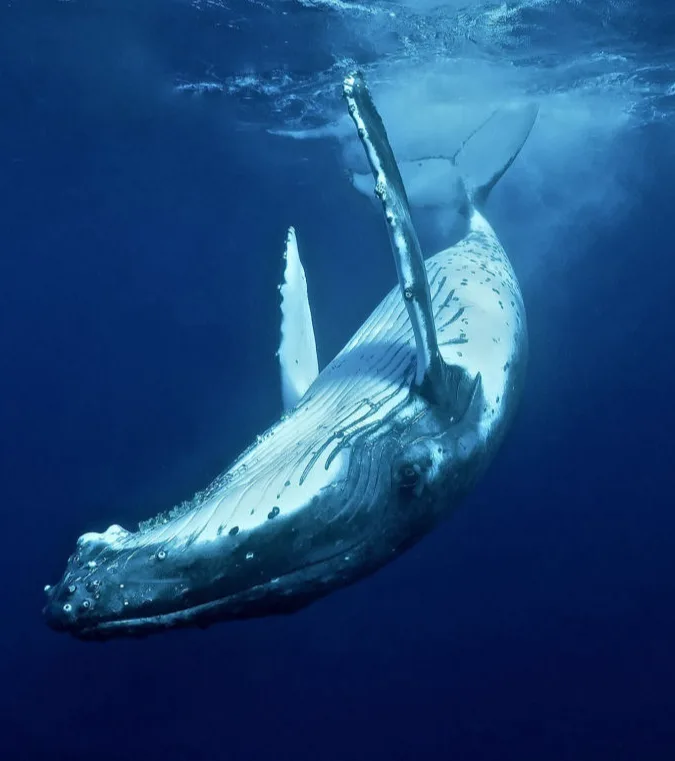
The most distinctive seasonal animal around Vavaʻu is the humpback whale. From June to November, particularly between July and October, whale activity becomes a major part of the island’s marine calendar, but it is normally experienced through guided swimming and observation trips rather than scuba diving with the animals. Underwater, coral gardens and reef structure provide the setting for reef fish, while turtles may appear at different sites throughout the year. The emphasis is on the meeting of terrain and season: clear water over coral, fish life around reef structures, and the possibility of seeing whales during a separate day on the water. Vavaʻu also includes sectors valued for fish biomass, coral communities and breeding aggregations.
May to October is the most dependable period for diving, with May and June offering steadier marine conditions before whale activity reaches its seasonal peak. From July to October, humpback whales add a compelling reason to visit, although some boats and operators switch their attention to whale swimming and may reduce or stop scuba trips. The austral summer, particularly December to March, can be less settled, with rain, runoff and swell affecting visibility and the choice of operators. For repeated dives, a 3 to 5 mm full wetsuit is a sensible starting point, adjusted to personal tolerance.
Vavaʻu can suit beginners on carefully selected, guided reef dives, particularly where the boat reaches sheltered water. Mariner’s Cave and other enclosed passages are a different proposition, requiring comfort in darkness, confined surroundings and a submerged tunnel. Variable currents and deeper walls make Advanced Open Water, or equivalent BSAC, PADI or SSI experience, useful. Nitrox can be worthwhile for repeated boat diving if it is available locally, but the essential preparation is honest matching of cave, wall and current conditions to your experience.
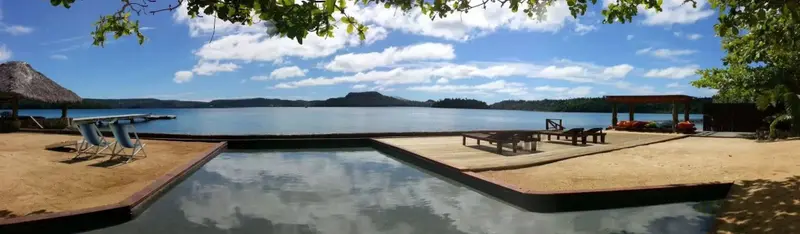
From London Heathrow, Gatwick or Manchester, reach Tongatapu through regional connections, then take the domestic flight to Lupepauʻu Airport on Vavaʻu, a journey of about an hour from Tongatapu. The alternative is a ferry from Nukuʻalofa, generally overnight and taking roughly 16 to 23 hours, sometimes calling at Haʻapai. Either route needs generous connection time: infrequent services can mean an extra night on Tongatapu or Vavaʻu, and a late arrival may miss a boat departure. Once on Vavaʻu, Neiafu is the practical base. Accommodation near the centres may be reached on foot, by taxi or by arranged transfer, while dive sites and some beaches require boats because the archipelago cannot be crossed entirely by road.
Confirm scuba availability before travelling if you are coming between July and October. Whale swimming can take priority, and a centre that normally dives may reduce or suspend its bottle programme during the season. Keep boat days flexible, particularly for outer sites, caves and passages, because wind, swell and currents through the channels can move the plan towards more sheltered water. Bring a reliable torch for the caves, and do not treat Mariner’s Cave as an ordinary open-water swim. Plan the whale excursion separately from diving, since the established activity is guided swimming rather than scuba with the whales. Build in margin at Tongatapu, never a tight international, domestic flight and boat connection. Group your dives into boat days, retain a non-diving day before the flight home, and arrange transport in advance if staying away from Neiafu.
A week to ten days works well for Vavaʻu because the journey is connection-heavy and the diving depends on boats. Base yourself in or near Neiafu, then arrange several boat days around the forecast, mixing coral gardens with caves, walls and wrecks rather than tying the whole stay to one exposed site. Leave time for whale swimming in season, island boat trips, beaches or snorkelling. A final day on land is sensible before flying, especially after repeated outings.
Hello, I'm Marina, DivingDeal.com's AI assistant. I guide you through destinations, areas and countries.
Thinking about the whole trip and the flights? Talk it over with Edith →
Marina is an AI. Some links are affiliate links: DivingDeal may earn a commission, at no extra cost to you. Bookings are made with the partner.
May to October is the most dependable period for diving, with visibility commonly reaching twenty-five to forty metres. Humpback whale activity runs from June to November, especially July to October, but some operators may reduce or suspend scuba trips then. December to March can bring more rain, runoff and swell.
Vava'u can suit beginners on carefully selected, guided reef dives in sheltered water. Mariner’s Cave and other enclosed passages require comfort with darkness, confined spaces and submerged tunnels. Variable currents and deeper walls make Advanced Open Water, or equivalent experience, useful, while every dive should match your abilities to the site.
Boat dives from Neiafu reach coral gardens, drop-offs, walls, caverns and wrecks among sheltered island channels. Mariner’s Cave offers a submerged tunnel passage, while Swallows Cave provides another atmospheric marine cavern. Turtles may appear year-round, and reef structures support fish life. Humpback whales are encountered separately through guided swimming and observation trips.
Use Neiafu as your practical base and arrange several flexible boat days, mixing coral gardens, caves, walls and wrecks. Build generous connection time when travelling through Tongatapu, confirm scuba availability during whale season, and bring a reliable torch for caves. Keep a non-diving day before your flight home.