Diving in the Pacific: the calendar only starts the argument
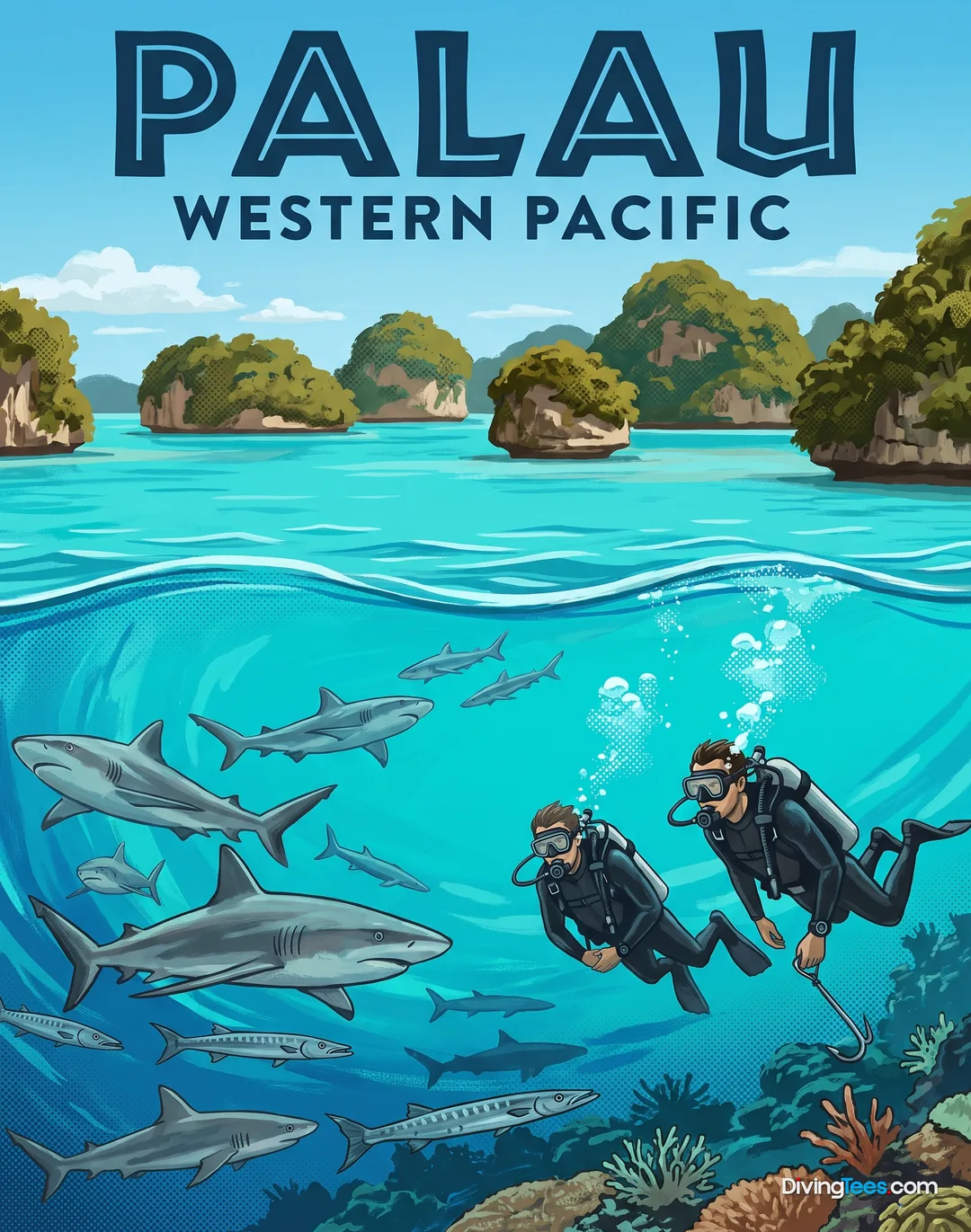
Palau puts the Grey reef shark at the centre of a Pacific choice, while French Polynesia is signed by the Napoleon.
What makes this area unique
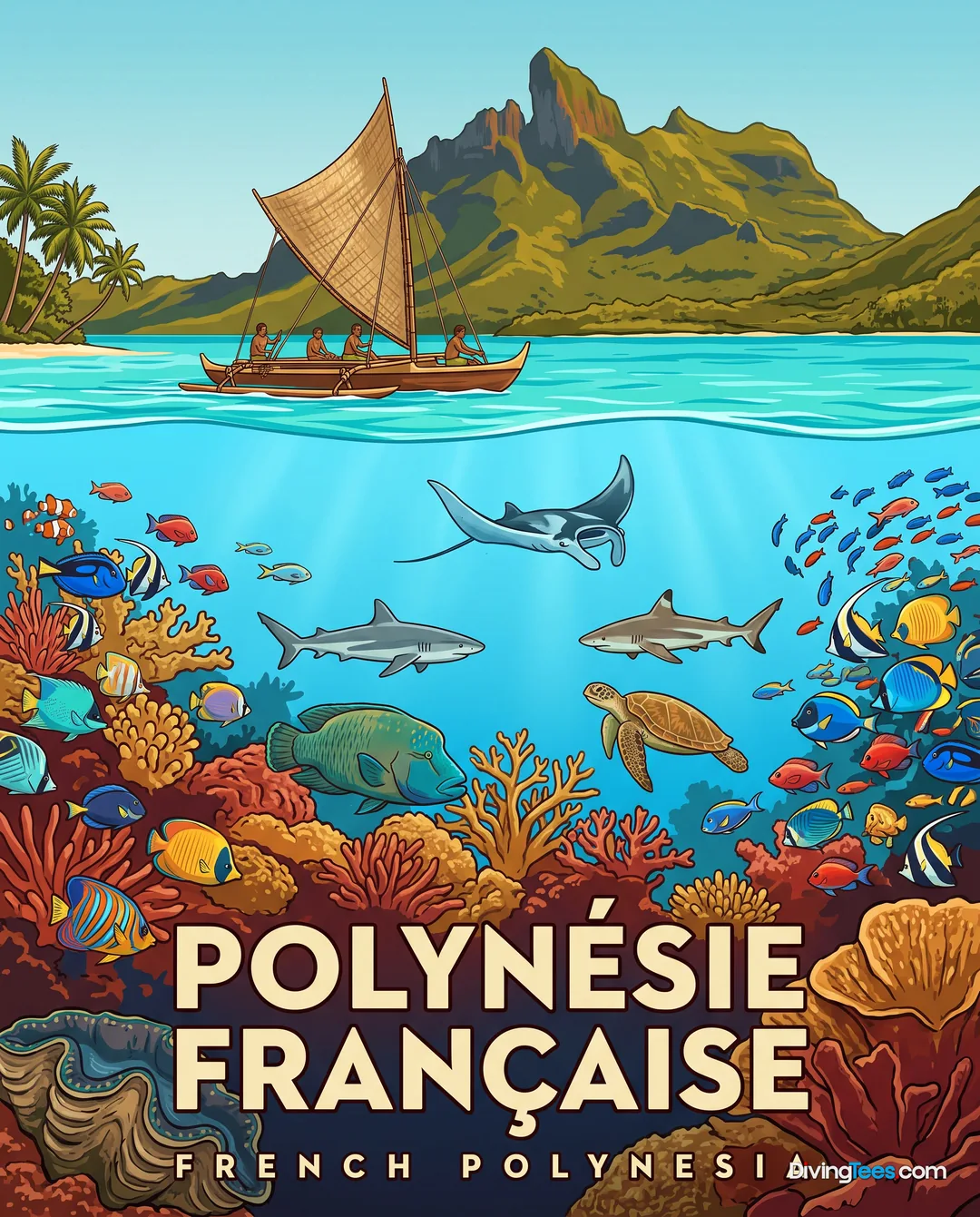
- Napoleon is French Polynesia's signature species
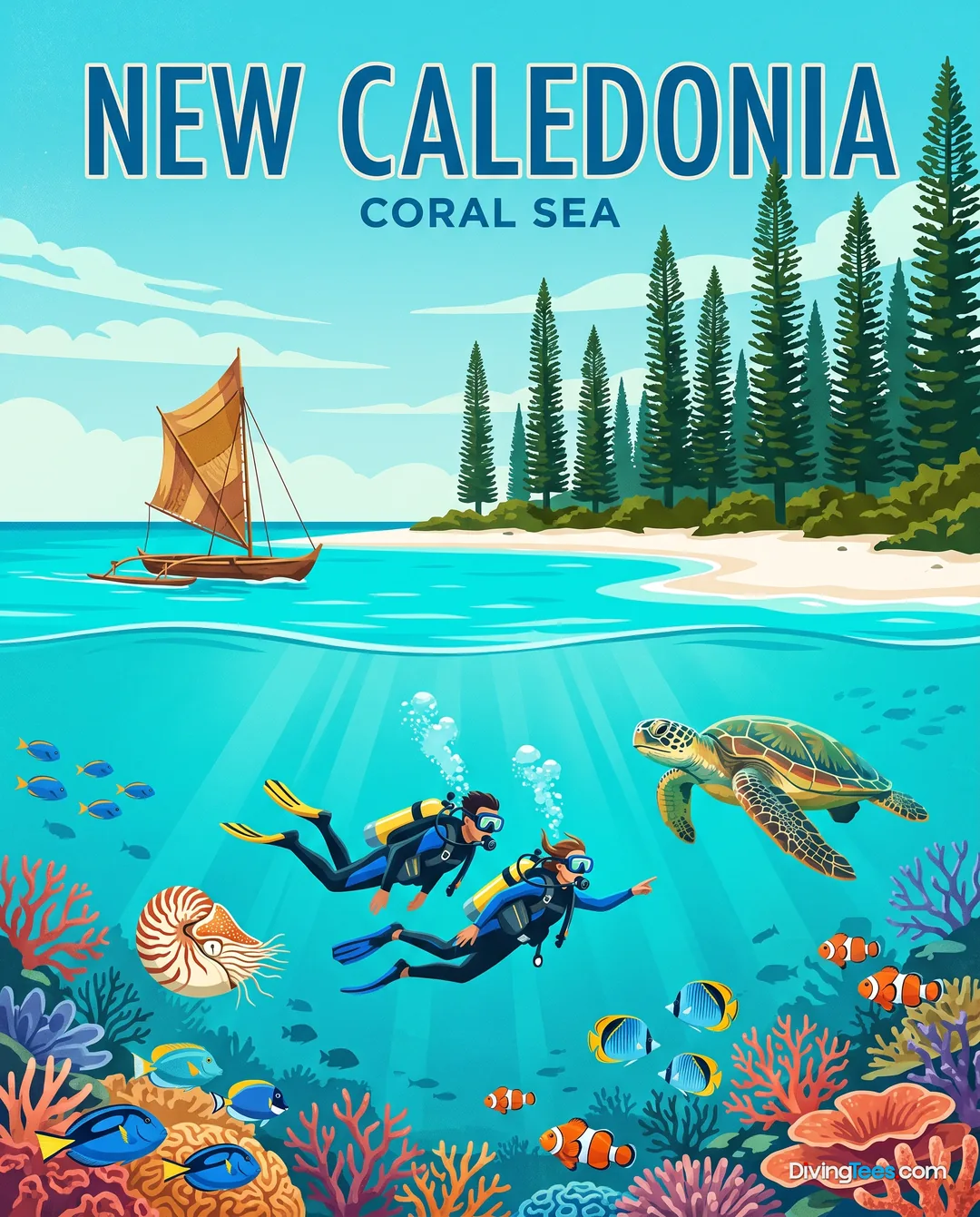
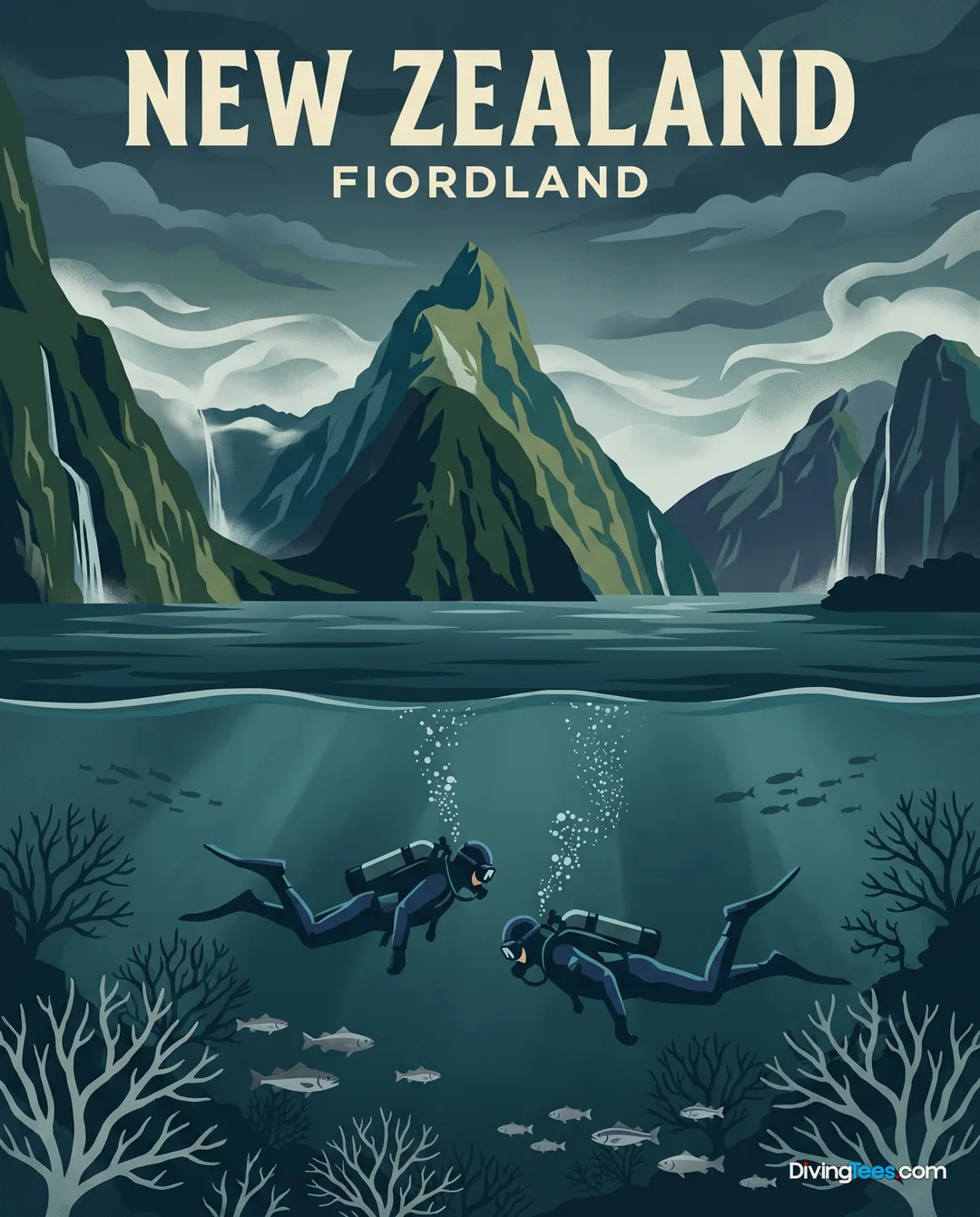
- Boat diving defines New Caledonia and New Zealand
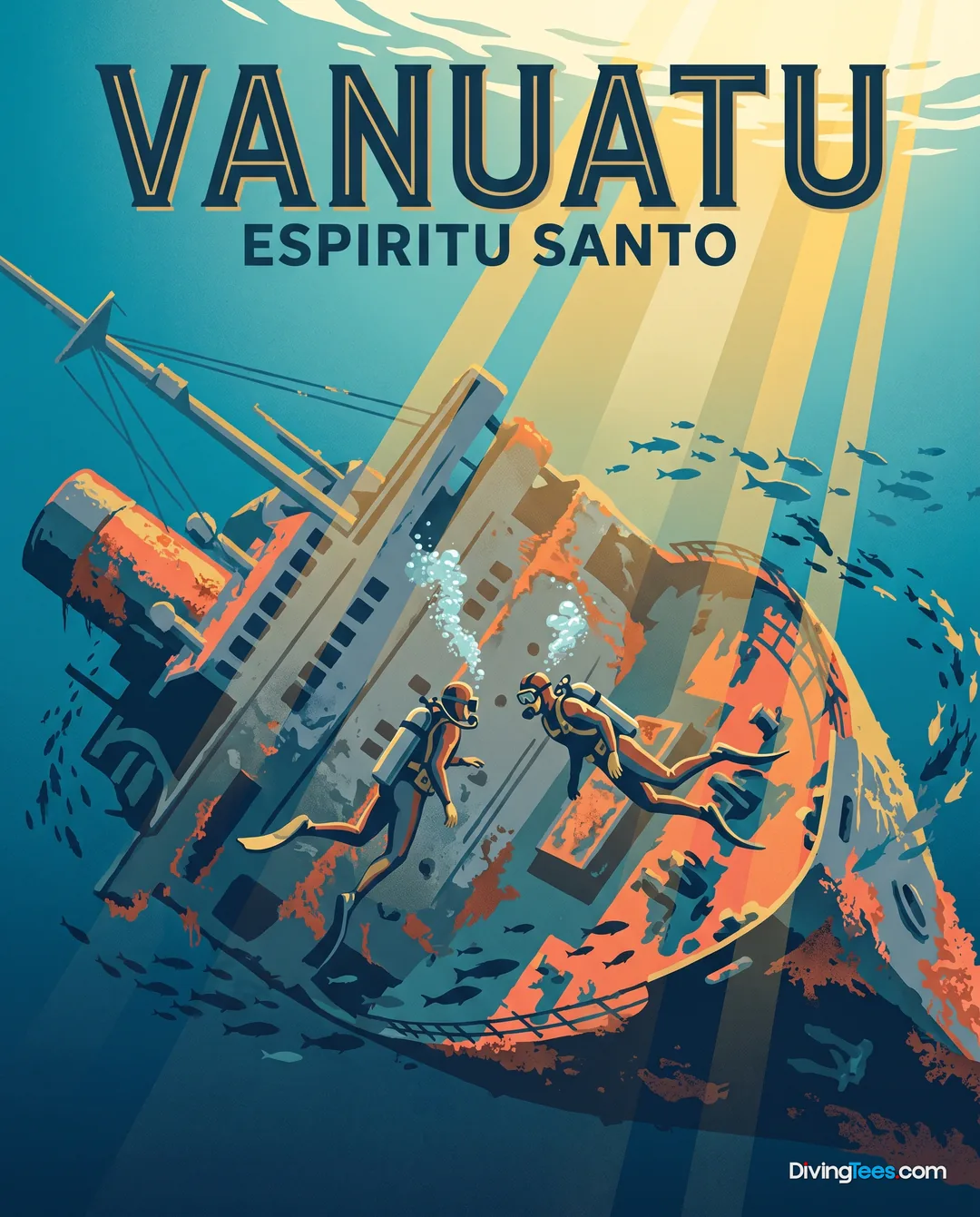
- SS President Coolidge is a Vanuatu wreck-diving anchor
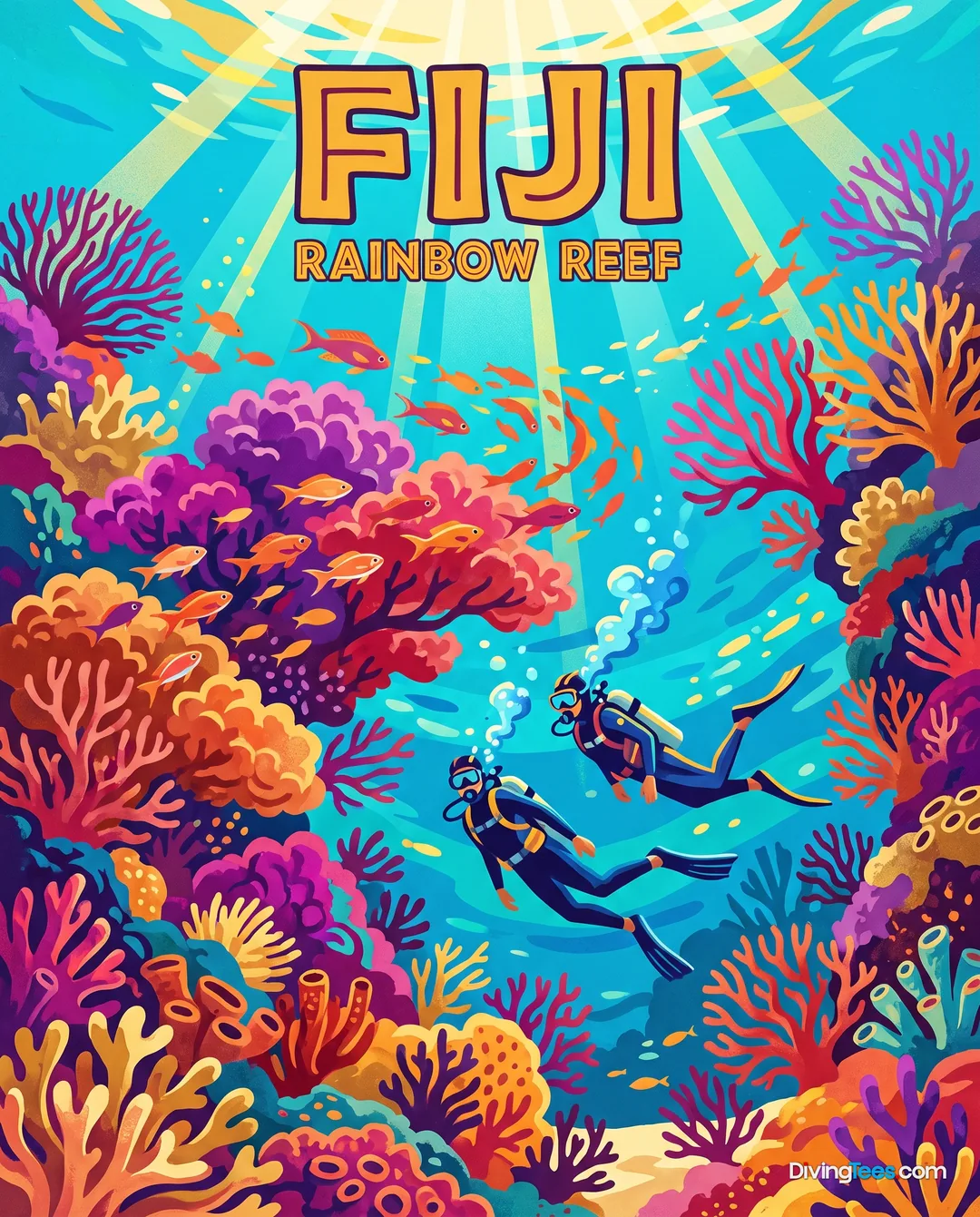
- Fiji is the region's liveaboard option
- New Caledonia remains lightly visited
- French Polynesia and New Caledonia carry high prices
This region for a diver
The Pacific is a region of deliberate trade-offs rather than a single house style. Australia and Fiji can combine boat and shore diving, while New Caledonia and New Zealand centre the boat. French Polynesia sits in the higher-price bracket, alongside New Caledonia; Australia and New Zealand are the more moderate choices. Fiji is the liveaboard route, whereas Australia and French Polynesia have no liveaboard option. That mixture matters to a diver travelling once a year: the region can accommodate a measured shore-and-boat holiday, a boat-led programme, or a liveaboard, without pretending they are interchangeable. Its defining thread is the scale of that choice.
What you come to see
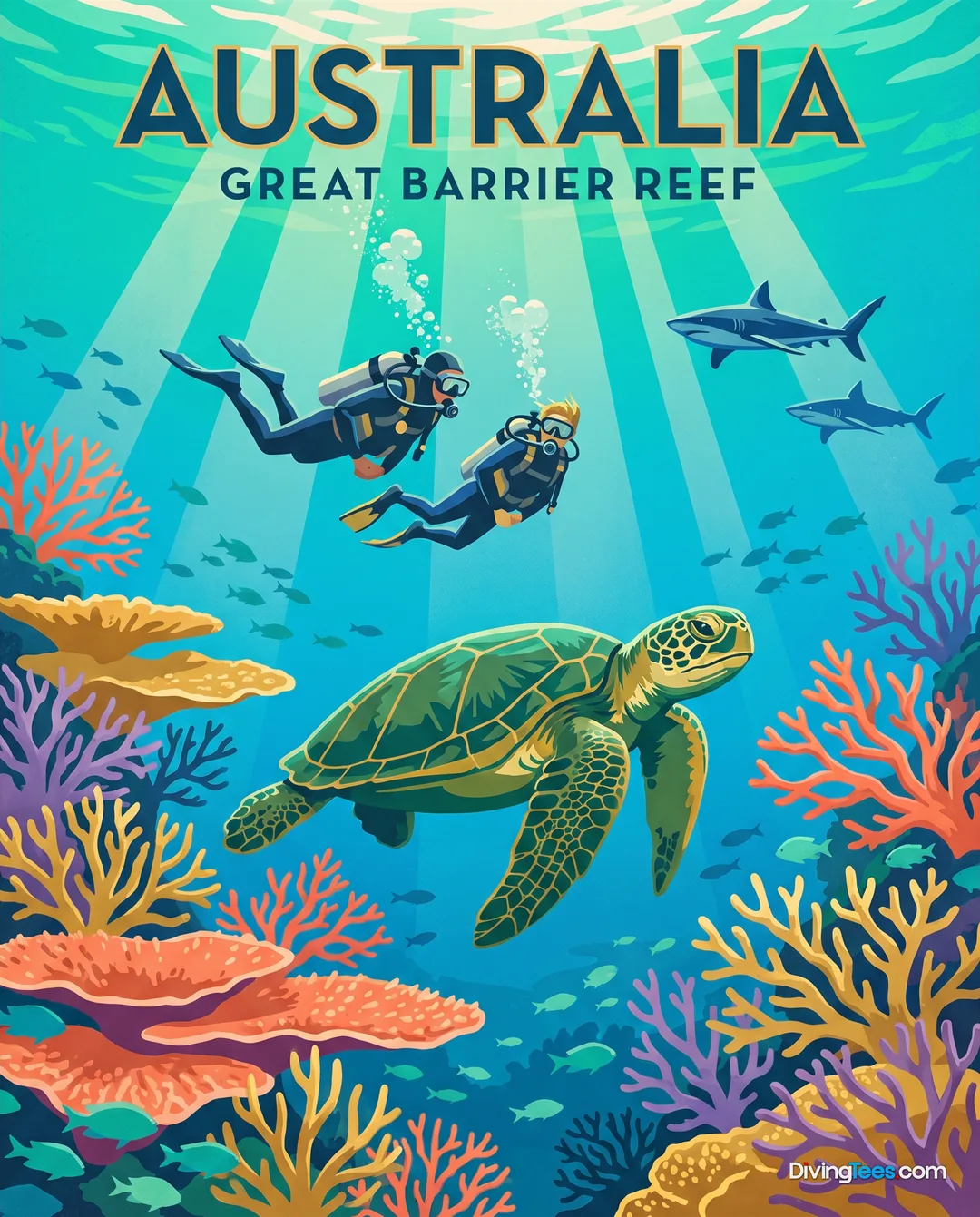
Wildlife is where the Pacific stops being a generic warm-water proposition. A Grey reef shark gives Palau a clear identity, while the Napoleon makes French Polynesia the more specific choice for that animal. Australia carries the Fusilier signature. Those distinctions sit alongside the region-wide encounters: Nudibranch, Great barracuda, Grey reef shark, Sea turtle, Eagle ray and Fusilier. The shared species make reef condition and buoyancy discipline more important than chasing a single headline animal. The country choice changes the emphasis: one itinerary may be built around a signature shark, another around the Napoleon, while another keeps the broader reef cast in view. Names such as Blue Corner in Palau, The Yongala in Australia and Fakarava in French Polynesia keep those decisions tied to real diving places rather than an abstract regional promise. For a diver who values repeatable profiles and careful observation, the Pacific's appeal lies in the conversation between familiar reef life and a country-specific reason to choose one itinerary over another.
Which one to choose
Start with the diving format. Australia, Fiji and French Polynesia suit someone who wants boat and shore options; New Caledonia and New Zealand are more firmly boat-diving choices. Fiji is the practical pick if a liveaboard matters, while Australia and French Polynesia do not provide that option. For lower visitor pressure, New Caledonia stands apart from the moderately visited Australia, Fiji and French Polynesia. Price also separates the choices: Australia and New Zealand sit at moderate prices, while French Polynesia and New Caledonia are high-price commitments. Current may decide the experienced diver's shortlist: New Caledonia has light current, whereas French Polynesia is variable, so a briefing should cover drift dive and downcurrent possibilities rather than assume an easy profile. Technical demand is not defined consistently enough to rank every country. If timing breaks an otherwise similar choice, Palau peaks in April while French Polynesia peaks in January.
What the whole region shares
The region-wide thread is a healthy reef setting, open to all levels, with Nudibranch, Great barracuda, Grey reef shark, Sea turtle, Eagle ray and Fusilier appearing across the wider Pacific choice. That does not remove the need for a proper current briefing: passes and boat-led days make the relationship between current, buoyancy and contact with the reef part of the trip's character. Nitrox can matter when profiles are repetitive, while transfers and crossings argue for a weather margin and a spare day. A safety stop is routine, but the value of a calm briefing is unusually clear when a programme moves between sites and islands. The Pacific combines that practical discipline with reef in good condition.