
Spondylus DC Mancora
Google 4.7/5 (287 reviews)
Peru · Americas
Rocky reefs, seahorses and turtles meet modest visibility, with humpback whales offshore from July to October along Peru’s northern coast.
Rocky reefs, seagrass beds and tropical fish give Mancora its underwater character. The town works as a land-based gateway to Pocitas, Vichayito, Los Órganos, Cabo Blanco and Punta Sal, rather than as a single compact diving area. Seahorses, morays, octopuses and turtles reward patient looking, while seasonal whale trips add a very different reason to come. Above water, the same base combines beaches, surfing and an easygoing coastal stay, making it practical for divers travelling with non-divers.
The diving ranges across coastal rocky reefs and seagrass beds, with each sector offering a slightly different outing. Pocitas and Vichayito are close to Mancora, while Los Órganos, Cabo Blanco and Punta Sal involve boat trips arranged locally. Conditions are changeable: current and swell can affect the entry, the ride and the time spent observing the reef. Visibility is usually modest, around four to seven metres, and can become very poor in the first metres when the water carries plenty of particles. This is not a destination for clear-water sightseeing across a wide reef. It suits a slower search through cracks, rocks and weed, looking for small animals before moving on to larger coastal life. Ask where the boat is heading on the day, because the most comfortable sector may shift with the conditions.
Mancora rewards close observation rather than a quick scan across blue water. Seahorses can hide in the coastal vegetation, while morays and octopuses occupy the rocky reef. Turtles are a regular possibility, particularly around the El Ñuro and Los Órganos area, where a dedicated boat trip also adds interest for non-divers. Tropical fish bring colour to the rocks, and sea lions occur occasionally. From July to October, humpback whales pass along the northern coast. Treat them as a seasonal reason for a separate wildlife outing, not as a promised underwater encounter during a reef dive. The mix is appealing because a single stay can combine small reef creatures, turtles and the chance of larger animals offshore.
Diving is offered throughout the year, but July to October is the most compelling period to plan around. Humpback whales pass the northern Peruvian coast then, giving the trip an additional wildlife dimension above the reef. That seasonal passage is occasional rather than guaranteed, and it is normally pursued on a dedicated boat excursion. Sea conditions remain variable in these months, as they do at other times, so do not treat the whale season as a promise of calm water or clear visibility. Build flexibility into the programme instead of booking a single inflexible diving day.
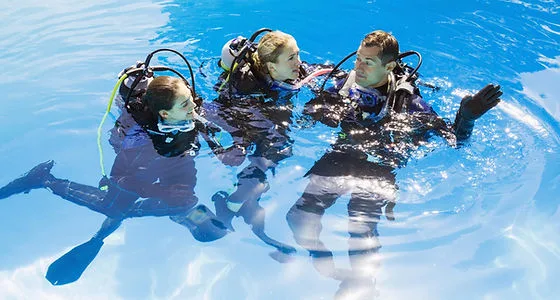
Mancora can suit beginners because local operators offer introductory dives as well as certification courses. Certified divers from PADI, SSI or BSAC backgrounds should still arrive ready for current, swell and limited visibility rather than assuming easy tropical conditions. Experience in murky water and a calm response to changing conditions will make the boat trips more enjoyable. A guide is particularly useful around the less obvious coastal reefs and the more distant sectors.
From London Heathrow, London Gatwick or Manchester, reaching Mancora requires an air connection followed by a road transfer. Mancora itself has no international or domestic air service, so arrange the onward journey through the Piura or Tumbes area and allow sensible time between flights and the long transfer along the Pan-American road. There is no structural ferry or sea crossing to factor in. Once in town, the central dive centre may be reachable on foot, depending on the accommodation, while a short taxi covers the rest. Trips towards Vichayito, Los Órganos, Cabo Blanco or Punta Sal are organised locally, with the diving provider arranging the transport to the launch point and boat.
Do not arrive expecting Caribbean visibility. Four to seven metres is a useful working expectation, and swell, current and suspended particles can reduce it further, especially near the surface. Before committing to a boat day, ask which sector is genuinely workable that day and whether the plan is Pocitas, Vichayito, Los Órganos, Cabo Blanco or Punta Sal. Keep several days free for diving, because a change in conditions can turn an attractive outing into a short, uncomfortable one. The distant sectors are excursions, not dives that begin beside every hotel, so check the road and boat arrangements rather than assuming a beach departure. If the Mancora sites are compromised, ask about Vichayito, Punta Sal or Cabo Blanco instead. Plan El Ñuro or Los Órganos when turtles are a priority, and keep July to October for the best chance of adding a humpback whale trip. Do not promise that sighting to companions outside that season.
Plan on five to seven days based in Mancora, using the town as a hub rather than moving accommodation between every coastal sector. That gives several opportunities to shift a dive when swell or current worsens, while leaving time for El Ñuro, Los Órganos or a longer trip towards Punta Sal and Cabo Blanco. Non-divers have beaches, surfing and seasonal whale excursions, so the stay does not depend entirely on underwater conditions. Allow a surface interval before travelling on from the coast.
Hello, I'm Marina, DivingDeal.com's AI assistant. I guide you through destinations, areas and countries.
Thinking about the whole trip and the flights? Talk it over with Edith →
Marina is an AI. Some links are affiliate links: DivingDeal may earn a commission, at no extra cost to you. Bookings are made with the partner.
You can dive in Mancora throughout the year, but July to October adds the possibility of a dedicated humpback whale outing along Peru’s northern coast. Whale sightings are occasional, not guaranteed, and conditions remain changeable. Keep your schedule flexible, since swell and current can affect reef trips in any season.
Mancora suits beginners because local operators offer introductory dives and certification courses. Certified divers should still be comfortable with current, swell and limited visibility rather than expecting easy tropical conditions. Experience in murky water and a calm response to changing conditions help, while a guide is useful on less obvious reefs and distant trips.
Mancora offers rocky reefs, seagrass beds and tropical fish, with seahorses hiding in coastal vegetation and morays and octopuses in the rocks. Turtles are particularly associated with El Ñuro and Los Órganos, while sea lions appear occasionally. Humpback whales pass offshore from July to October on separate wildlife excursions.
Use Mancora as a land-based hub for nearby Pocitas and Vichayito, plus boat trips towards Los Órganos, Cabo Blanco and Punta Sal. Allow several days so you can change plans with the conditions, and confirm the workable sector locally. Arrange flights through Piura or Tumbes, followed by a long road transfer.