Diving in the Americas: reef variety, strong current, seasonal choice
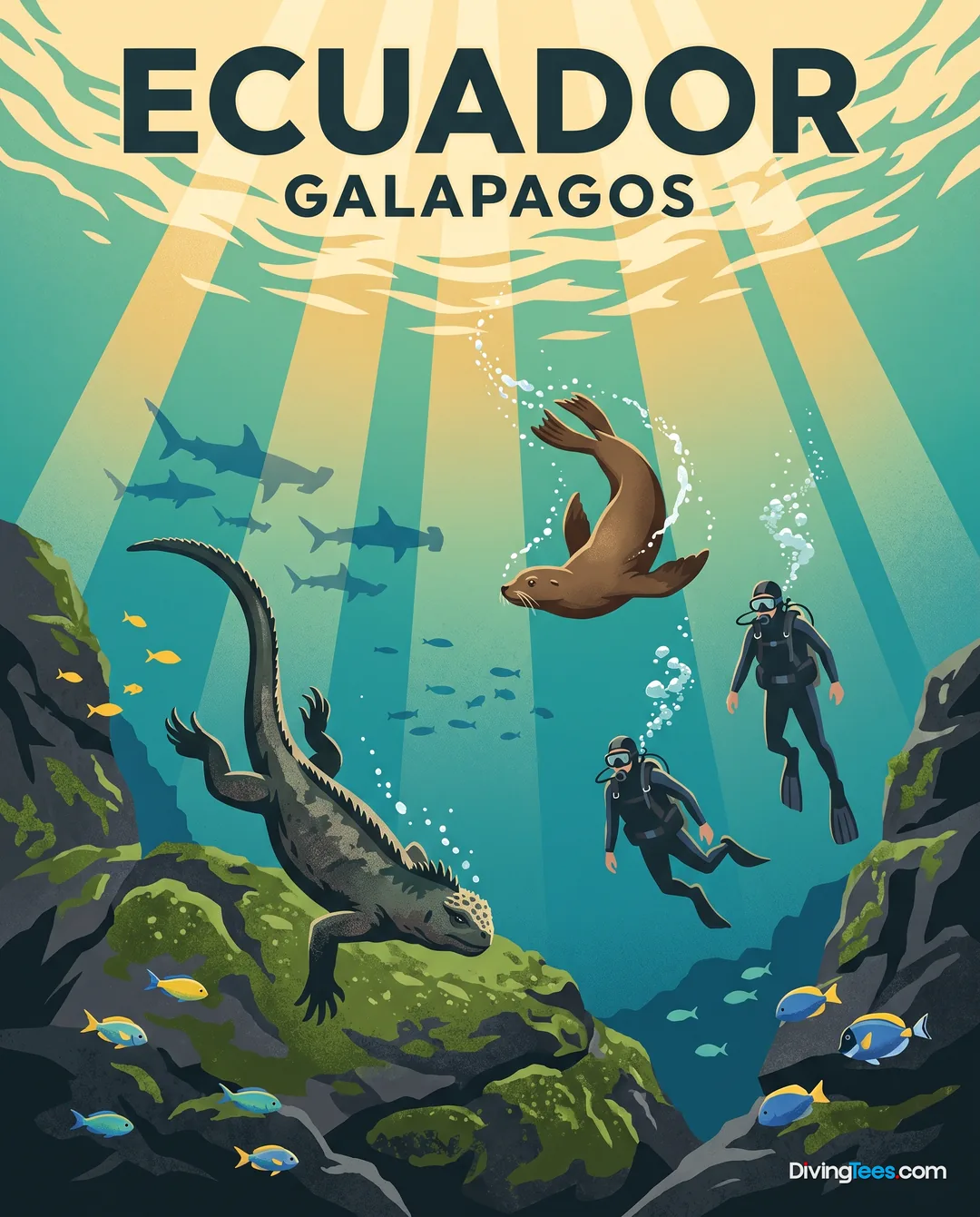
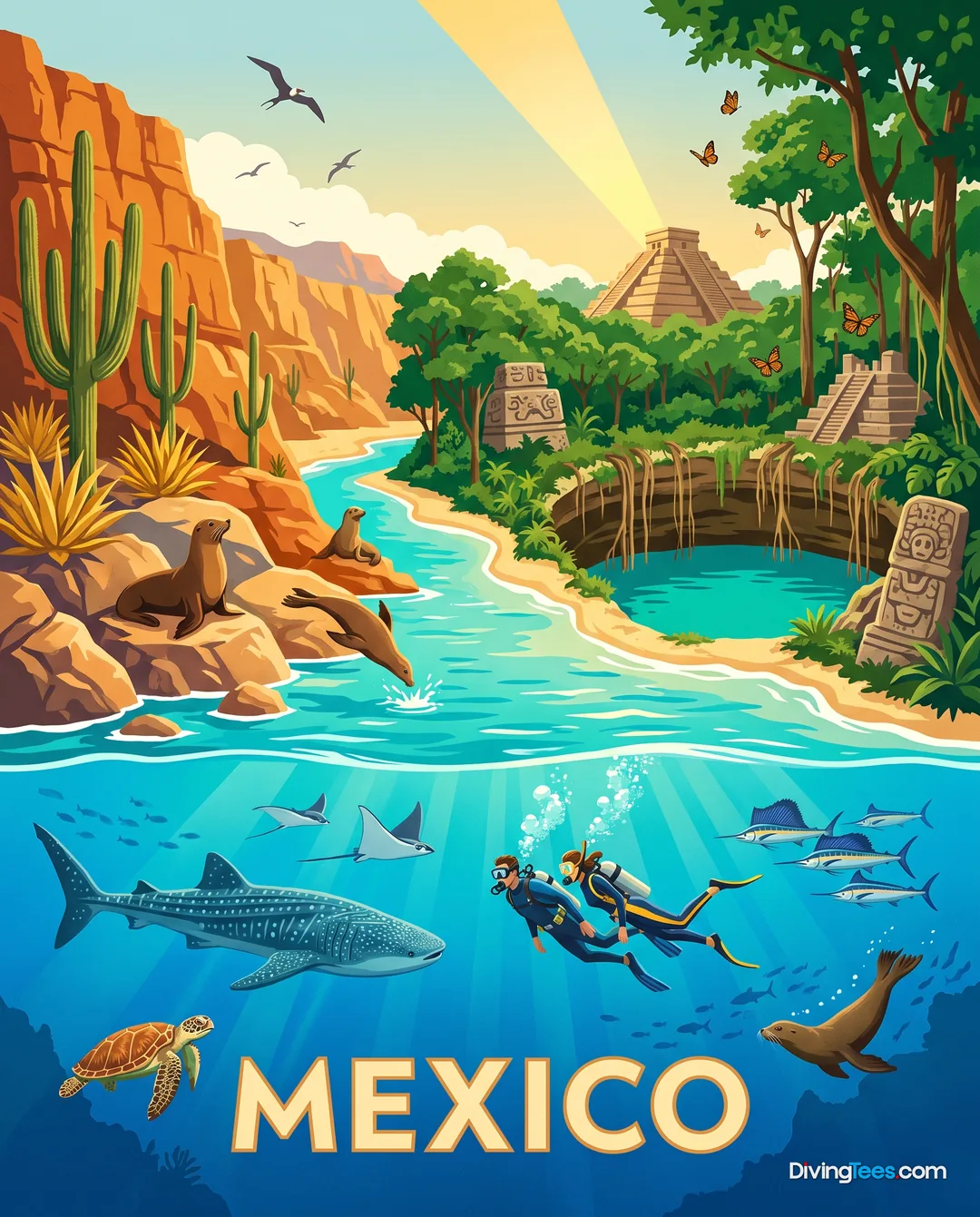
Mexico’s Mer de Cortez and Ecuador’s Galapagos put coast-based diving beside strong-current island diving, giving the region two very different ways to plan.
What makes this area unique
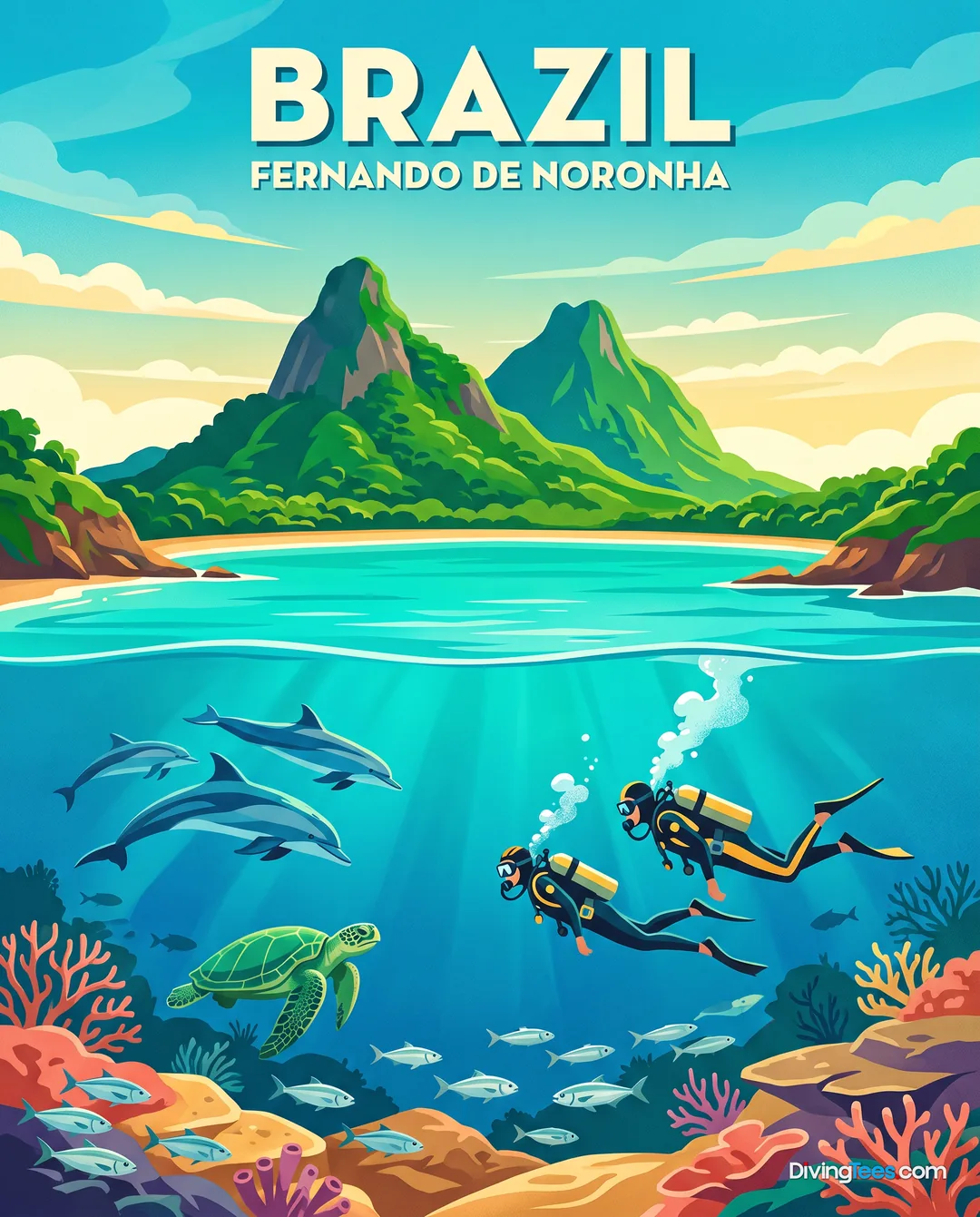
- Eagle ray is Brazil’s signature encounter
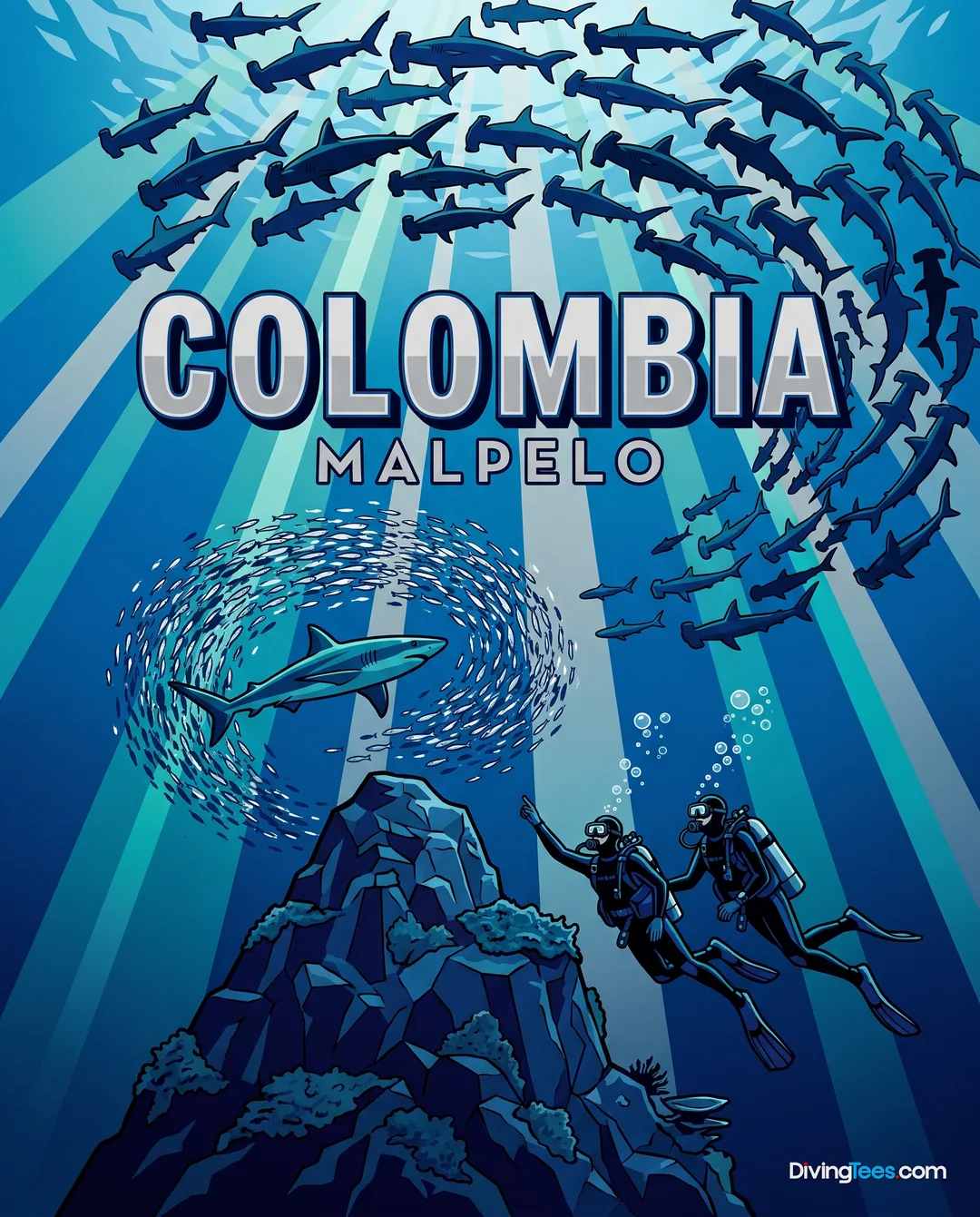
- Variable current shapes dives in Colombia and Mexico
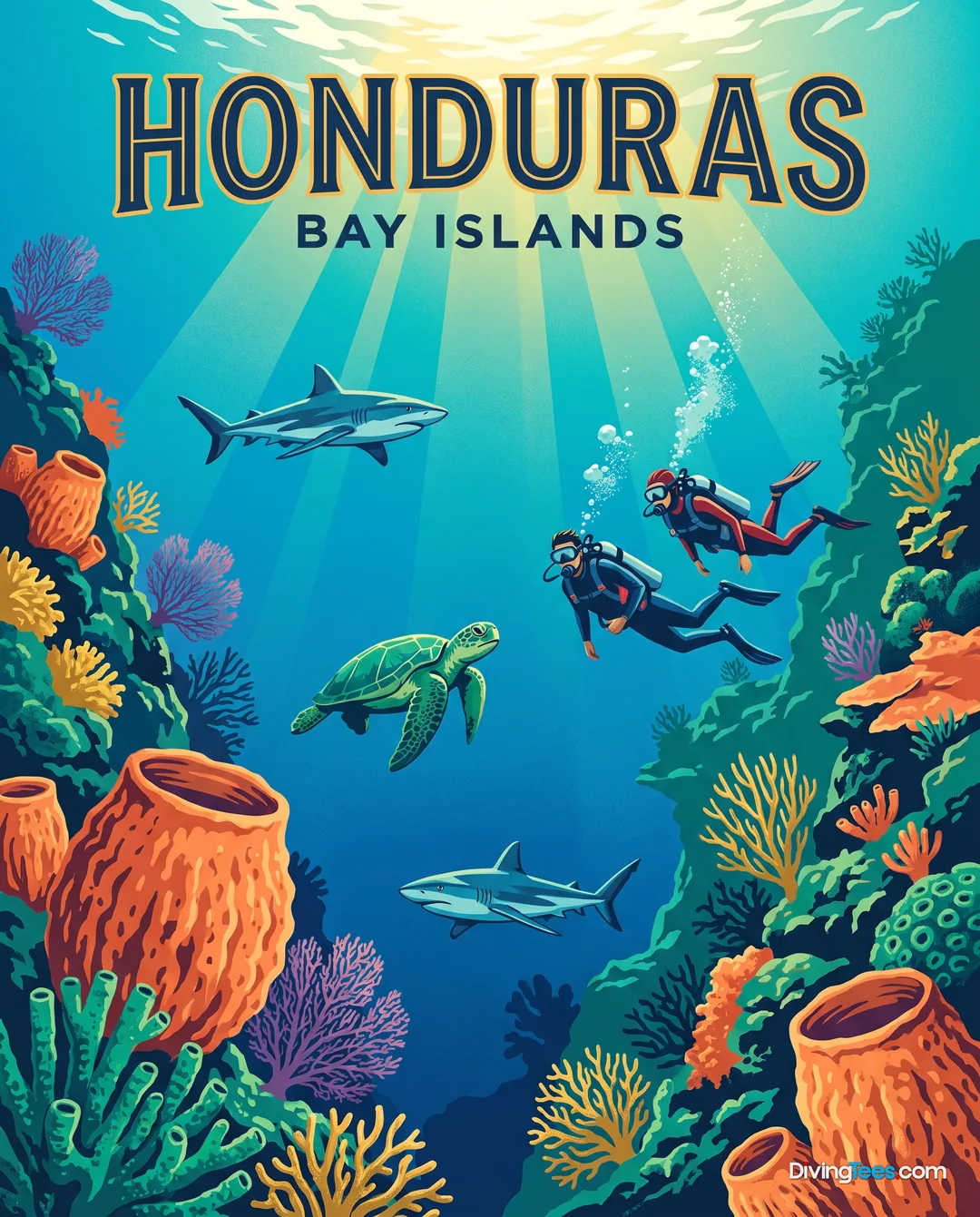
- El Aguila Wreck gives Honduras a wreck-diving option
- Liveaboards are available in Brazil and Honduras
- Mexico and United States are heavily visited
- Costa Rica and Honduras sit at moderate prices
This region for a diver
Across the Americas, the useful common ground is breadth: every country is open to all levels, yet the diving language changes sharply between shore-and-boat reefs, boat diving and current-led sites. That makes the region less a single holiday style than a way to match a trip to your appetite for repetition, movement and surface intervals. Belize and Colombia retain a moderately visited feel, while Mexico and the United States are heavily visited; Costa Rica and Honduras sit at moderate prices, while the United States is high-priced. Brazil and Honduras add liveaboard possibilities, a meaningful distinction for divers travelling once or twice a year. The result is a region where choice matters more than a generic promise of warm water.
What you come to see
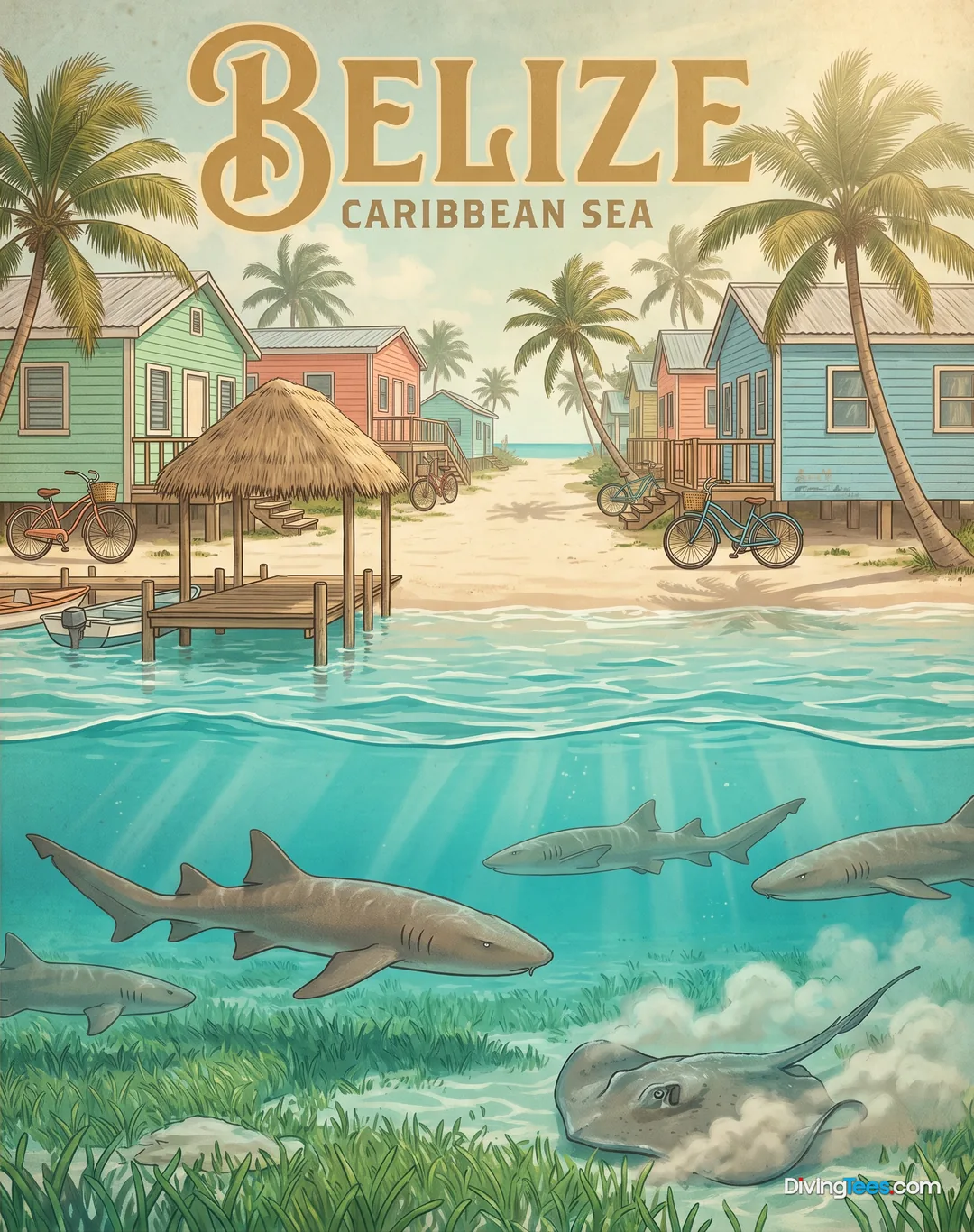
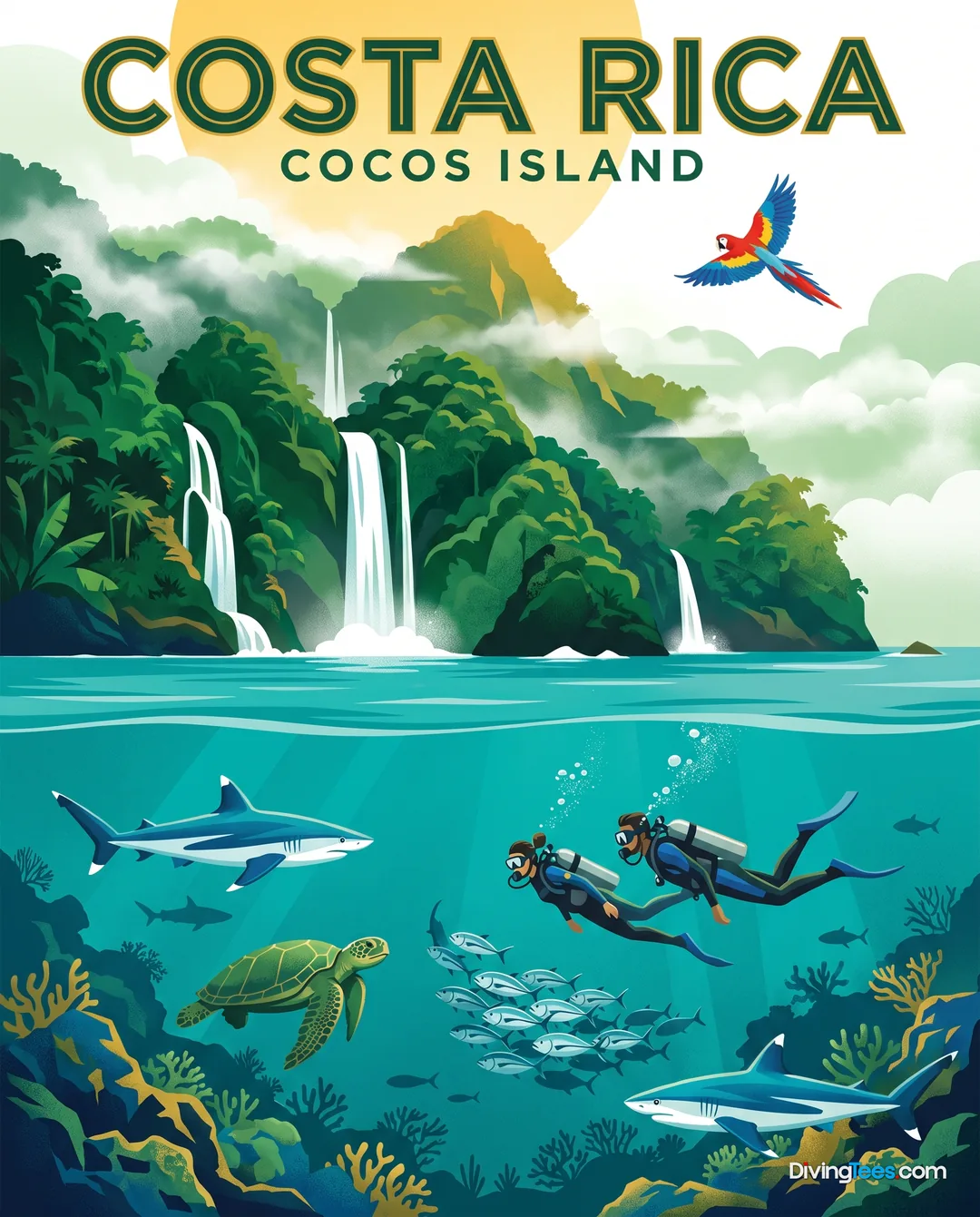
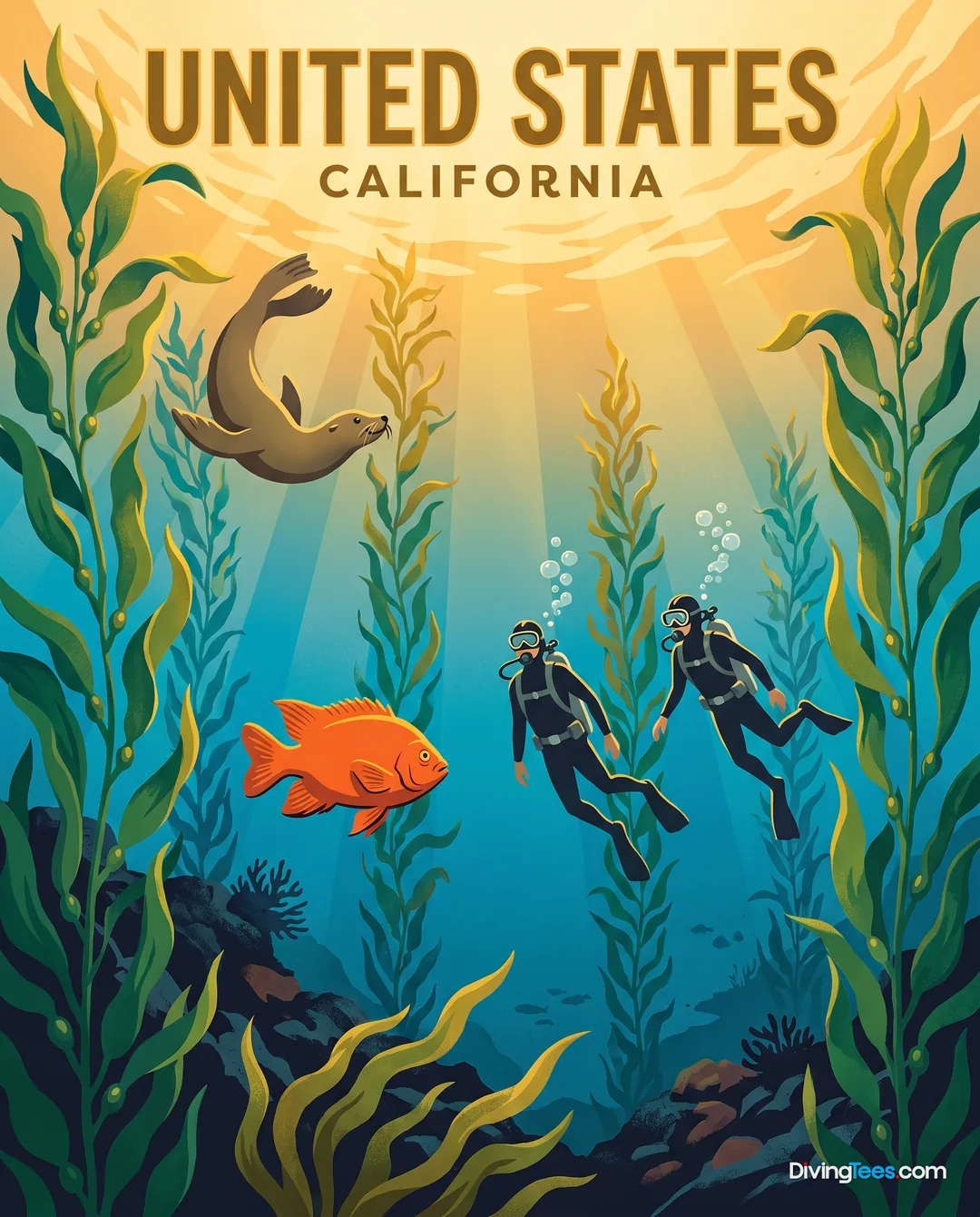
You come here for a familiar cast of Moray eel, Snapper, Eagle ray, Great barracuda, Sea turtle and Nurse shark, so the first decision is not whether wildlife exists but how you want to meet it. Reefs, walls, wrecks and drift dive profiles change the encounter: a safety stop after moving water is a different proposition from a measured reef circuit, and nitrox can matter when profiles repeat. The country-specific signatures then sharpen the choice. Costa Rica is associated with Raie manta; Colombia with Requin gris de récif; Brazil with Raie aigle; and United States with Langouste. Those are not interchangeable reasons to choose. A diver wanting a broad shared cast can look towards Mexico, Belize or Honduras, while a signature-animal priority points elsewhere. Names such as The Great Blue Hole, El Aguila Wreck and Darwin Island provide useful anchors when narrowing the conversation, but the country decides the wildlife emphasis.
Which one to choose
Start with the trip format. Brazil is the clearest boat-diving choice, while liveaboards are available in Brazil and Honduras; Belize, Costa Rica and Mexico do not have that option. For a less crowded feel, look first at Belize or Colombia, both moderately visited, rather than the heavily visited United States or Mexico. Costa Rica and Honduras sit in the moderate-price bracket; the United States is the high-price outlier, which matters when a once-a-year trip must justify its spend. Current is another dividing line: Ecuador brings strong current, while Colombia, Costa Rica, the United States and Mexico are variable-current destinations. That is a practical briefing and confidence question, not a badge of honour. Season only breaks a close call at the edges: Mexico peaks in July, Honduras and Belize in August, the United States in September, Colombia in August, and Ecuador in January; November is the only month open across the region.
What the whole region shares
All the countries here are open to all levels, but that does not make every dive identical. The common thread is active participation: buoyancy and contact with the reef, a disciplined briefing before current, and sensible use of nitrox when profiles repeat. Transfers and crossings, a weather margin and a spare day, marine-park rules, and the rainy season or monsoon belong in the planning conversation. Moray eel, Snapper, Eagle ray, Great barracuda, Sea turtle and Nurse shark give the region a recognisable wildlife thread, while drift dive technique changes how you read it. A safety stop is part of that rhythm, whether the day centres on reef, wall or wreck. The Americas’ defining tension is this combination of shared reef life and sharply different current, crowd and liveaboard choices.