
Globotierra Azul
Google 5/5 (1 review)
Peru · Americas
Kelp-fringed rocks, South American sea lions, Humboldt penguins and cold-water diving meet desert cliffs around Paracas inside a protected coastal reserve.
For subtitles in English: start the video firstthen click the gearat the top right of the video, select “Subtitles/CC”, then “Auto-translate” and choose “English”.
Pisco-Paracas is a cold-water coastal destination where the underwater interest lies in rocky ground, kelp and Humboldt wildlife rather than coral reefs. Paracas is the practical base, with boat outings into the protected coastal and island areas of the national reserve. South American sea lions, Humboldt penguins and seabirds give the trip a strong wildlife dimension, while the desert scenery above water is part of the setting. Allow three to five days, with bottle diving arranged before arrival rather than assumed on the day.
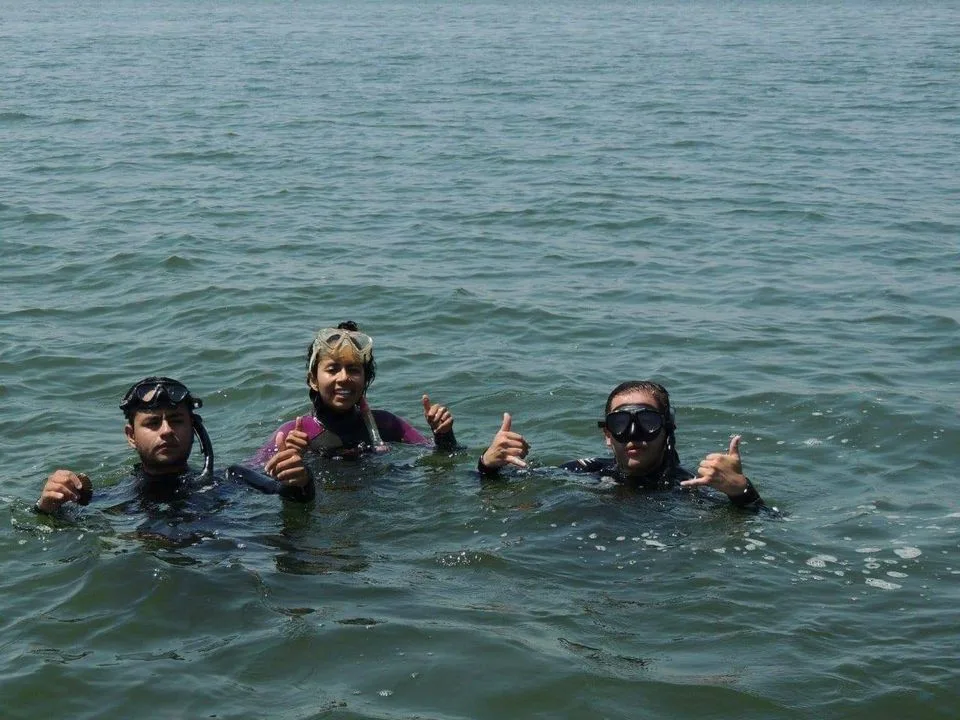
Diving is mainly from a boat over rocky coastal bottoms and island habitats, with kelp reported in the local diving areas. Paracas Bay offers introductory and shallow dives, while other outings combine a boat journey with the chance to see wildlife around the islands. Currents are variable, and the cold-water upwelling can bring plankton into the water column, reducing visibility even when the sea looks settled. Typical visibility is around five to fifteen metres, so this is diving for close observation rather than distant scenery. Check whether the booking is a scuba dive, a discovery dive or snorkelling: the classic Ballestas excursion is commonly built around wildlife watching, not a bottle dive. A normal dive still involves careful buoyancy over rock and kelp, a controlled ascent and a safety stop in water whose clarity may change during the outing.
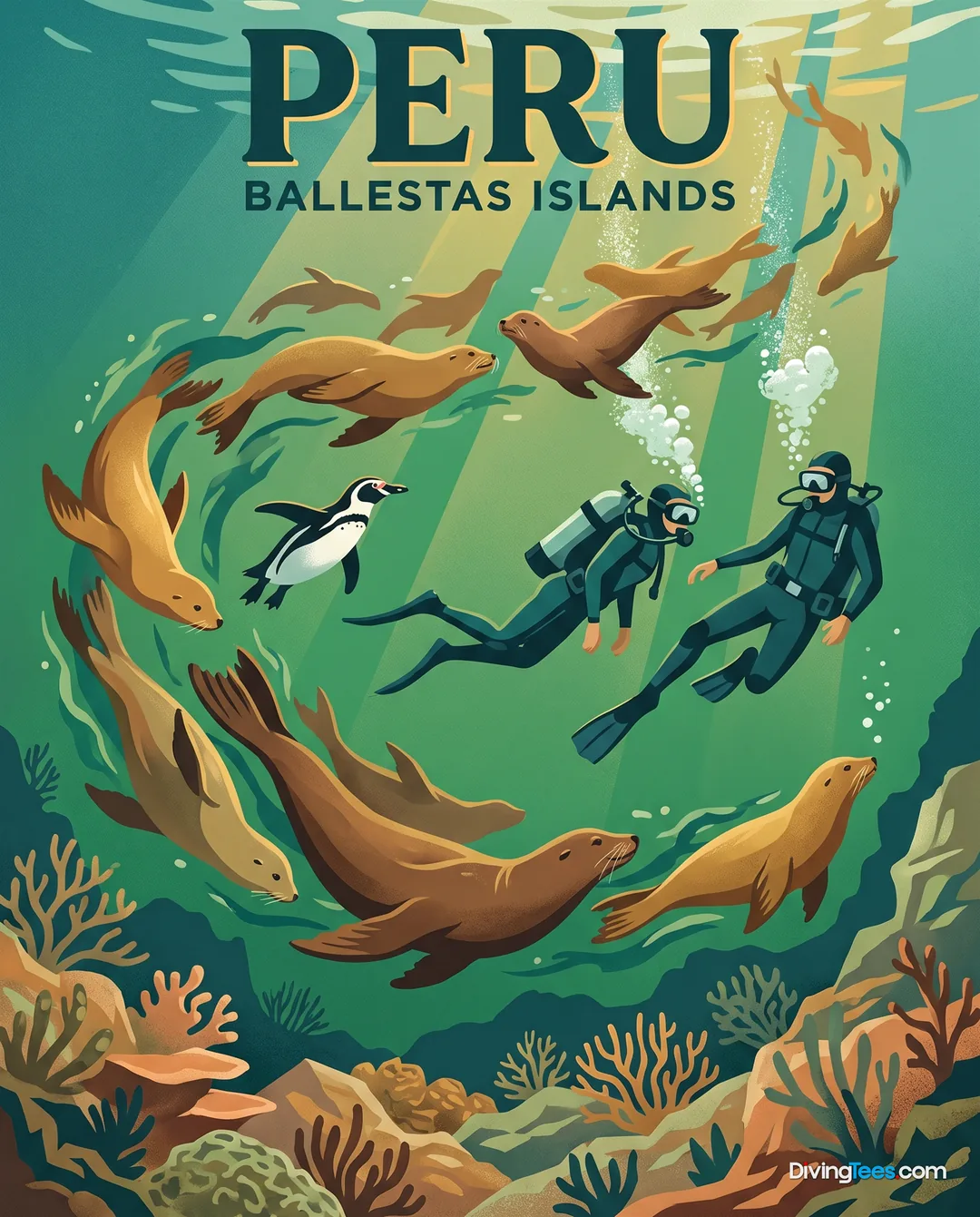
The reliable attractions are South American sea lions, Humboldt penguins, seabirds and coastal fish associated with the Humboldt Current. Sea lions and penguins are part of the regular wildlife picture around Paracas and the Ballestas, although no month gives a guaranteed encounter with a particular species. Underwater, expect life concentrated around rock and kelp rather than the bright coral communities of a tropical destination. Plankton is a double-edged feature: it supports a productive food chain and helps explain the abundant wildlife, but it can also cloud the water. The best approach is to treat the dive and the wildlife outing as related but separate experiences. A boat may bring you close to animals without taking you to a scuba site, and a clear view of penguins does not promise clear water below.
May to September is generally the most favourable period. These are the drier months, when sea conditions are usually calmer and visibility is more often at its best. The water can still be affected by wind, local sea state and cold-water upwelling, so a good forecast does not remove all uncertainty. The warmer part of the year remains possible, but heavier plankton concentrations can make visibility less predictable. There is no need to rule out a particular month outright, but the May to September window gives a better balance between boat comfort, workable conditions and the chance of seeing the underwater terrain clearly.
The destination suits beginners as well as experienced divers, provided the day is matched to the conditions. Introductory and shallow diving in Paracas Bay can work for a first experience, while colder water, variable visibility and boat logistics reward divers who are comfortable with changing conditions. A current BSAC, PADI or SSI qualification is the relevant basis for independent diving, but no specialist brevet is identified for the area. Experienced divers should not assume that wildlife trips to the Ballestas are equivalent to planned scuba diving.
From London or Manchester, plan the journey around reaching Lima, then continue south by road to the Pisco-Paracas area. The practical base for marine activities is Paracas, not the centre of Pisco. A bus from Lima to Paracas takes about four hours, while a direct Lima to Pisco service is described as taking about three and a half hours. If staying in Pisco, allow for an onward transfer to Paracas, where the boats leave from the harbour. The Ballestas crossing takes roughly thirty minutes. Arrange the local transfer and the boat departure in advance, rather than relying on an easy connection between the two towns.
Book the bottle diving before travelling and ask exactly what the booking includes. In Paracas, a marine excursion may mean snorkelling, wildlife watching, a discovery dive or scuba diving, and the Ballestas trip should not be treated as an automatic dive boat. Confirm that the departure is from Paracas harbour, especially if accommodation is described under Pisco. Keep flexibility in the plan because plankton, wind and upwelling can affect both visibility and the practical running of a day on the water. It is sensible to keep a reserve day for the national reserve and its desert coastline if the sea disrupts diving. The reserve has controlled access and an entrance fee, with restrictions on swimming and water sports in marked areas. Follow the signs and do not assume that a quiet-looking cove is available for entering the water. Finally, separate wildlife expectations from diving expectations: a close encounter with penguins or sea lions may come from the observation boat, not from beneath it.
A three- to five-day stay works best as a land-based visit in Paracas or the wider Pisco area. Set aside one day for the boat trip to the Ballestas, another for diving or snorkelling, and time for the Paracas National Reserve itself. The reserve adds desert tracks, cliffs, beaches where access is authorised and viewpoints over the protected coast. For non-divers, wildlife watching and the landscape provide a worthwhile parallel programme, so the trip does not depend entirely on the sea being diveable.
Hello, I'm Marina, DivingDeal.com's AI assistant. I guide you through destinations, areas and countries.
Thinking about the whole trip and the flights? Talk it over with Edith →
Marina is an AI. Some links are affiliate links: DivingDeal may earn a commission, at no extra cost to you. Bookings are made with the partner.
May to September generally offers the most favourable balance of calmer sea conditions, drier weather and visibility that is more often at its best. Wind, local sea state and cold-water upwelling can still change conditions. The warmer months remain possible, but heavier plankton can make visibility less predictable.
Pisco suits beginners and experienced divers when the outing matches the conditions. Paracas Bay offers introductory and shallow dives, while cold water, variable visibility and boat logistics require comfort with changing conditions. For independent diving, you need a current BSAC, PADI or SSI qualification; no specialist brevet is identified.
In Pisco, expect rocky coastal and island habitats, kelp and wildlife associated with the Humboldt Current rather than coral reefs. South American sea lions, Humboldt penguins, seabirds and coastal fish are key attractions. A boat may bring you close to animals without taking you to a scuba site, especially around the Ballestas.
Use Paracas as your practical base and allow three to five days. Reach Lima first, then continue south by road, arranging transfers and boat departures in advance. Book bottle diving before arrival, confirm that your excursion is scuba rather than snorkelling or wildlife watching, and keep a reserve day for changing sea conditions.