

Dive St Helena
★ 5/5 (4 reviews)
less than 1 km away as the crow flies
St. Helena · Atlantic
World War II steel, seventeenth-century cannons and a shallow night dive over Papanui make Saint Helena a destination built around wreck history.
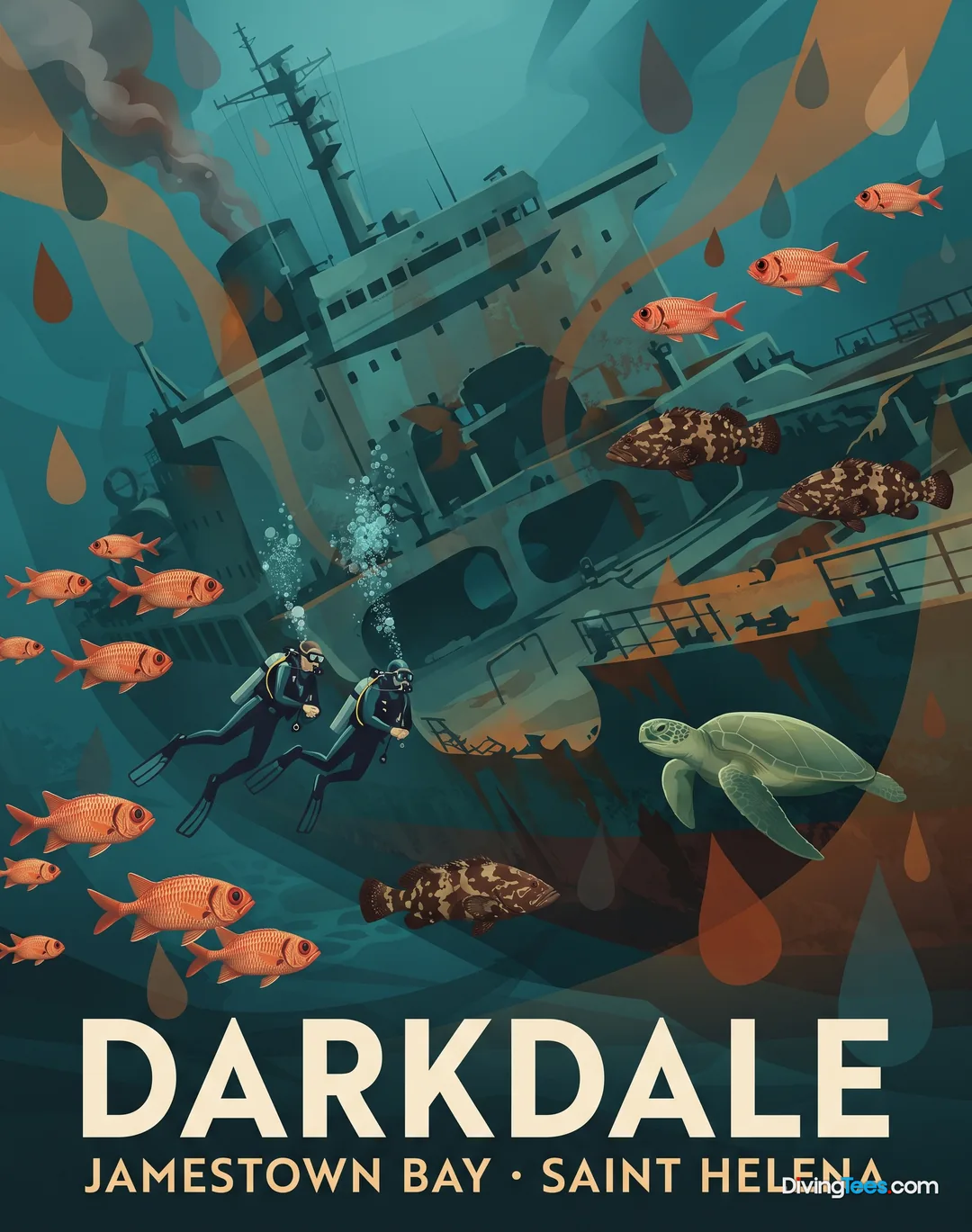
Saint Helena is a wreck-diving destination with an unusually broad depth spread. Papanui lies in James Bay between six and twelve metres, while Darkdale descends from thirty to forty-three metres and White Lion occupies the thirty-to-thirty-five-metre range. The appeal is not only the diving itself but the history beneath the surface: a torpedoed Second World War tanker, a Dutch cargo vessel lost in 1613, and a shallow wreck where small creatures become the focus after dark.
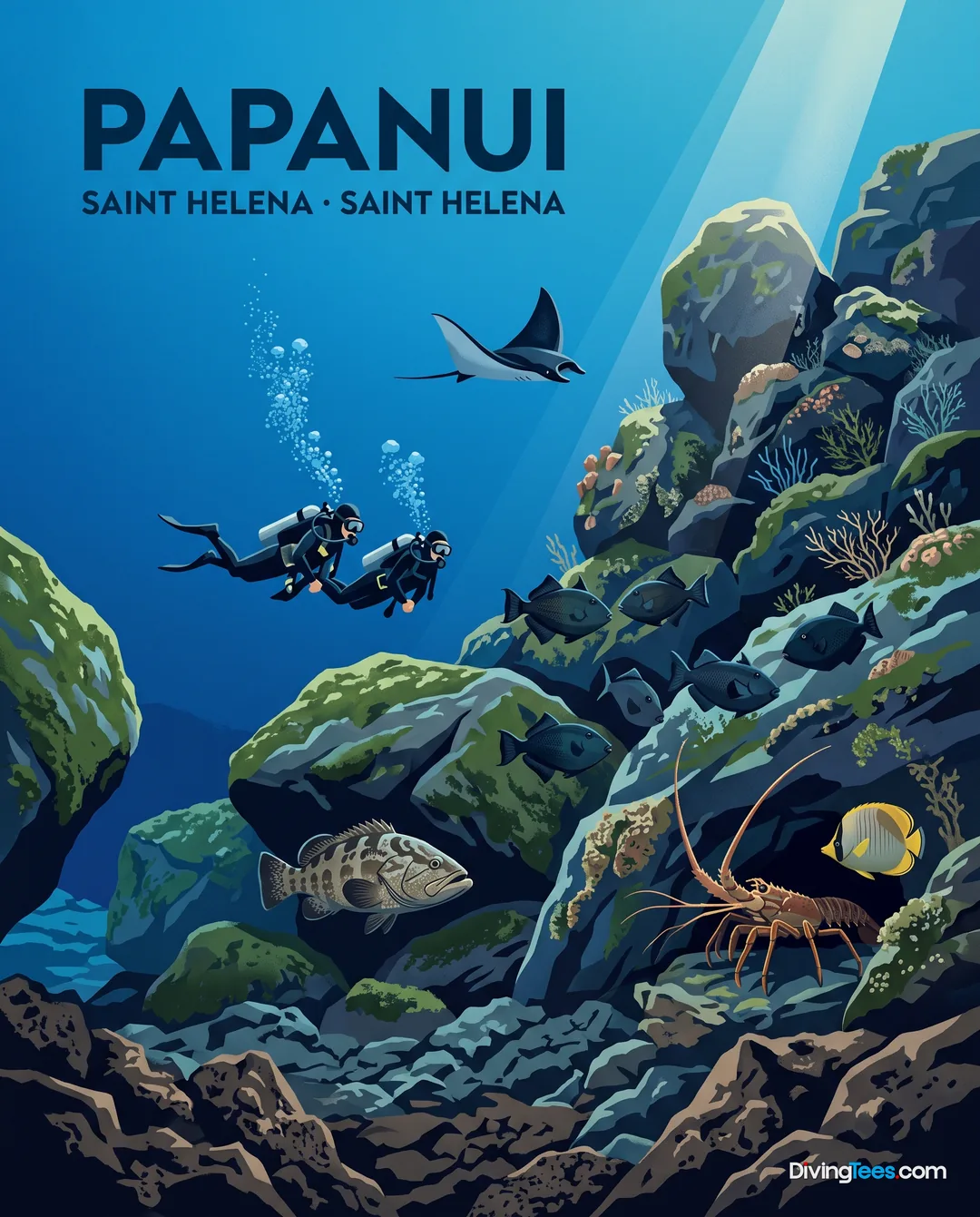
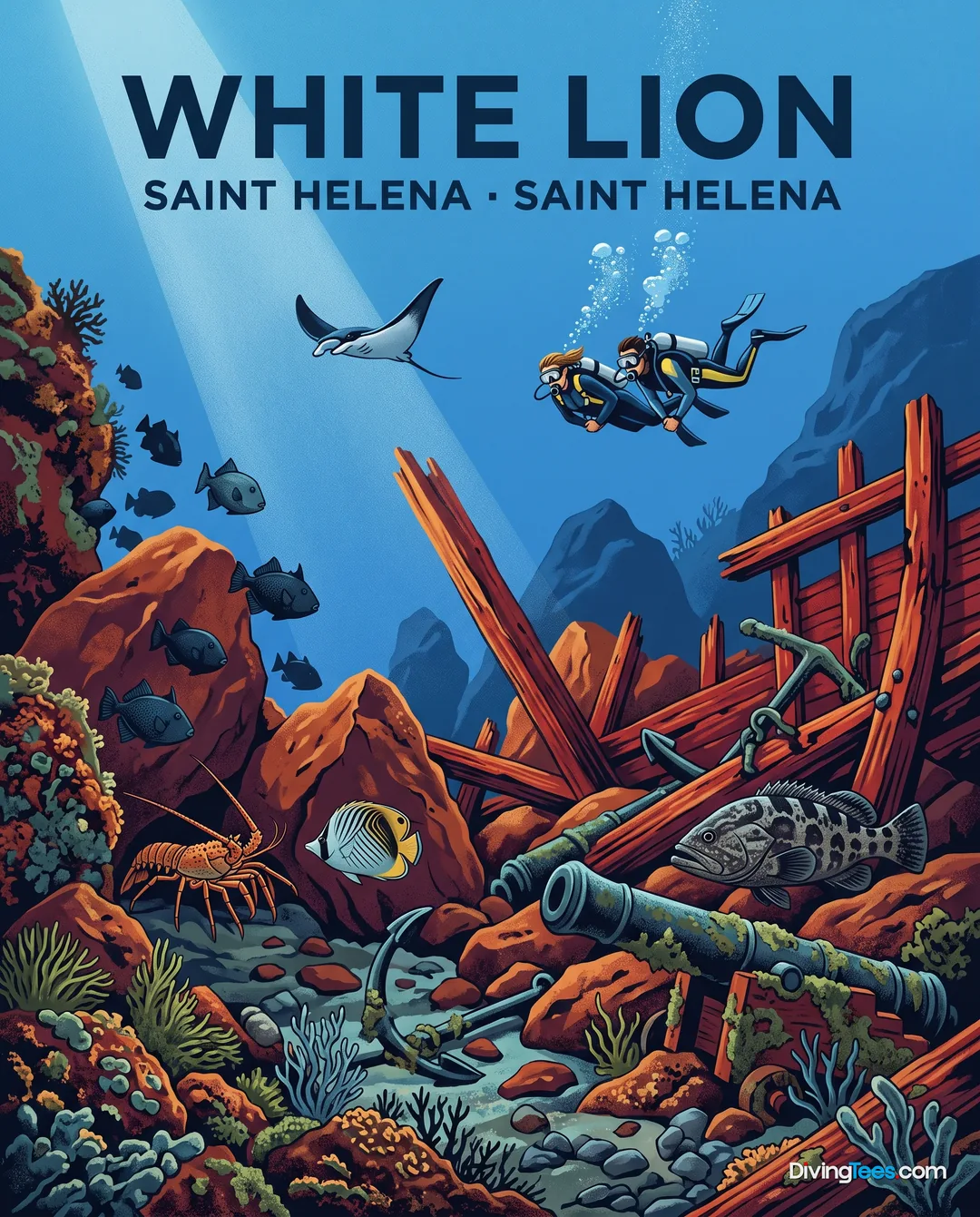
The diving is centred on wrecks rather than reef scenery. Papanui is the relaxed end of the range: shore-accessible, sheltered by James Bay, normally lightly affected by current, and suited to a slow inspection of the structure in six to twelve metres. Its fifteen-to-twenty-five-metre visibility gives room to pick out small details, particularly on a night dive. Darkdale is a very different proposition, with the wreck lying between thirty and forty-three metres; depth, rather than current, is the principal consideration. White Lion sits between thirty and thirty-five metres and may have anything from a small to moderate current, with stronger flow possible. Conditions should therefore be checked locally before committing to the dive. All Saint Helena wreck dives are to be conducted with a local guide, which is especially relevant when exploring the deeper historical sites.
Papanui provides the clearest wildlife interest in the available site descriptions. Its shallow wreck supports small creatures, and the site becomes particularly engaging at night, when a diver can move slowly over the six-to-twelve-metre remains and look closely rather than spend the dive covering distance. Darkdale and White Lion offer a different kind of underwater encounter: the focus is on steel, timber, cannons and ballast stones, with the structure creating the visual setting for the dive. The timing clue is therefore practical rather than species-specific. Papanui can be explored year-round and is especially suited to a night sortie, while the deeper wrecks are chosen for their historical remains and the conditions on the day.
November to April is the measured best period, and the sea is generally at its calmest then. That matters most for planning around wreck dives, where a comfortable surface and a predictable descent make more difference than simply having a long season. Papanui remains possible year-round, with light current in sheltered James Bay, but the calmer window is the sensible choice when the itinerary also includes deeper sites. The season is therefore less about chasing a particular animal and more about giving Darkdale and White Lion the best chance of being approached without unnecessarily difficult conditions.
Papanui is suitable for Open Water divers, including those who prefer a shallow, shore-accessible wreck and a straightforward night dive. Darkdale normally calls for advanced certification because the wreck reaches forty-three metres. White Lion is aimed at Advanced Open Water divers or equivalent, with comfort at thirty to thirty-five metres and experience of guided wreck diving. BSAC, PADI and SSI divers should match the dive to their equivalent qualification and recent depth experience, rather than treating all of Saint Helena's wrecks as interchangeable.
For readers leaving London Heathrow, Gatwick or Manchester, the journey needs to be planned around the onward connections that make Saint Helena reachable. Once in the diving area, Papanui has the simplest access because it can be reached from the shore in James Bay. The deeper wrecks are guided dives, so their meeting arrangements need to be confirmed as part of the local plan rather than assumed from the accommodation. Keep the itinerary flexible enough to accommodate the conditions on the day, particularly for White Lion, where current can vary. No separate boat assumption should be made for Papanui.
Treat the wrecks as three different propositions, not as variations on one dive. Papanui is the place to reserve for a slow shallow exploration or a night dive; its six-to-twelve-metre depth leaves time to examine the small creatures living around the remains. Darkdale demands a deliberate decision about depth, since the wreck reaches forty-three metres. White Lion requires both Advanced Open Water or equivalent experience and comfort at thirty to thirty-five metres. All wreck dives require a local guide, so build that into the plan from the outset. Check the current before White Lion rather than relying on the shelter found at Papanui. November to April gives the calmer sea window, but Papanui remains the practical fallback when conditions are less settled. Do not confuse its easy depth with the demands of the deeper historical wrecks.
A sensible stay combines the shallow Papanui experience with guided dives on Darkdale and White Lion, leaving room to adjust the deeper outings to current and sea conditions. Papanui works well as an early orientation dive because it is shore-accessible and stays between six and twelve metres; it can also anchor a night dive. The deeper wrecks should be planned around guide availability, depth comfort and the calmer November-to-April window, rather than treated as guaranteed additions to every day.
Hello, I'm Marina, DivingDeal.com's AI assistant. I guide you through destinations, areas and countries.

Thinking about the whole trip and the flights? Talk it over with Edith →
Marina is an AI. Some links are affiliate links: DivingDeal may earn a commission, at no extra cost to you. Bookings are made with the partner.