
BarbadoScuba, Above & Below Watersports (Barbados) Inc
Google 5/5 (190 reviews)
less than 1 km away as the crow flies
Barbados · Caribbean
Shallow west-coast reefs, the Pamir wreck and the Stavronikita's deep stern sit within a land-based Barbados diving holiday from Speightstown.
The appeal of Shermans is the ability to put a shallow reef, a wreck and a more demanding west-coast profile into the same holiday. Based around Speightstown, it works as a land-based dive base rather than a liveaboard destination. The Pamir offers an approachable wreck option, while the Stavronikita provides a deeper, more technical objective. Between dives, Barbados supplies beaches, heritage and straightforward days out for a non-diving partner.
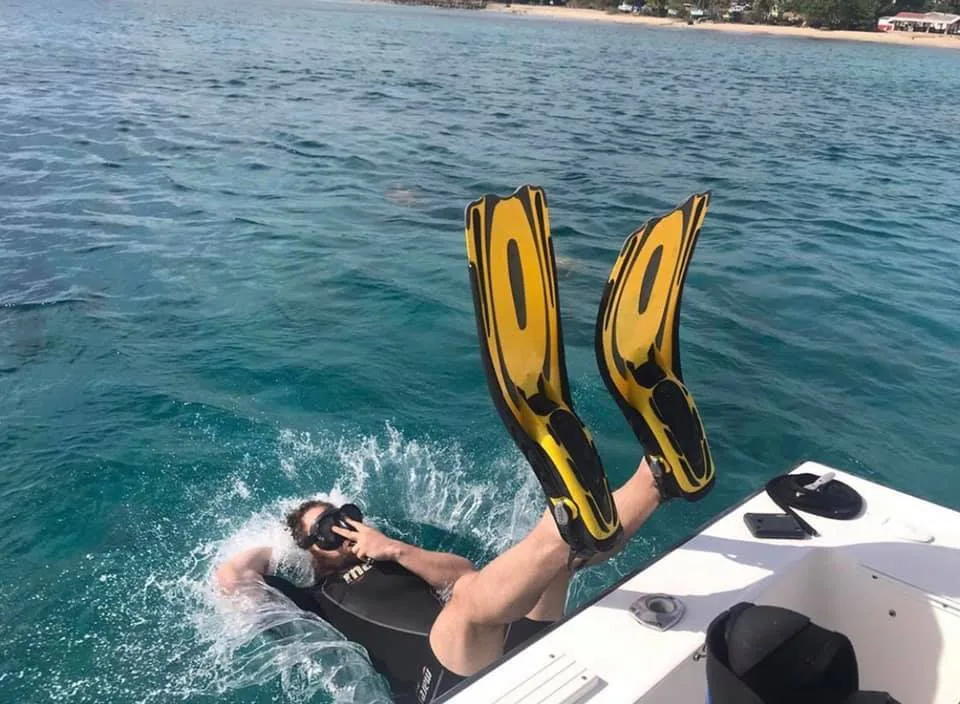
Shermans is chiefly a boat-diving base for the reefs and wrecks along Barbados's west coast. The programme can move from shallow reef work to structured wrecks and deeper profiles, with the Pamir suited to a broad spread of experience and the Stavronikita demanding more careful planning. Currents are generally gentle on some reefs, but they are variable across the area, so a calm-looking site should not be treated as a guarantee for the next one. Most outings involve a boat from a local harbour or centre rather than a walk-in shore dive. Visibility is best treated as a condition to discuss on the day, alongside the current and the alternative sites available. That flexibility suits photographers, especially around fixed wreck structure and sandy corridors, and also makes a shallow reef a sensible follow-up to a deeper morning.
The reefs provide the main living backdrop, with abundant fauna using the hard surfaces and shelter around the reef and wreck environments. At the Pamir and the Stavronikita, the attraction is not only the outline of the ships but the way fixed structure gives the eye somewhere to search while you move along the site. Shermans is therefore more about close observation than a promised encounter with one particular seasonal animal. Diving is possible throughout the year, so reef life remains part of the experience whenever you travel. Photographers can ask for a wreck or reef with clear structure and sandy corridors, while a shallow reef offers more time to look carefully after a deeper profile.
Shermans can be dived throughout the year, with the west and south coasts generally regarded as practical year-round areas. There is no firm month to put above all others for this base, so the sensible reason to travel is the combination you want rather than a narrowly timed wildlife event. A five-to-seven-day visit leaves room to use the calmer-looking days for the deeper wrecks and keep shallower reefs for a more relaxed outing. Conditions can alter the planned site, current or visibility, making a flexible booking more useful than building the entire holiday around one wreck.
This coast is exposed to sargassum strandings, whose intensity varies greatly from year to year. To find out more, see the “Sargassum alert” panel on this page.
There is something here for most certified divers, provided the site is matched honestly to experience. The Pamir and selected reefs can suit beginners, while deeper west-coast profiles require more planning. Advanced Open Water or an equivalent qualification is useful for the wrecks and deeper dives. Any penetration of an overhead wreck needs a proper Wreck qualification, suitable equipment and a defined exit plan. Do not mistake a shallow upper section of the Stavronikita for an easy penetration dive.
From London Heathrow, London Gatwick or Manchester, travel to Barbados, then continue to Shermans by road. The final approach is terrestrial, with no ferry or domestic flight needed to reach the area. Bridgetown and Barbados's international airport provide the practical road gateways, while west-coast dive centres generally operate from local bases or embarkation points. Allow for the road transfer when planning the first and last diving days, rather than treating the flight arrival as the start of the dive schedule. Once settled, access depends on your accommodation: some journeys may be on foot in the local area, while others call for a taxi or shuttle. The coast road is what links the base to the day's boat departure.
Tell the centre your actual level before accepting a site, especially if the suggestion is the Stavronikita. Its upper section can look deceptively manageable, but the stern lies much deeper, and penetration is a separate discipline from swimming over an intact wreck. If you plan to go inside, settle the qualification, equipment configuration, penetration limits and exit plan before leaving the boat. Ask what is running that day rather than assuming a gentle current on one reef applies along the whole coast. A morning departure can help avoid the busiest periods on well-known sites, and it is worth keeping a less famous reef as an alternative. Build the holiday as a multilevel sequence: use a shallow reef after a wreck or deep profile instead of stacking demanding dives. For a group with mixed experience, ask specifically for a Pamir or reef plan that does not leave newer divers following a technical itinerary.
Plan Shermans as a five-to-seven-day land-based stay. That gives enough time to combine reef outings, the Pamir and a more considered attempt at the west-coast wrecks, while leaving non-diving days for Speightstown, beaches and inland excursions. A shorter break works if the aim is only a few boat dives. The Folkestone Marine Park and Museum adds a useful shore-based focus, while snorkeling, boat trips, coastal walks and local food keep the itinerary moving when you are not underwater.
Hello, I'm Marina, DivingDeal.com's AI assistant. I guide you through destinations, areas and countries.
Thinking about the whole trip and the flights? Talk it over with Edith →
Marina is an AI. Some links are affiliate links: DivingDeal may earn a commission, at no extra cost to you. Bookings are made with the partner.
You can dive Shermans throughout the year, with Barbados’s west and south coasts generally practical in every season. Choose your travel period for the combination of reefs, wrecks and shore activities you want, rather than a seasonal wildlife event. Keep plans flexible because currents, visibility and available sites can change.
Shermans offers options for most certified divers when sites match your experience. Beginners may suit selected reefs and the Pamir, while deeper west-coast profiles need more planning. Advanced Open Water or equivalent training is useful for deeper wrecks. Any overhead penetration requires proper wreck training, suitable equipment and an exit plan.
You can explore shallow west-coast reefs, the Pamir wreck and the Stavronikita, whose stern drops into deeper water. Reef and wreck structures shelter abundant fauna, while sandy corridors and fixed surfaces offer subjects for close observation and photography. The experience focuses on reef life and structure rather than a specific seasonal animal.
Plan Shermans as a land-based stay around Speightstown, using boat departures from local harbours or dive centres. Combine reef outings with the Pamir and carefully planned deeper wreck dives, while leaving alternatives for changing conditions. Include Folkestone Marine Park and Museum, beaches, coastal walks, local food or inland excursions between dives.