






Diving in the Caribbean: wildlife, wrecks and measured choices
Cuba keeps its diving lightly visited and boat-based; Bahamas has moderate traffic and boat-and-shore diving, with The Shark Emporium Shark Dive as a named option.
What makes this area unique
- Tarpon gives Curaçao a signature wildlife encounter
- Variable current makes Bahamas briefings matter
- RMS Rhone provides a named wreck choice
- No liveaboard option exists anywhere in the Caribbean
- Cuba remains lightly visited beside moderate-demand destinations
- Scott’s Head Drop Off demands current awareness
This region for a diver
The Caribbean is a region where a premium trip need not mean premium pricing: moderate prices run through the choices, but liveaboards do not. That changes the shape of a year’s diving. You choose a land base, then build around boat work, shore access, repetitive nitrox profiles and the day’s briefing rather than a week-long vessel itinerary. The shared cast (sea turtle, Great barracuda, Angelfish, Moray eel, Snapper and Sponge) makes the region recognisable, while current, walls, wrecks and macro interests separate islands. Transfers and crossings, marine-park rules, a weather margin and a day buffer matter because the itinerary is land-based.
What you come to see
You come here for a recognisable Caribbean cast encountered repeatedly rather than a single resort’s showpiece. Sea turtle, Great barracuda, Angelfish, Moray eel, Snapper and Sponge belong in the expectation from one end of the region to the other. Reefs, walls and wrecks change the encounter: a turtle may cross open reef, a barracuda may hold away from the structure, while a moray eel or Angelfish rewards controlled contact-free observation. A drift dive or variable current can make the same wildlife feel more active, but it also makes buoyancy and the briefing part of the wildlife decision. Names such as Champagne Reef in Dominica and Anse Chastanet Reef in St. Lucia are useful anchors, not reasons to assume identical conditions. The sharper choices are country signatures. Curaçao is the tarpon choice; Martinique brings Thazard; Dominican Republic is where the seahorse becomes the deciding animal; Saba is the place for reef shark. Choose the country around that one encounter when it matters more than a general reef list.
Which one to choose
Choose first by the shape of the diving, not by a headline animal. Cuba suits a lightly visited, boat-diving trip; Bahamas combines boat and shore access with moderate visitation. Dominican Republic also leans towards boat diving, but its light current may be preferable to the variable current of Bahamas or Guadeloupe. Martinique’s mixed boat-and-shore format gives more flexibility between outings. No country solves the liveaboard question: the Caribbean has no liveaboard option, so transfers, crossings, repetitive nitrox profiles and a spare weather day belong in the plan. Prices are moderate across the region, which makes demand and diving style more useful discriminators than searching for a supposedly cheap island. Current awareness, a disciplined safety stop and a clear downcurrent briefing matter more than certification branding, whether you dive with BSAC, PADI or SSI. If timing is decisive, August and September are the only months when every country is in season.
What the whole region shares
Across the Caribbean, the appeal lies in seeing the same marine cast behave differently on reef, wall and wreck: Sea turtle, Great barracuda, Angelfish, Moray eel, Snapper and Sponge remain familiar reference points. Flottability and contact with the reef are not optional niceties when marine-park rules govern the encounter. Nitrox and repetitive profiles suit a land-based run of dives, while current briefings prepare you for a drift dive or a downcurrent finish. Transfers and crossings can consume the margin that looked generous on paper, so a spare day and the flight-after-diving rule belong to the same conversation as the diving. Moderate prices apply across the region, and no liveaboard changes the rhythm everywhere. The Caribbean’s unifying choice is therefore land-based diving built around reefs, wrecks and briefings.
Continue your exploration
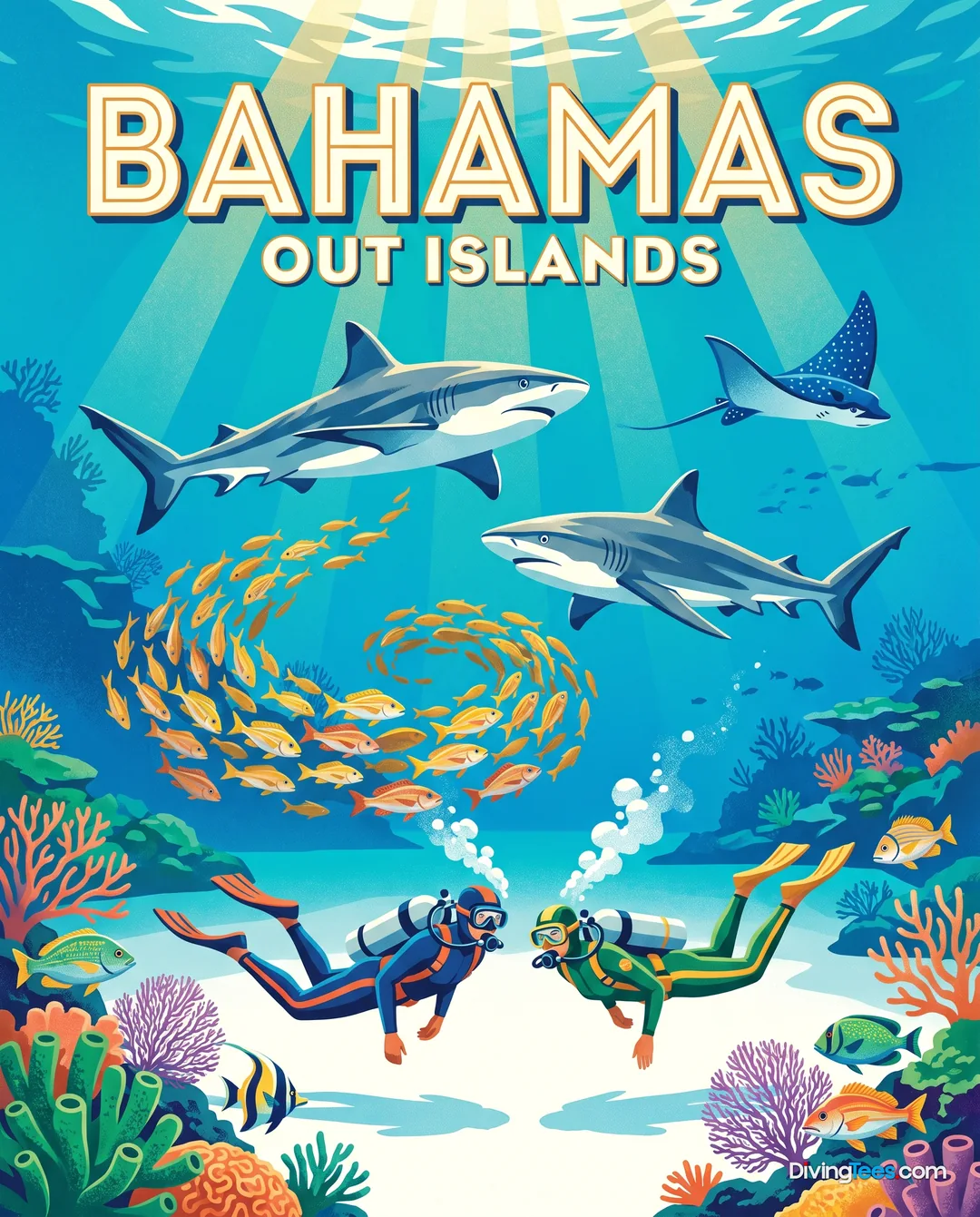
Bahamas →
20 sites
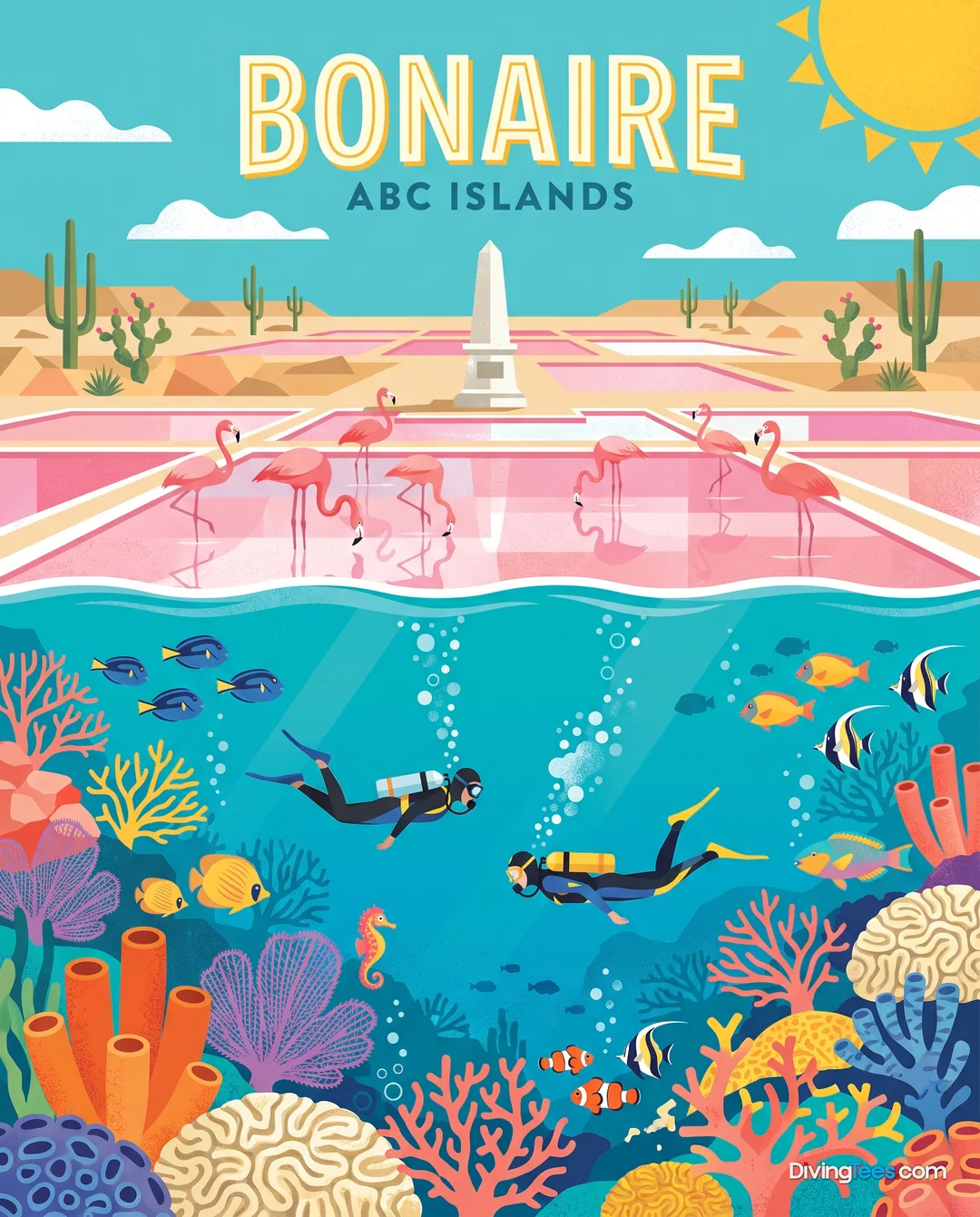
Bonaire →
9 sites
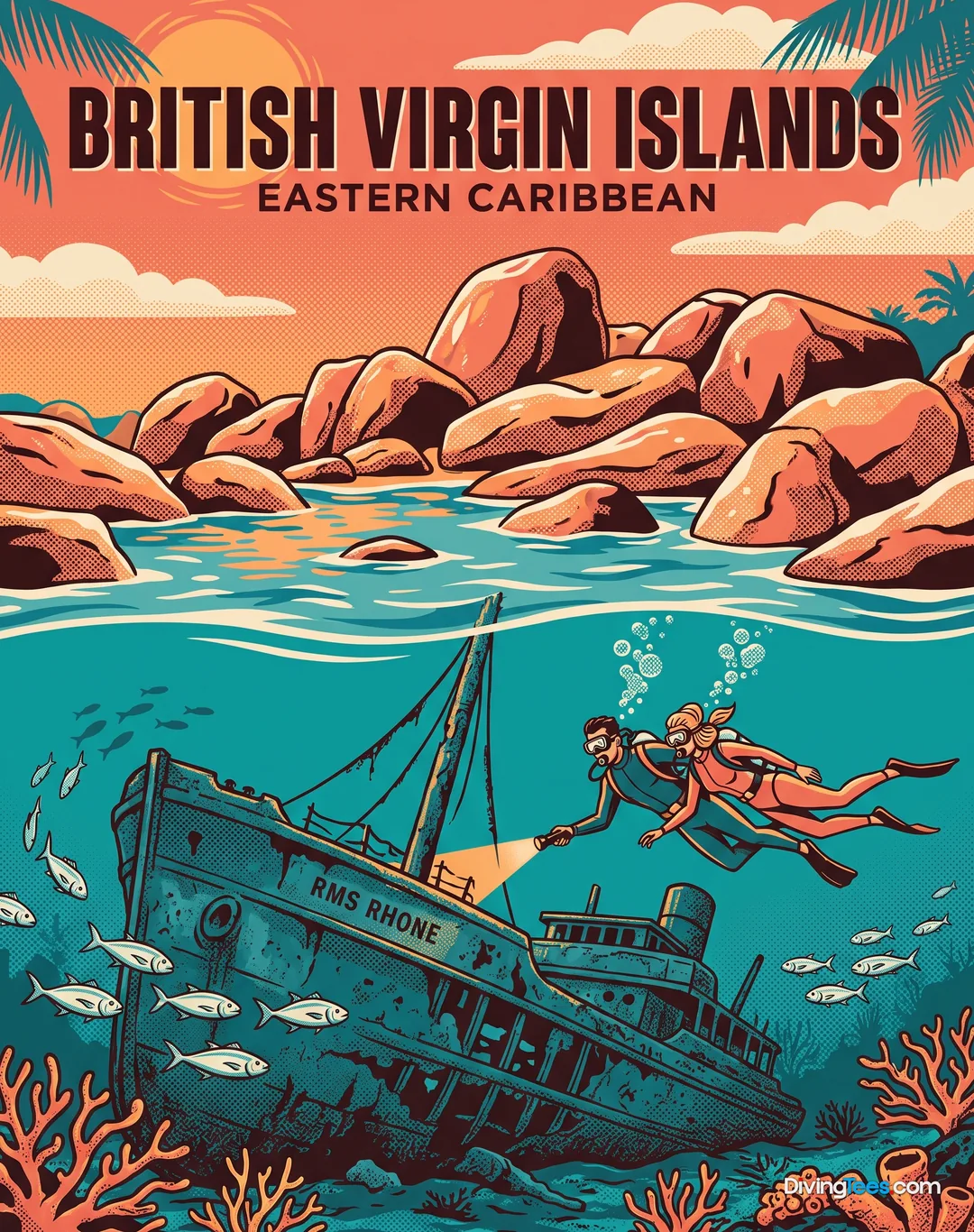
British Virgin Islands →
31 sites
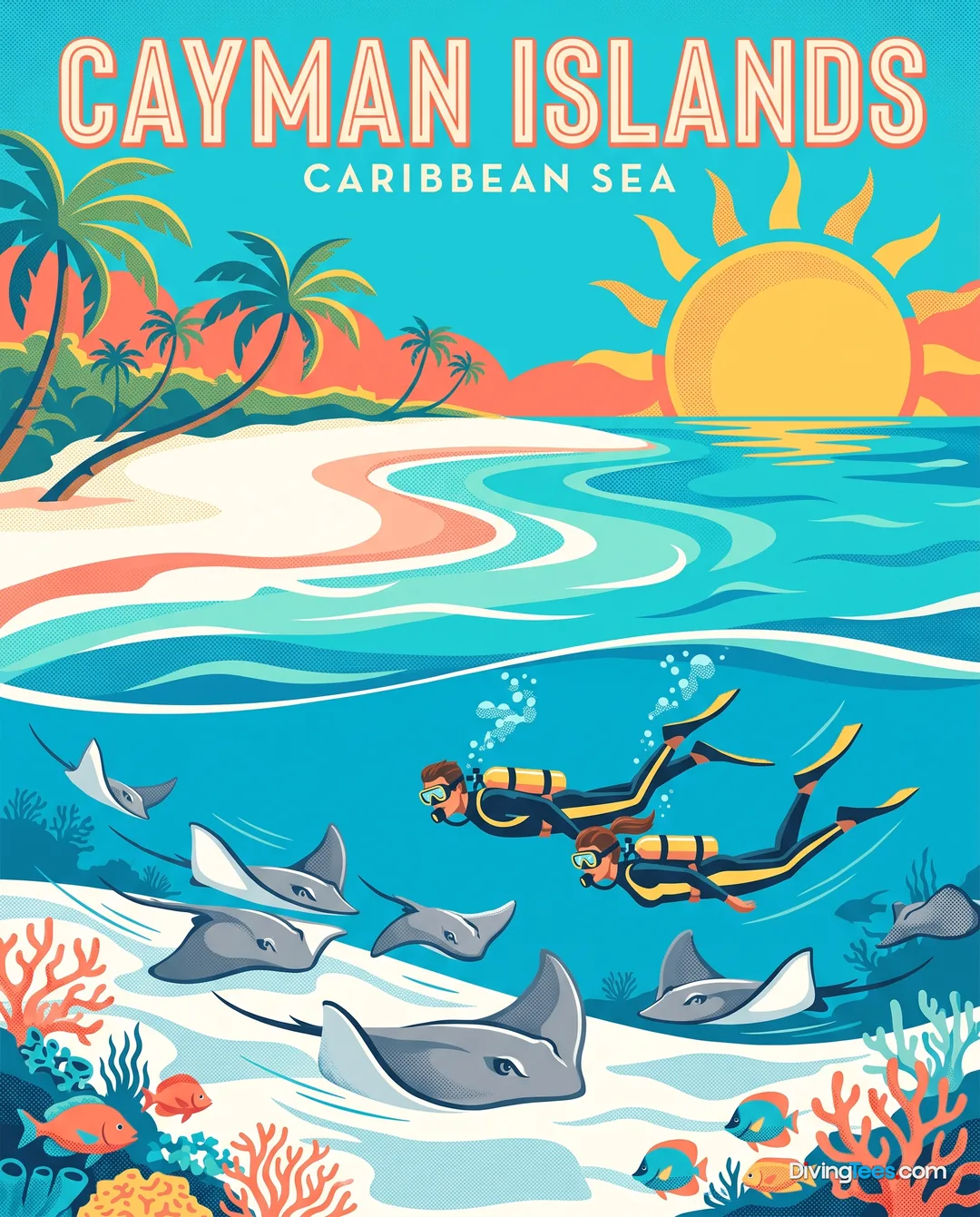
Cayman Islands →
2 sites
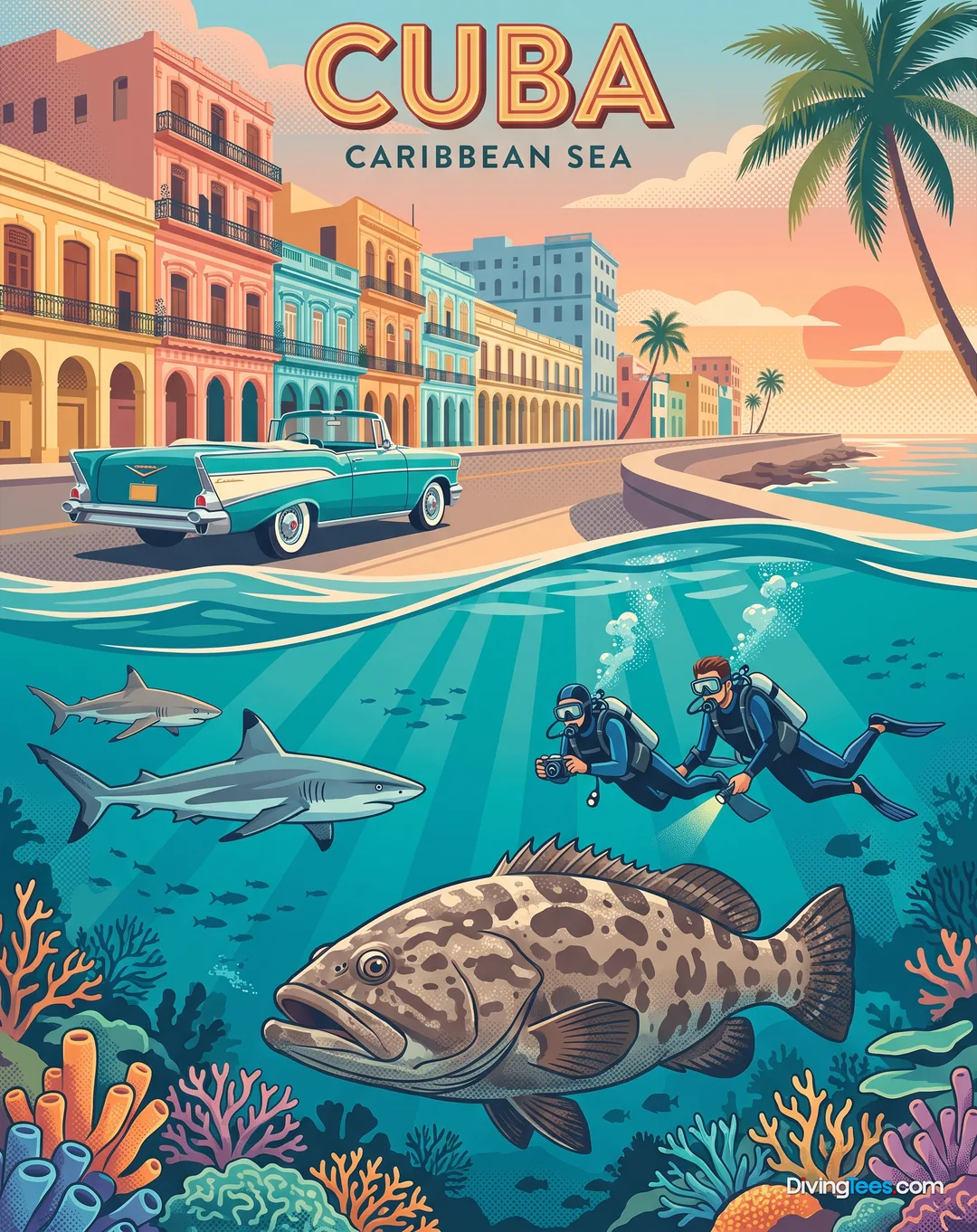
Cuba →
5 sites
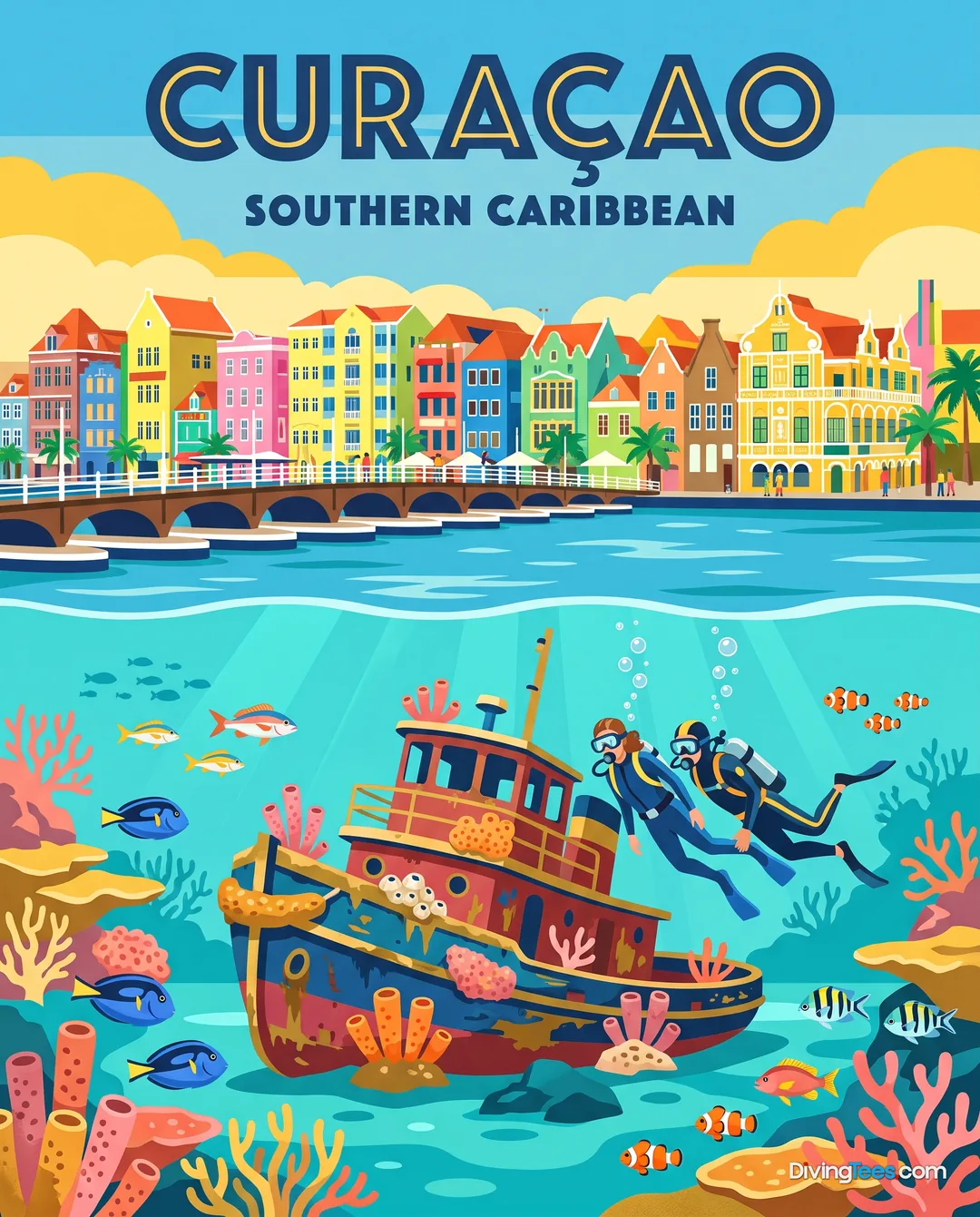
Curaçao →
7 sites
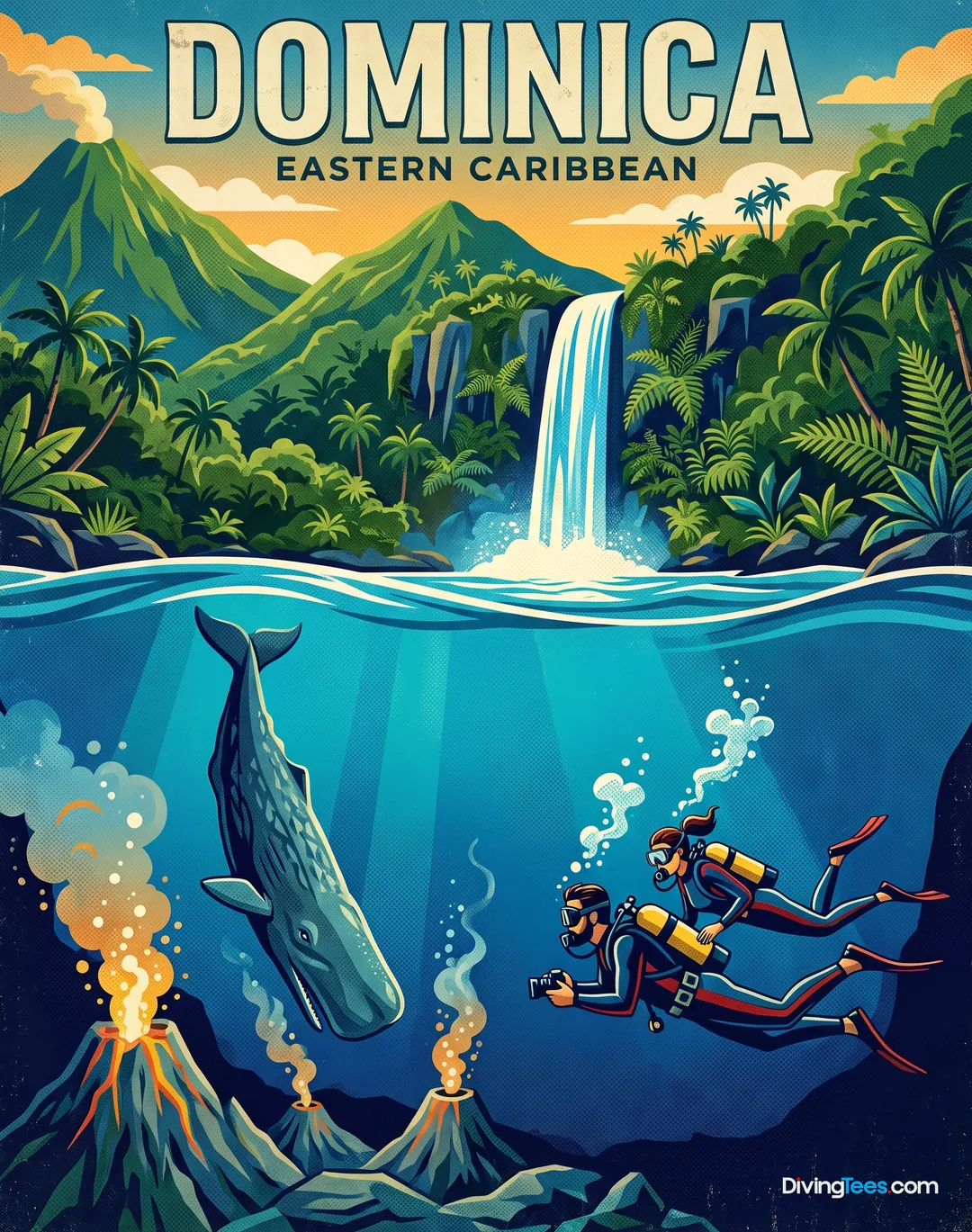
Dominica →
25 sites
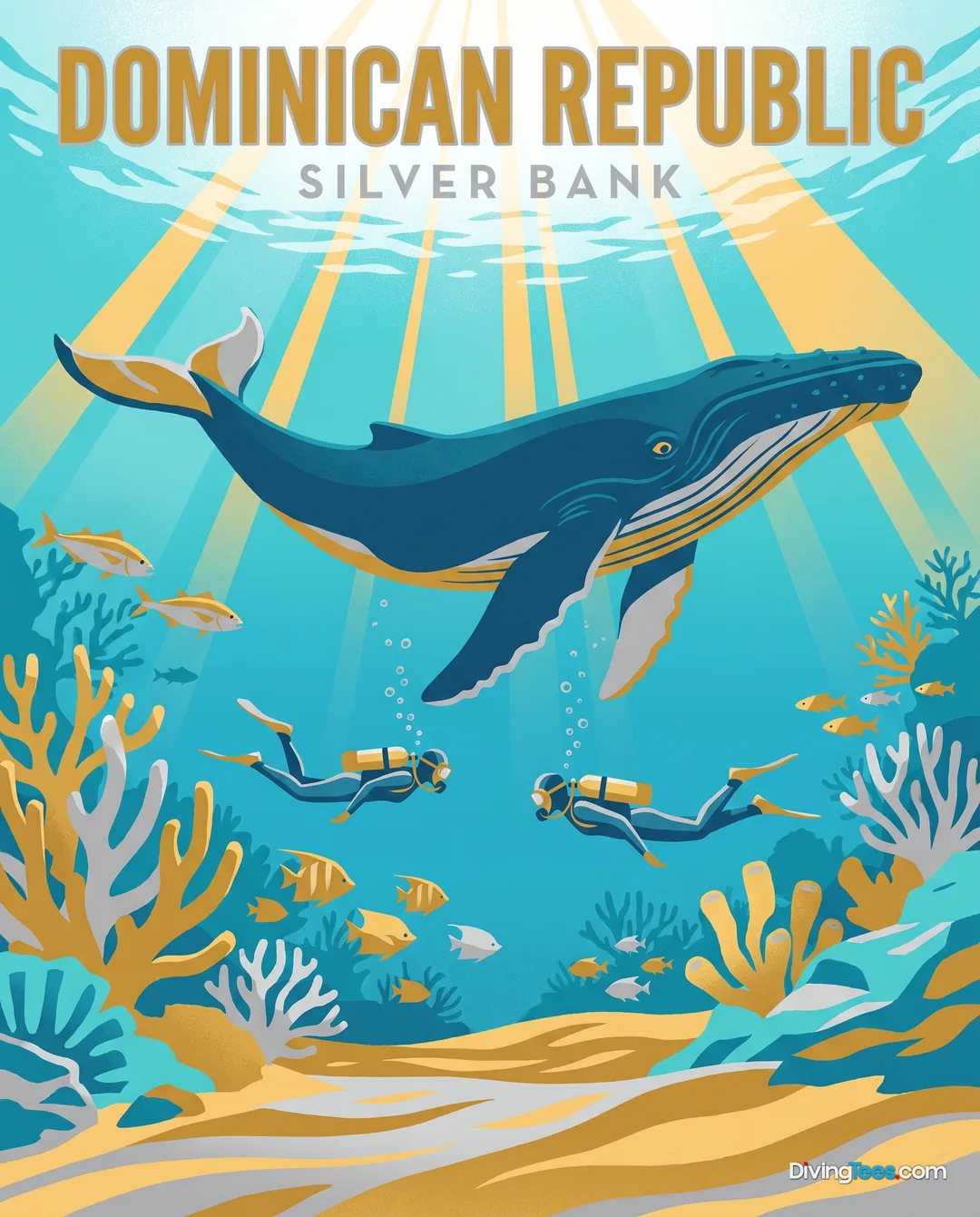
Dominican Republic →
5 sites
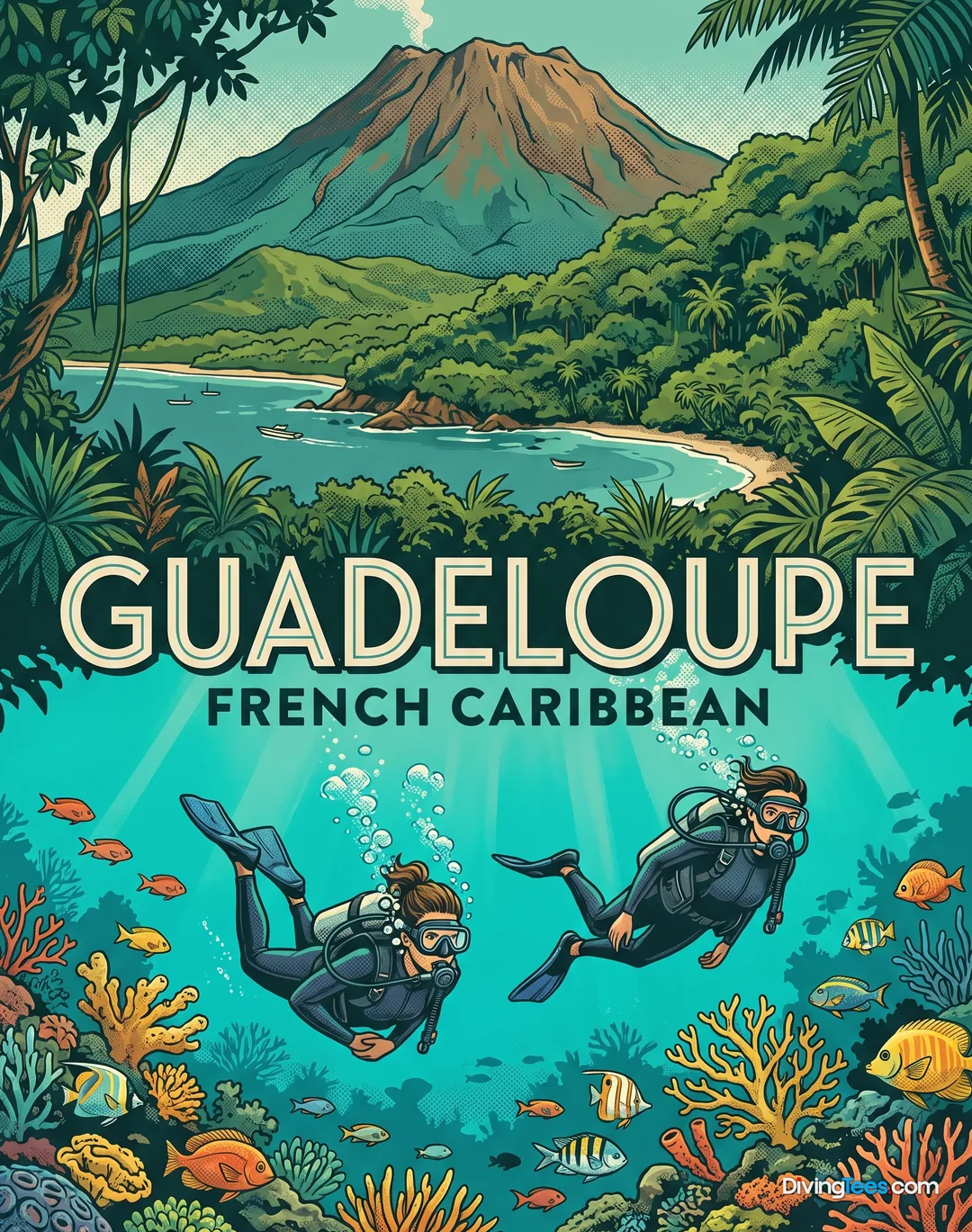
Guadeloupe →
32 sites
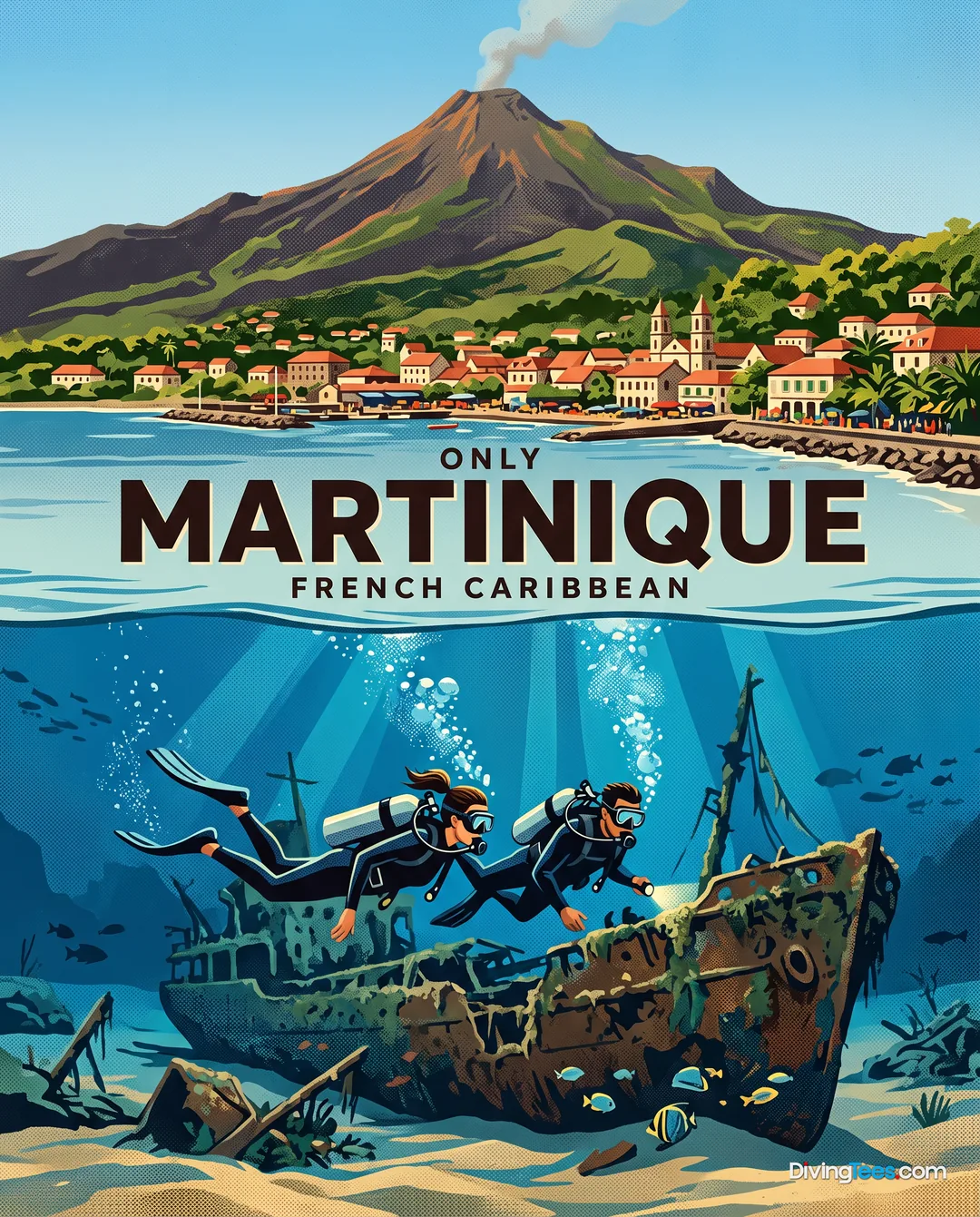
Martinique →
26 sites
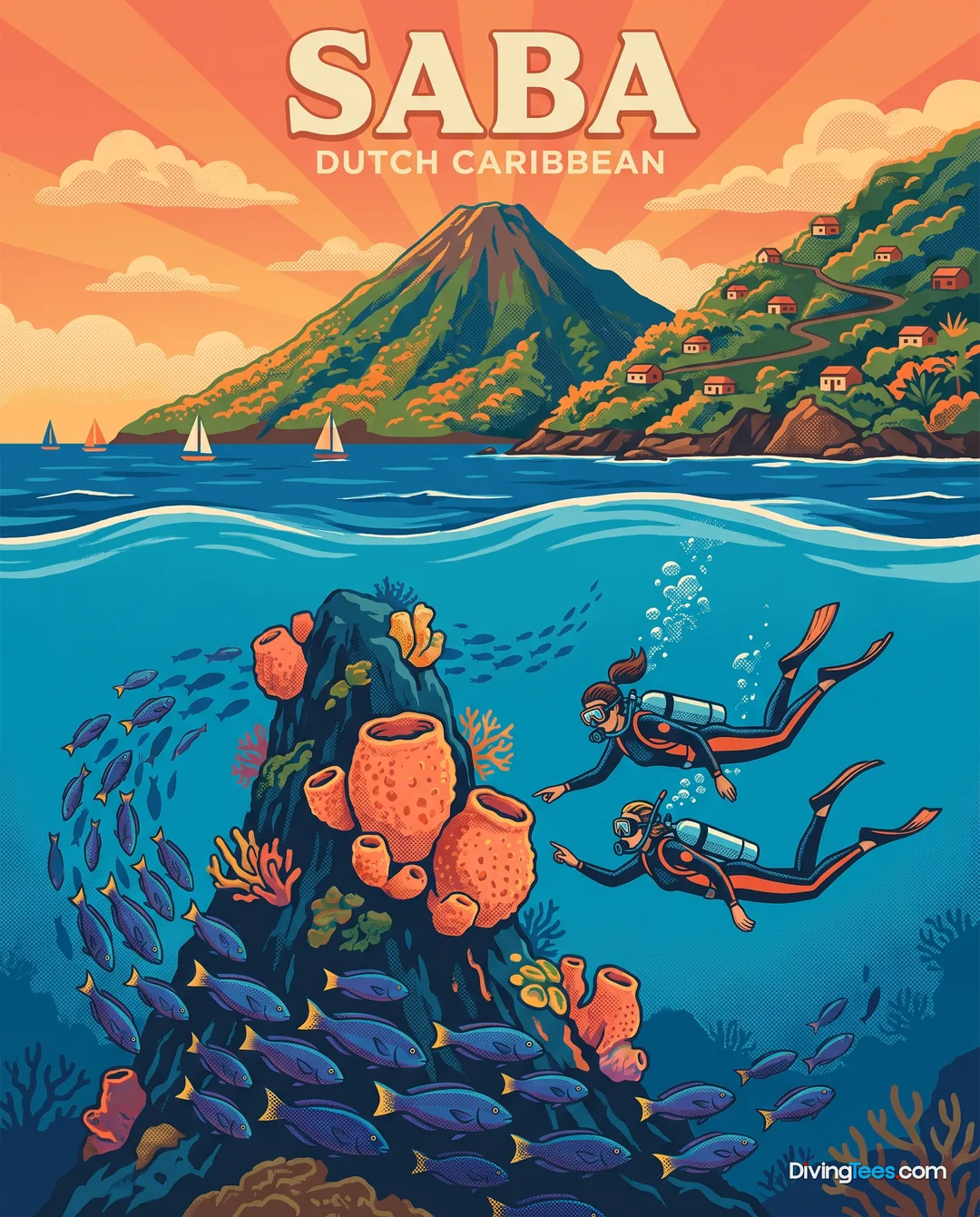
Saba →
5 sites
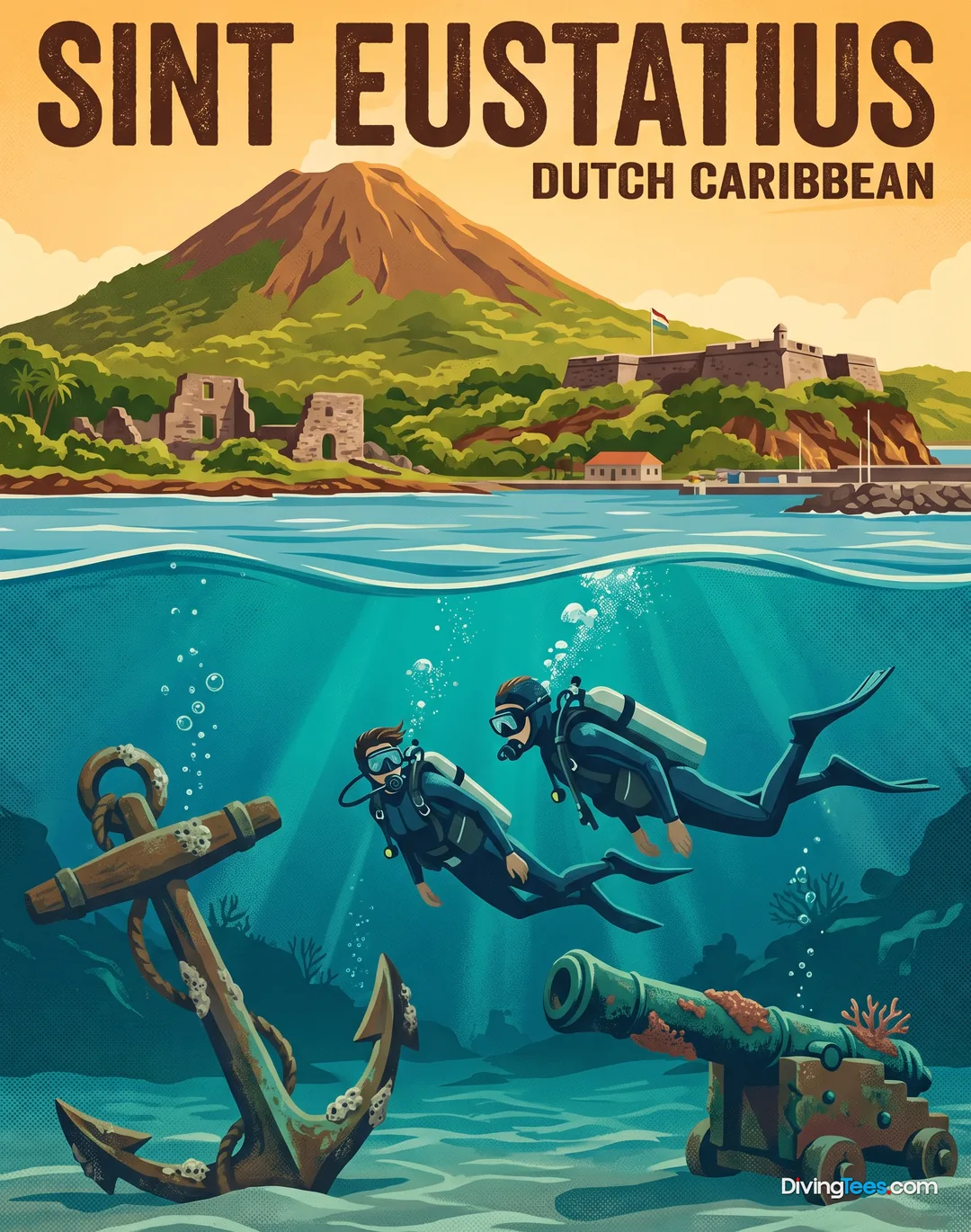
Sint Eustatius →
16 sites
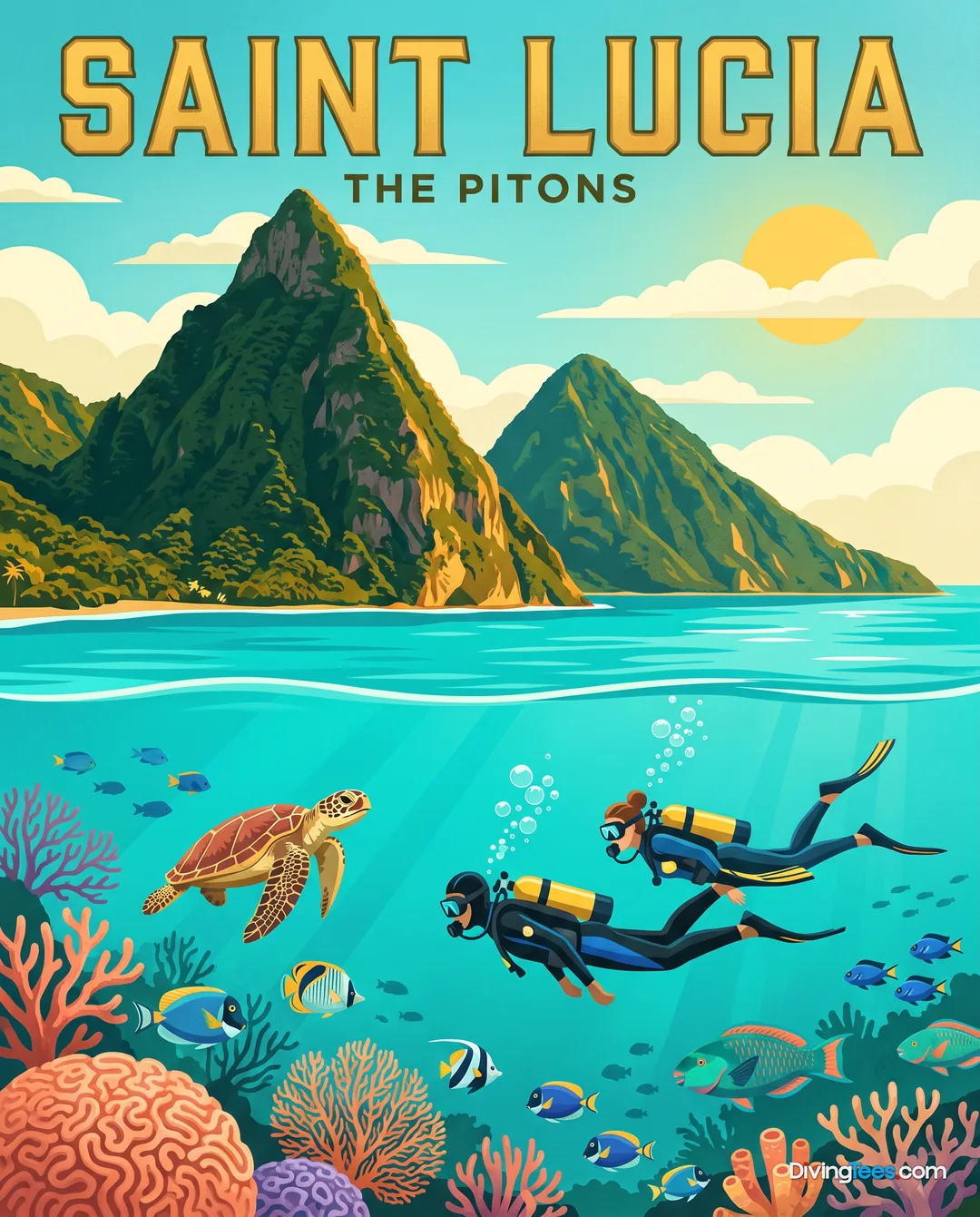
St. Lucia →
13 sites
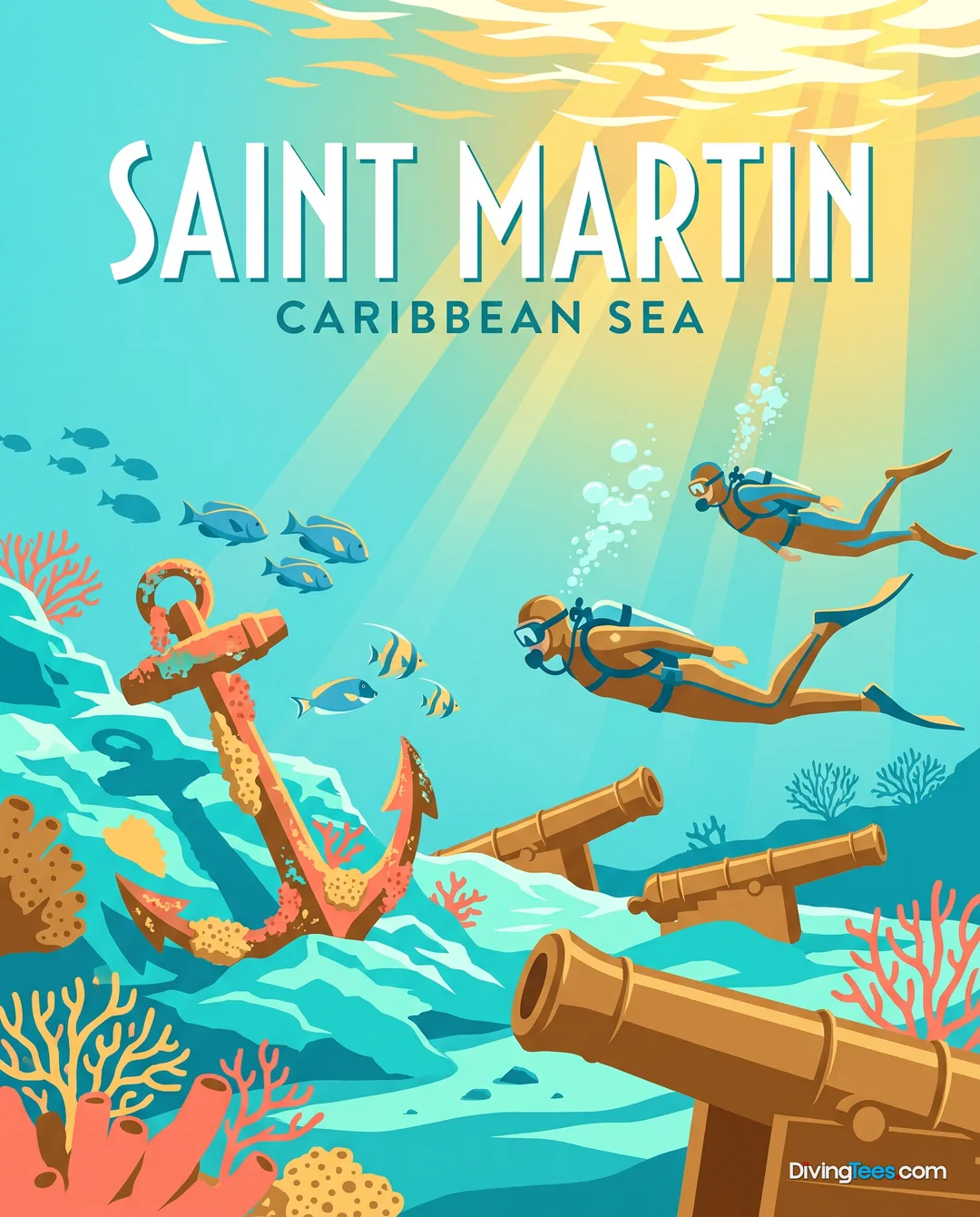
St. Martin →
2 sites
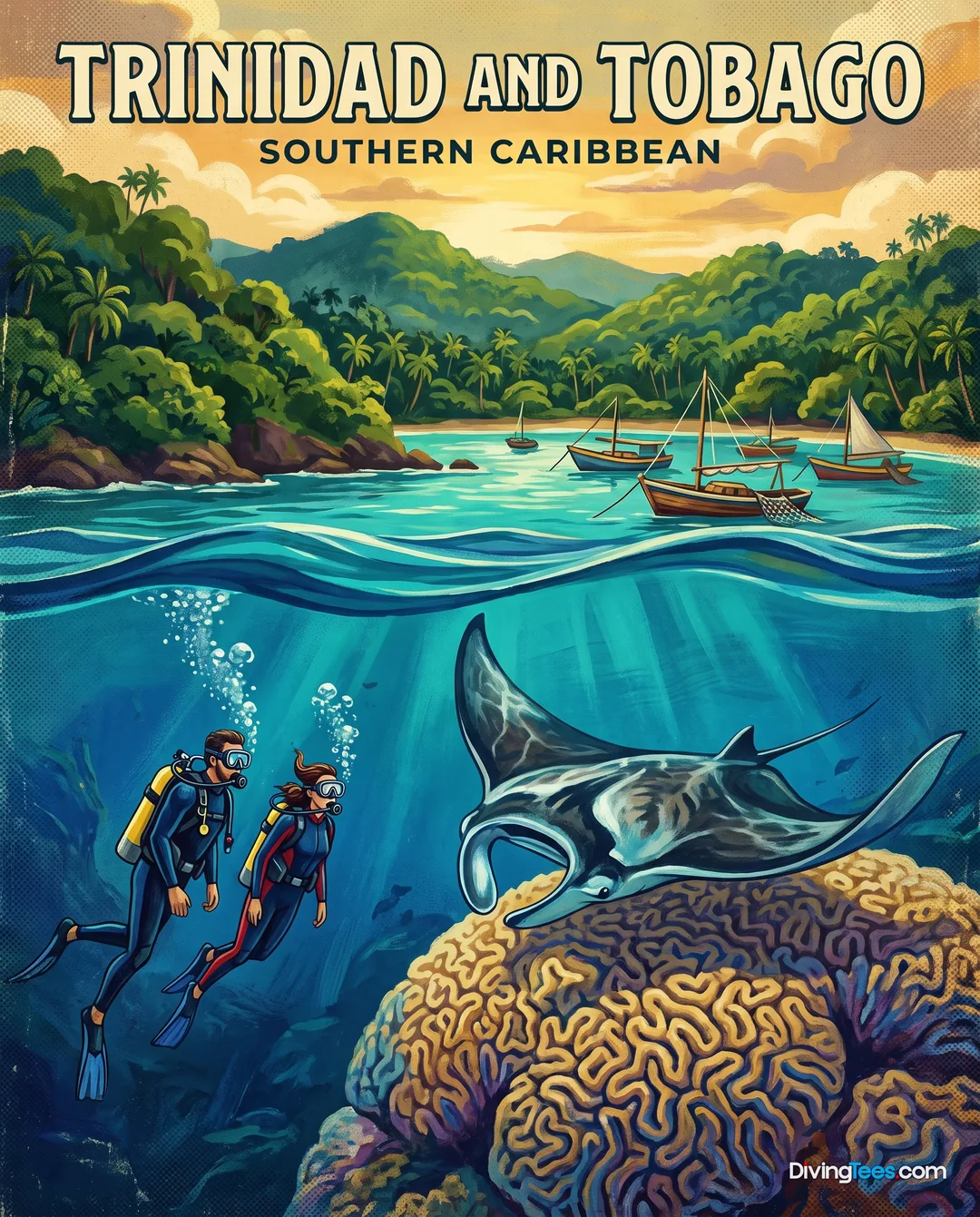
Trinidad & Tobago →
12 sites
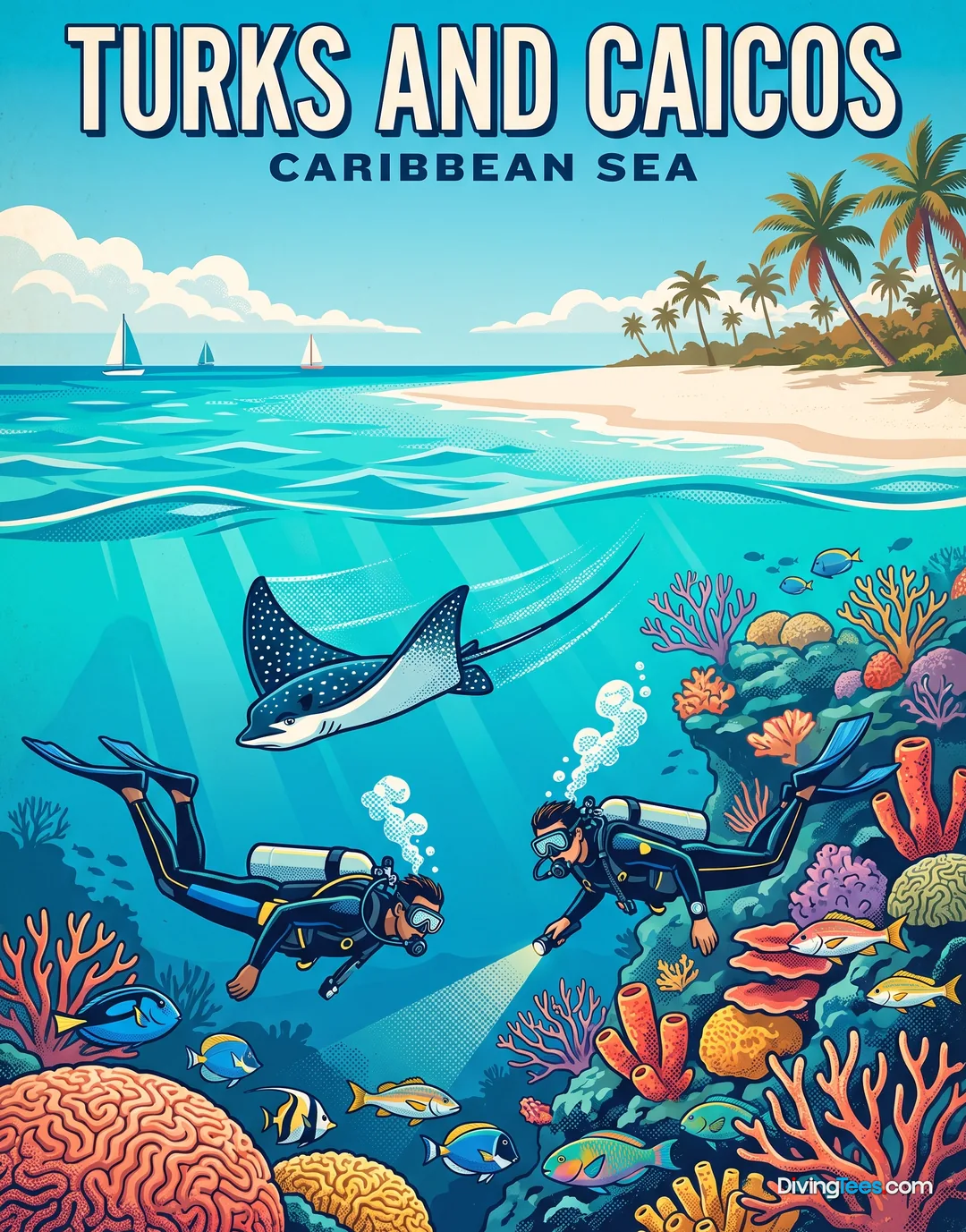
Turks & Caicos Islands →
1 sites
U.S. Virgin Islands →
1 sites