Liveaboards · Cayman Islands
Cayman Aggressor IV — a compact, dive-first yacht with a strong galley
What makes this boat unique
- The Cayman Aggressor IV takes up to 18 passengers in nine cabins, each with a private bathroom.
- Every cabin is on the main deck and has a bay window; selected cabins also have balconies or sea views.
- The dive setup includes a shaded dive area, platform, rinse tanks, separate camera rinse and one 15-foot tender.
- Nitrox is available, and sidemount divers are accepted with a single cylinder configuration.
- Eight-day, seven-night Best of the Cayman Islands trips run from Georgetown back to Georgetown.
For subtitles in English: start the video firstthen click the gearat the top right of the video, select “Subtitles/CC”, then “Auto-translate” and choose “English”.
The invitation
The Cayman Aggressor IV suits divers who want the practical side of a liveaboard done without fuss: a boat designed around diving, a small passenger group and food that is treated as part of the trip rather than fuel between dives. The strongest reason to choose it is the balance. The boat keeps the diving central, while private bathrooms, air-conditioned cabins, a shaded dive area and places to sit outside make a week of repeated dives easier on the body. The crew scores especially well for attention and safety, and the galley scores higher still. That matters after several entries into the water. The boat is a good match for a diver who values choosing how to use the day, rather than following a tightly managed holiday programme.
Boarding
Boarding puts you on a yacht built specifically around diving rather than a converted passenger vessel. The main deck is where the cabins are, so the route from room to common areas is straightforward, and the large cabin windows keep the sea present even when the boat is closed up. A shaded dive area, outdoor dining space, terrace and jacuzzi give the boat several ways to get out of the salon without turning every quiet hour into an expedition. The layout is made for a group that wants to dive often and move around easily between meals, briefings and the water. It feels organised rather than decorative: the useful spaces are where divers need them.
The atmosphere on board
The atmosphere is shaped less by formal luxury than by how well the crew keeps a diving week moving. Briefings, meals, equipment handling and safety support are the visible parts of their work; the less visible part is leaving divers enough room to run their own day. Passenger feedback points to a crew that earns more praise than the hull itself, with particular strength in attention and safety. That is a useful distinction: this is not being presented as a flawless new yacht, but as a boat whose people make the week work. Evenings can stay simple, with the air-conditioned salon, audio and video entertainment, outdoor seating and the day's photos providing enough to do after the water goes quiet.
The sites you’ll dive
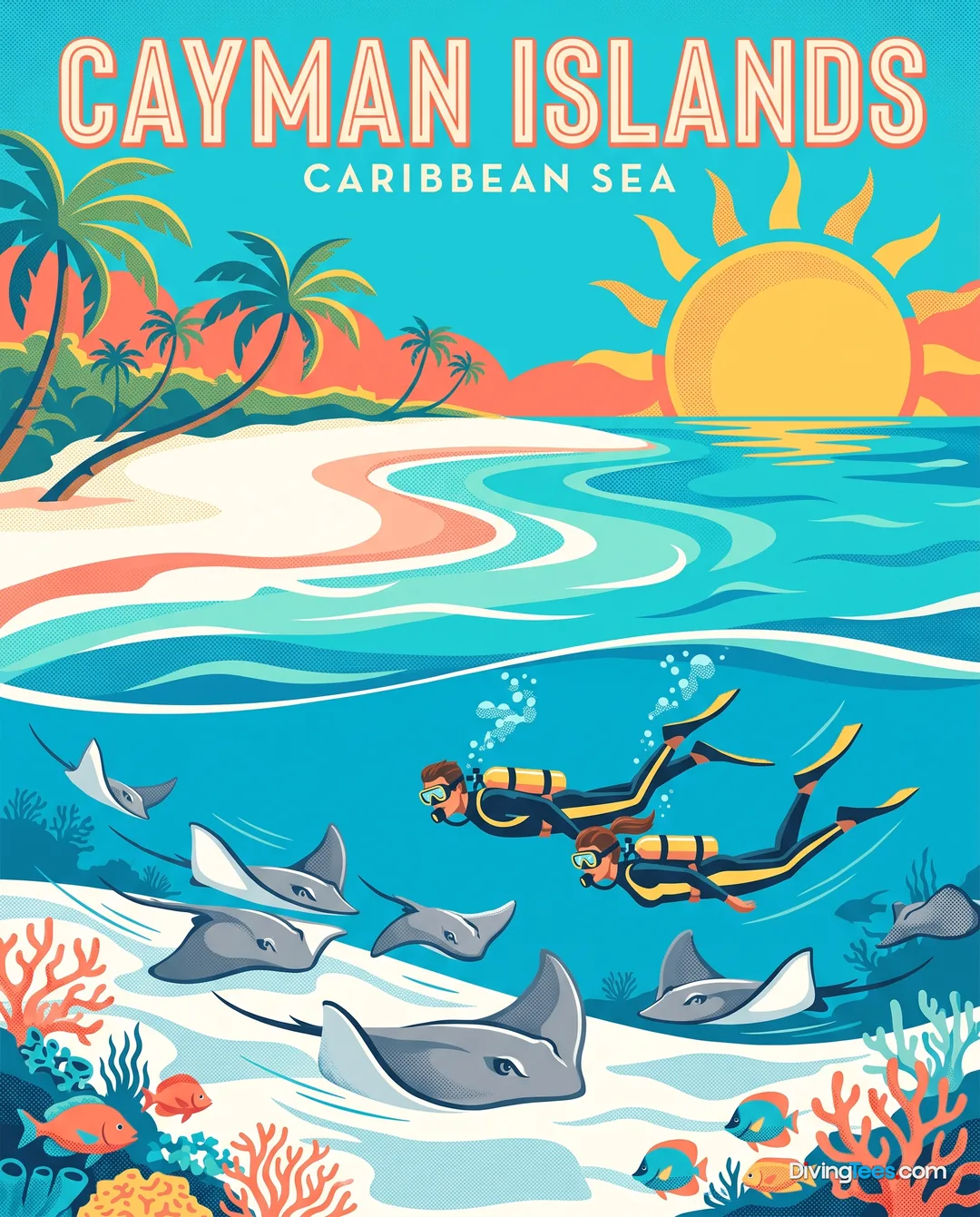
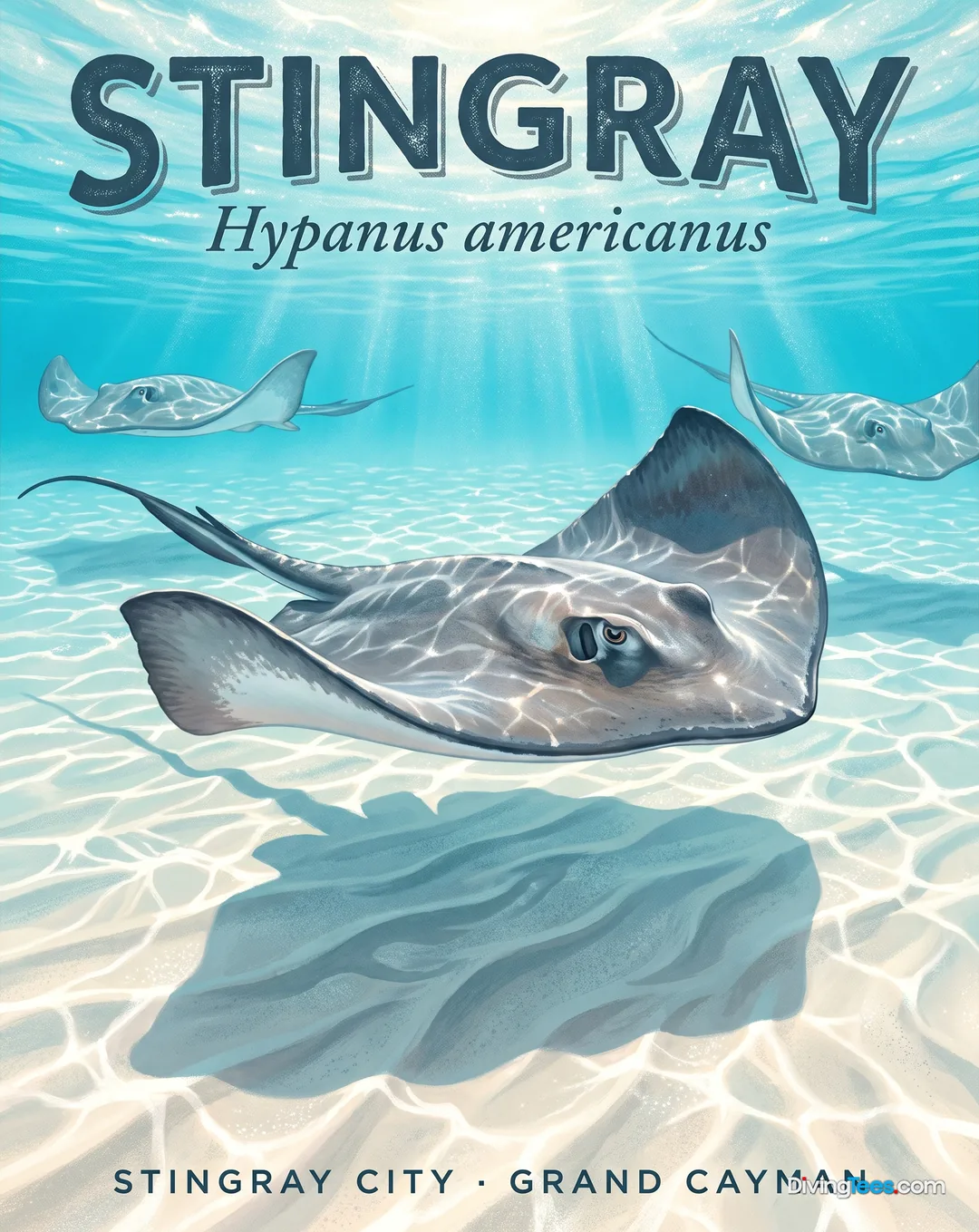
The recorded route has one named site: Stingray City in the Georgetown area, with a maximum depth of -3m. It is a shallow sandbar encounter with wild Southern Stingrays in their natural habitat within Grand Cayman's North Sound, not a deep reef dive or a wreck exploration. The stingrays are the reason for the stop: the sandbar gives divers and snorkelers a close view of these large rays moving across the bottom, with tropical fish around them. Best of the Cayman Islands itineraries run for eight days and seven nights, departing from Georgetown and returning there. The site list available for this route is short, so the attraction here is the particular encounter rather than a long catalogue of named dives.
What you’ll meet underwater
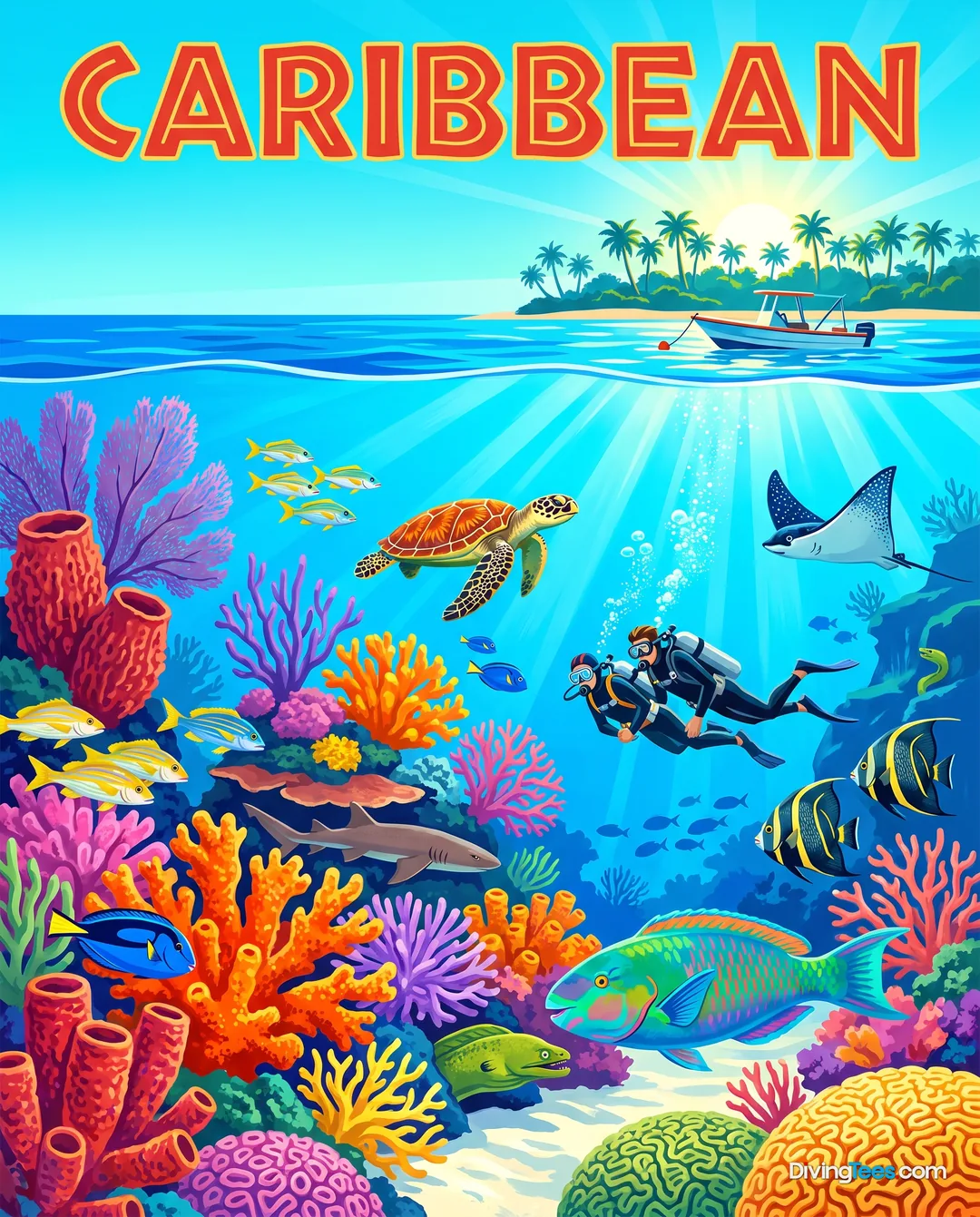
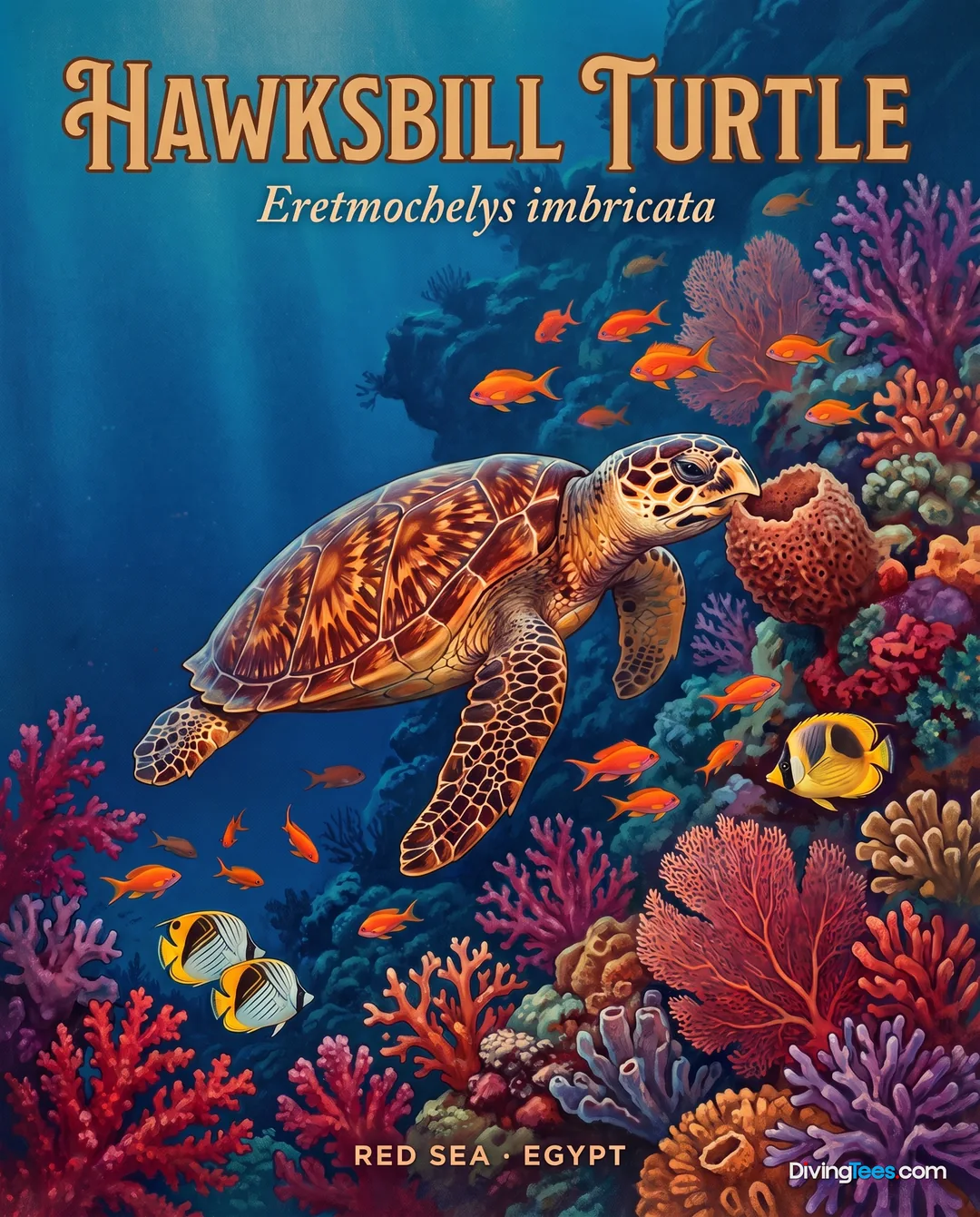
Stingray City is the route's animal encounter, and it is unusually shallow at a maximum of -3m. Wild Southern Stingrays move across the sandbar in Grand Cayman's North Sound, where tropical fish may share the scene. The same site is also where the route's more specific sightings are recorded: barracuda, green turtles, hawksbill turtles, green moray eels, spotted eagle rays and Southern Stingrays. None of those sightings should be treated as guaranteed, but each gives the stop a different reason to enter the water. This is a site for watching behaviour in open sand and shallow water, not for hunting a particular creature along a wall.
Who puts you in the water
Every dive starts with a full briefing from the dive staff. Dives are buddy-team dives, with teams of two or three; a staff member is not automatically a buddy unless the staff member and guest are the only people making the dive. When diving from the yacht, at least one staff member is in the water to offer support, help with photography and video, and spot small creatures. Divers are not required to follow that staff member, and the staff do not directly supervise every dive. The crew speaks English. Oxygen, first-aid kits and trained first-aid personnel are carried on board. Course availability can vary by instructor and trip, so the boat should not be chosen on the assumption that a particular certification will run.
The dive deck and the gear
The dive deck has the essentials in the right places: a shaded working area, platform, rinse tanks, separate camera rinse, camera space and a tender for access beyond the yacht. The single tender measures 15 feet by 4 feet. Rental equipment is available as an optional extra, while the boat accepts sidemount divers only with a single-cylinder setup. Nitrox is available for certified Nitrox divers; it is not part of the standard inclusions. The setup also welcomes snorkelers, which makes the tender useful for more than scuba logistics. Details such as tank volume, valve type, cylinder material and compressor configuration are not given, so divers with a specific setup should check that before committing.
Between dives
Between dives, the useful choice is between shade and open air. The shaded dive area keeps the return from the water out of the full sun, while the terrace, outdoor dining area, bar and jacuzzi provide places to sit without retreating to the air-conditioned salon. The boat also has an indoor lounge, audio and video entertainment and a camera room for the people who would rather sort images than talk through the last dive. Snorkelers and non-divers are welcome, so the quiet spaces are not reserved only for those wearing a tank. The arrangement works best for a diver who wants freedom to set the pace between briefings.
A day on board
The day is organised around briefings, entries into the water, meals and the recovery period that follows each dive. The crew gives the information for each dive before guests prepare their equipment, then provides support from the water when the dive is made directly from the yacht. Between dives, divers can rinse equipment, work on images in the camera area, eat, or move between the shaded dive space, salon and outdoor deck. The schedule is deliberately not written as a rigid clock: the material supports the order of the day, not fixed times or a guaranteed number of dives. The trip returns to Georgetown after the seven-night programme.
What you eat aboard
Meals are full board, with buffet service, snacks and a mix of Western and local cooking. The galley is described as gourmet rather than limited to standard boat fare, and non-alcoholic drinks, water, tea and coffee are included; wine is served with dinner. Beer and other alcoholic drinks are available separately. That range matters on a diving boat because the table has to do more than fill a gap: it is where the group resets after a dive, compares what was seen and takes on enough food for the next entry. The menu gives the week some variety without making the meal schedule feel like the main event.
Nights at sea
The nine cabins are divided into Twin Bunk-Style Staterooms, Deluxe Staterooms and a Master Stateroom. All are on the main deck, air-conditioned and fitted with private bathrooms; bay windows make the sea part of the room instead of a glimpse through a small portlight. Some cabins have balconies or sea views. The boat also has a quiet indoor salon and outdoor places to sit, so the cabin is not the only escape when someone wants darkness or privacy. Television is available in the cabins, but after a day built around diving, the practical luxuries matter more: a hot shower, a cool room and somewhere to put wet towels before the next briefing.
Twin Bunk-Style Staterooms
Deluxe Staterooms
Master Stateroom
What to know before boarding
Best of the Cayman Islands trips depart from Georgetown and return to Georgetown. Airport and hotel transfers are optional rather than included, so they need to be arranged separately. The recorded itinerary does not give a shipboard boarding time or a specific arrival recommendation.
Deck plan
- Length
- 32.9 m
- Beam
- 6.7 m
- Maximum number of passengers
- 18
- Number of cabins
- 9
- Number of bathrooms
- 9
- Cruising speed
- 10 knots
- Tenders
- 1 measuring 4.6 m × 1.2 m
- Website
- aggressor.com ↗
Hello, I'm Marina, DivingDeal.com's AI assistant. I answer in detail about hotels, dive centres and liveaboards.

Thinking about the whole trip and the flights? Talk it over with Edith →
Marina is an AI. Some links are affiliate links: DivingDeal may earn a commission, at no extra cost to you. Bookings are made with the partner.