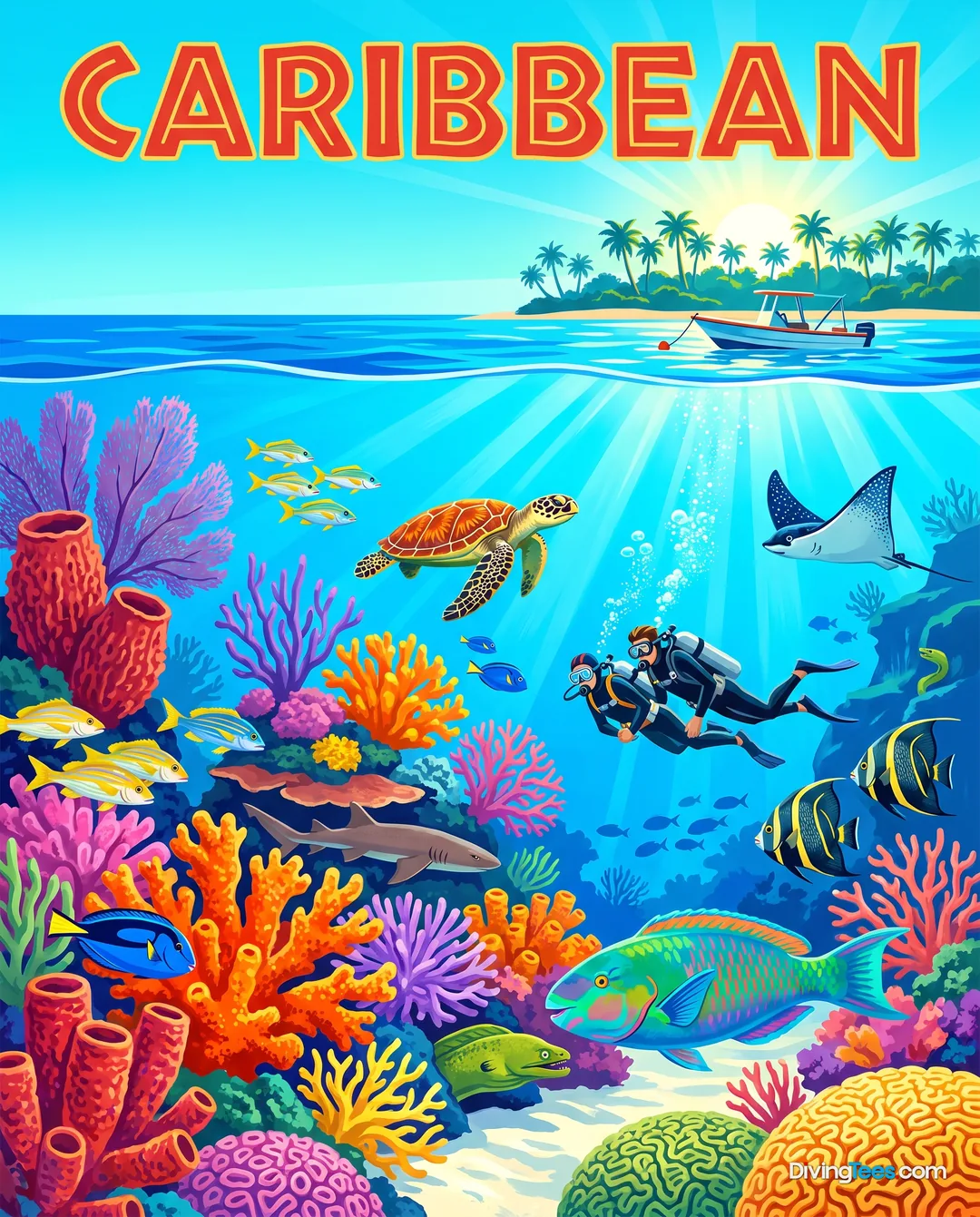
Caribbean
Cayman Islands: finance beside island life
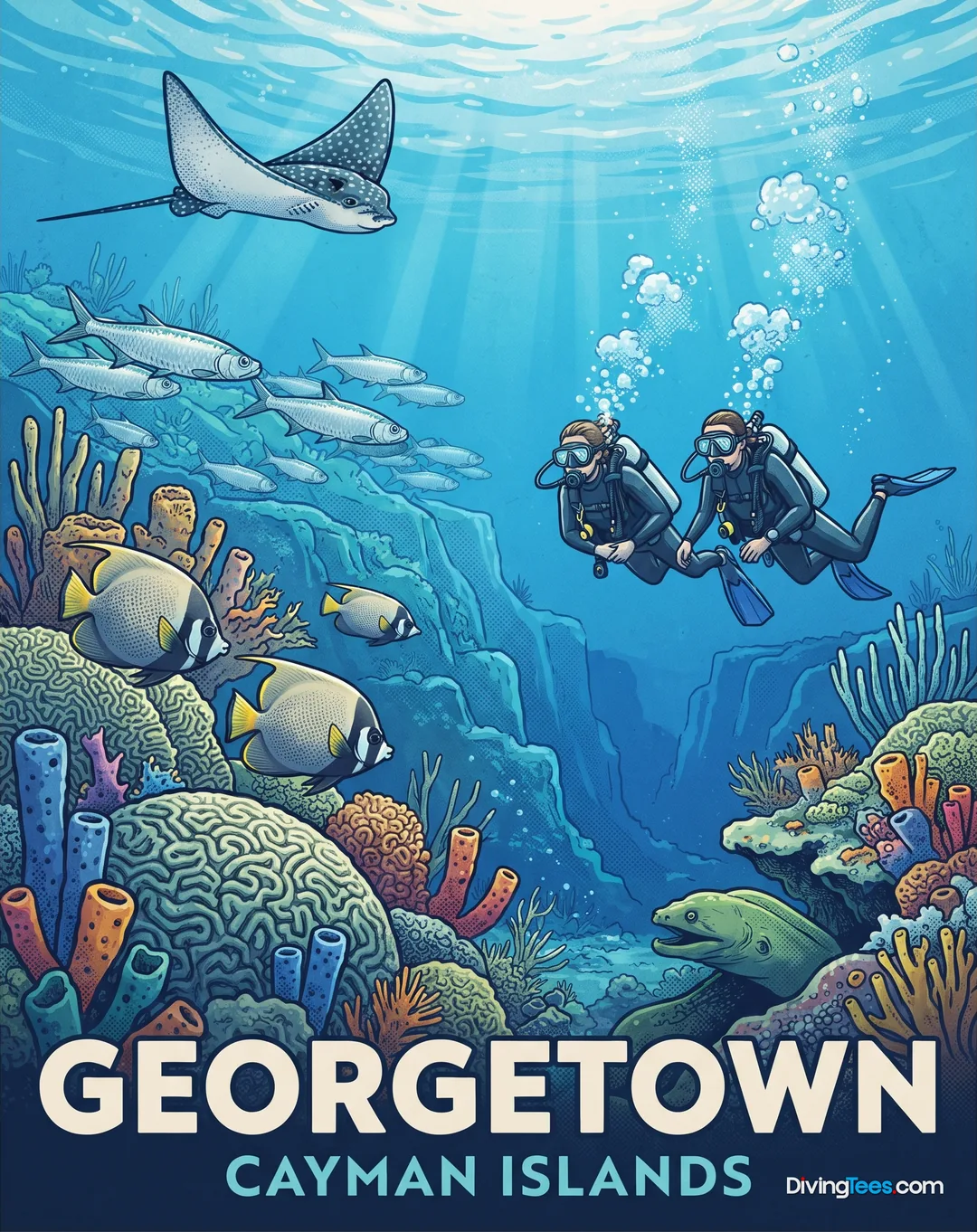
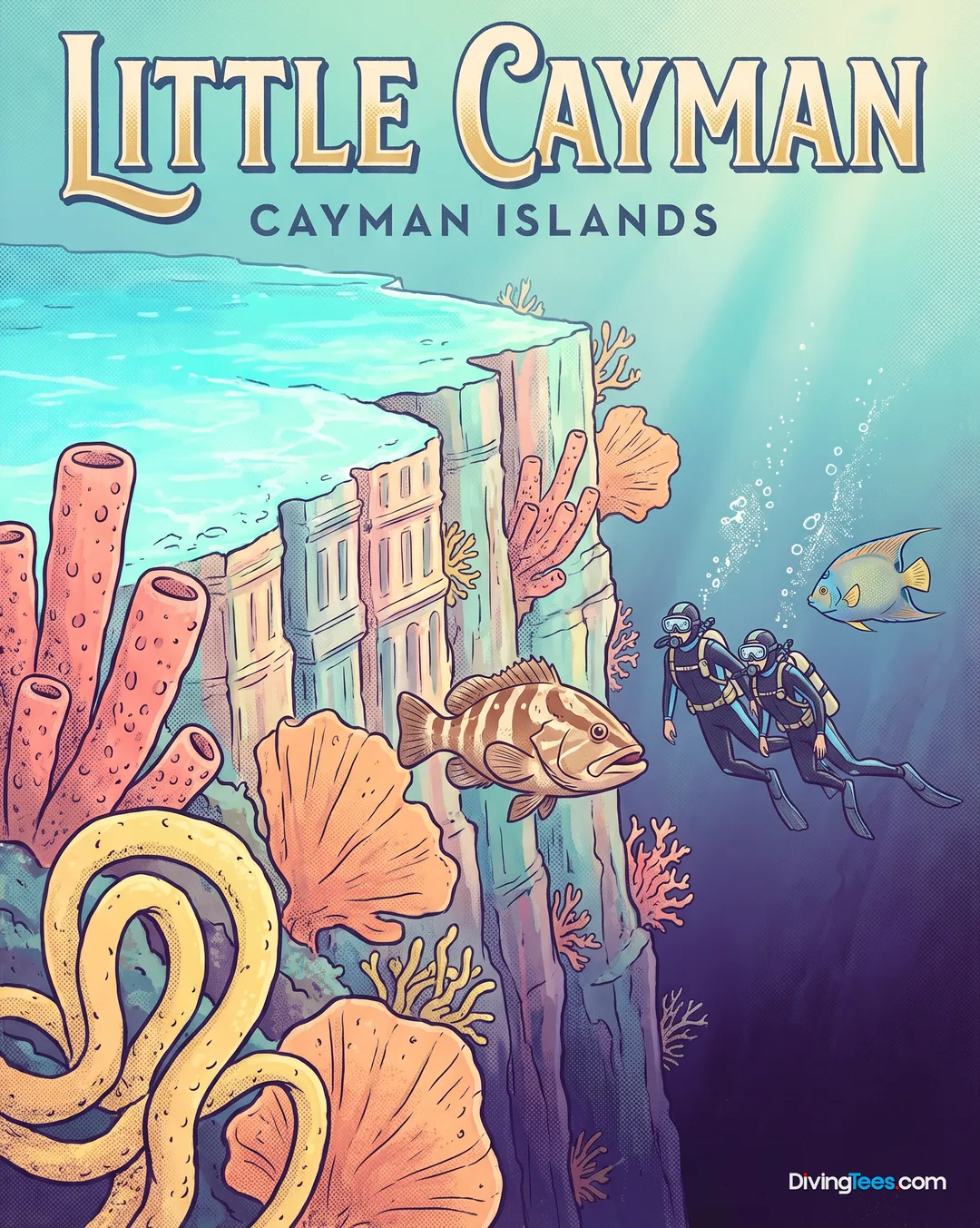
Grand Cayman places George Town’s financial waterfront beside Fort George, while Little Cayman leads towards Bloody Bay Wall and Booby Pond.
What makes this country unique
- Georgetown in August for the country’s named season
- Little Cayman’s Bloody Bay Wall
- Stingray City beside Grand Cayman’s capital
- Stew turtle and Cayman-style fish
- Booby Pond’s red-footed boobies and frigates
- Fort George and George Town’s old waterfront
- Owen Island reached by kayak from Blossom Village
This country for a diver
The Cayman Islands suit divers who value a well-structured island trip rather than a single resort bubble. Grand Cayman combines an established urban and financial centre with access to Georgetown diving, while Little Cayman is a much smaller community where nature shapes the days ashore. Stingray City in Georgetown and Bloody Bay Wall in Little Cayman provide two recognisable anchors without making the country’s diving interchangeable. Across the territory, strict marine-park etiquette, careful buoyancy and repetitive day-diving profiles are part of the practical culture around the water.
How the country divides
The country divides naturally between the developed setting around Georgetown on Grand Cayman and the deliberately quieter island setting of Little Cayman. Georgetown is the choice for divers who want restaurants, markets, banks, museums and straightforward access to George Town’s waterfront, with a hire car opening the wider Grand Cayman heritage circuit. It sits within a functioning capital rather than an isolated dive village, so the non-diving day can include the Cayman Islands National Museum or a meal in Bodden Town. Little Cayman is for travellers who prefer Blossom Village, small-scale accommodation, nature trails and a close community over urban choice. Booby Pond Nature Reserve, Owen Island and Point of Sand give the island its character away from the dive boat. A trip built around convenience and cultural variety belongs on Grand Cayman; a trip built around quiet routines and protected landscapes belongs on Little Cayman.
Diving destinations
Dive centres

Hotels
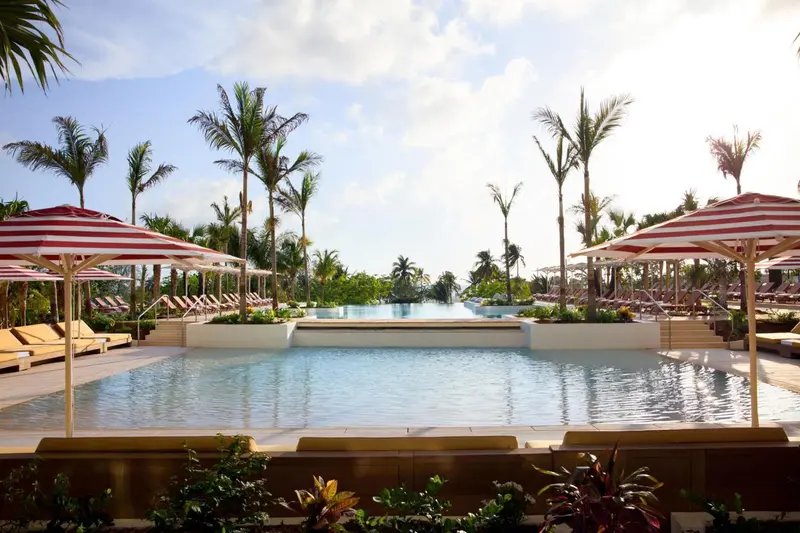
Hotel Indigo Grand Cayman by IHG
Seven mile beach, Georgetown
★★★★
Google 4.8/5 (544 reviews)
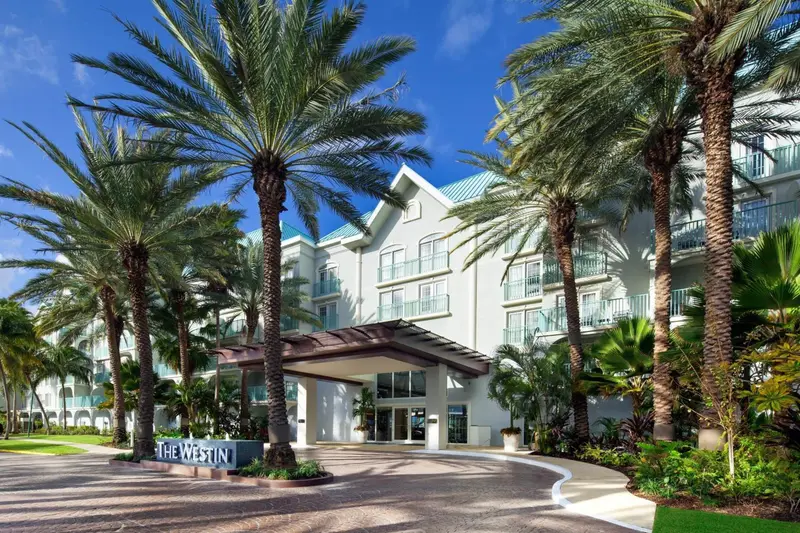
The Westin Grand Cayman Seven Mile Beach Resort & Spa
Seven mile beach, Georgetown
★★★★★
Google 4.5/5 (2,082 reviews)
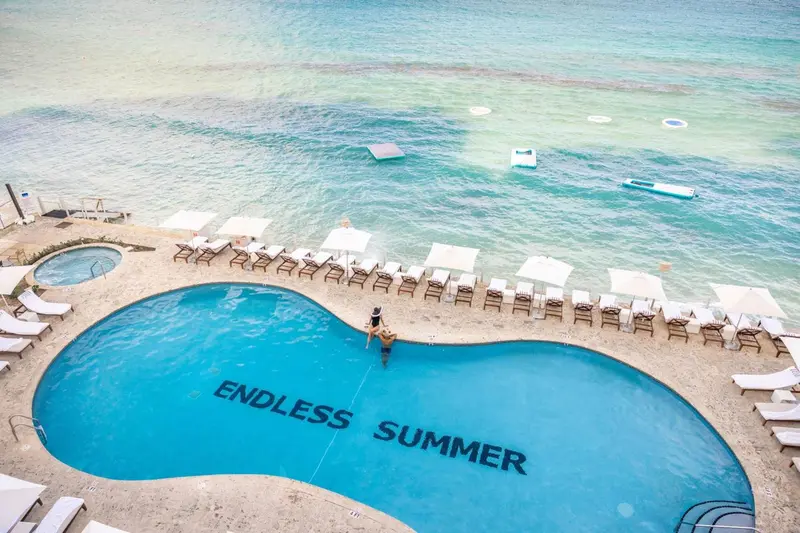
Grand Cayman Marriott Resort
Grand Cayman, Georgetown
★★★★
Google 4.5/5 (1,675 reviews)
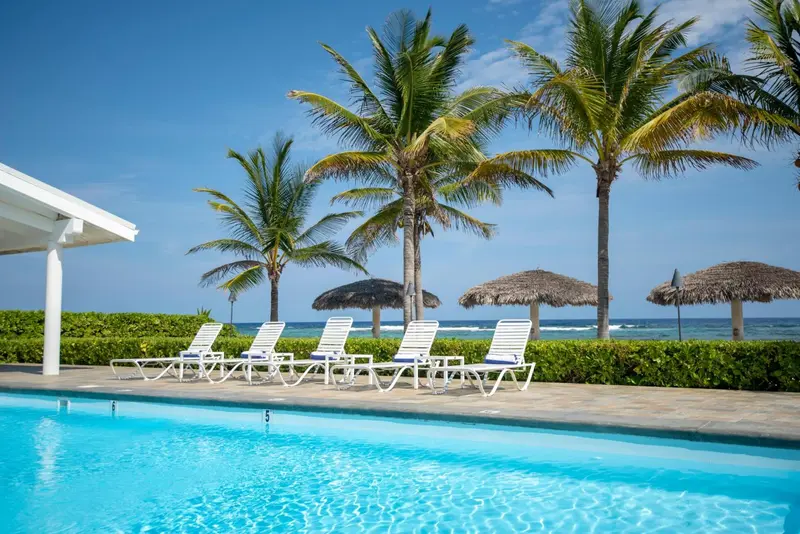
Le Soleil D'or
Cayman brac
★★★★
Google 4.8/5 (166 reviews)
Liveaboards
When to go, and where by month
The named seasonal window is Georgetown from August through October. In other words, August, September and October are the months to place first when Georgetown is the intended diving base. The calendar is not a seesaw in which one coast opens as another closes: there is no opposing seasonal pairing between Cayman areas. That makes the decision less about chasing a weather front from one side of the country to another and more about choosing the island experience that suits the trip. Little Cayman should therefore be selected for its scale, village atmosphere and nature activities, not treated as the automatic counter-season to Georgetown. For a longer itinerary, the timing can centre on Georgetown’s August-to-October window before adding Little Cayman as a contrasting island stage. Outside that window, the country’s choice is best framed around the preferred area rather than a supposed seasonal switch.
Marine life, coast by coast
Wildlife planning in the Cayman Islands has a strong land-and-sea distinction. Stingray City gives the Georgetown side an unmistakably animal-led name, while the wider Grand Cayman picture adds the blue lizard protected at Queen Elizabeth II Botanic Park. Little Cayman has the clearest named bird setting: Booby Pond Nature Reserve protects red-footed boobies and frigates, with viewing platforms near the Gladys B. Howard Little Cayman National Trust House. That difference can shape an itinerary. Grand Cayman suits a visitor who wants wildlife folded into museums, gardens and road trips; Little Cayman suits someone willing to make a reserve, trail or quiet shoreline part of the day. The emphasis is on identifiable habitats rather than a generic promise of marine encounters.
Getting between the areas
Moving between Georgetown on Grand Cayman and Little Cayman is an inter-island flight matter. Small aircraft make the journey in roughly half an hour per segment, and the route to Little Cayman passes through Grand Cayman’s airport rather than using a regular public ferry. That makes the two islands combinable, but not casually interchangeable during a short stay: each transfer interrupts the day and is better handled as a deliberate change of base. On Grand Cayman, a hire car is the useful tool for reaching Pedro St. James Castle, Queen Elizabeth II Botanic Park and the Wreck of the Ten Sail Memorial. On Little Cayman, the compact setting favours walking or cycling between Blossom Village, Booby Pond Nature Reserve and nearby shoreline stops. A two-stage plan is more sensible than repeated island-hopping.
Take off your mask
The Cayman Islands reward time away from the resort strip. In George Town, the Cayman Islands National Museum explains the maritime past of navigation, turtle fishing and wrecks, while Fort George provides a small military landmark beside the old waterfront. Pedro St. James Castle, reached by car in Savannah, connects restored rooms with the story of local democracy. On Little Cayman, the Little Cayman Museum, Gladys B. Howard Little Cayman National Trust House and Blossom Village Community Park make the island’s small-scale history visible; Point of Sand and Owen Island add an uncomplicated outdoor day. Food is equally specific. Look for stew turtle, Cayman-style fish, conch stew and conch fritters on Grand Cayman, particularly around George Town, West Bay and Bodden Town. Old fashioned fish fry belongs to the coastal village tradition, while cassava cake appears in markets and local bakeries. Farmers & Artisans Market at Camana Bay and Hamlin Stephenson Market bring together cassava cake, coconut water, fruit and prepared food. Sunday remains quieter, with many businesses reducing activity, and beachwear belongs on the beach rather than in town.
What holds true everywhere here
The Cayman Islands have a practical reef code that should be treated as part of the destination, not as optional advice. Check weighting before shallow reef dives, because controlled buoyancy protects coral and prevents accidental contact. Do not touch or collect from the marine environment, and favour operators whose briefings make those expectations explicit. Nitrox has a particular place in the local rhythm when several dives are planned over successive days: the useful gain is managing repetitive profiles, not turning a single immersion into a stunt. Leave room for a proper safety stop, and regard a downcurrent or drift dive as a reason to listen closely to the briefing rather than improvise.
Frequently asked questions about Cayman Islands
When should you visit the Cayman Islands for the named seasonal highlight?
August is the named season highlighted for George Town in the Cayman Islands. You can pair that city setting with Grand Cayman’s financial waterfront, Fort George and the old waterfront, then include Little Cayman if Bloody Bay Wall or Booby Pond fits the rest of your itinerary.
What wildlife and underwater sights can you see in the Cayman Islands?
The Cayman Islands offer distinctly named wildlife settings. Grand Cayman includes Stingray City and the blue lizard at Queen Elizabeth II Botanic Park, while Little Cayman features Bloody Bay Wall and Booby Pond’s red-footed boobies and frigates. You can also encounter Stew turtle and Cayman-style fish.
What kind of diving trip can you plan in the Cayman Islands?
The Cayman Islands suit a trip built around identifiable habitats rather than a generic marine encounter. Grand Cayman combines wildlife with museums, gardens and road trips, while Little Cayman suits you if a reserve, trail or quiet shoreline can be part of your day.
How can you divide your stay between the Cayman Islands’ islands and attractions?
Base part of your Cayman Islands stay around George Town and Grand Cayman’s waterfront, Fort George, Stingray City or the botanic park. Give Little Cayman time for Bloody Bay Wall and Booby Pond, and consider kayaking from Blossom Village to Owen Island for a quieter outing.