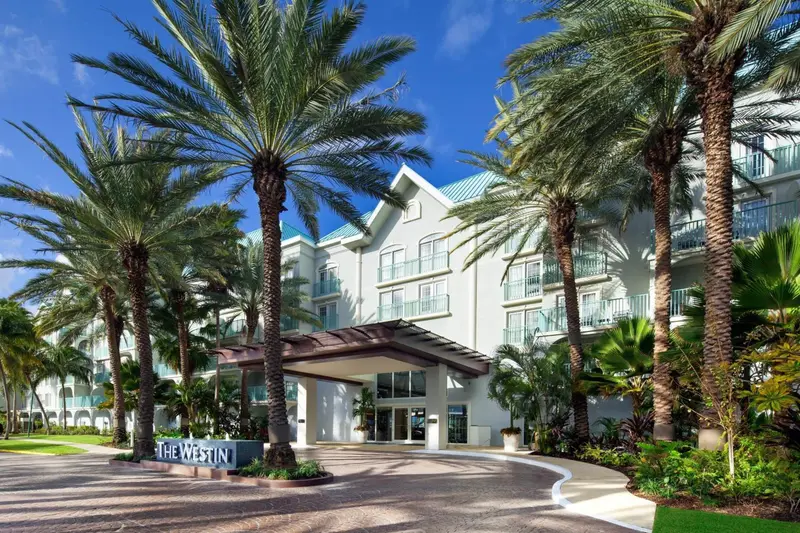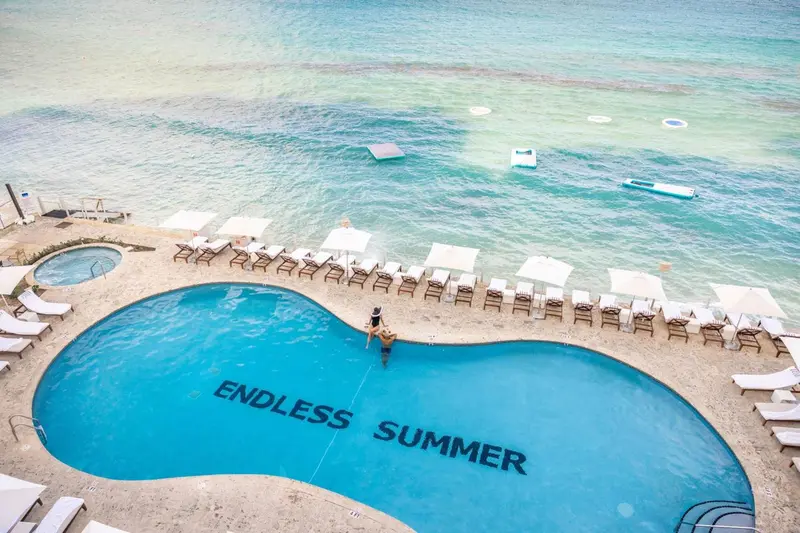
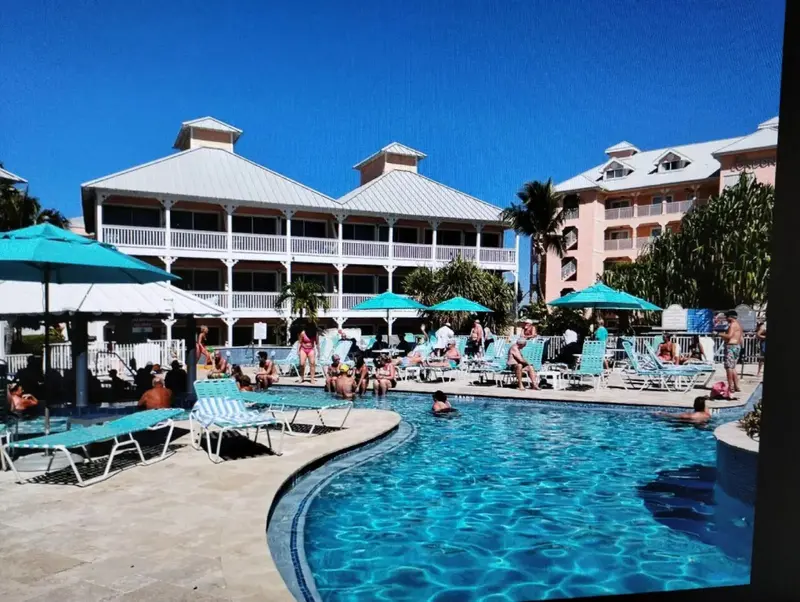
 Dive centre in the hotel
Morritts Tortuga Club
★★★
Google 4.1/5 (215 reviews)
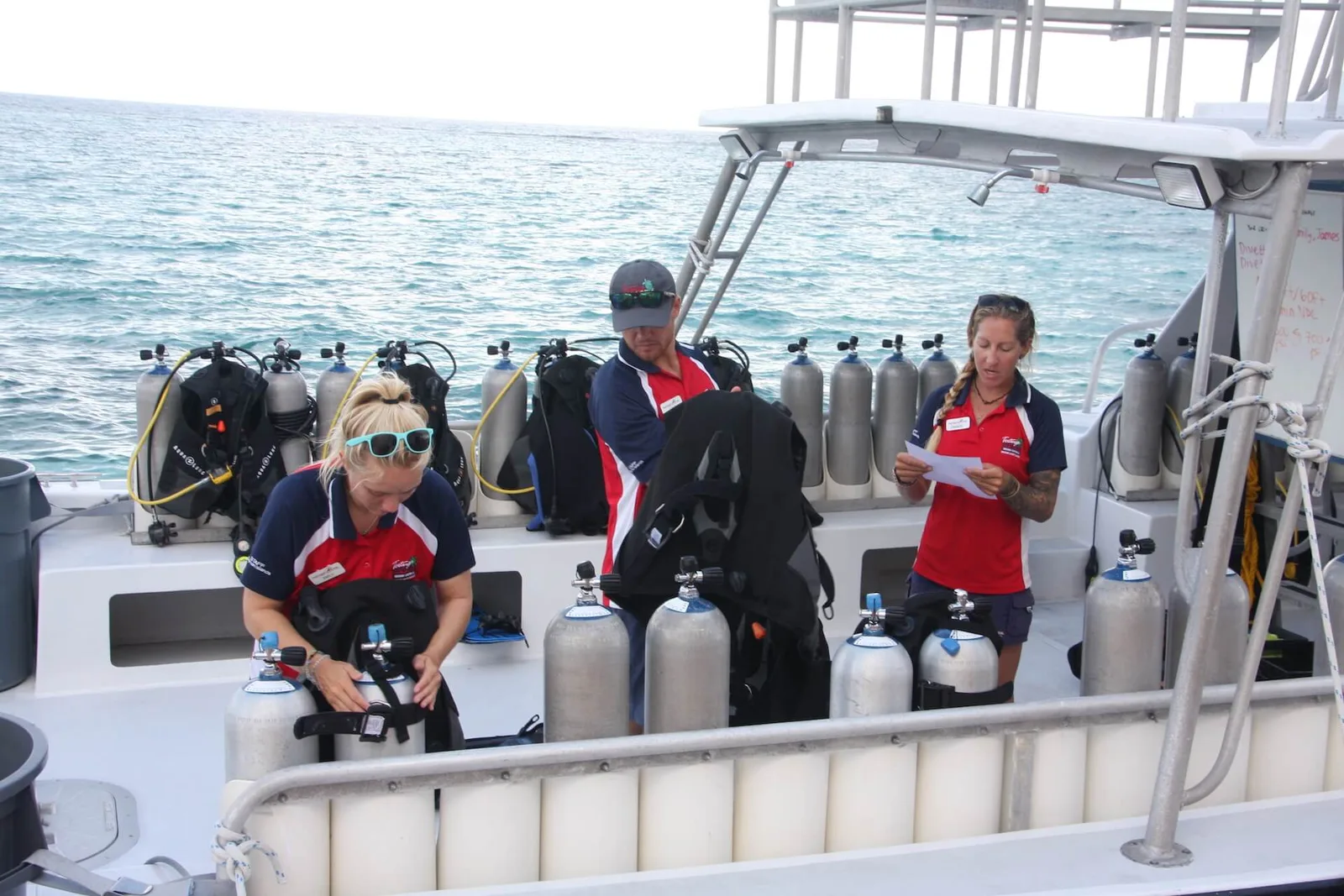
The dive centre
Tortuga Divers
PADI
Google 5/5 (552 reviews)
Dives: East End
Cayman Islands · Caribbean
From three-metre water at Stingray City to west-coast reefs and wrecks, Georgetown combines calm encounters with straightforward boat diving from an urban base.
For subtitles in English: start the video firstthen click the gearat the top right of the video, select “Subtitles/CC”, then “Auto-translate” and choose “English”.
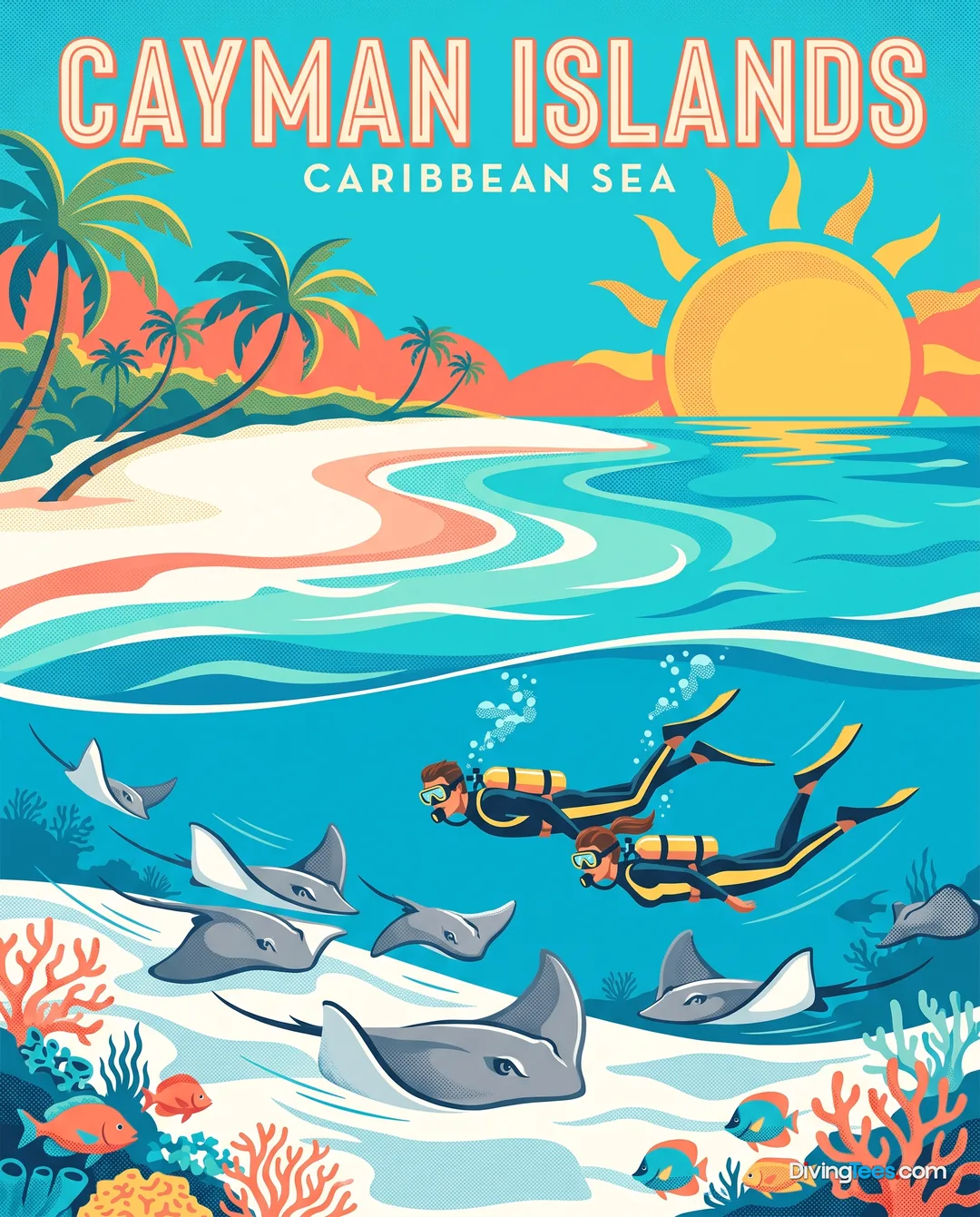
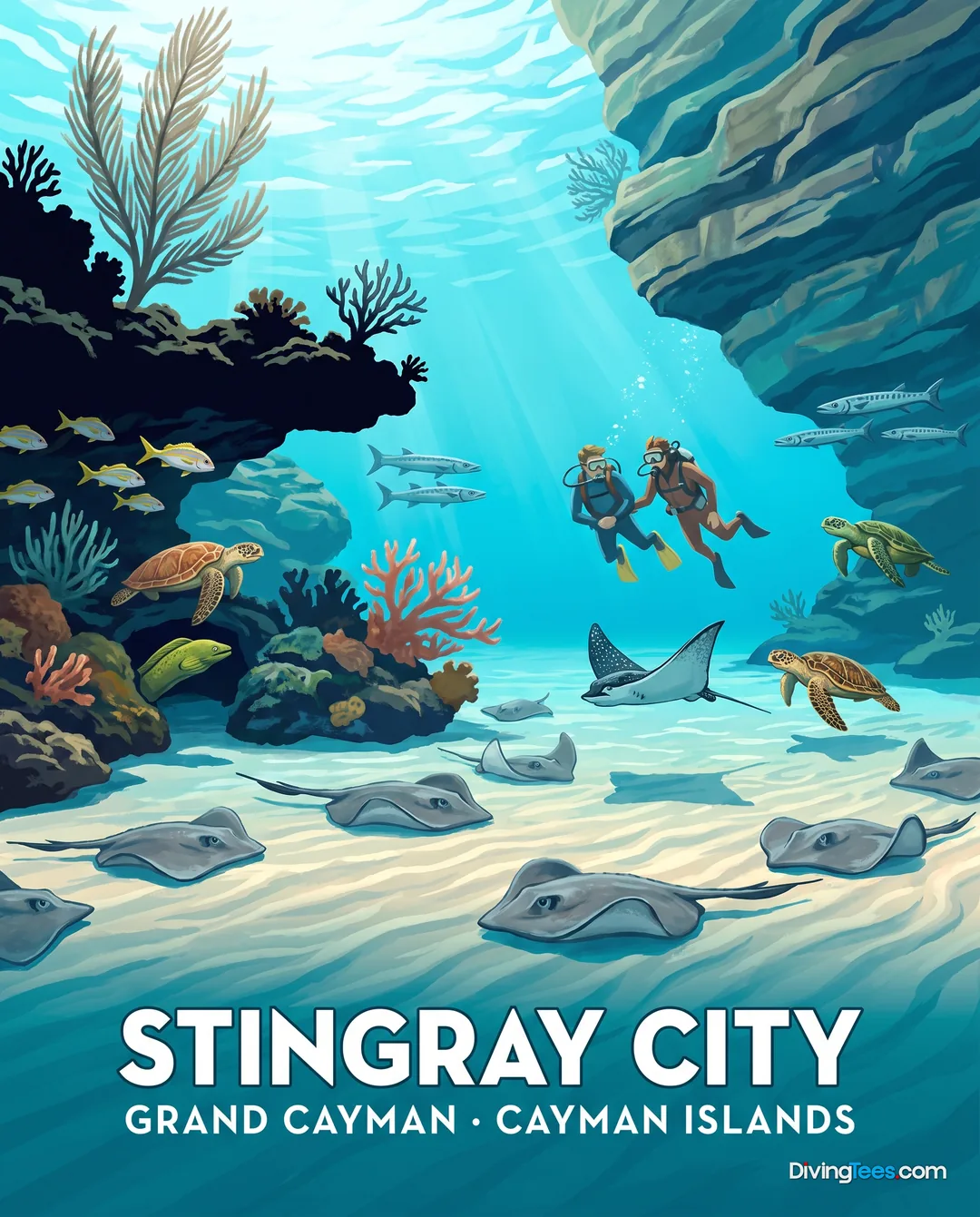
Stingray City puts Georgetown’s gentlest diving into perspective: a shallow North Sound sandbar, clear water and Southern Stingrays moving around divers at close range. Beyond that unusually sheltered encounter, Georgetown works as a practical shore base for boat trips to the reefs, drop-offs and wrecks of Grand Cayman’s west and south-west coasts. It suits a five- to seven-day stay, particularly for divers who want several outings without committing to a liveaboard, and for couples travelling with a non-diving companion.
The diving from Georgetown is mainly boat-based, with reefs, drop-offs and wrecks providing the underwater variety. Conditions are described as variable across the wider area, so the day’s site choice matters more than any single expectation about current. Stingray City is the exception in character: the sandbar reaches only about 3.6 metres, with calm, virtually current-free water and clear visibility. It is a place for slow observation and photography rather than depth or navigation. The west-coast outings provide the more conventional Caribbean dive day, with a controlled route over reef or around a wreck before returning to town. Nitrox is useful for divers planning repeated boat dives over several days, although the destination is not built around an intensive liveaboard schedule.
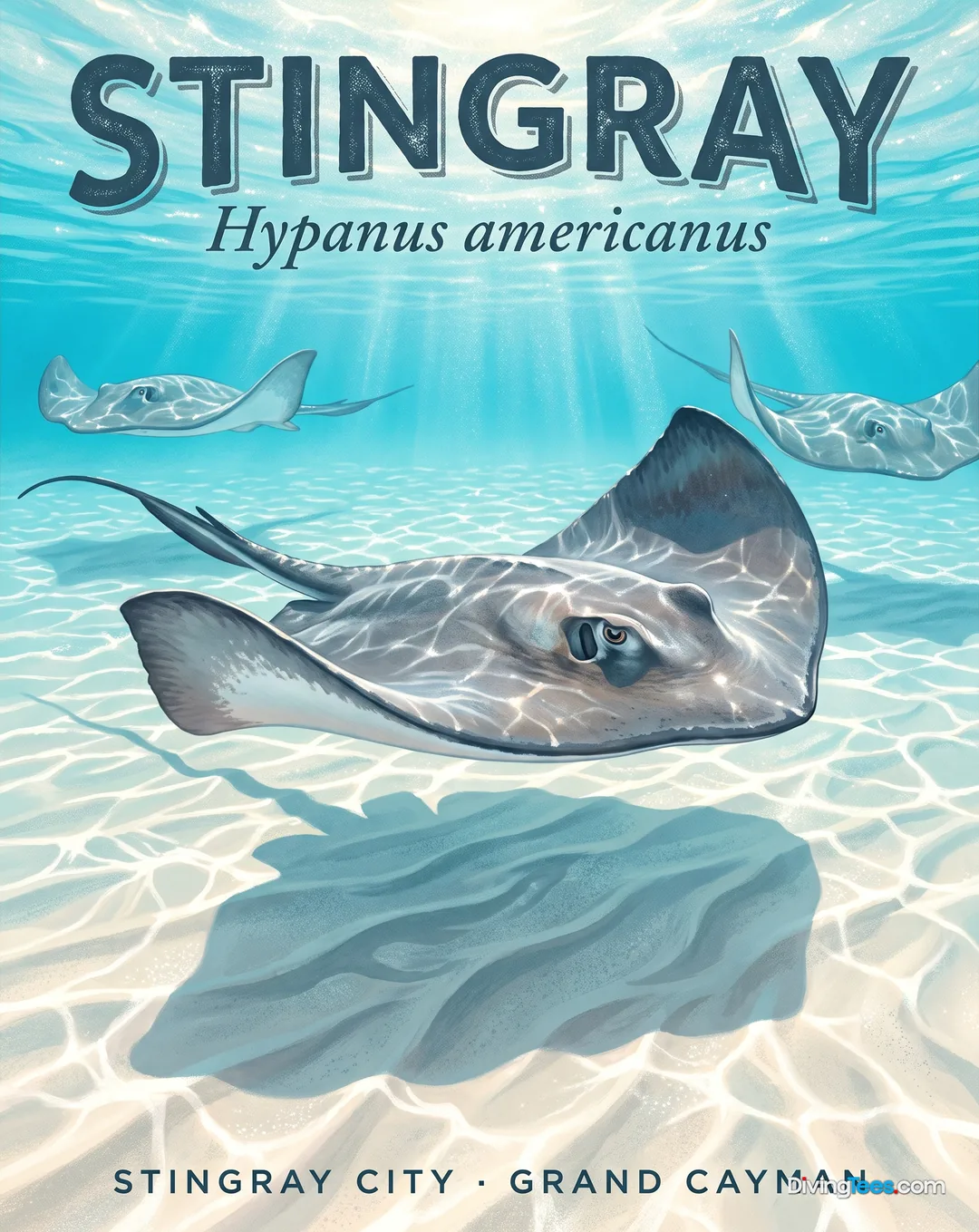
Southern Stingrays are Georgetown’s most distinctive underwater sight. At Stingray City, they have gathered around the shallow sandbar for decades, allowing divers and snorkellers to watch them at close range in clear, calm water. The setting makes the encounter accessible even to someone whose previous experience has been limited to pool diving, while photographers can work at very shallow depth without fighting current. The wider boat programme is centred on reefs and wrecks rather than on a documented seasonal wildlife spectacle. The best practical time for Stingray City is when the sea is at its calmest, from August to October, because the shallow site is then at its most relaxed for observation and photography.
August to October is the measured window for the calmest sea around Georgetown, making it the logical choice when a relaxed boat schedule and easy conditions matter most. That period particularly suits Stingray City, where the attraction is a shallow, current-free encounter rather than a demanding dive. December to May brings the lowest rainfall, which may appeal to travellers placing equal weight on beach time and days out on the island. There is no need to turn the choice into a rigid rule: Georgetown is a land-based destination, so the useful question is whether calmer water or drier conditions matters more to the planned mix of diving and time ashore.
This coast is exposed to sargassum strandings, whose intensity varies greatly from year to year. To find out more, see the “Sargassum alert” panel on this page.
Georgetown is suitable for all levels, including divers who prefer uncomplicated boat diving and shallow, controlled encounters. Stingray City is especially forgiving, but the wider programme still rewards sound buoyancy and comfort with repeated dives. BSAC, PADI and SSI qualifications are all relevant; Nitrox is the useful additional certification for a multi-day schedule. Experienced divers should not mistake the easy logistics for a reason to relax their technique: the marine park expects divers not to touch or take anything, and protected reef areas must not be anchored on.
From London Heathrow, London Gatwick or Manchester, the journey is by air to Grand Cayman. Georgetown is an island destination, and the final diving movement is by boat rather than by an international ferry connection; flights therefore need to be planned as the essential first stage, followed by a short transfer on the island. Once in Georgetown, the compact central area makes it possible to reach a dive base on foot, by taxi or by a short arranged transfer, depending on the address of the accommodation. Staying in or near the town or waterfront keeps that ground logistics simple. The boat operators then handle the daily move from the local quays to the west-coast reefs, wrecks and other sites.
Treat Georgetown as a land-based diving holiday, not as a liveaboard substitute. Keeping accommodation in town or near the waterfront reduces the repeated taxi or transfer problem, while the five- to seven-day format leaves room to alternate reef and wreck outings rather than making every day feel identical. Stingray City is worth approaching as a shallow wildlife and photography dive, not as a serious depth objective. Check weighting before the first reef dive: shallow Cayman water leaves little room for a poor trim position, and contact with coral is specifically unacceptable in the marine park. Do not touch or take anything, and never anchor on protected reef areas. Nitrox makes sense if several boat dives are planned across consecutive days. Finally, do not build the trip around macro photography alone; the local character is the combination of reefs, wrecks, controlled boat routes and the unusually close Southern Stingray encounter.
A sensible stay is five to seven days, with daily boat departures from a Georgetown base and a mixture of reef, wreck and shallow wildlife diving. Non-divers have beaches, coastal outings and the town waterfront to fill the surface intervals or non-diving days. Georgetown also works well for a final day kept free for island activities before flying home, rather than treating the visit as a single stopover. The format is flexible, sociable and easy to combine with a conventional Grand Cayman holiday.
Hello, I'm Marina, DivingDeal.com's AI assistant. I guide you through destinations, areas and countries.
Thinking about the whole trip and the flights? Talk it over with Edith →
Marina is an AI. Some links are affiliate links: DivingDeal may earn a commission, at no extra cost to you. Bookings are made with the partner.
In each one, the dive centre is inside the hotel: step out of your room and go diving.
Dive centre in the hotel★★★
Google 4.1/5 (215 reviews)
The dive centre
Tortuga Divers
PADI
Google 5/5 (552 reviews)
Dives: East End
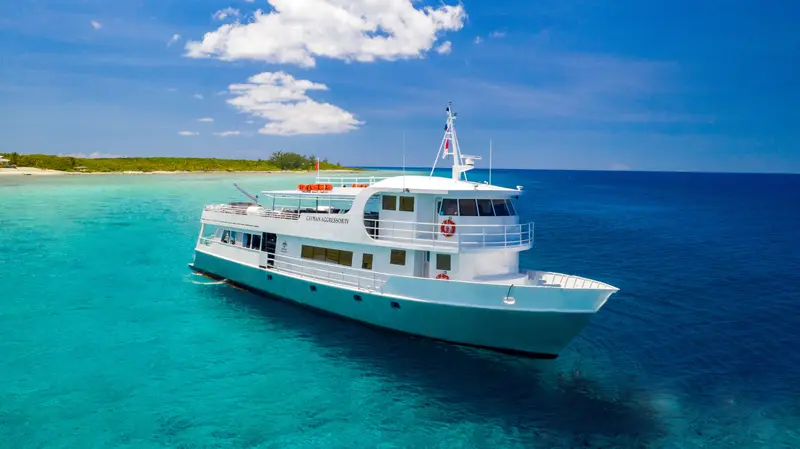
1 liveaboard departs from Georgetown another way to explore the region, over several days at sea.
Your last day stays dry: no diving in the 18-24 hours before a flight, the perfect window to see the destination from another angle.
 City
City⏱ 1 h · ★ 5.0 (34 reviews)
from £17$22€20
see on Viator ↗
 City
City⏱ 4 h · ★ 4.1 (251 reviews)
from £49$66€59
see on Viator ↗
 Nature
⏱ 5 h
from £502$672€600
see on Viator ↗
 Culture
⏱ 2 h · ★ 4.3 (6 reviews)
from £60$80€72
see on Viator ↗
Ratings and reviews collected by Viator and Tripadvisor.
Choose August through October if calmer sea conditions are most important, especially for relaxed boat trips and Stingray City photography. December through May brings the lowest rainfall, which may suit you if beach time and island outings matter equally. Georgetown works year-round as a land-based diving destination, so weigh calmer water against drier weather.
Georgetown suits divers of all levels, with Stingray City offering shallow, calm and virtually current-free water. The wider boat programme rewards good buoyancy and comfort with repeated dives over reefs, drop-offs and wrecks. PADI, SSI and BSAC qualifications are relevant, while Nitrox is useful if you plan several boat dives across consecutive days.
Georgetown combines a close encounter with Southern Stingrays at Stingray City and conventional Caribbean boat diving along west-coast reefs, drop-offs and wrecks. The shallow sandbar suits slow observation and photography in clear water, while reef and wreck outings provide more varied routes. Marine park rules protect these environments from contact and anchoring.
Plan Georgetown as a land-based holiday, staying in or near town or the waterfront for simpler access to dive bases and daily boats. A five- to seven-day format allows you to mix reef, wreck and Stingray City outings, with time for island activities. Non-divers can enjoy beaches, coastal outings and the waterfront.