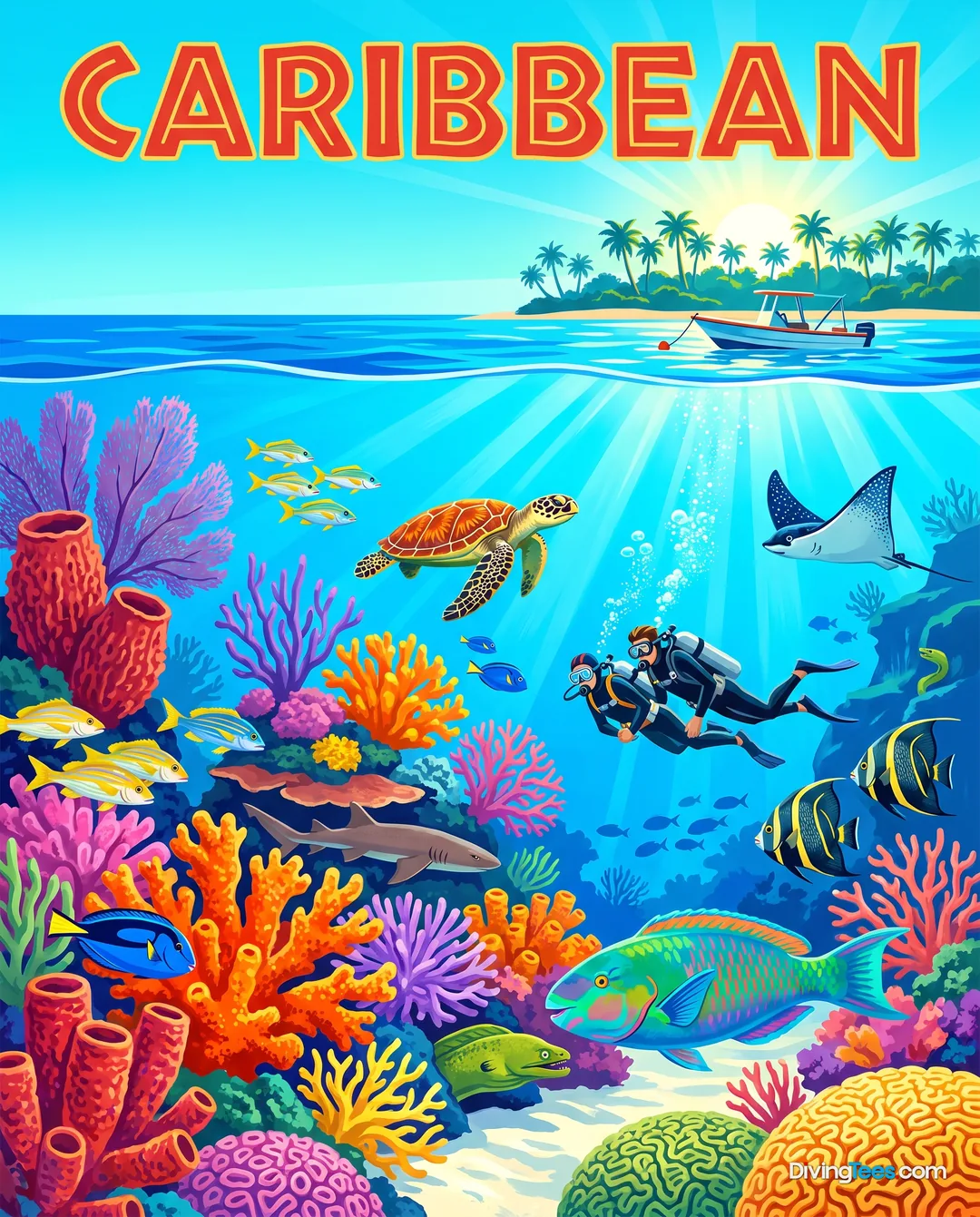
Caribbean
Dominican Republic: Punta Cana, Sosúa and Santo Domingo
From Punta Cana’s reefs to Santo Domingo’s Zona Colonial, the Dominican Republic pairs warm-water diving with merengue, larimar markets and comida criolla.
What makes this country unique
- May to September around Punta Cana and Sosúa
- Seahorses and rays in Punta Cana waters
- Catalina Wall off La Romana
- Sosúa’s Canyon as a named local anchor
- La bandera dominicana in neighbourhood comedores
- Festival del Merengue on Santo Domingo’s Malecón
- Larimar and amber at Mercado Modelo
For subtitles in English: start the video firstthen click the gearat the top right of the video, select “Subtitles/CC”, then “Auto-translate” and choose “English”.
This country for a diver
The Dominican Republic gives a dive trip more geographical contrast than its resort image suggests. Punta Cana faces a heavily developed tourist coast, while Sosúa belongs to the more diffuse Costa Norte around Puerto Plata. Behind both lies Hispaniola’s substantial interior, with Santo Domingo, Santiago de los Caballeros and rural food traditions far removed from an all-inclusive buffet. Underwater, the common ground is accessible diving for all levels, with boat work central at Punta Cana and a mixed pattern around Sosúa. Catalina Wall provides a recognisable Punta Cana anchor, while Canyon belongs to the northern setting.
How the country divides
Punta Cana is the eastern resort coast: high tourist pressure, organised boat departures and easy links into the La Romana–Bayahibe excursion circuit. It suits divers who want a polished base, straightforward logistics and the option of making Catalina Wall part of a wider holiday around Bibijagua and the Costa del Coco. Sosúa is a different proposition on the Costa Norte, where the tourist economy is more spread through smaller coastal towns and diving has a mixed character rather than being defined solely by resort boats. It is the better geographical fit for travellers combining the sea with Puerto Plata or Santiago de los Caballeros. Catalina Island belongs to the south-eastern picture, reached through organised departures rather than treated as an independent beach base. The choice is therefore less about a national style of diving than about setting: resort coast in Punta Cana, northern bay life around Sosúa, or a planned island excursion from the south-east.
Diving destinations
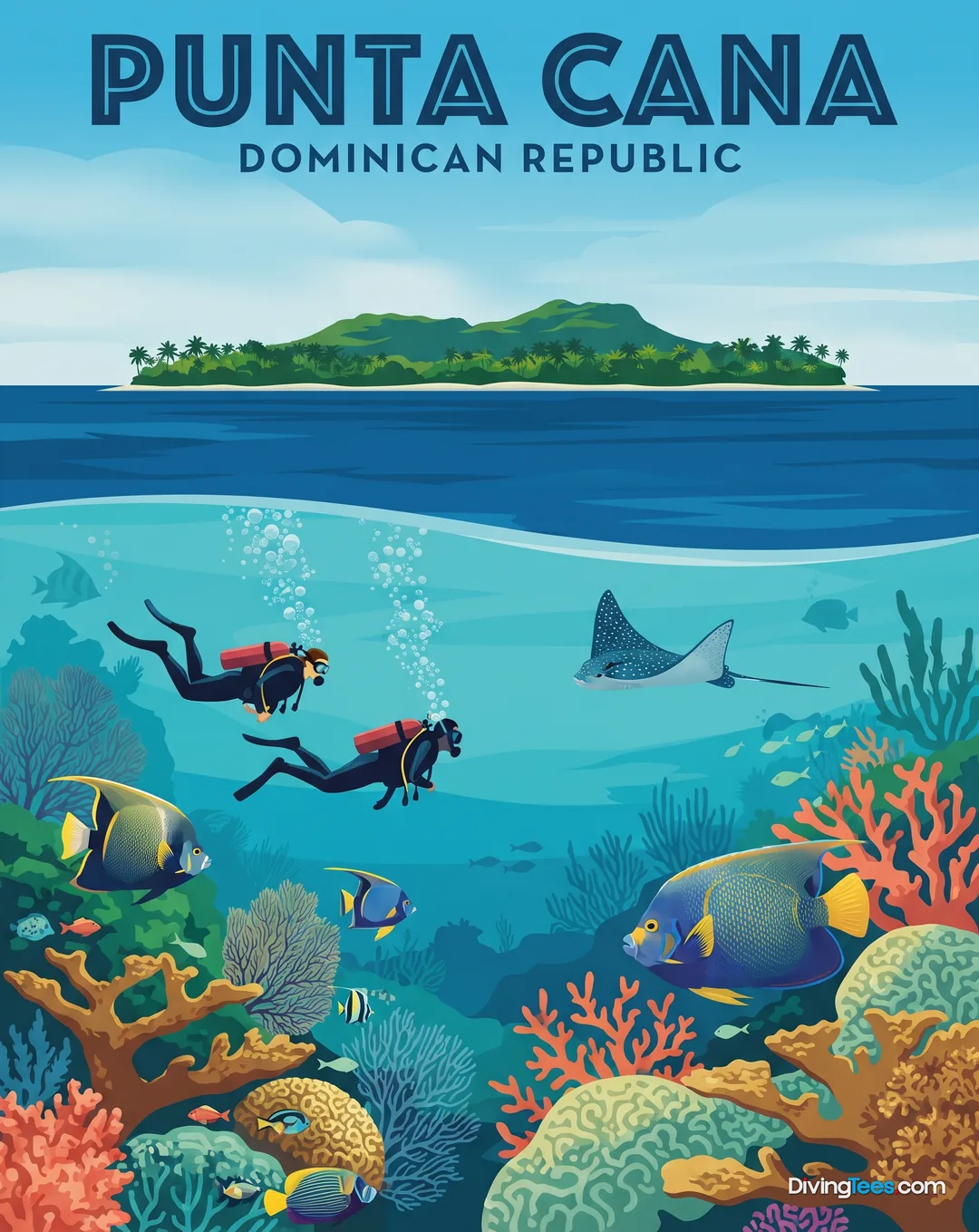
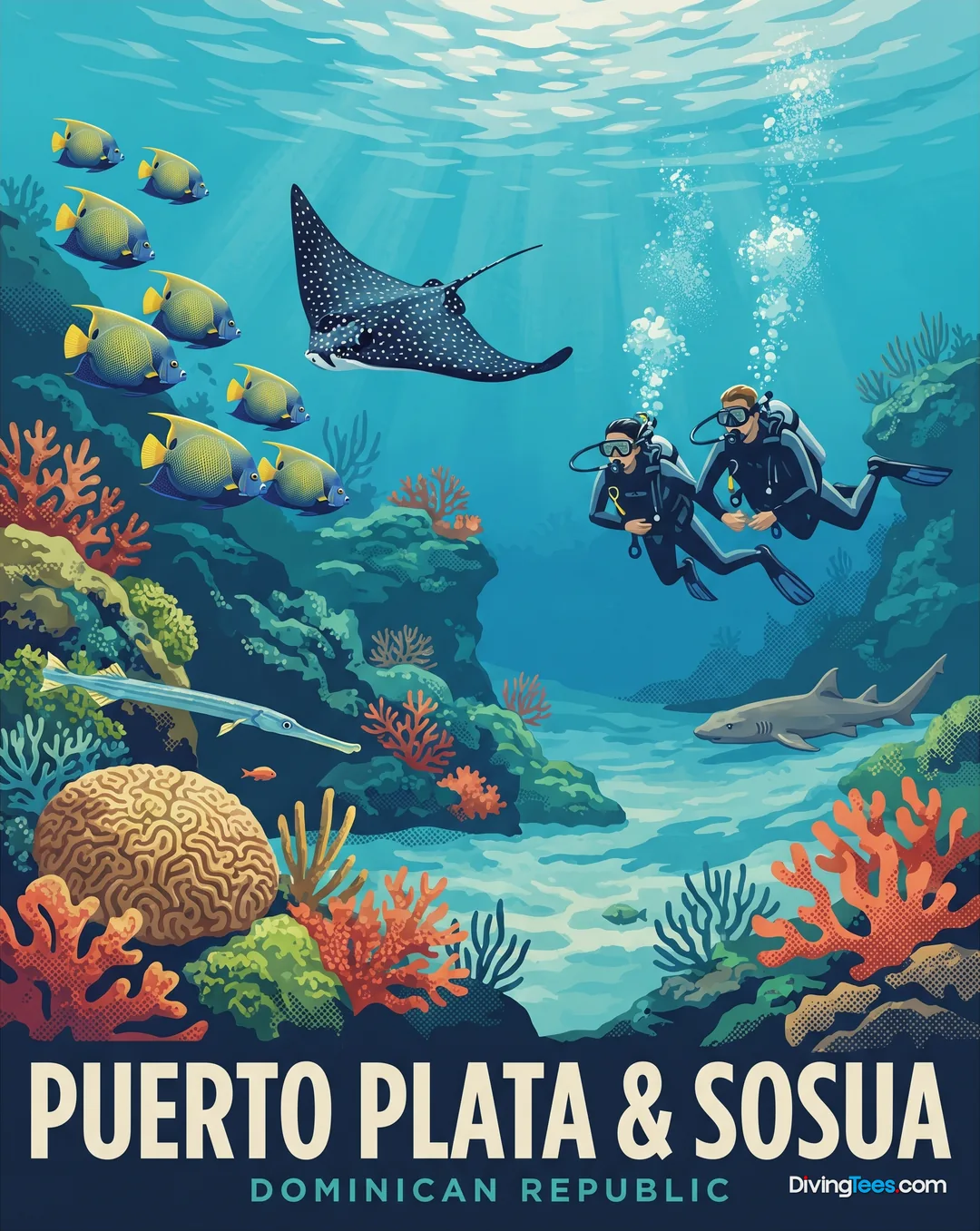
Dive centres
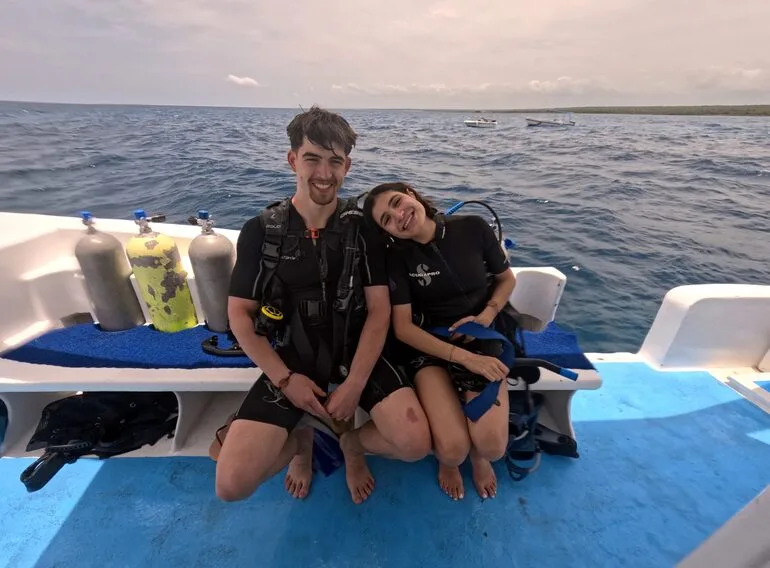


Hotels
Liveaboards
When to go, and where by month
The Dominican Republic has a shared diving window rather than opposite seasons between its coasts. May, June, July, August and September are the months when both Punta Cana and Sosúa are in season, so a two-week trip can move between east and north without changing the calendar logic halfway through. January, February, March and April fall outside that common window, as do October, November and December. That makes the choice of area a question of travel design rather than chasing an opening coast: Punta Cana favours a resort-centred stay and organised excursions, while Sosúa changes the setting to the north coast. July also brings the Festival del Merengue to Santo Domingo’s Malecón, and August includes the Fiesta Patria de la Restauración, giving a culture-led reason to build time on land into a summer itinerary. The practical point is simple: the same May-to-September period serves both diving regions.
Marine life, coast by coast
Wildlife can change the emphasis of an itinerary even when the country’s two diving coasts share a season. Punta Cana is the clearest place to build a marine-life expectation around seahorses and rays, alongside the fish life associated with its local sites. A diver choosing Sosúa is choosing the northern setting and its reef landscape rather than transferring solely to pursue the same wildlife theme. That distinction matters on a costly annual trip: Punta Cana can carry the dedicated marine-life brief, while Sosúa can be paired with Puerto Plata, Cabarete or Santiago de los Caballeros for a broader Costa Norte stay. The contrast is not a claim about empty water elsewhere; it is a useful way to decide which coast deserves the centre of the itinerary.
Getting between the areas
The country looks compact on a map, but Punta Cana and Sosúa are about 250 kilometres apart by road, making them a poor casual add-on during a short diving holiday. Moving between the resort east and the northern coast takes a substantial travel day once hotel transfers and stops are included. Punta Cana combines more naturally with La Romana or Bayahibe, particularly when an excursion involves Catalina Island. The morning departure matters: failing to allow for the road journey to La Romana or Bayahibe can mean missing the embarkation and losing the whole Catalina Island outing. Buses and guaguas are inexpensive but slow, with frequent stops; a private transfer buys simplicity. Cars are available, although aggressive local driving and limited enforcement make organised transport the calmer choice.
Take off your mask
Away from the water, the Dominican Republic rewards a deliberate change of pace. Santo Domingo’s Zona Colonial brings paved lanes, colonial houses, the cathedral and museums, while Mercado Modelo adds paintings, Taíno statues, cigars, rum, larimar and amber in a dense city-market setting. Near La Romana, Altos de Chavón places jewellers and ceramicists above the río Chavón; Bibijagua offers a more resort-facing handicraft stop on Bávaro beach. The country’s food is most plainly encountered in comedores, where la bandera dominicana combines rice, beans, meat in sauce and plantain, while mangú is a familiar breakfast and sancocho suits a substantial meal. In the South and North-West, chivo guisado and chenchén show a more rural table. Order Presidente well chilled, try jugo de chinola, and leave room for majarete. Santo Domingo’s Malecón hosts the Festival del Merengue in late July, while February’s Carnaval fills cities such as La Vega and Santiago with music, masks and processions.
What holds true everywhere here
Several practical habits shape a Dominican diving holiday. Catalina Island is reached by organised boat rather than by an independent shore-diving setup, and transfers may involve a beach boat or walking through shallow water; a dry bag protects cameras and clothing from spray and sand. At El Acuario, controlled buoyancy matters: touching the reef risks both injury and damage to coral formations. Ask before travelling whether Nitrox is available for repetitive days, as it is not automatically standard. Leave a weather and sea-state margin in the programme rather than arranging every day as a fixed chain of departures. If a flight follows the diving, keep the final twenty-four hours free of diving and use the time for the coast, beach or lagoon rather than a long cross-country excursion.
Frequently asked questions about Dominican Republic
When is the Dominican Republic a good choice for diving around Punta Cana or Sosúa?
For diving around Punta Cana and Sosúa, plan your Dominican Republic visit from May to September, the season identified for both areas. This shared timing lets you choose between the southern Punta Cana setting and northern Sosúa based on your preferred marine-life focus and wider travel plans, rather than season alone.
What can you expect to see when diving in the Dominican Republic?
In the Dominican Republic, Punta Cana waters are associated with seahorses and rays, along with local fish life. You can also consider Catalina Wall off La Romana and Sosúa’s Canyon as named dive anchors. Choosing Sosúa emphasizes its northern reef landscape, while Punta Cana supports a more specific marine-life focus.
How should you plan a Dominican Republic diving stay between Punta Cana and Sosúa?
Plan around the coast that best matches your trip: Punta Cana can be the centre of a dedicated seahorse-and-ray itinerary, while Sosúa offers a northern reef setting. A Sosúa stay can be paired with Puerto Plata, Cabarete or Santiago de los Caballeros for a broader Costa Norte itinerary.
What can you add to a Dominican Republic dive trip beyond the water?
Build time in the Dominican Republic around local culture as well as diving. In Santo Domingo, you can visit the Zona Colonial, the Malecón during the Festival del Merengue, and Mercado Modelo for larimar and amber. Neighbourhood comedores offer la bandera dominicana, while comida criolla and merengue add local character.