
Eco Dive
Google 4.9/5 (401 reviews)
Grenada · Caribbean
Underwater sculptures, coral gardens, drop-offs and the deep wreck of Bianca C put Grenada’s south-west coast within easy reach of the beach.
The underwater sculpture park is the obvious introduction to Grand Anse, but it is only one part of the picture. From the beach, short boat trips reach coral gardens, reefs, drop-offs, drift dives and wrecks along Grenada’s south-west coast. A shallow bay dive can suit a newly qualified diver, while the Bianca C brings serious depth and current into the same holiday. Grand Anse works particularly well as a land-based base, with diving, beach time and St. George’s close at hand.
Grand Anse mixes sheltered-looking shallows with more exposed diving outside the bay. Expect coral gardens, reef slopes, drop-offs, drift dives and wrecks rather than a single house style of underwater terrain. The underwater sculpture park provides an unusually visual snorkelling or shallow-diving outing, while Shark Reef and other open sites are more dependent on wind, rain and sea conditions. Currents are variable, and the Bianca C is a very different proposition from a relaxed reef dive, lying at about 35 to 50 metres. Most trips leave by boat from the beach or its immediate vicinity, so a day can move from an easy morning reef to a more demanding wreck when conditions and experience match. Visibility is generally good, but rainfall, run-off and wind can cloud the water, particularly around exposed sites.
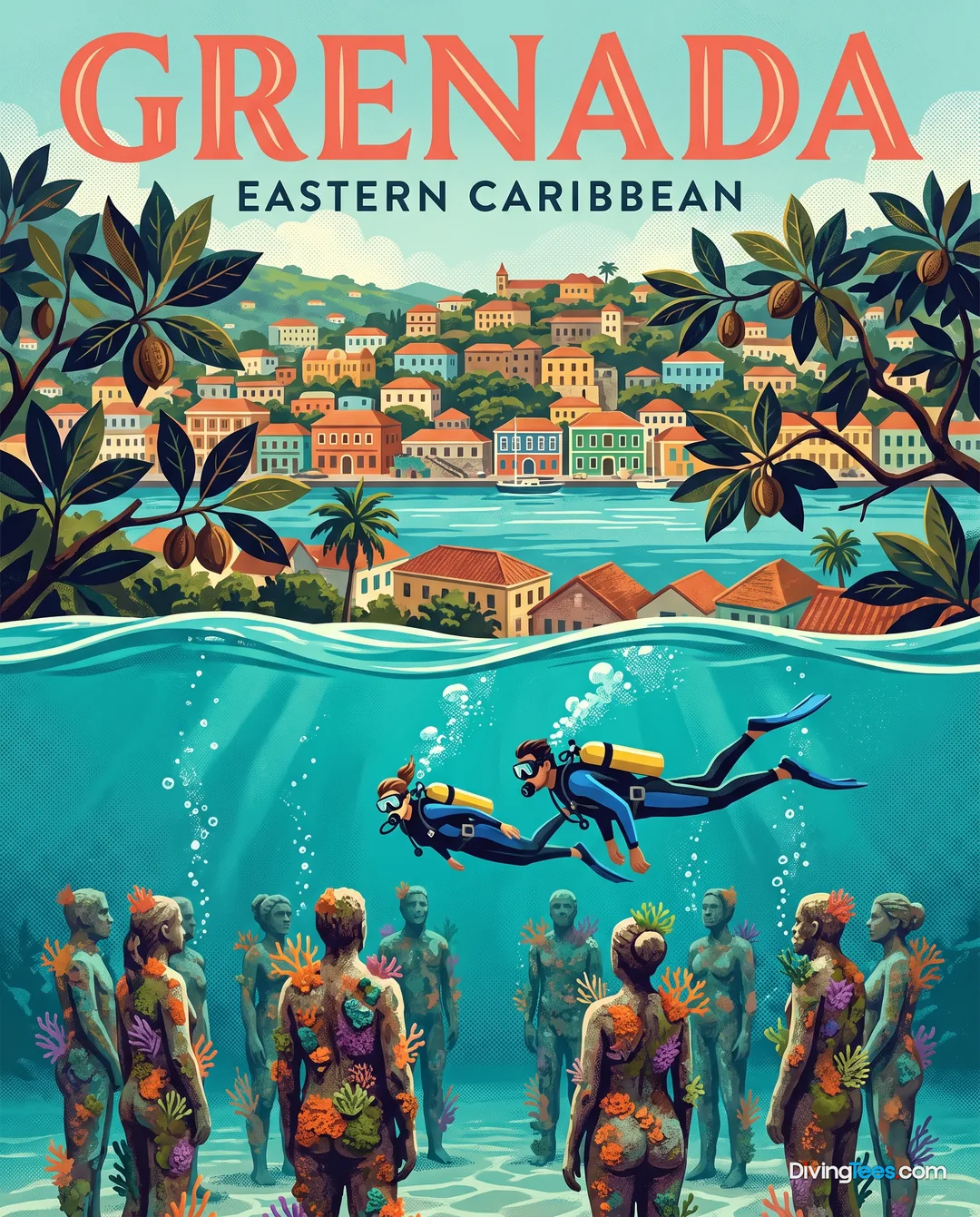
Turtles, rays, sharks, reef fish and lobsters are part of the wildlife picture around Grand Anse, with the reef gardens and drop-offs offering the most natural setting for looking rather than chasing. The sculpture park adds something completely different: figures on the seabed, viewed by divers and snorkellers from the coast when conditions allow. Wildlife encounters are not tied to a dependable calendar here, so site choice and water clarity matter more than promising a particular seasonal species. After rain, run-off can reduce the pleasure of searching for smaller reef life, making a clearer, more sheltered replacement a sensible choice. The artificial reef near the southern end of the beach also gives a shallow alternative when a deeper boat dive is not appropriate.
January to May is the most practical window for Grand Anse. The generally drier weather makes boat planning easier and gives exposed sites a better chance of running as intended. From August through October, the rainy season brings heavier showers and the possibility of tropical systems, with more disruption to visibility and to open-water plans. That does not make every dive impossible, but it does make a fixed programme of exposed sites a poor idea. The drier months also coincide with the busier tourist period, so early morning departures are useful both for calmer conditions around Grand Anse Beach and for a less hurried start to the day.
Grand Anse suits beginners because the bay and shallow sites provide a sensible first step, with boat dives allowing progression without changing base. PADI, SSI and BSAC divers can build a varied week from reefs, gardens and the sculpture park before moving on to deeper wrecks or drop-offs. Advanced training and suitable experience are important for the Bianca C, where 35 to 50 metres and current change the nature of the dive. Treat it as an advanced objective, not as a routine introduction to Grenada.
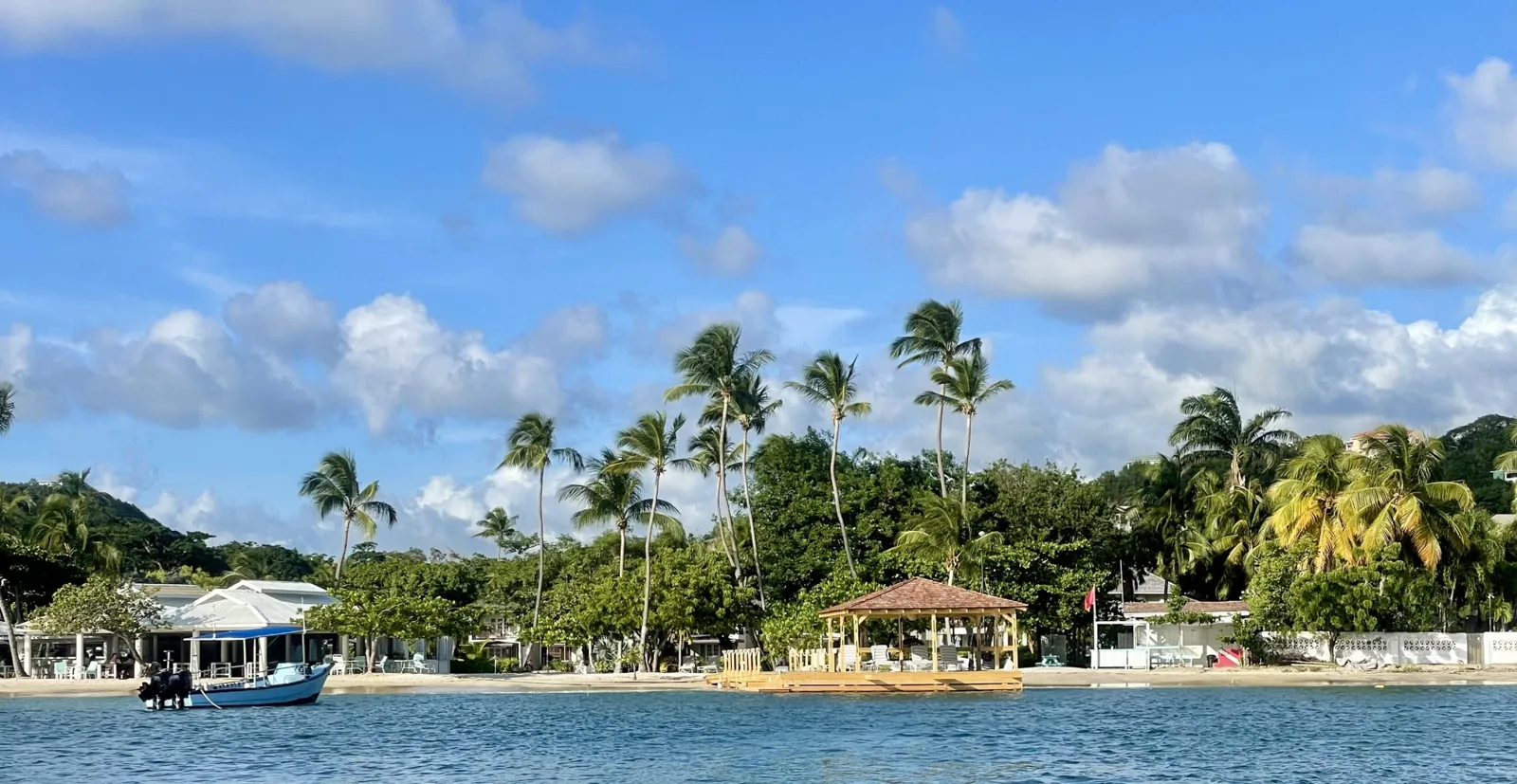
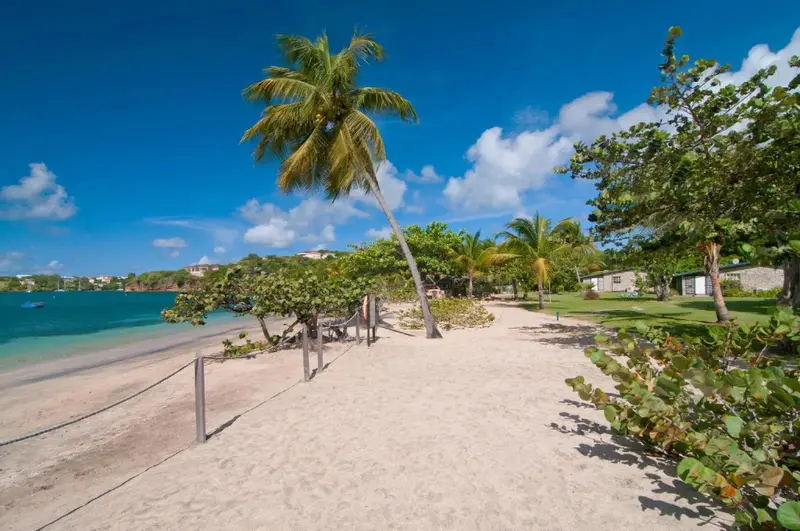
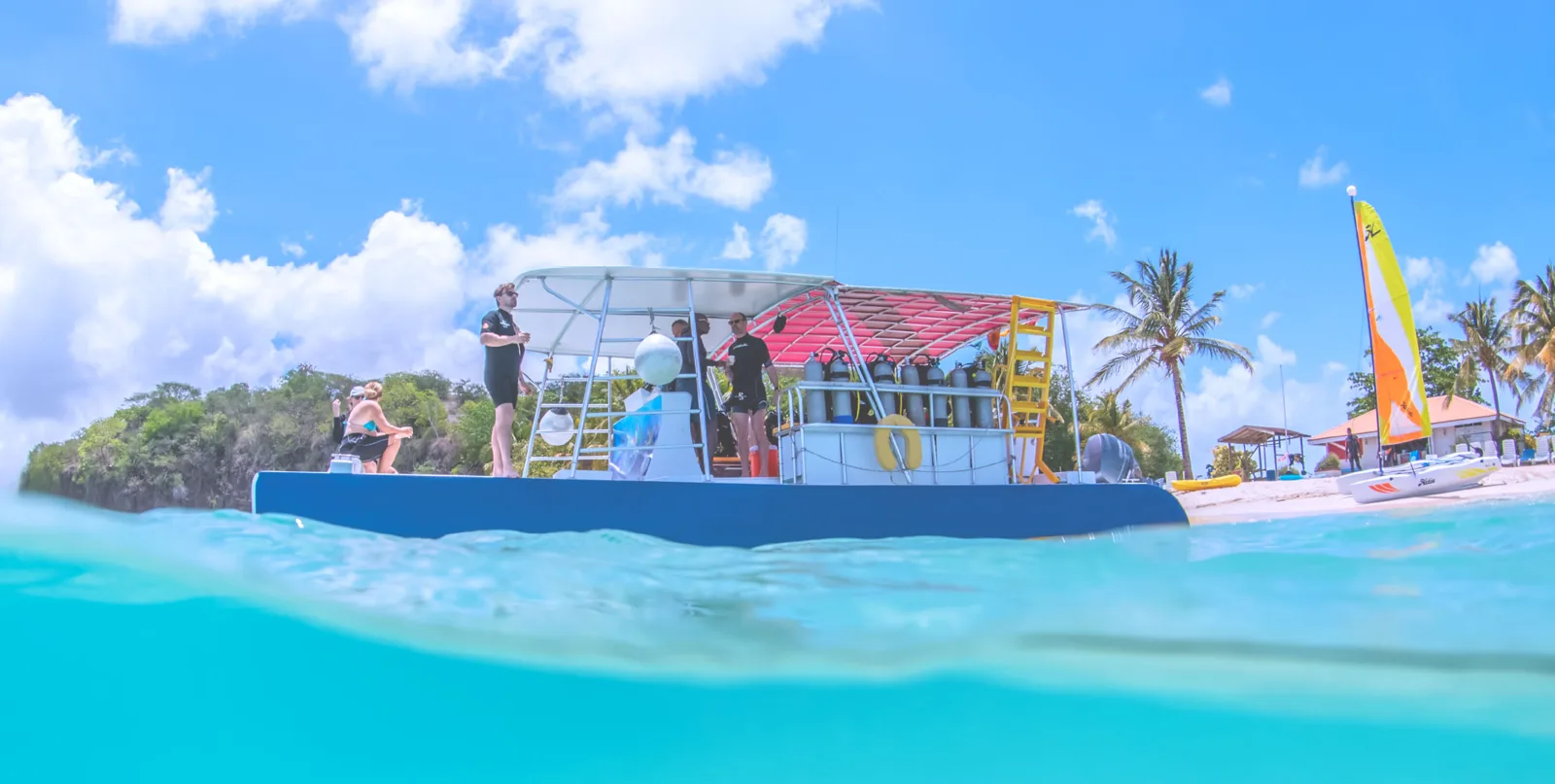
From London Heathrow, Gatwick or Manchester, arrange the journey to Grenada with connections in mind, as the available routing can affect how smoothly the trip starts. Once at Maurice Bishop International Airport, Grand Anse is reached by road, with no ferry or domestic flight needed for the final leg. On arrival, the practical advantage is the beach layout: several dive centres are on Grand Anse or immediately beside it, so some accommodation allows an easy walk to the boat. If it does not, only a short local road transfer is needed. The diving itself then begins from the beach or very close to it, rather than from a distant marina.
Keep a spare day or two in the programme for exposed sites. Rain and tropical systems can affect visibility and may make Shark Reef or another open-water plan less sensible, so ask for a more sheltered replacement after a wet spell rather than forcing the original itinerary. Start with a bay dive or shallow reef before booking the deeper wrecks and drop-offs. Do not mistake the beach location for a shore-diving holiday: the main reefs, wrecks and drop-offs are normally reached by boat. Take particular care with the Bianca C, checking the planned depth, current and your own training before committing. Early morning is usually the easier time around Grand Anse Beach. When diving is not practical, the sculpture park and the artificial reef at the southern end of the beach make useful alternatives, with mask, snorkel and fins rather than a wasted day.
Allow about a week on land. That gives time to combine shallow reefs, the sculpture park, boat dives, wrecks and a possible Bianca C outing without making every day dependent on the weather. Grand Anse keeps the logistics simple, with centres close to the beach and St. George’s nearby for a change of scene. Non-divers have the long beach, coastal snorkelling and excursions, while a rainy day can become a town or harbour day rather than an enforced wait beside the kit bag.
Hello, I'm Marina, DivingDeal.com's AI assistant. I guide you through destinations, areas and countries.
Thinking about the whole trip and the flights? Talk it over with Edith →
Marina is an AI. Some links are affiliate links: DivingDeal may earn a commission, at no extra cost to you. Bookings are made with the partner.
January through May is the most practical period, with generally drier weather helping boat plans and exposed sites operate. From August through October, heavier rain and tropical systems can disrupt visibility and open-water diving. The drier period is busier, so early morning departures can provide calmer conditions and a less hurried start.
Grand Anse suits beginners because the bay and shallow sites offer a sensible introduction, with boat diving allowing gradual progression. Reefs, coral gardens and the sculpture park suit newly qualified divers. Deeper wrecks and drop-offs require suitable experience, while the Bianca C demands advanced training because its depth and current change the dive.
You can explore underwater figures, coral gardens, shallow reefs, reef slopes, drop-offs, drift dives, wrecks and an artificial reef near the beach. Marine life includes turtles, rays, sharks, reef fish and Caribbean lobsters. Visibility is generally good, although rain, run-off and wind can cloud exposed sites.
Use Grand Anse as a land-based base, with dive centres close to the beach and St. George’s nearby. Allow flexibility for weather by keeping spare days for exposed sites, and begin with sheltered reefs before deeper objectives. Boat diving is central, while the sculpture park and artificial reef offer alternatives when conditions change.