
Rincon Diving & Snorkeling
Google 4.9/5 (1,479 reviews)
Puerto Rico · Caribbean
Shore reefs around Tres Palmas, boat reefs off Desecheo, elkhorn coral and humpback whales in winter give Rincón its particular rhythm.
For subtitles in English: start the video firstthen click the gearat the top right of the video, select “Subtitles/CC”, then “Auto-translate” and choose “English”.
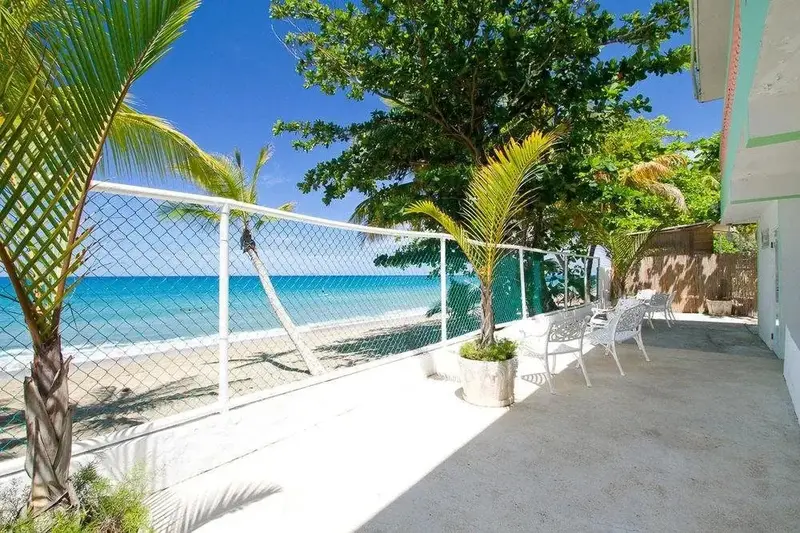
Tres Palmas Marine Reserve puts coral reefs and elkhorn coral close to shore, with Steps Beach providing the familiar starting point for diving and snorkelling. Rincón then widens the picture with boat trips along the south-west coast and out towards Desecheo. This is a land-based stay rather than a liveaboard destination, suited to divers who are happy to mix shore entries with weather-dependent boat days, and to leave room for surf, coastal walks and winter whale watching.
Rincón's diving is built around shore reefs, coral relief and drop-offs, with boat diving adding reefs and walls along the south-west coast and around Desecheo. The current is variable rather than a defining feature of every dive, but swell and the state of the entry often matter more than depth. A calm day can make Tres Palmas a straightforward shore outing; a formed sea can make the same approach uncomfortable or unworkable. Visibility is commonly around 18 to 30 metres from December to April, then loses clarity after heavy rain, coastal run-off, swell or tropical disturbances. Plan for a mixture of independently timed shore dives and guided boat outings, not a continuous sequence of departures from one harbour. Desecheo is a separate boat commitment, and its reefs should be treated as a bonus for a suitable weather window rather than the fixed centrepiece of every itinerary.
The protected waters around Tres Palmas are known for elkhorn coral, reef fish and sea turtles. Turtles can be encountered throughout the year, while the winter months bring humpback whales to the waters around Rincón. Whale watching is normally a surface activity from the cliffs and lighthouse area, not something to build into the dive itself, but it adds a memorable rhythm to a day without bubbles. Around Steps Beach, calm conditions can also suit snorkelling over the reef, giving non-divers and surface intervals a useful way to stay connected to the same protected coastal habitat. The coral is not uniformly untouched: bleaching and wider coastal pressure have affected Puerto Rico's reefs, so buoyancy and a clean entry matter particularly around the elkhorn formations.
December to April is the most useful window for Rincón. The west coast generally offers more favourable diving conditions then, visibility is often at its clearest, and humpback whales are usually present from December to March. Late summer and autumn bring heavier rain, more coastal run-off, stronger swell and a greater chance of tropical disruption. Those changes can reduce visibility and turn a shore entry into a poor proposition, even when the forecast looks acceptable inland. Winter holidays can make beaches and boat trips busier, so weekday diving and a flexible plan are sensible. September and October are the least attractive months for a tightly scheduled dive holiday.
This coast is exposed to sargassum strandings, whose intensity varies greatly from year to year. To find out more, see the “Sargassum alert” panel on this page.
Rincón suits all levels, provided the diver can judge a shore entry honestly and is comfortable adapting to the sea state. Tres Palmas is not a place to force a dive when the swell is running. Qualified divers arriving through BSAC, PADI or SSI can use the destination's mix of shore and boat diving without needing a specialist qualification. Experience with surface conditions, careful finning near coral and calm decision-making are more useful here than chasing depth. Beginners should use local guidance for the entry and conditions on the day.
From London Heathrow, Gatwick or Manchester, the journey reaches Puerto Rico through San Juan or the regional airport at Aguadilla. San Juan is followed by a road journey of roughly two and a half hours via routes 22, 2 and 115. Aguadilla is the nearer air gateway, with around 20 to 30 minutes by road to Rincón. There is no ferry or domestic flight needed to complete the journey. Allow sensible time for connections, particularly if the itinerary uses San Juan. Once on the west coast, a hire car is usually the practical answer because accommodation, dive centres, beaches and entry points are spread along the coast. Do not assume that a shuttle will link them unless this has been arranged in advance.
Keep the first shore dive at Tres Palmas conditional on the sea state, rather than treating it as the automatic opening dive. Ask locally which part of the south-west coast is workable that day, because swell and visibility can differ sharply between sectors. Keep a whole day flexible for Desecheo, and do not book that boat trip at the end of a tight itinerary: rough conditions can cancel the crossing. At Steps Beach, remember that Tres Palmas is a marine reserve, not an ordinary swimming beach. Avoid contact with the reef, especially the elkhorn coral, and use reef-friendly sun protection. Secure loose kit before a shore entry, where dropped items and awkward scrambling can damage the shallows. For whale watching, use the higher ground around the lighthouse, preferably in the morning or late afternoon, and keep it separate from the day's dive timetable.
Allow five to seven days for Rincón. That gives enough time to repeat shore diving around Tres Palmas, fit in a boat day towards Desecheo if the sea permits, and keep at least one day for the coast above water. Accommodation and services are spread out rather than gathered around one port, so a car makes daily logistics easier. Surf beaches, Steps Beach, coastal viewpoints and the lighthouse provide natural alternatives when swell interrupts diving.
Hello, I'm Marina, DivingDeal.com's AI assistant. I guide you through destinations, areas and countries.
Thinking about the whole trip and the flights? Talk it over with Edith →
Marina is an AI. Some links are affiliate links: DivingDeal may earn a commission, at no extra cost to you. Bookings are made with the partner.
December to April is the most useful diving window in Rincón, when west-coast conditions are generally more favourable and visibility is often clearest. Humpback whales are usually present from December to March. Late summer and autumn bring more rain, run-off, swell and tropical disruption, with September and October less suitable for tight schedules.
Rincón suits divers of all levels who can assess a shore entry honestly and adapt to sea conditions. Beginners should seek local guidance before entering. Experience with surface conditions, careful finning near coral and calm decisions matter more than depth. Do not force a Tres Palmas dive when swell is running.
Around Tres Palmas Marine Reserve and Steps Beach, you can see protected elkhorn coral, reef fish and sea turtles, which are present throughout the year. Boat trips add reefs and walls along the south-west coast and around Desecheo. From December to March, humpback whales can be watched from the surface.
Plan a land-based stay with shore dives around Tres Palmas, guided boat outings and a flexible day for Desecheo. Allow five to seven days, use a hire car because services and entry points are spread along the coast, and keep time for surf, coastal walks, the lighthouse and weather-related changes.