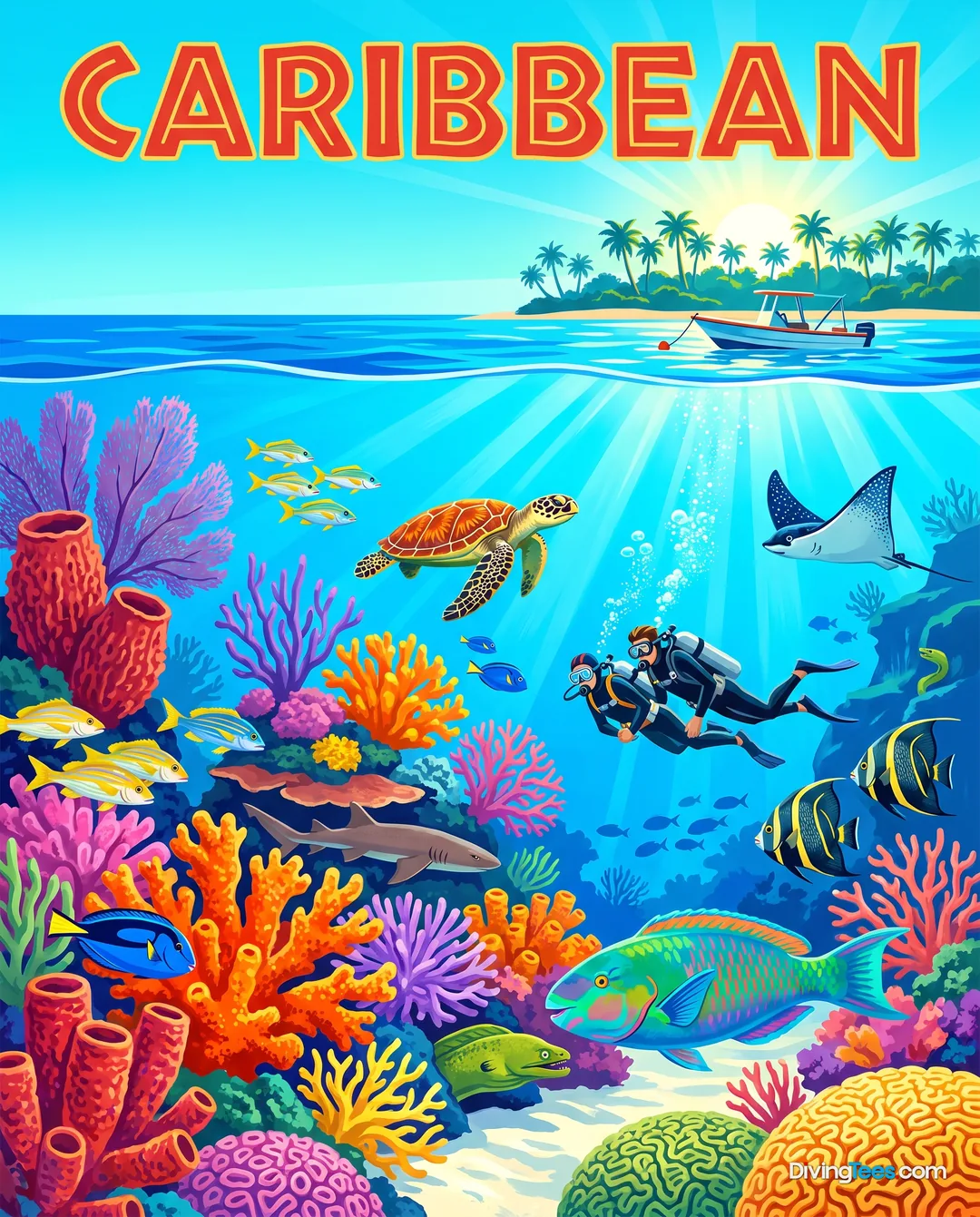
Caribbean
St. Lucia: volcanic relief and Creole life
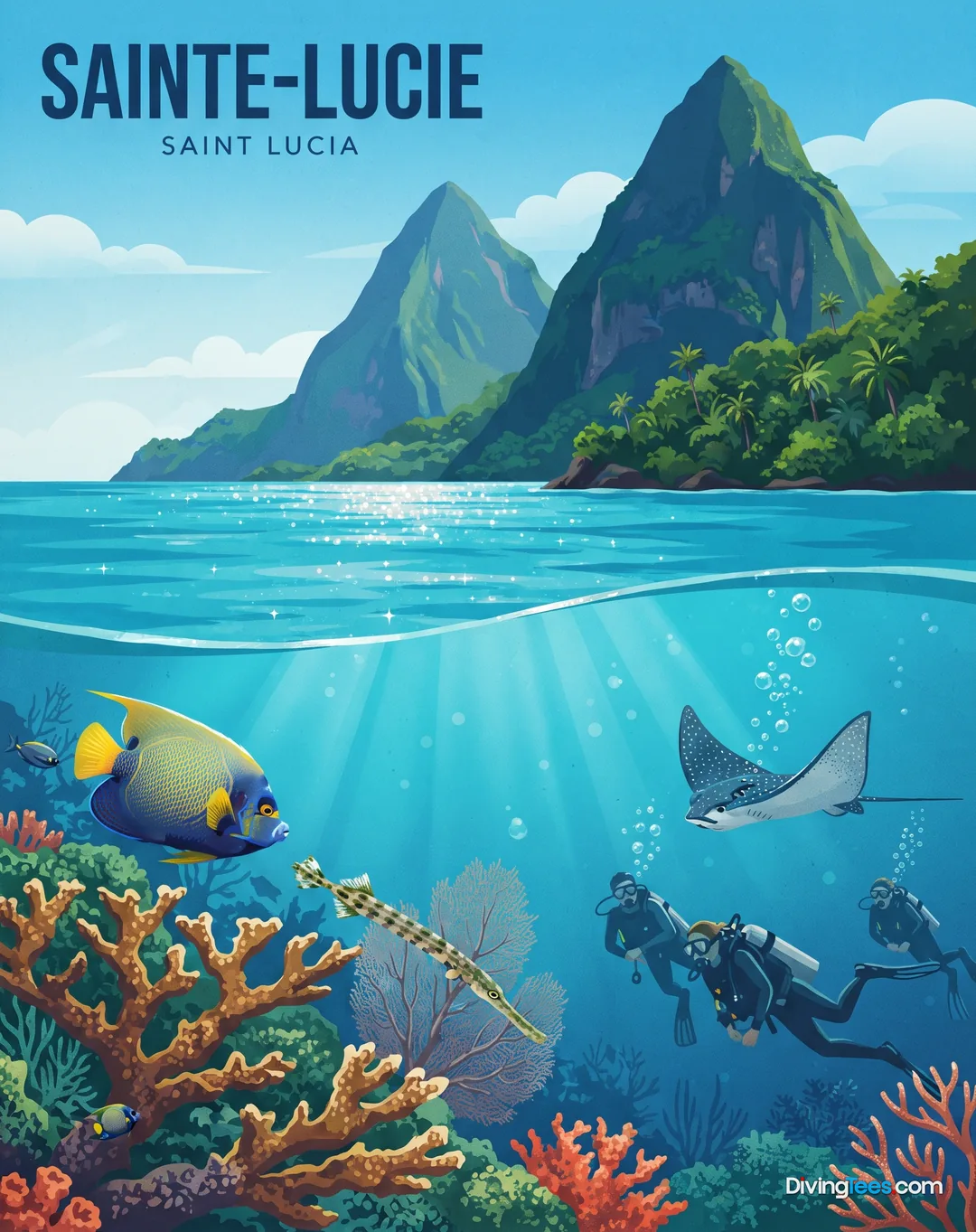
St. Lucia links the Pitons, Castries and a single island-wide diving season with Creole food, cacao plantations and roads that demand more time than the map suggests.
What makes this country unique
- August to October, Sainte-Lucie’s island-wide diving window
- Anse Chastanet Reef and the Lesleen M Wreck
- Soufrière beneath Gros Piton and Petit Piton
- Castries Central Market on Saturday morning
- Green fig and saltfish with cocoa tea
- Gros Islet Friday Night Street Party
- Rabot Estate’s tree-to-bar chocolate experience
For subtitles in English: start the video firstthen click the gearat the top right of the video, select “Subtitles/CC”, then “Auto-translate” and choose “English”.
This country for a diver
For a diver, St. Lucia is a mountainous volcanic island rather than a flat Caribbean stopover. Its appeal lies in having recognisable places above and below the water: Anse Chastanet Reef, Lesleen M Wreck, Anse La Raye Wall and Grand Caille all belong to the island’s diving identity. The surrounding country is compact in map terms but shaped by steep relief, so the choice of base matters as much as the boat programme. Unlike flatter neighbouring islands, St. Lucia joins a concentrated diving season to the Pitons, Creole culture and a coast that rewards time on land.
How the country divides
St. Lucia is one diving area, but not one uniform holiday setting. The north around Rodney Bay and Gros Islet is the practical resort base, with hotels, a marina, restaurants and organised transfers. Castries and Marigot Bay sit closer to the island’s port and central road network, making them useful for combining town, coast and inland visits. Soufrière in the south-west is the more dramatic choice, with the Pitons, rural guesthouses and resorts built into volcanic slopes. Anse Chastanet Reef and Trou Diable belong to this island-wide St. Lucia choice, rather than to separate coastal regions. Anse La Raye Wall and Anse Couchon fit the same broad planning frame. The east around Dennery and Micoud is more exposed, local and fishing-oriented, while Choiseul, Laborie and Vieux Fort feel more rural and less structured for a short, resort-based stay. Choose the north for convenience, Soufrière for landscape and atmosphere, and the south or east for a slower local circuit.
Diving destinations
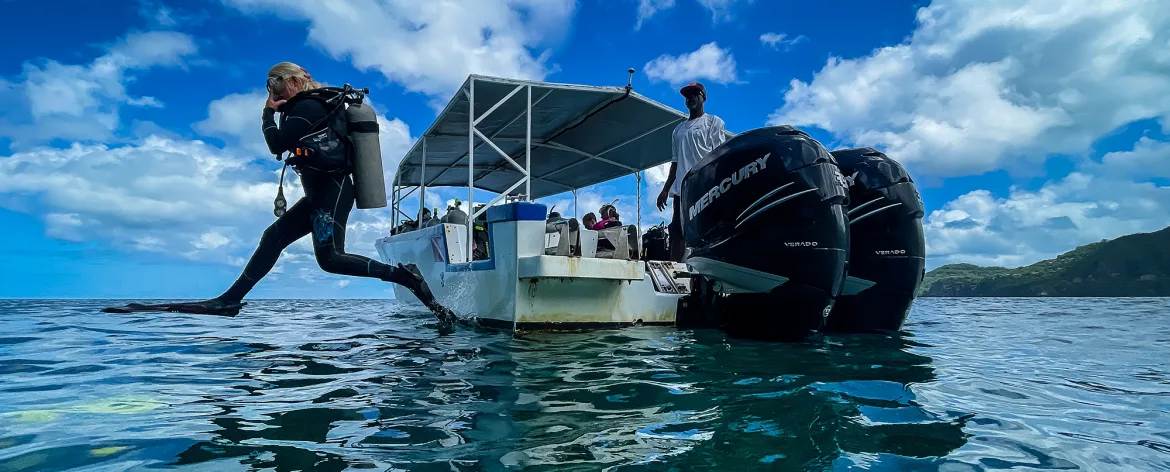
Dive centres

Hotels
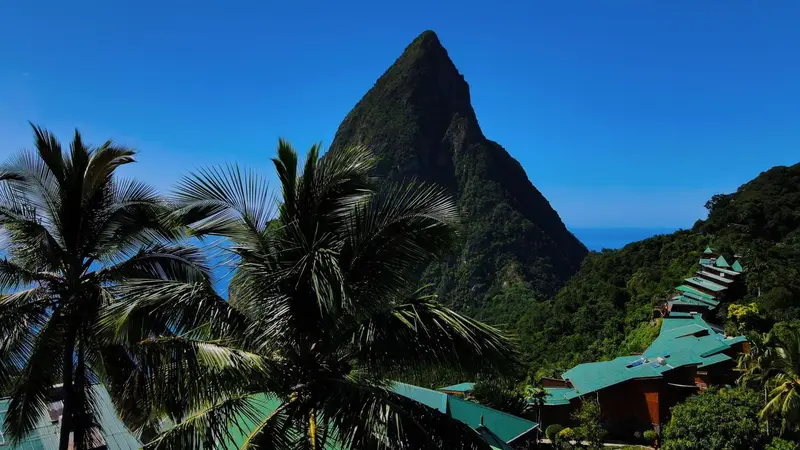
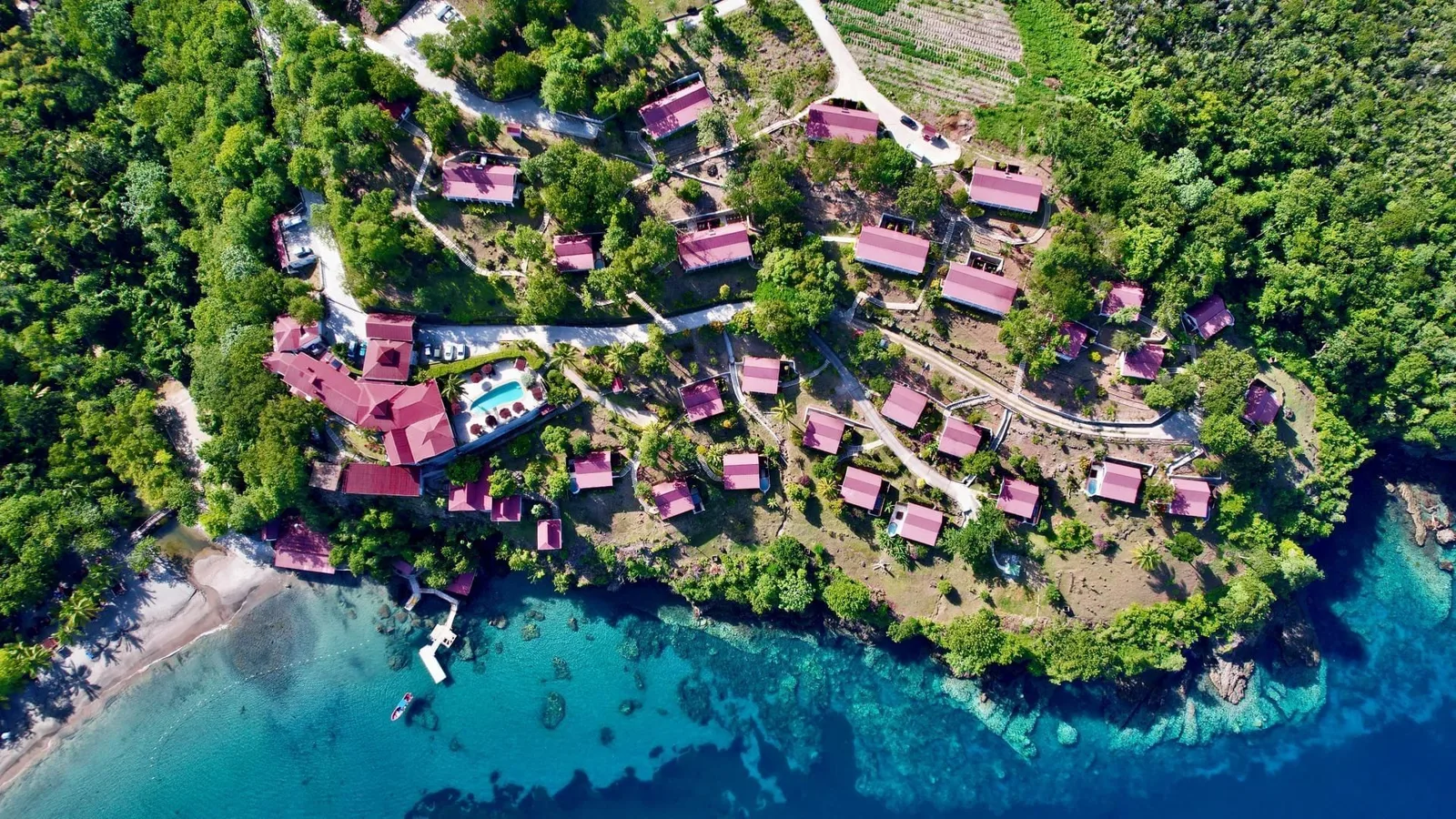
Ladera Resort
Soufrière, Saint Lucia
★★★★★
Google 4.6/5 (752 reviews)
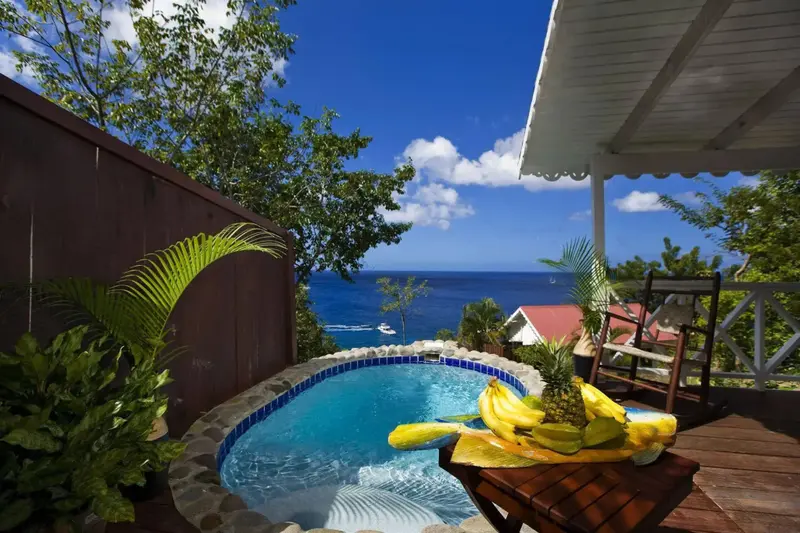
Ti Kaye Resort & Spa
Saint Lucia
★★★★
Google 4.6/5 (728 reviews)
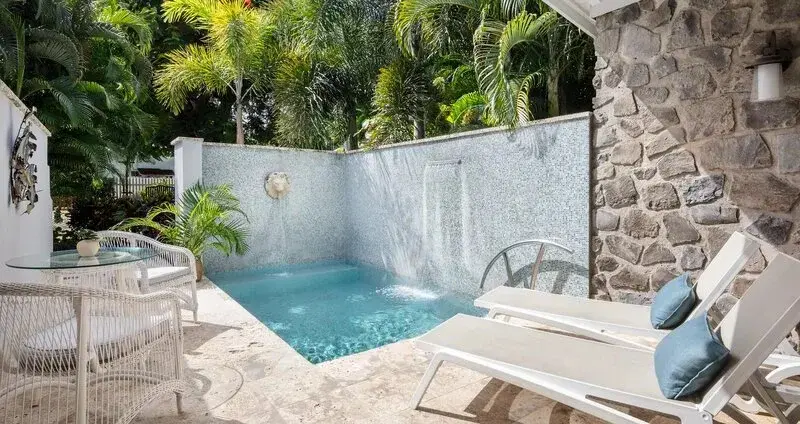
Sandals Halcyon All Inclusive
Castries, Saint Lucia
★★★★★
Google 4.5/5 (1,529 reviews)
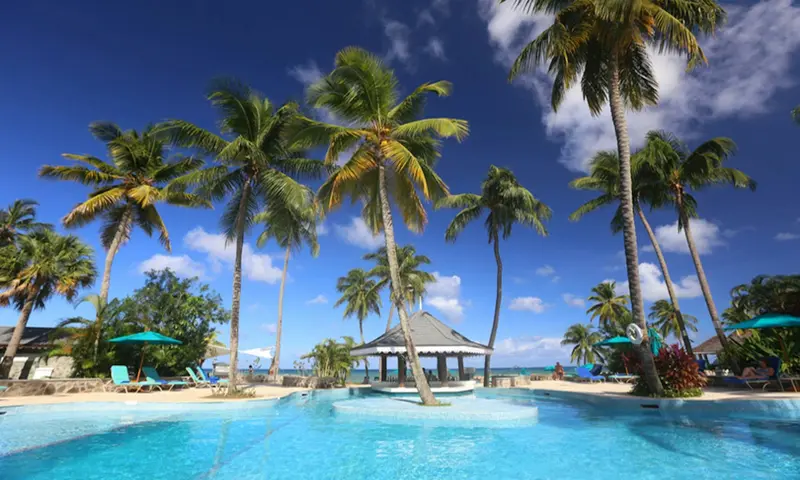
StolenTime St Lucia, Adult Only All-Inclusive Boutique Resort
Castries, Saint Lucia
★★★★
Google 4.6/5 (482 reviews)
When to go, and where by month
August, September and October are the months when St. Lucia is in season for diving. This is an island-wide window: the calendar does not set a northern coast against a southern coast, and there is no opposite seasonal handover between separate island groups. The practical consequence is straightforward. A trip in August, September or October can be planned around either Rodney Bay and Gros Islet or Soufrière, depending on the balance wanted between resort convenience and Pitons scenery. Outside those three months, the country’s diving season is not presented as open by a separate coast, so the decision becomes one of itinerary style rather than chasing a different seasonal zone. October also brings Creole Heritage Month and Jounen Kwéyòl on the last Sunday, adding a strong cultural reason to accept the island’s wetter-season character. August and September suit a quieter land itinerary, while October combines the diving window with Creole food, music and village celebrations.
Marine life, coast by coast
Wildlife does not provide a coast-to-coast itinerary in St. Lucia. The country’s diving areas are not separated here by a named animal community, so a base in Rodney Bay or Soufrière is chosen for access, scenery and the shape of the holiday rather than for a promised change in fauna. That makes the named sites useful anchors without turning them into wildlife claims: Anse Chastanet Reef, Lesleen M Wreck and Grand Caille identify the diving conversation, but they should not be read as interchangeable animal spectacles. The same island-wide August-to-October season applies across St. Lucia. In practical terms, allow the wildlife to be part of each individual dive, while using the country’s geography and surface life to decide where to stay.
Getting between the areas
Moving around St. Lucia is a road exercise, not an internal-flight or coastal-ferry exercise. The island has no regular domestic air network between Hewanorra at Vieux Fort and George F. L. Charles at Castries, and there is no rail service. Minibuses connect the main towns cheaply, but they leave when full and are not ideal with dive luggage. For a comfortable two-base trip, Rodney Bay or Gros Islet can be paired with Soufrière. The Castries–Soufrière road takes a little over an hour by car or minibus, before stops and traffic are added. Dennery, Choiseul or Marigot Bay work better as excursions than as repeated post-dive crossings. Hire cars offer freedom, but left-side driving, narrow bends, steep slopes and sudden mountain rain make a tired return a poor plan.
Take off your mask
St. Lucia’s landward character is clearest around Soufrière, where The Pitons Management Area brings Gros Piton and Petit Piton into the same day as Sulphur Springs Park or the Tet Paul Nature Trail. At Rabot Estate, Project Chocolat turns cacao into a practical visit, from plantation and fermentation explanations to making a tablet and eating a cacao-based lunch. Near Castries, Saint Lucia Distillers – Rhythm of Rum Tour follows sugar and rum through an old factory before a tasting. Castries Central Market is best visited on Saturday morning, with spices, ground provisions, fish, condiments and the adjoining craft market. Rodney Bay and Gros Islet provide the more developed restaurant and marina setting, while Gros Islet Friday Night Street Party is all grilled fish, chicken, boudin, rum and loud music. Dennery Fish Fiesta offers a more local fish-fry atmosphere. Eat green fig and saltfish, bouyon, callaloo soup, accra and bakes; cocoa tea, Piton Beer and tamarind juice keep the island’s everyday flavours in view.
What holds true everywhere here
Across St. Lucia, visitors mainly use English, while kwéyòl remains the language of comfort between many Lucians. Beachwear belongs on the beach, not in Castries Central Market or rural villages, and asking before close-up photography is good manners. Cash is useful at markets and street parties, where food is commonly served by the plate or barquette. Restaurant service can be slower than in Europe, and a service charge may appear; without one, around ten per cent is customary in restaurants and taxis. Driving is on the left, and the island’s minibus network works without strict timetables. At the table, sharing several dishes is more natural than following a formal European sequence.
Frequently asked questions about St. Lucia
When should you go diving in Saint Lucia?
Plan your Saint Lucia diving trip for August to October, the island-wide diving window. This timing applies across the country, so the same seasonal consideration covers areas around Rodney Bay and Soufrière. You can pair dives with Creole food, cacao plantations, the Pitons, Castries, or other surface experiences during your stay.
How should you choose diving sites in Saint Lucia?
Saint Lucia’s named diving anchors include Anse Chastanet Reef, the Lesleen M Wreck and Grand Caille. These sites frame the diving conversation, but they are not presented as interchangeable animal spectacles. Choose a base for access, scenery and your holiday’s shape rather than a promised change in fauna.
What can you see while diving in Saint Lucia?
On Saint Lucia dives, treat wildlife as part of each individual dive rather than a coast-to-coast itinerary. Anse Chastanet Reef, the Lesleen M Wreck and Grand Caille are named diving sites, but they should not be read as interchangeable animal spectacles or evidence of different wildlife communities.
How should you plan your stay in Saint Lucia?
Choose Rodney Bay or Soufrière according to access, scenery and the shape of your holiday. Allow extra time for roads, since they demand more time than the map suggests. Away from diving, consider Castries Central Market on Saturday morning, Gros Islet Friday Night Street Party, or Rabot Estate’s tree-to-bar chocolate experience.