Green Escape Unawatuna
★★★★
★ 9.1/10 (670 reviews)
1.2 km away as the crow flies
Dive centre · Galle · Sri Lanka
4.8831 Google reviewsExplore historic shipwrecks and vibrant coral reefs with a PADI 5 Star IDC centre operating year-round across Sri Lanka's coast.
For subtitles in English: start the video firstthen click the gearat the top right of the video, select “Subtitles/CC”, then “Auto-translate” and choose “English”.
Pearl Divers operates as a premier PADI 5 Star IDC centre, strategically positioned to offer year-round diving across Sri Lanka. By maintaining two distinct bases, they follow the best seasonal conditions: the Unawatuna centre serves the south coast from October to April, while the Trincomalee centre covers the east coast from May to October.
This dual-location setup allows you to access the best of both worlds, from the historic wrecks and rocky reefs of the south to the diverse marine life of the east. Whether you are looking for a relaxed reef dive or a challenging wreck penetration, the centre provides the infrastructure to support your objectives.
As an Instructor Development Centre (IDC), the training programme is led by a dual Course Director team, Mudasir Wajid and Janhavi Deodhar. This professional setup is designed to take divers from their first breath underwater right through to professional instructor qualifications.
The team is highly experienced and capable of providing instruction in ten different languages, including English, Russian, Tamil, Romanian, Bulgarian, Kannada, Hindi, Marathi, Malayalam, and Sinhala. This multilingual approach ensures clear communication and precise safety briefings for a diverse international community.
Safety and personalised attention are central to their operation, with a focus on small group sizes. The centre also maintains a strong commitment to eco-conscious diving practices and marine conservation through various PADI and AWARE programmes.
The course catalogue is extensive, covering the entire PADI spectrum. Beginners can start with Discover Scuba Diving or the PADI Bubblemaker programme, progressing through Open Water Diver and Advanced Open Water Diver certifications.
For those looking to deepen their skills or move into professional diving, the centre offers Rescue Diver, Divemaster, and full Instructor Development Courses (IDC). Specialized training is also available, including Wreck Diver, Deep Diver, Peak Performance Buoyancy, Search and Recovery Diver, and Underwater Navigator.
Environmental and specialty training is a significant part of the curriculum, with courses such as AWARE Coral Reef Conservation, AWARE Dive Against Debris, Nitrox Diving, and Emergency Oxygen Provider. They also offer Digital Underwater Photographer and Underwater Naturalist programmes for those looking to refine their observation and documentation skills.
The centre provides well-maintained equipment for hire, including regulators, wetsuits, and fins. For those interested in night diving, torches are available to help you navigate the darker sections of the reef.
Nitrox is available on-site, allowing for extended bottom times on deeper dives. The facility is well-equipped to support both recreational fun dives and more structured training sessions.
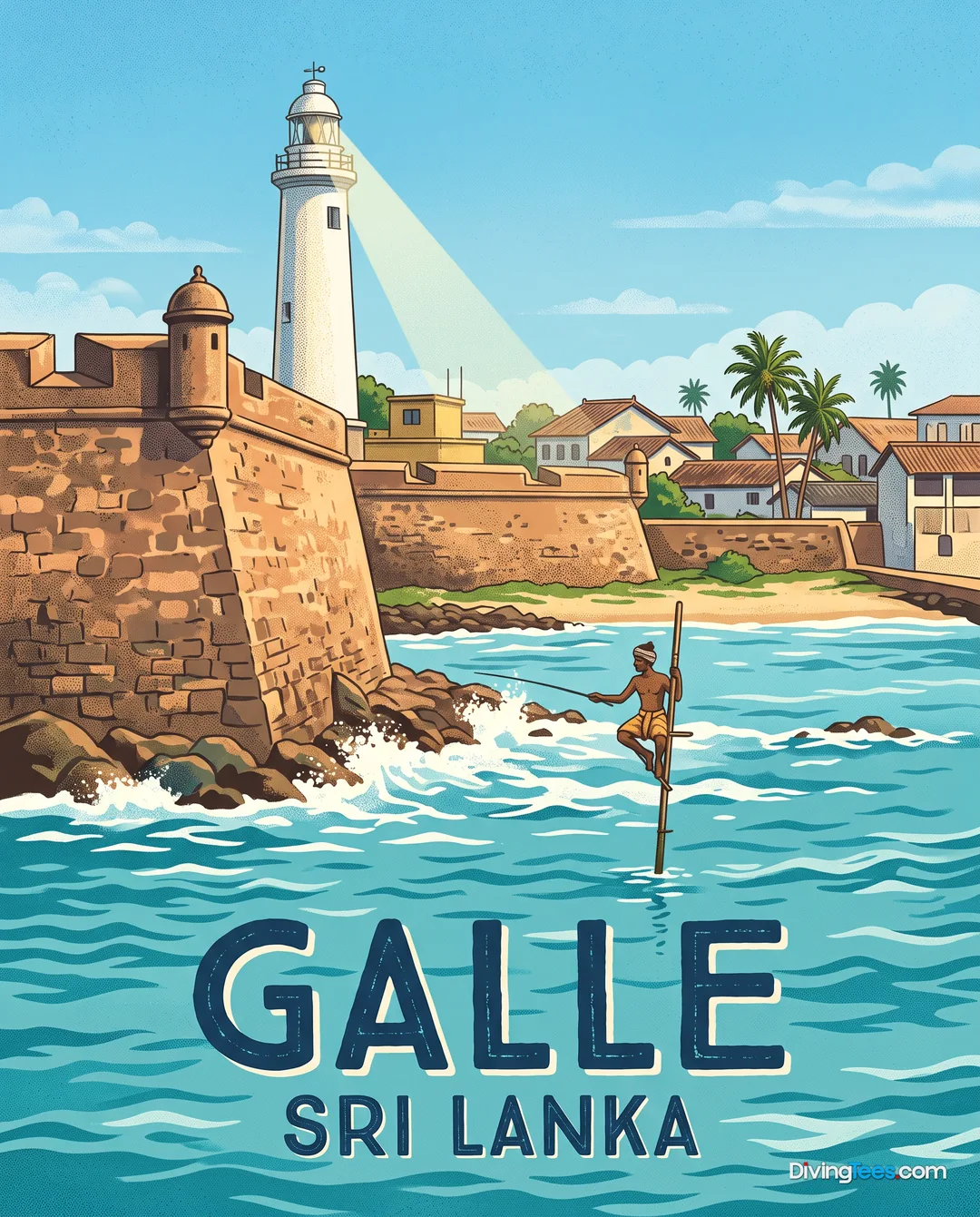
The SS Rangoon is a massive 60-metre steamship resting upright at the entrance of Galle Harbour. At 32 metres, this historic wreck is an advanced dive where you can explore a structure that remains remarkably intact.
Galapita Gala offers a rocky underwater landscape featuring a 3-metre long cave. This intermediate to advanced site is a haven for nudibranchs and soft corals, with regular sightings of manta rays and stingrays.
Goda Gala, also known as the Lord Nelson Wreck, is a modern shipwreck sunk in 2000. It has become an exciting artificial reef where you can penetrate parts of the wreck to find reef fish and occasionally mantas.
Diyamba Kupatha is a wide, rocky reef system that reaches depths of 30 metres. It is a destination for advanced divers seeking black and red corals, and it is a prime spot for spotting whale sharks in February.
And some of the dive sites the centre runs.
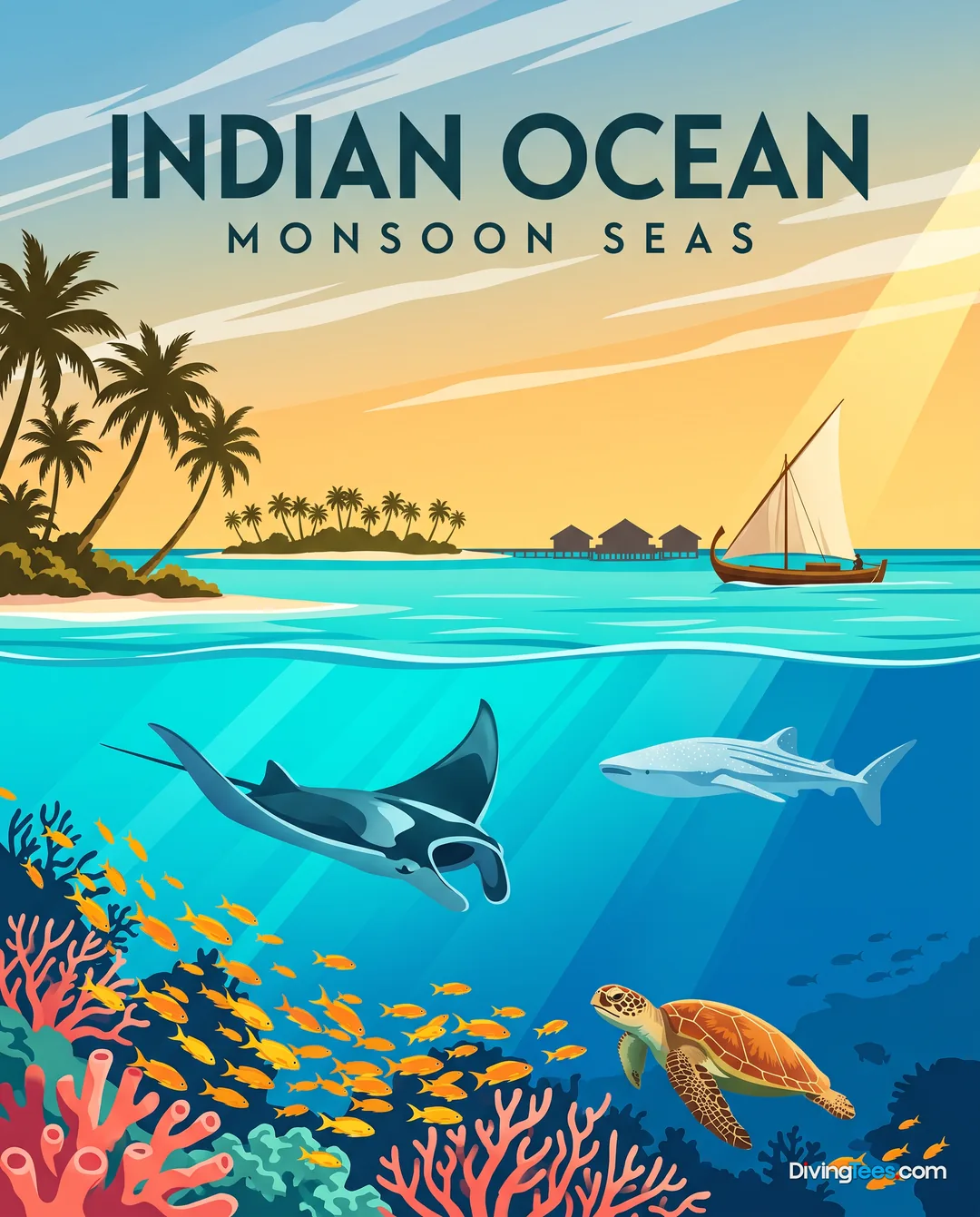
The marine life is diverse, ranging from large pelagics to delicate reef inhabitants. You will regularly encounter green turtles, hawksbill turtles, and various species of rays, including blue-spotted stingrays and giant rays. Schools of fish such as snappers, angelfish, emperors, and fusiliers are common across the reef systems.
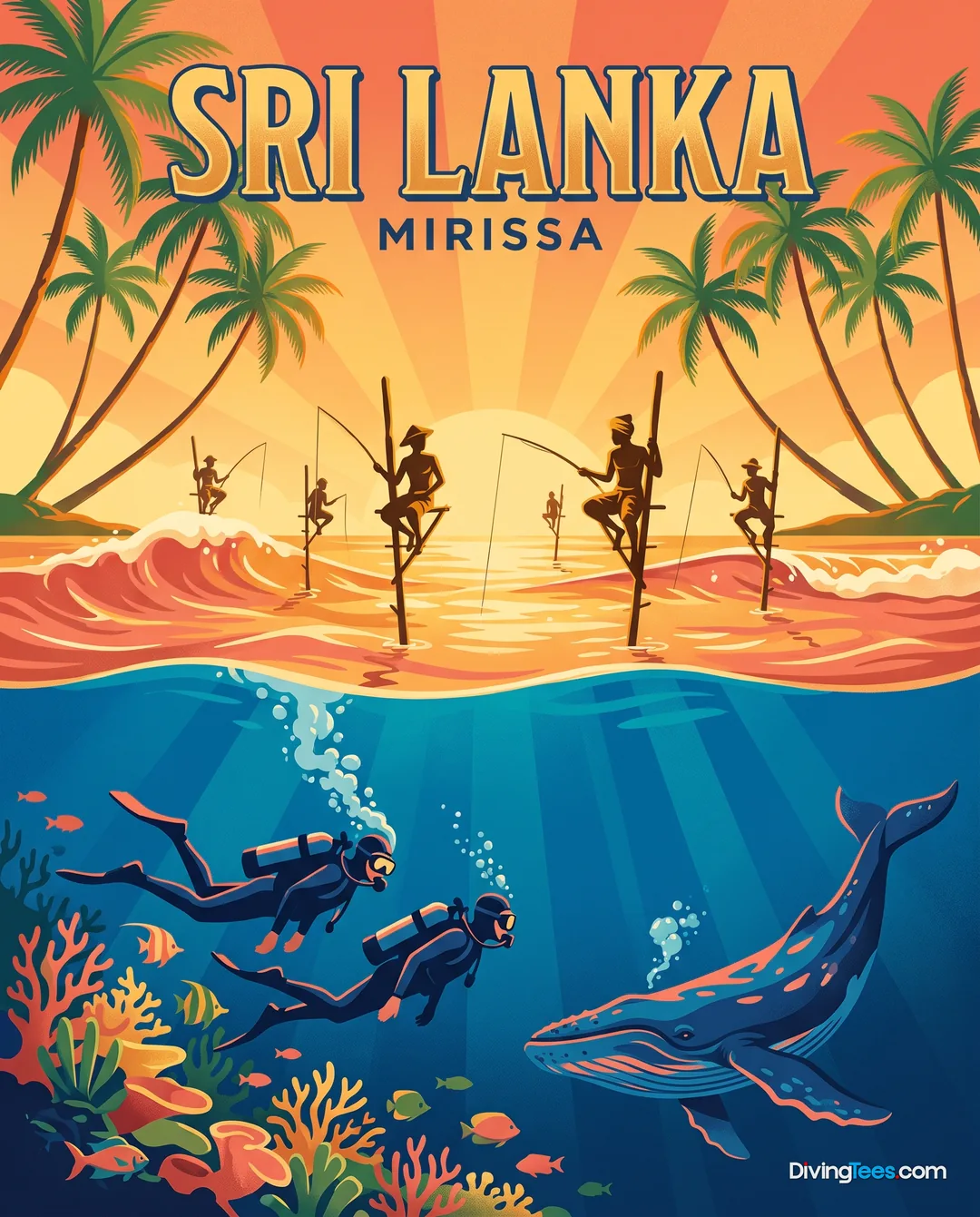
During the right season, the area offers spectacular encounters. In February, whale sharks are known to visit the deeper reefs, and blue whales and sperm whales can be spotted in the Unawatuna area between October and April. In Trincomalee, the season for whales shifts between May and October.
For those interested in macro life, the reefs host a variety of smaller creatures. You can find nudibranchs, sea slugs, and Christmas tree worms adding colour to the corals, alongside octopuses, cuttlefish, and various species of shrimp.
The reef structure itself is highly productive, with many sites featuring large anemones, sponges, and a variety of hard and soft corals that provide shelter for moray eels, lionfish, and scorpionfish.
Diving conditions vary by location and season. In Unawatuna, the optimal window is from October to April, while Trincomalee is best visited from May to October. Night dives are available and often feature glowing plankton.
Visibility is generally good, typically ranging between 10 and 25 metres. The water temperature remains warm throughout the year, generally staying between 27 and 29°C.
Hello, I'm Marina, DivingDeal.com's AI assistant. I answer in detail about hotels, dive centres and liveaboards.

Thinking about the whole trip and the flights? Talk it over with Edith →
Marina is an AI. Some links are affiliate links: DivingDeal may earn a commission, at no extra cost to you. Bookings are made with the partner.