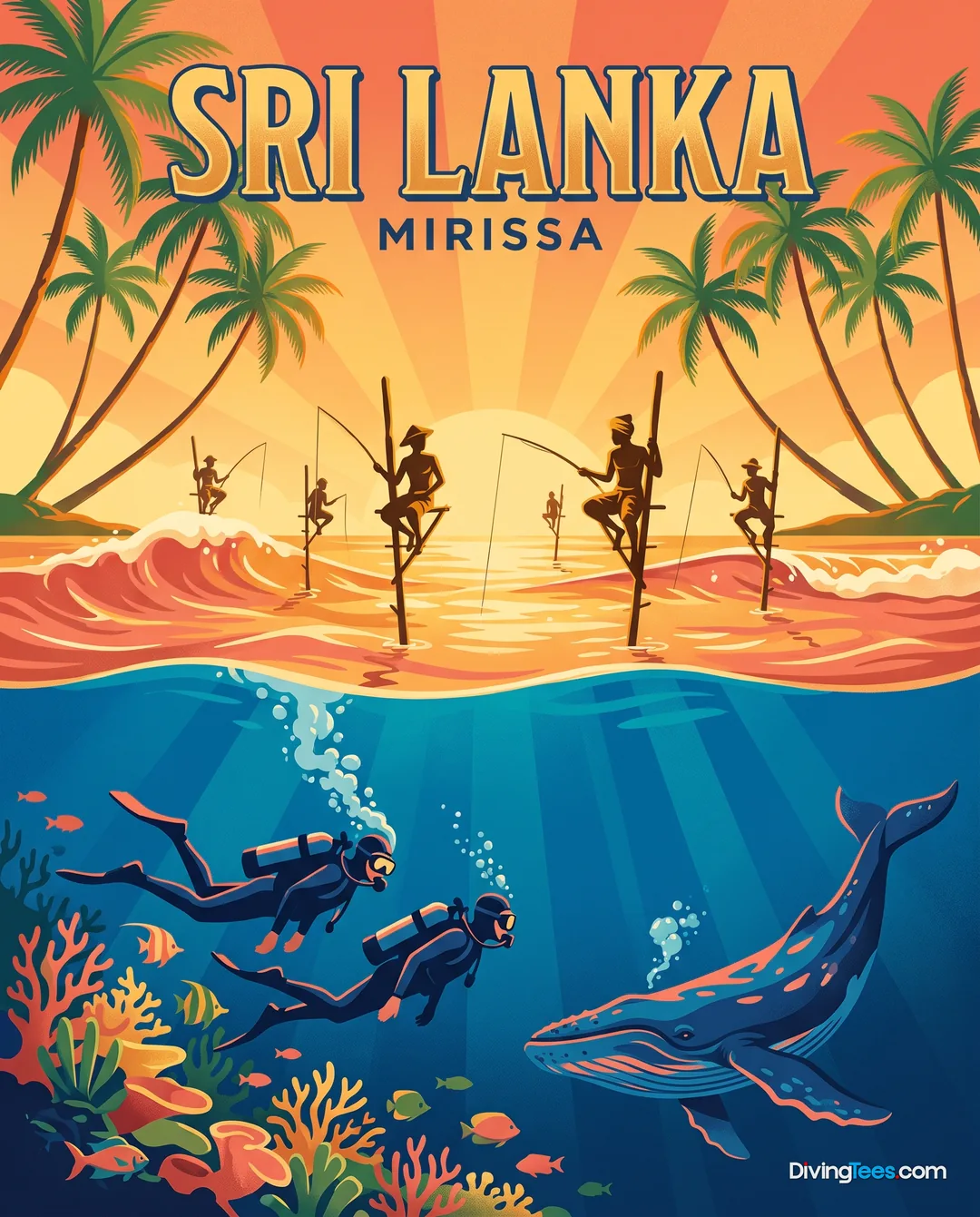
Diving in the Indian Ocean: wildlife, current and wreck choices
The Maldives pairs boat and shore diving; Sri Lanka turns the same Indian Ocean decision towards wreck diving, with Earl of Shaftesbury as an anchor.
What makes this area unique
- Napoléon gives the Maldives a signature reef encounter
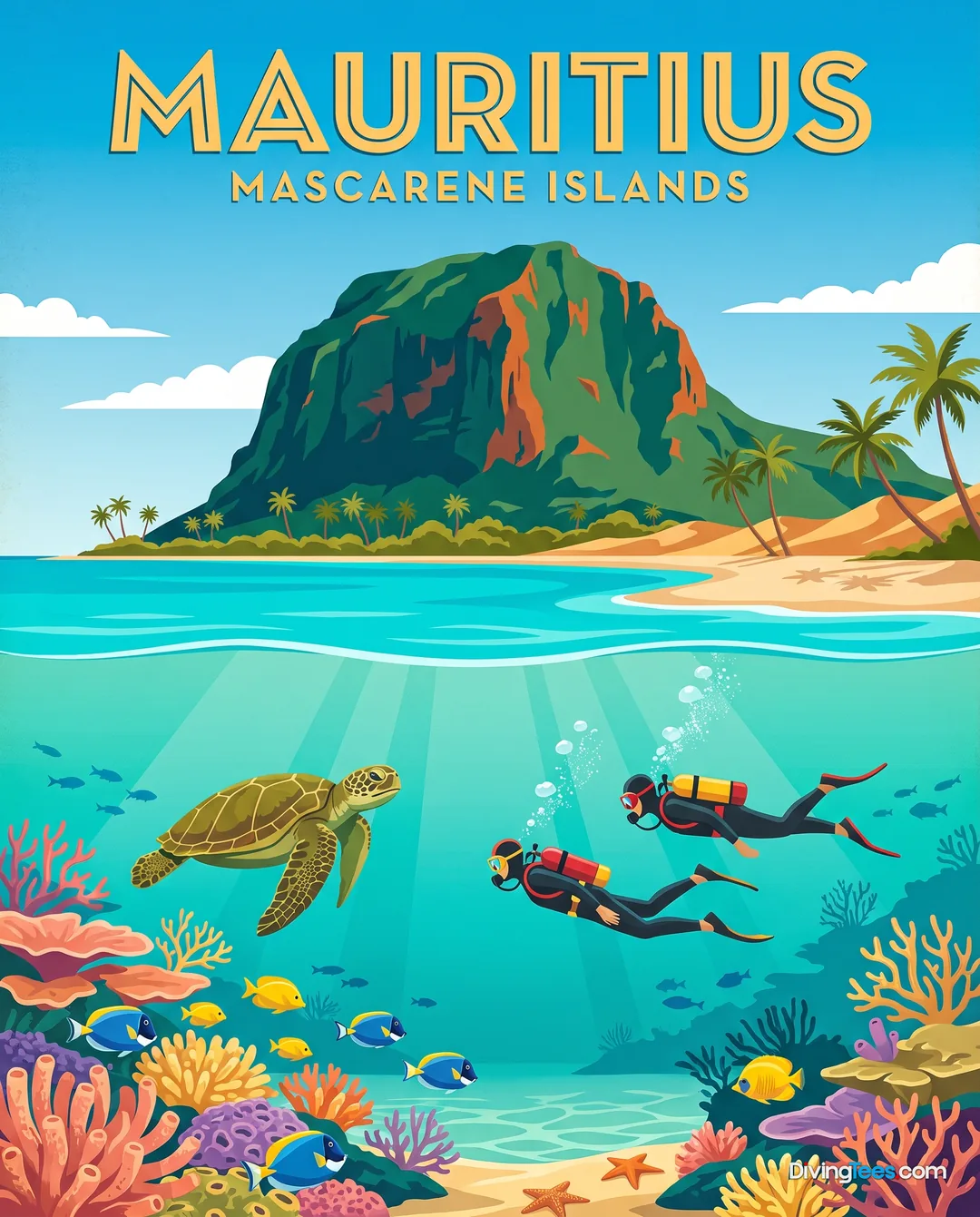
- Mauritius is the region’s clearest boat-diving choice
- Earl of Shaftesbury anchors Sri Lanka’s wreck-diving appeal
- Liveaboards are available across every Indian Ocean country
- Madagascar and Sri Lanka remain lightly visited
- The Maldives is open to all levels; Sri Lanka demands experience
This region for a diver
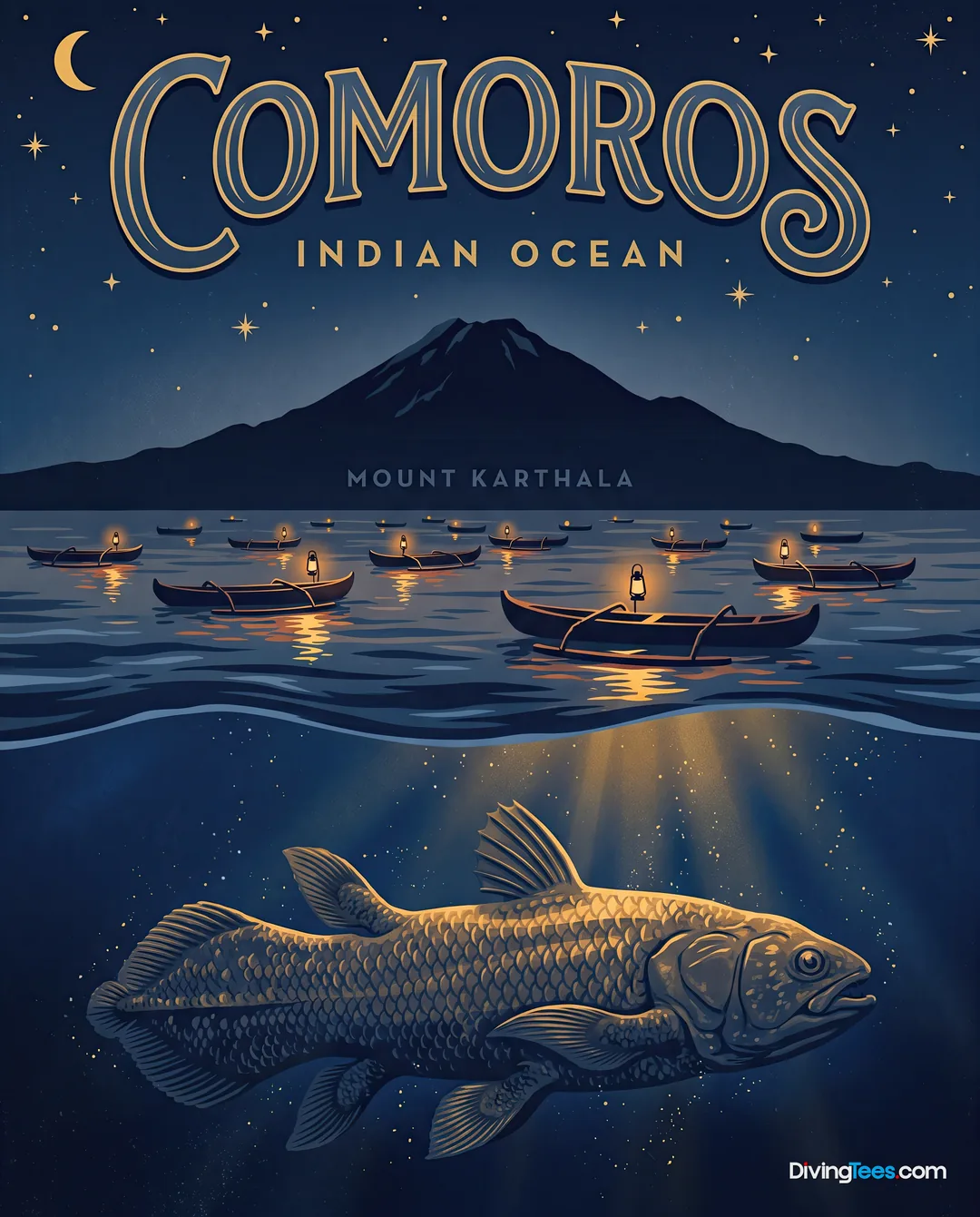
Indian Ocean diving is shaped by a costly proposition: every country carries high prices, yet every one has liveaboard availability. That makes the region less about finding a cheap substitute and more about deciding what kind of week justifies the spend. The shared waterborne language is equally distinctive: reef contact and buoyancy matter, current briefings matter, and transfers or crossings can affect the shape of a trip. The region also refuses a single diving identity. Mauritius is boat-led, the Maldives mixes boat and shore diving, and Sri Lanka centres wreck diving. This is a region where planning the diving matters as much as choosing the island.
What you come to see
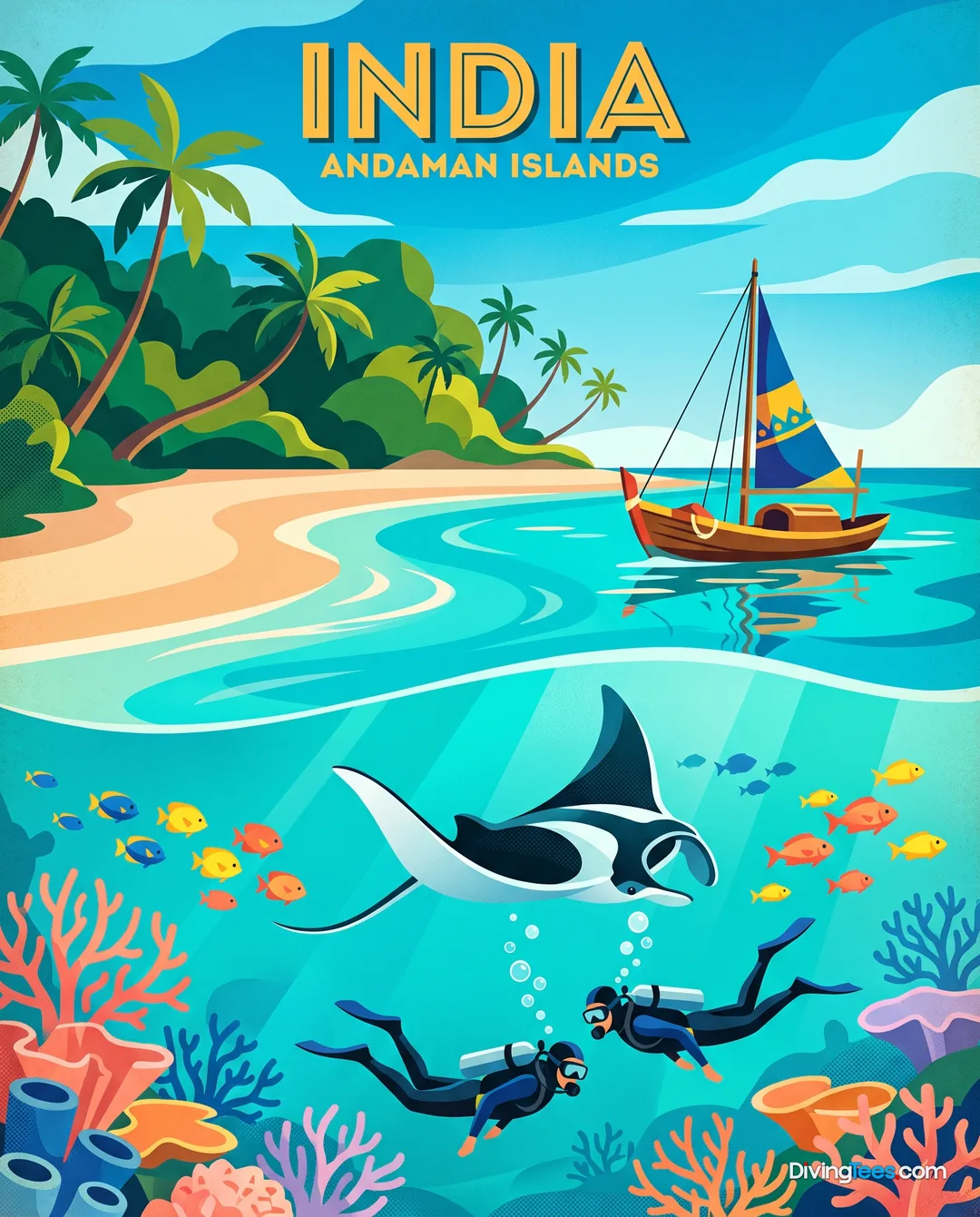
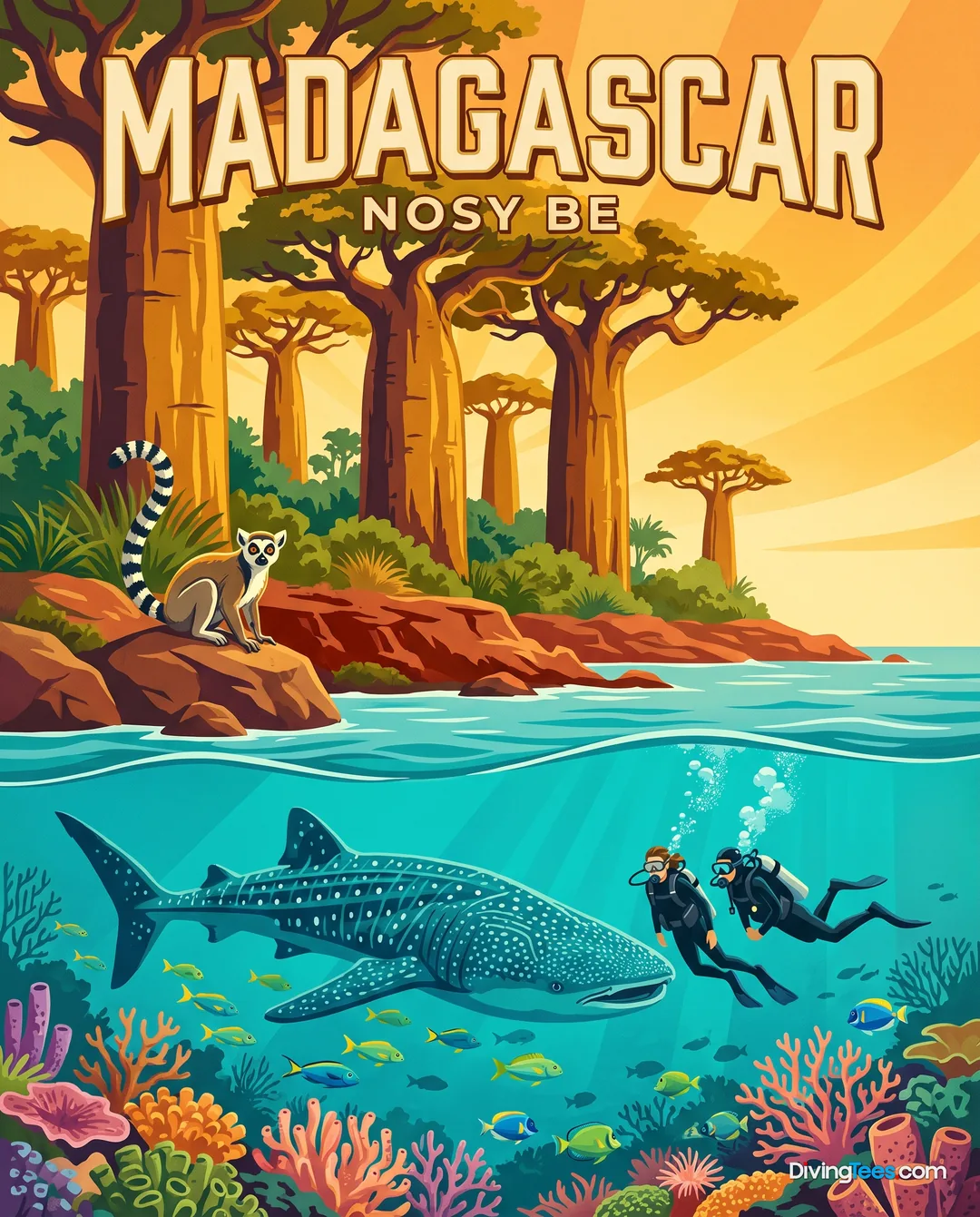
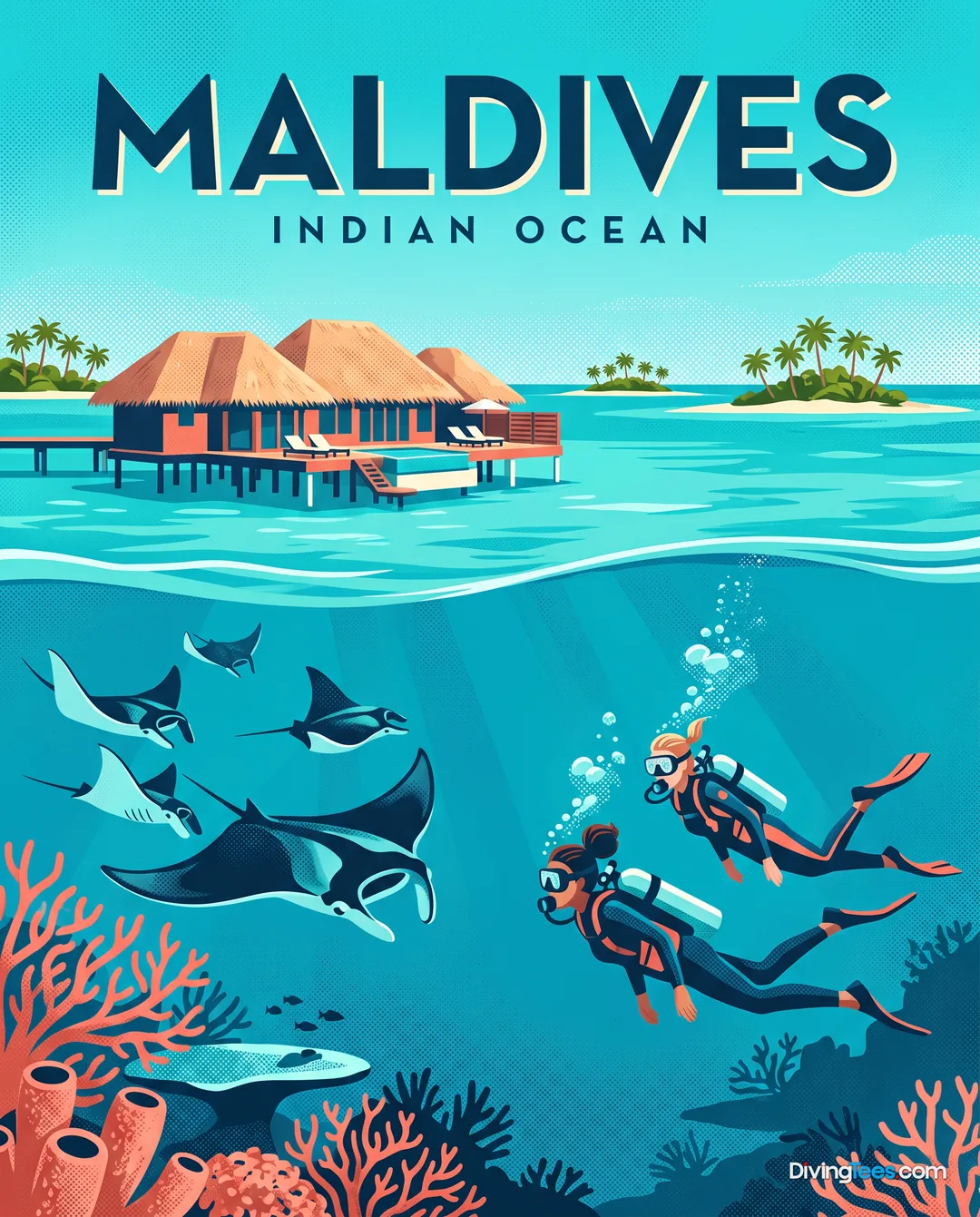
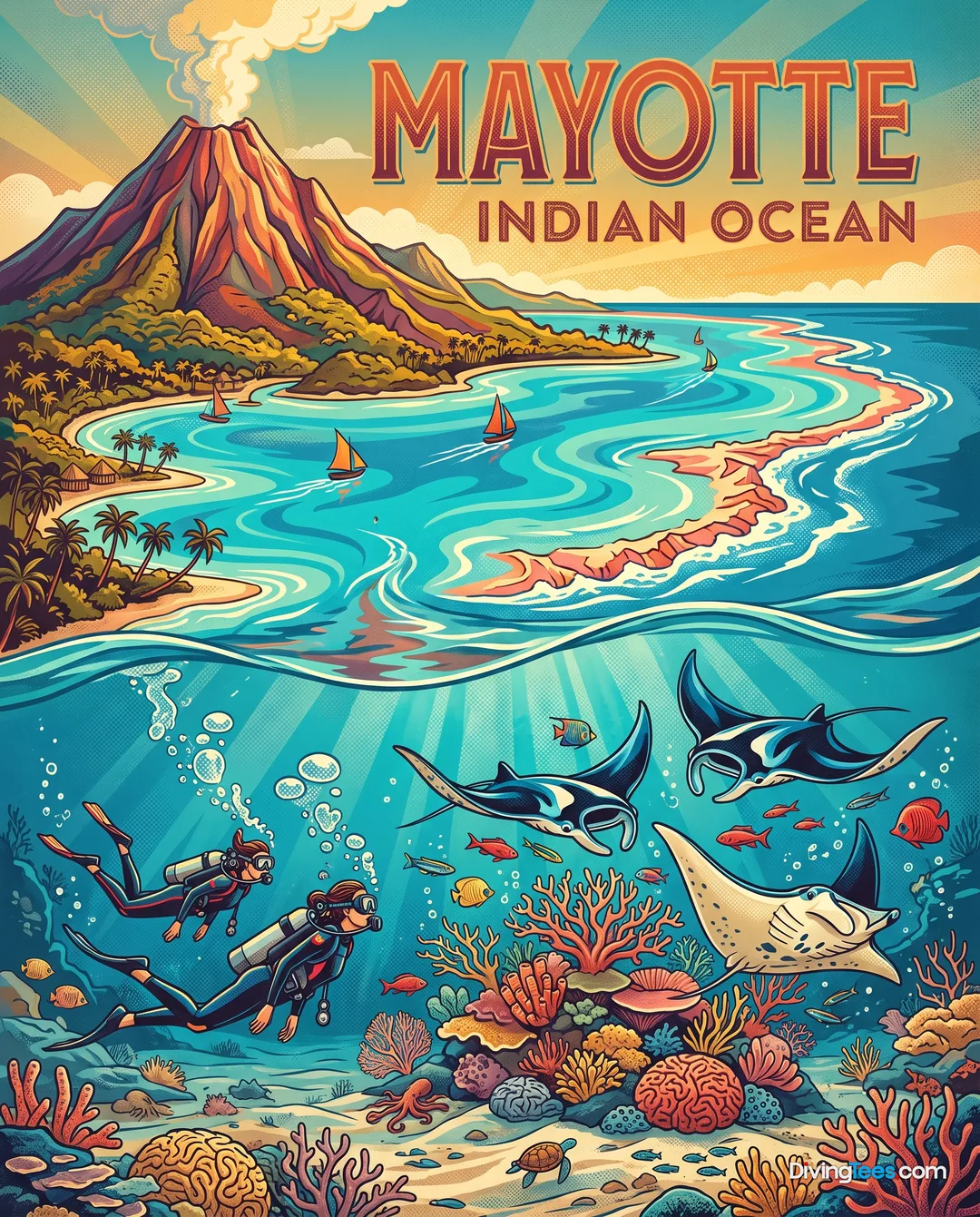
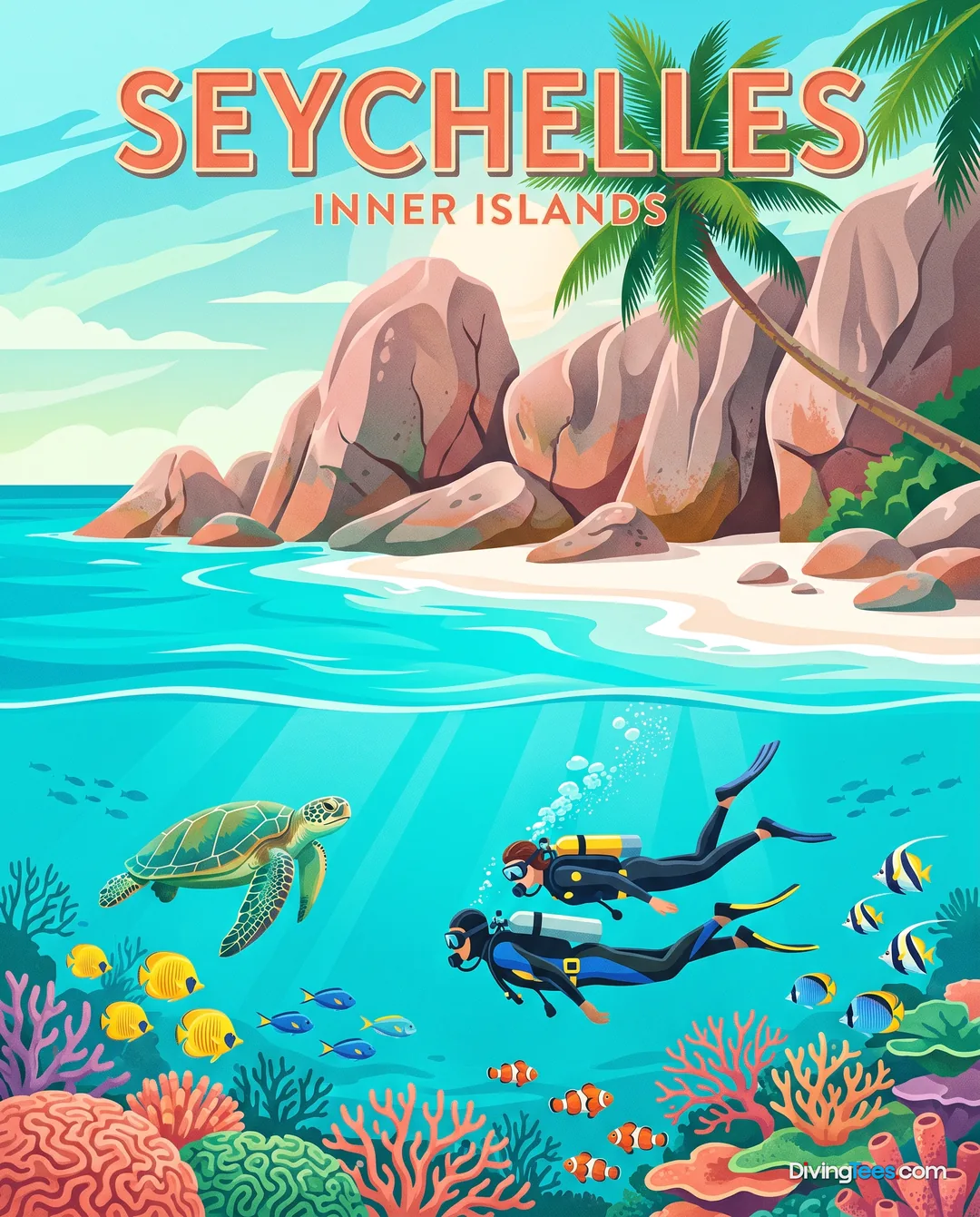
Across the region, Jack, Nudibranch, Southern stingray, Tuna, Moray eel and Sea turtle form a familiar cast. They are not a reason to treat the Indian Ocean as one interchangeable trip, however. The useful question is how the encounter is made: managing buoyancy and contact with the reef, reading a current for a drift dive, or keeping a clean profile through repeated dives. The country signatures then sharpen the choice. The Maldives has Napoléon as its signature; India adds Fusilier; Seychelles brings Requin gris de récif; Madagascar has Thazard. Those names matter more than a long species checklist because each points towards a different country decision. Sri Lanka’s wreck-diving identity changes the backdrop altogether, making wildlife part of an experience built around wrecks rather than reef encounters alone. Maya Thila in the Maldives and Manta Point in Madagascar are useful anchors when weighing those signatures. Choose the country whose defining sighting you would miss most.
Which one to choose
Start with the diving identity, not the calendar. Mauritius suits a boat-diving trip; the Maldives is the more flexible boat-and-shore proposition and is open to all levels. Sri Lanka is the wreck choice and asks for experienced divers, while Madagascar and Sri Lanka are the lightly visited options. The Maldives and Seychelles are moderately visited, a useful distinction when high prices make crowd levels part of the decision. Liveaboards are available throughout the region, so they are not a country filter; the real filter is whether you want a liveaboard-led week or a mixed arrangement. Current, downcurrent and drift-dive demands belong in the briefing conversation, especially where your BSAC, PADI or SSI experience does not match the itinerary’s expectations. For the calendar, March is the cleanest region-wide choice; January to February favours Comoros, India, Maldives, Mauritius and Seychelles, whereas June to July narrows the field to Madagascar and Sri Lanka.
What the whole region shares
Across this region, the practical discipline is consistent: keep buoyancy precise, avoid reef contact, and treat a current briefing as part of the dive rather than paperwork. A downcurrent can turn a drift dive into a problem if the group is not aligned, so a controlled safety stop and a sensible margin for weather or a spare day belong in the plan. Marine-park rules shape how encounters are conducted, while monsoon and rainy season considerations can alter the value of a fixed itinerary. Transfers and crossings matter to the rhythm of a trip; Nitrox can be relevant when profiles are repetitive. High prices are universal here, as is the liveaboard option. That combination (expensive travel with mobile diving) defines the Indian Ocean more sharply than a single reef or species.