
Seahorse Dive Center
Google 4.9/5 (430 reviews)
Sri Lanka · Indian Ocean
Galle brings together the steel hulls of SS Rangoon and SS Orestes, rocky reefs off Unawatuna, and the historic walls of Galle Fort.
For subtitles in English: start the video firstthen click the gearat the top right of the video, select “Subtitles/CC”, then “Auto-translate” and choose “English”.
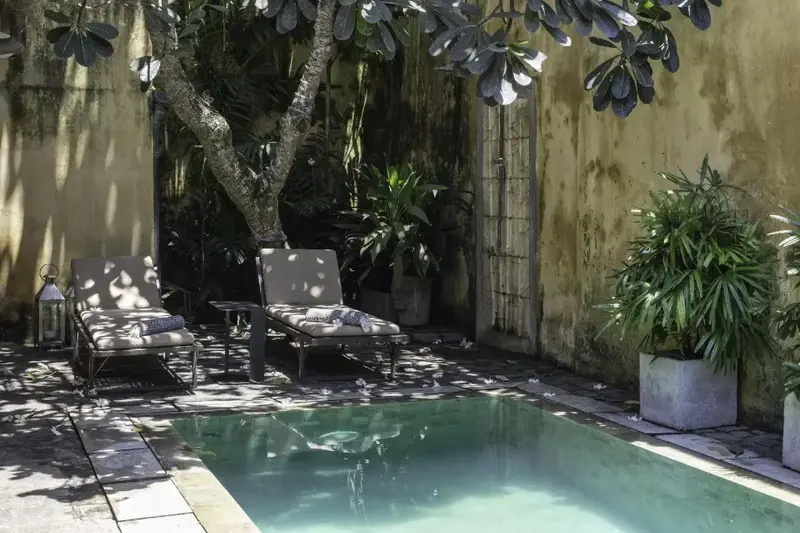
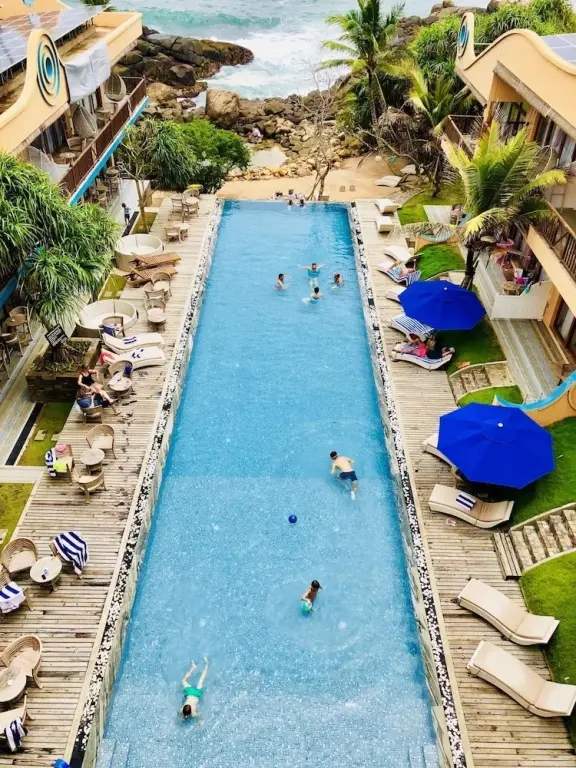
Galle suits divers who want wrecks and reefs without committing to a liveaboard. The usual base is Unawatuna, where boats head from the beach or harbour towards rocky sites and the wrecks around Galle. Underwater days can be balanced with time ashore at Galle Fort, on the surrounding beaches, or along the south coast. It is a destination for a proper land-based holiday, with enough variety to accommodate both straightforward shallow dives and more demanding wreck plans.
The diving moves between coral and rocky reefs, exposed rock formations, occasional drift dive conditions, and wrecks close to Galle harbour. Local sites range from about 6 to 32 metres. Shallow reefs provide a sensible introduction, while SS Rangoon is generally treated as the deeper proposition, at roughly 30 to 32 metres. The SS Orestes and Galle Ship Wreck add the visual interest of steel structures and broken outlines beneath the boat route. Currents are variable rather than consistently strong, but a downcurrent or a change in sea state can alter the plan. Visibility is commonly around 10 to 20 metres from November to April, although rain, coastal runoff, swell and currents can reduce it sharply. These are day boats from Unawatuna or the Galle area, not liveaboard itineraries.
The wrecks and rocky reefs provide the main underwater subjects here: steel hulls, hard surfaces, coral areas and the changing light that comes with visibility. Galle is not a destination to book solely on the expectation of a particular animal encounter. Whale sharks are reported occasionally between January and March, but the encounter is rare and should be treated as a bonus rather than the reason for choosing the coast. On an ordinary dive, the appeal lies in moving between reef and wreck terrain, examining the structure at close range, and seeing how conditions change from one site to the next. After heavy rain, nearshore runoff can obscure that detail, making offshore choices more attractive.
Plan a Galle diving holiday between November and early April. This is when the south coast is generally most workable, under the north-east monsoon, with calmer conditions and more dependable boat operations. From about mid-April, the south-west monsoon brings more swell, rain and stronger currents, while visibility becomes less predictable. Many local centres close or greatly reduce activity through the rainy season. November and early April can be quieter than the holiday periods, but they also carry more variable conditions. January to March offers the small possibility of a whale shark encounter, though it is rare and should not dictate the whole trip.
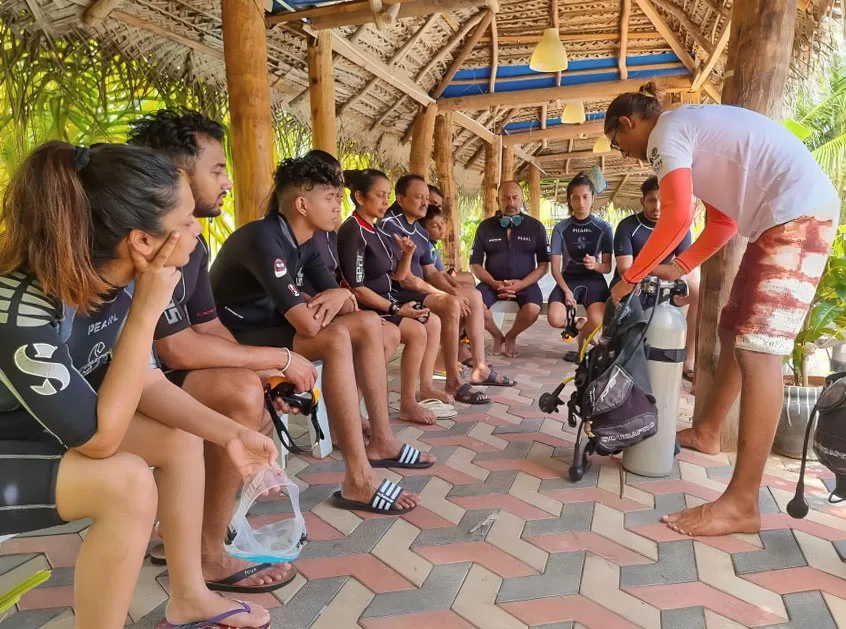
Beginners can use the shallower reefs and sites of around 6 metres for training or an uncomplicated first dive. The destination also suits experienced recreational divers who want to combine reefs with wrecks, provided they accept that conditions can change. Advanced Open Water, or an equivalent BSAC or SSI qualification, is useful for SS Rangoon and other dives beyond a diver’s training depth. Do not treat every Galle wreck as a novice site, since the local programme reaches roughly 32 metres.
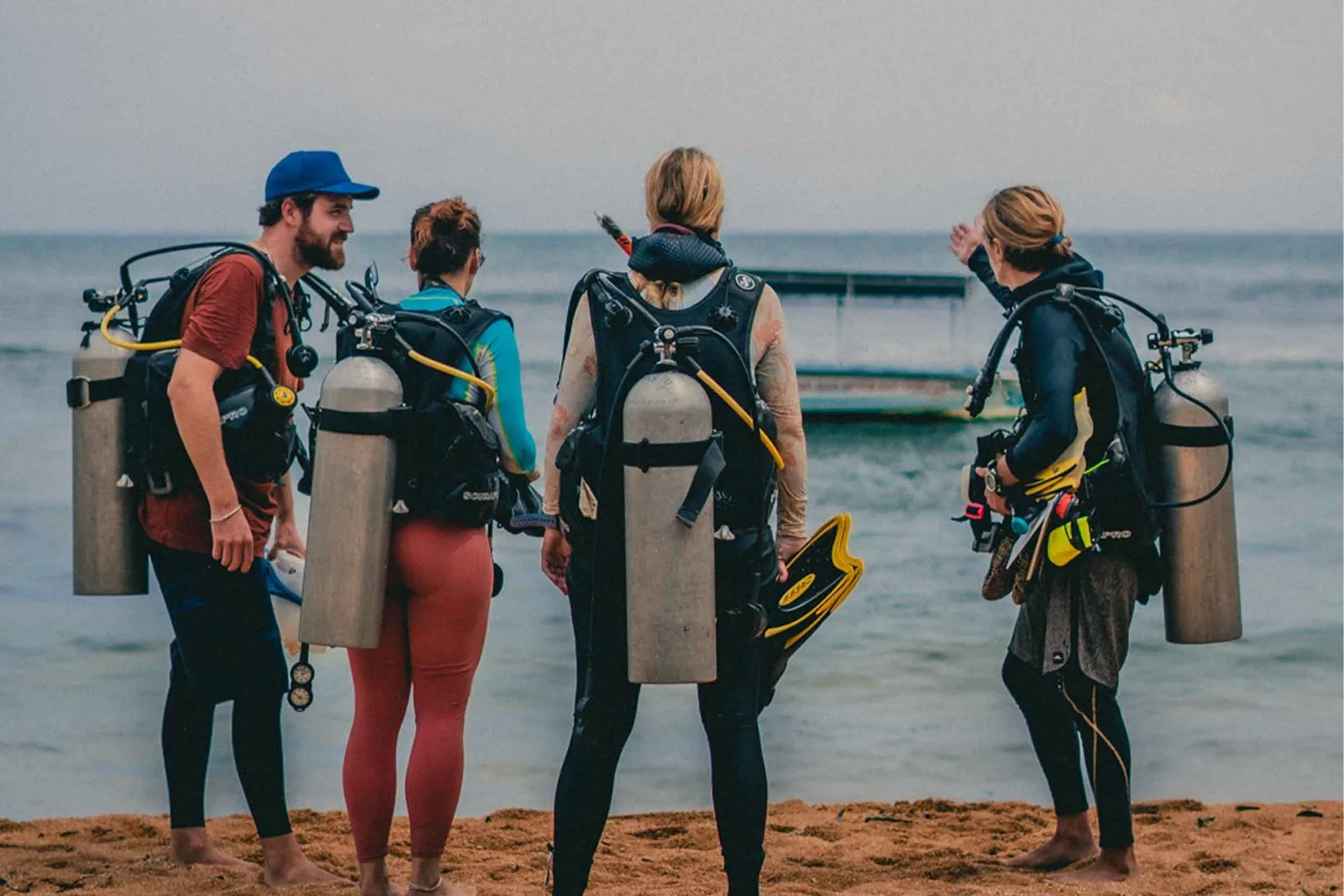
From London Heathrow, Gatwick or Manchester, the route is by air to Bandaranaike International Airport, followed by a road journey towards Galle via Colombo and the coastal motorway. There is no ferry or domestic flight required for the onward journey. Allow several hours for the transfer, with traffic affecting the final arrival time. The diving base is usually Unawatuna, about 5 kilometres south of Galle, so staying there avoids a daily road connection. From Galle or neighbouring beaches, reach the centres and departure points by tuk-tuk or taxi, unless your accommodation is close enough to walk. Boats leave from the beach or from the harbour area, depending on the wreck or reef planned.
For a first day, start with a shallow reef or wreck before committing to SS Rangoon. That gives you a useful read on visibility, swell and current before a deeper dive. Keep alternative sites in the programme, because south-west monsoon conditions can make a planned wreck impractical and coastal visibility can deteriorate quickly after heavy rain. Ask about the offshore view rather than relying on yesterday’s conditions, especially if the previous dive was close to shore. Bring a suitable torch for wreck work and rocky passages, as availability for hire is not assured. Reserve the more sought-after wreck outings outside school holidays where possible. Finally, keep Galle and Hikkaduwa separate in your planning: they are in the same district, but their centres, sites and any local arrangements are not interchangeable.
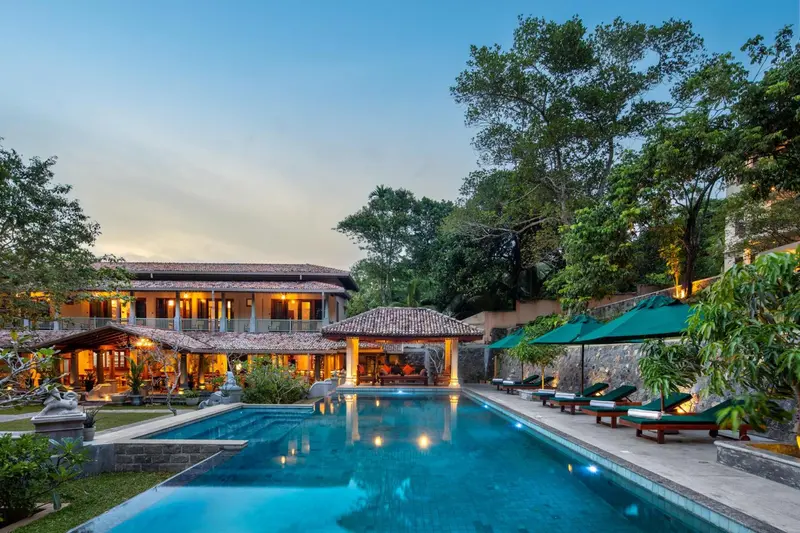
Stay in Unawatuna if diving is the priority, as the beach and coastal road place you close to the centres and departure points. Galle is the better base for days centred on the fort, colonial streets and heritage, with a short local transfer to the diving area. Allow five to seven days for several reef and wreck outings, a weather buffer, and time ashore. The same land-based stay can include beaches, coastal coves and an inland excursion without needing a liveaboard.
Hello, I'm Marina, DivingDeal.com's AI assistant. I guide you through destinations, areas and countries.
Thinking about the whole trip and the flights? Talk it over with Edith →
Marina is an AI. Some links are affiliate links: DivingDeal may earn a commission, at no extra cost to you. Bookings are made with the partner.
Choose Galle between November and early April, when the south coast is generally more workable under the north-east monsoon. Conditions are more variable around November and early April, while January to March brings a rare possibility of whale sharks. From mid-April, swell, rain, currents and reduced activity can affect diving.
Galle accommodates beginners on shallow reefs and sites suitable for a straightforward first dive. You should have more experience if you plan to explore deeper wrecks or changing conditions. Advanced Open Water, or an equivalent BSAC or SSI qualification, is useful for SS Rangoon and dives beyond your training depth.
In Galle, you can explore rocky reefs, coral formations, exposed rock and wrecks including SS Rangoon, SS Orestes and Galle Ship Wreck. The main attractions are steel hulls, hard surfaces, broken outlines and changing light. Whale sharks occasionally pass between January and March, but sightings are rare and incidental.
Base yourself in Unawatuna if diving is the priority, since boats leave from the beach or harbour and centres are nearby. Allow several days for reef and wreck outings, a weather buffer and time ashore. You can also visit Galle Fort, beaches, coastal coves and inland areas without joining a liveaboard.