Il Casato Deluxe Rooms
★ 9.2/10 (774 reviews)
less than 1 km away as the crow flies
Dive centre · Scilla · Italy
4.962 Google reviewsDepart directly from the seaside terrace in Chianalea on rubber boats to reach Scilla's most iconic rock monoliths and wrecks.
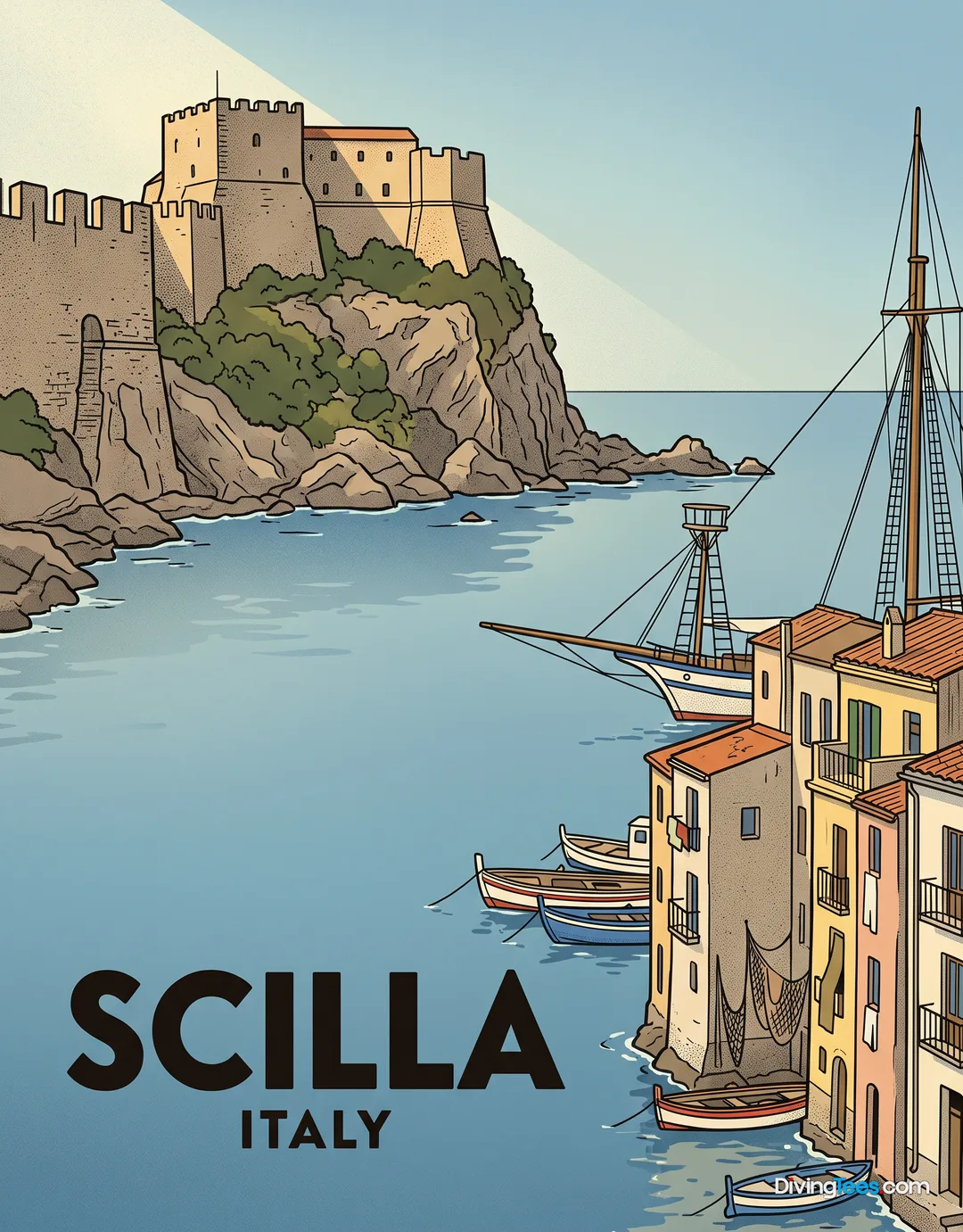
Scilla Diving Center has been a fixture of the local diving community since 1990. Located at the northern entrance of Chianalea, the most historic part of Scilla, the centre sits directly on the seaside, providing an immediate connection to the water.
The facility is designed around a large seaside terrace which serves as the hub for daily activity. It is here that you will prepare for your dives, relax between immersions, and watch the boats depart. The proximity to the dive sites means you spend less time travelling and more time underwater.
The centre is run by professional instructors and guides with high-level certifications and extensive experience in the Mediterranean. They manage training for all levels, ensuring that the specific needs of both recreational and technical divers are met.
Instruction is provided through both SSI and RAID affiliations. The team focuses on professional standards and environmental respect, managing a wide variety of educational programmes from basic certification to advanced technical specialties.
Training is available through SSI and RAID, covering the full spectrum of scuba diving. You can start with Open Water Diver and progress through Advanced Open Water Diver and Rescue Diver, all the way to Divemaster and Instructor Development Courses (IDC).
Specialty training is extensive, covering areas such as Nitrox, Deep Diver, Wreck, and Night & Limited Visibility. The centre also offers technical and skill-based courses including Sidemount, Rebreather, Cavern, and Ice diving. For those interested in professional skills, they provide Compressor Operator and O2 Service & Gas Blender training.
Dives are conducted using rubber boats that depart directly from the centre's seaside structure. This setup allows for quick transfers to the nearby dive sites, getting you into the water within minutes of leaving the shore.
These boats facilitate various types of diving, including day trips to reefs and walls, as well as night dives. Nitrox is available for use on these excursions.
The centre provides full equipment hire for those not travelling with their own kit. This includes a wide selection of regulators, BCDs, and exposure suits to suit different requirements.
On-site technical facilities include a tank recharge station and a compressor. For those looking to extend their range, the centre supports technical diving with rebreather and sidemount capabilities.
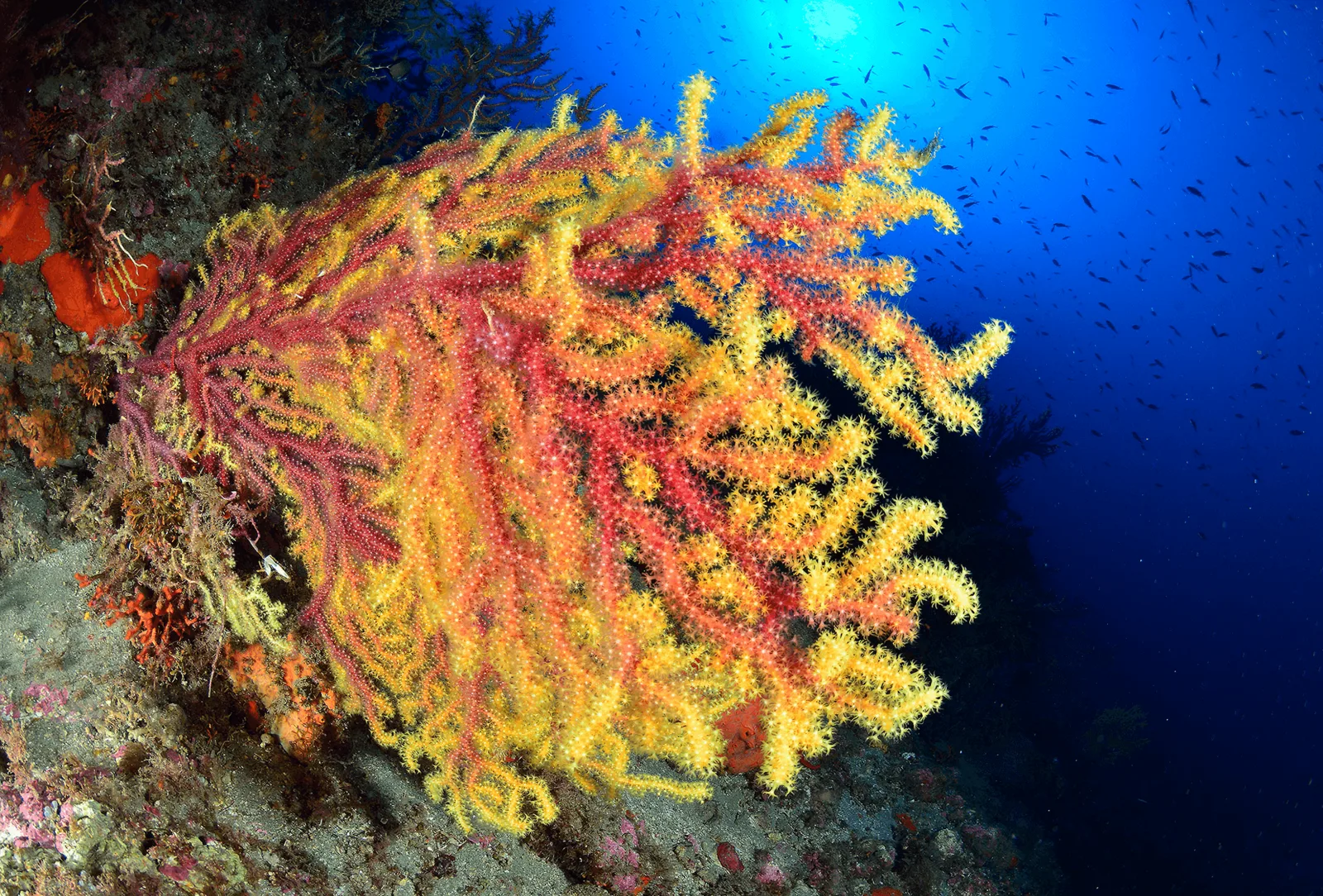
La Montagna is a massive rock monolith rising 20 metres from the seabed, reaching depths of 40 metres. It is a highlight for biodiversity, featuring red and yellow corals and various Anthias.
La Grotticella is a passing cave with a wide entrance, offering a sheltered environment with white sponges and yellow anemones. The surrounding rocky area is home to stingrays and sea eagles.
Il relitto di Lazzaro is a WWII German transport ship lying on its side between 36 and 45 metres. The wreck is well-preserved, with visible mechanical structures like engines and portholes that provide excellent photographic opportunities.
La 'Mpaddata is a complex underwater rock system that reaches depths of 70 metres. It features a wall covered in violet sponges and a deep arch cave at 58 metres accessible to advanced divers.
And some of the dive sites the centre runs.
The marine life around Scilla is defined by vibrant hard and soft corals. You will find extensive colonies of red and yellow corals, Leptogorgia, and Anthipates (black Mediterranean coral) decorating the walls and arches. The rocky structures are also home to various sponges, including white sponges and violet sponges, alongside anemones and Cerianthus.
Pelagic and reef fish are abundant throughout the area. You can observe schools of Anthias, barracuda, seabass, and various predator fishes. Larger species such as groupers, parrotfish, and sea eagles are also part of the local ecosystem. In the deeper sections, you may encounter large red rockfishes and various benthonic fishes.
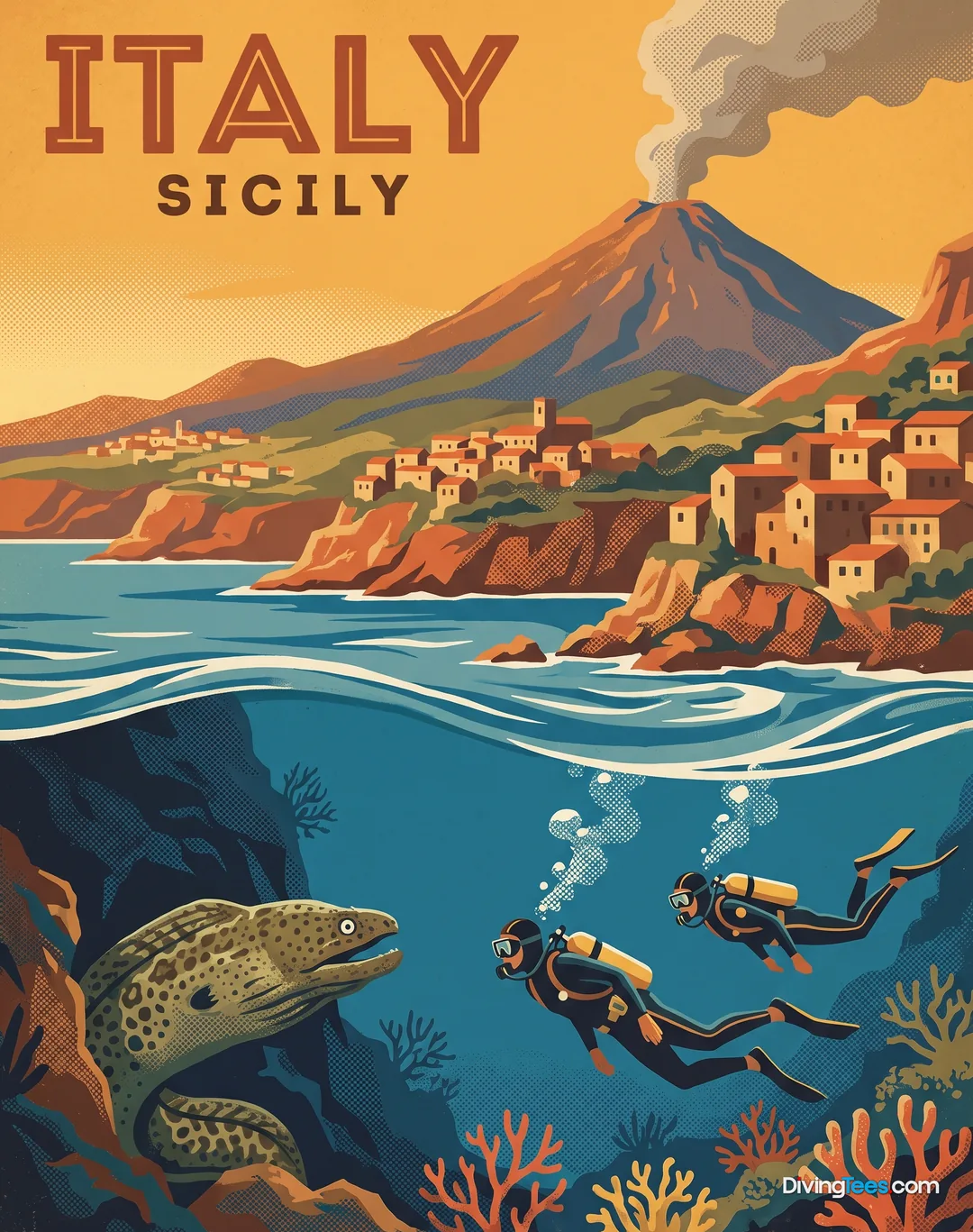
Macro life and smaller inhabitants provide constant interest for attentive divers. The seabed and rocky crevices host moray eels, stingrays, hermit crabs, and holothurians. You may also spot trumpetfish, seahorses, and various mollusca and crustacea, including shrimp.
Seasonal variations occur in the local populations. During the spring and summer, you are more likely to see parrotfish, groupers, and saupes. In the winter, the bluefish become more prevalent in the area.
Diving schedules are adjusted daily to account for the tides and the specific currents of the Strait. This ensures that immersions are planned according to the most suitable sea conditions.
The centre offers night diving, which provides a completely different perspective on the local marine life, particularly the mollusca and crustacea that become active after dark.
Hello, I'm Marina, DivingDeal.com's AI assistant. I answer in detail about hotels, dive centres and liveaboards.

Thinking about the whole trip and the flights? Talk it over with Edith →
Marina is an AI. Some links are affiliate links: DivingDeal may earn a commission, at no extra cost to you. Bookings are made with the partner.