
Scilla Diving Center
Google 4.9/5 (67 reviews)
Italy · Mediterranean
Gorgonian-covered monoliths, dark grottoes, wrecks and Mediterranean groupers meet around Chianalea, with Messina Strait tides shaping every boat dive.
For subtitles in English: start the video firstthen click the gearat the top right of the video, select “Subtitles/CC”, then “Auto-translate” and choose “English”.
Gorgonian-covered monoliths, rocky walls and grottoes give Scilla its underwater character. The dive boats leave from Chianalea, the old fishing quarter, and reach nearby sites after a short run along the coast. Beneath the castle and the houses, the seabed shifts between exposed rock, caves, wrecks and sheer faces. This is a shore-based holiday rather than a liveaboard proposition, with enough above-water interest for a non-diving companion and enough current awareness required to keep every day flexible.
Scilla’s diving is built around rock rather than flat reef: walls, pinnacles, caves, monoliths draped in gorgonians, wrecks and other broken reliefs. A site may be close to the harbour, but the Messina Strait makes closeness a poor guide to difficulty. Tidal currents vary through the day, so the boat crew chooses both the site and the departure time around the water movement and the sea state. Some dives are suitable for a steady, guided exploration of a wall or cave, while others involve more exposed terrain and a moving-water profile. Underwater clarity belongs in the same daily conversation as the current, rather than being treated as a fixed feature of the destination. Expect short boat journeys, changing plans and a dive style in which timing matters as much as depth.
Spring and summer bring the Mediterranean reef fish that give the rock its movement: groupers hold around the structure, parrotfish work over the stone, and white seabream and oblade pass through the blue. Gorgonians are a recurring feature of the walls and monoliths, adding colour and texture where the current reaches them. Winter changes the emphasis, with blue fish and other pelagic visitors becoming more noticeable. The attraction is not a guaranteed checklist but the contrast between close rock life in the shelter of a grotto and fish moving through the more exposed water. Ask before boarding whether the planned dive is aimed at a wall, a cave, a gorgonian-covered relief or a more open section, since each setting changes what you are likely to meet.
Scilla does not have one simple season that suits every diver. Spring and summer favour groupers, parrotfish, white seabream and oblade around the Mediterranean rock, while winter has more appeal for divers interested in blue fish and pelagic movement. The practical choice is therefore biological as well as meteorological. Whatever the month, the day’s sea state and the Messina Strait tides decide whether a particular site and departure are workable. Plan around flexibility rather than a rigid sequence of dives, and leave room for the boat to use a better tide window when conditions change.
Scilla can suit beginners on sheltered, appropriately chosen sites as well as experienced divers looking for walls, caves and stronger current work. The important dividing line is not a particular agency card but comfort in moving water, controlled buoyancy around rock and the ability to follow a local guide’s plan. PADI, SSI and BSAC divers should discuss their experience honestly before the first outing. A first dive on a less exposed site makes sense, because the Strait’s influence can be felt even when the boat has travelled only a short distance.
From London Heathrow, London Gatwick or Manchester, the practical air gateways are Reggio Calabria and Lamezia Terme. Reggio Calabria is the nearer airport to Scilla, while Lamezia has more connections but leaves a longer onward road journey, so allow for that when arranging transfers. By rail, Scilla is on the Tyrrhenian line linking Reggio Calabria with Battipaglia, and its station is in the village. By car, the A2 serves Scilla through the local exit. Travellers combining Sicily and Calabria can take the Messina to Villa San Giovanni ferry, then continue by road or train. Once in Scilla, keep your base near Chianalea if possible, since the diving departures are concentrated along that waterfront.
Let the local team set the departure time and site. At Scilla, fixing a dive to a convenient hour can mean a changed site or a postponed boat when the tide and sea state disagree. Leave a proper gap between dives, because the timetable may move with the conditions rather than the other way round. On your first day, ask for a profile suited to your experience and go with the guide before committing to a more exposed wall, cave or gorgonian relief. Ask specifically what the dive is intended to show, since those profiles are not interchangeable. Staying in or close to Chianalea cuts the daily transfer to the boats. A train-based trip is realistic, while the Messina ferry makes a Sicily and Calabria itinerary straightforward. The mistake to avoid is planning Scilla as a rigid sequence of dives, or assuming that nearby sites mean still water.
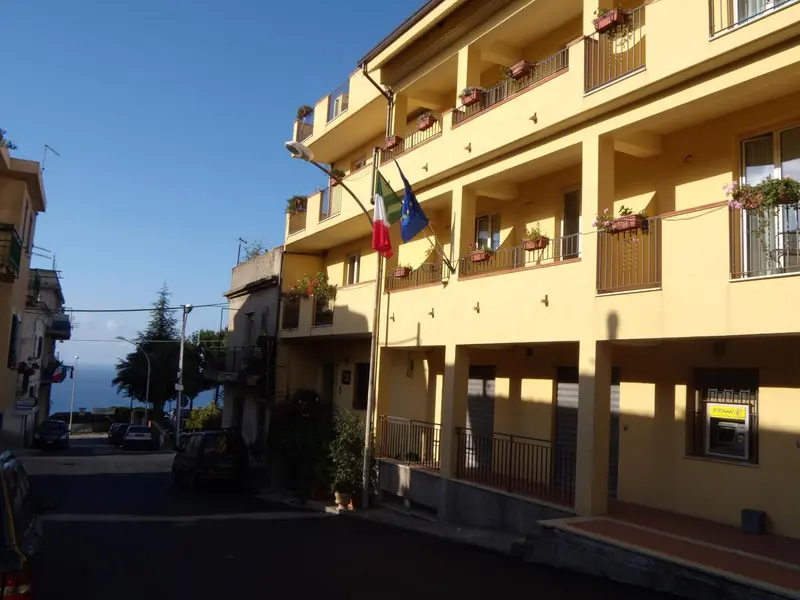
Scilla works best as a land-based stay centred on Chianalea. The boats leave from the waterfront, while the village provides a historic fishing quarter, Castle Ruffo, beaches and coastal walks for the hours between dives. A non-diving companion can follow a separate day without needing a resort timetable. Keep at least one day flexible for the Costa Viola and neighbouring coastal villages, especially if changing tides or sea conditions have altered the diving plan.
Hello, I'm Marina, DivingDeal.com's AI assistant. I guide you through destinations, areas and countries.
Thinking about the whole trip and the flights? Talk it over with Edith →
Marina is an AI. Some links are affiliate links: DivingDeal may earn a commission, at no extra cost to you. Bookings are made with the partner.
Choose spring or summer if you want Mediterranean reef life such as groupers, parrotfish, white seabream and oblade around the rocks. Winter brings more blue fish and pelagic movement. In every season, Messina Strait tides and sea state shape the workable site and departure time, so keep your schedule flexible.
Scilla can suit beginners on sheltered, appropriately chosen sites, while experienced divers can explore walls, caves and stronger current work. You should be comfortable with controlled buoyancy around rock, moving water and following a local guide’s plan. Discuss your experience honestly, and begin with a less exposed site before committing to more demanding terrain.
Expect gorgonian-covered monoliths, rocky walls, dark grottoes, pinnacles, wrecks and sheer faces around Chianalea and the Strait. Spring and summer bring groupers, parrotfish, white seabream and oblade around the rock. In winter, blue fish and pelagic visitors become more noticeable, especially in more exposed water.
Base yourself in or near Chianalea, where the boats leave from the waterfront beneath Castle Ruffo. Let the local team choose the site and departure around tides and sea state, and leave gaps between dives. Keep days flexible, ask what profile is planned, and allow time for beaches, walks or nearby coastal villages.