
XDC Lebanon
Google 4.9/5 (180 reviews)
Lebanon · Mediterranean
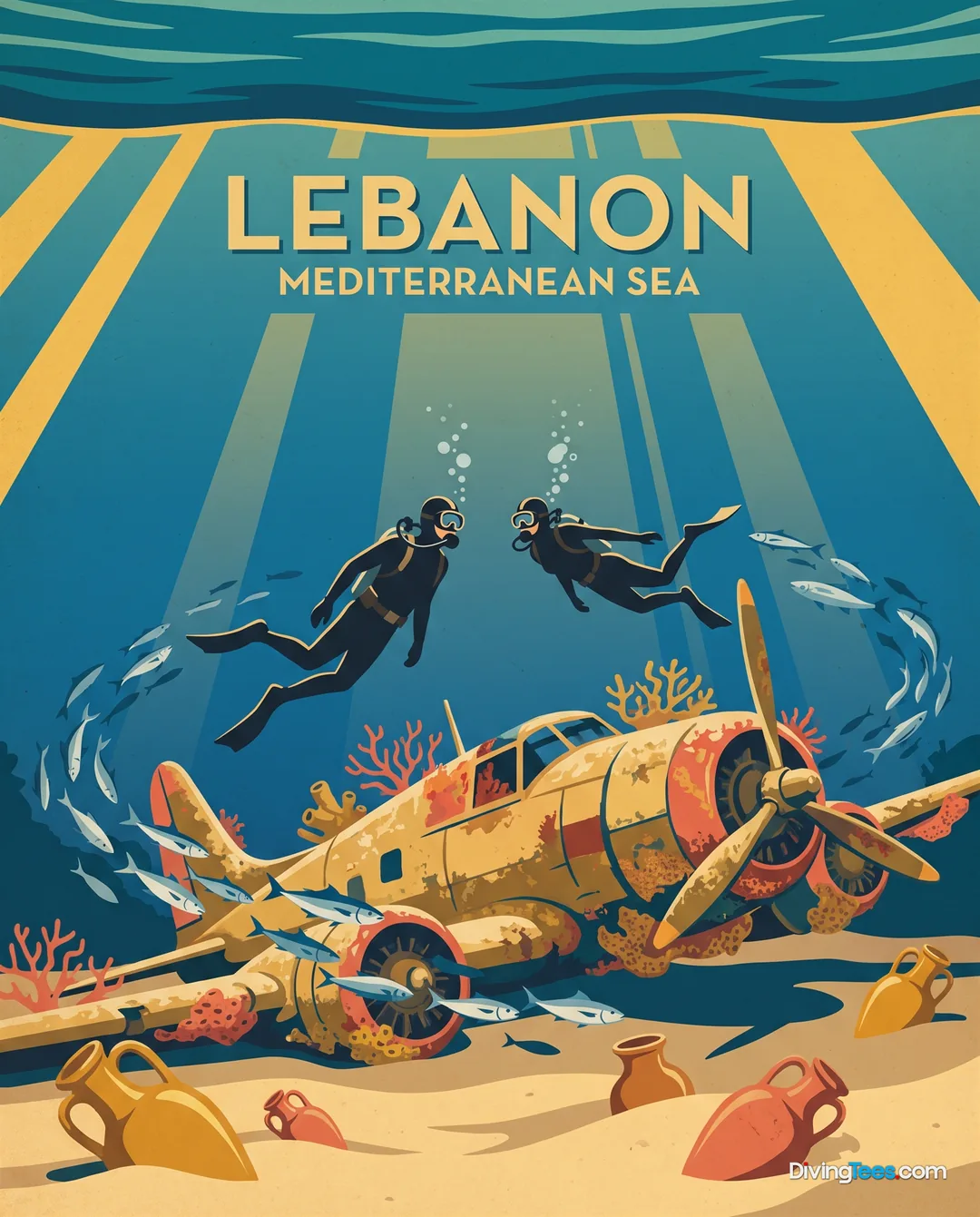
Alice B lies upright on sand, with its deck around 27 metres, while rocky walls and shallow training sites line the coast around Jounieh.
Zouk Mosbeh is a shore-based Lebanese base for exploring the central coast by boat. From its marina, diving ranges from shallow training water and rocky walls to the Alice B, an upright cargo wreck resting on sand. The wreck’s deck is around 27 metres and the seabed reaches about 37 metres, giving experienced recreational divers a more serious objective without turning the whole stay into a technical expedition. Jounieh, its bay and the wider coastal strip provide the setting above water, too.
The diving here is a mixture of coastal rock and boat-based wreck work. Shallow sites suit instruction and refreshers, while rocky walls provide a more substantial local dive when conditions and experience allow. Alice B is the defining outing: descend to a cargo vessel standing upright on sand, reach the deck at roughly 27 metres, and continue towards the 37-metre bottom only within suitable recreational limits. Currents are variable rather than a permanent feature, so the character of a dive can change with the day. Boat logistics matter, particularly for the wreck, and not every outing can be treated as a shore dive. A useful pairing is Alice B followed by a less exposed coastal site, although the deeper dive should come first because the sea may strengthen as the day progresses.
The main underwater encounter at Zouk Mosbeh is the meeting of structure and open seabed. On Alice B, attention goes to the cargo hull, its upright profile and the change in perspective between the deck at 27 metres and the sand at 37 metres. Along the coast, rocky walls replace the wreck and make shallower, more measured dives suitable for training or a second outing. General coastal marine life is part of the scene, but this is not a destination to book around a particular seasonal animal or migration. Plan around the rock, the wreck, the depth and the sea state, rather than expecting a wildlife calendar to dictate the trip.
Zouk Mosbeh has no firmly defined seasonal window that should dictate an entire holiday. The practical choice is to travel when the local centre can confirm suitable sea conditions for the planned boat outing, particularly if Alice B is important to the trip. This matters because the sea may become stronger during the day, which can remove the deeper wreck from the schedule even when a shallower coastal dive remains possible. Keep the itinerary flexible rather than assuming that a particular month guarantees visibility, calm water or a seasonal wildlife encounter.
Beginners can use Zouk Mosbeh for training and shallow diving, provided their programme stays within those limits. Alice B is different: its 27-metre deck and 37-metre bottom call for Advanced certification or a recognised deep-diving qualification, plus the judgement that comes with experience at depth. Wreck training is useful for anyone intending to explore beyond the exterior. BSAC, PADI and SSI qualifications can all be relevant, but the decisive point is suitable depth and wreck experience, not the badge’s name.
From London Heathrow, Gatwick or Manchester, plan the journey around reaching the Lebanese coast and then continuing by road. Zouk Mosbeh is approached along the coastal road from Beirut or Jounieh, rather than by a separate domestic connection or a liveaboard transfer. Allow a generous margin for the road journey: traffic can make the coastal run considerably slower than the map suggests, especially between Beirut, Jounieh, Kaslik and Zouk Mosbeh. Once there, the practical meeting point is the local marina, where the boat departure is arranged. Do not assume that accommodation and the marina are linked by a regular shuttle, so settle the local transfer before the first morning’s diving.
Arrange the boat before travelling, especially if Alice B is central to the plan. It is not a site to reach independently, and arriving without a booked departure can leave the wreck inaccessible even when the weather looks promising. Ask specifically whether the day can combine Alice B with a shallower coastal dive, subject to the sea and the group’s qualifications. Put the wreck first: local conditions may deteriorate as the day advances, while the less exposed dive can remain a sensible second option. Do not use Alice B as an initiation dive, and avoid stacking deep dives without allowing for the changing sea state. Check in advance that the boat and any technical equipment needed for the planned depth are available. Finally, build extra road time into every transfer between Beirut, Jounieh, Kaslik and Zouk Mosbeh, rather than relying on a tight connection.
This is a land-based stay, with local centres sending boats from the marina at Zouk Mosbeh rather than offering a liveaboard pattern. Base yourself where the road transfer to the marina is manageable, and confirm how you will reach the boat before fixing an early departure. Non-divers have Jounieh and its bay nearby, while Beirut and Byblos provide straightforward land-based diversions. Keep the final day for sightseeing rather than diving before a flight, using the usual no-fly interval after the last dive.
Hello, I'm Marina, DivingDeal.com's AI assistant. I guide you through destinations, areas and countries.
Thinking about the whole trip and the flights? Talk it over with Edith →
Marina is an AI. Some links are affiliate links: DivingDeal may earn a commission, at no extra cost to you. Bookings are made with the partner.
Zouk Mosbeh has no fixed seasonal window that needs to determine your whole holiday. Choose dates when the local dive centre can confirm suitable sea conditions for your planned boat trip, especially if Alice B matters to you. Keep your schedule flexible, since strengthening sea conditions may favour a shallower coastal dive instead.
You can use Zouk Mosbeh for training, refreshers and shallow diving when you are a beginner. Alice B requires Advanced certification or a recognised deep-diving qualification, together with experience and sound judgement at depth. Wreck training is useful if you plan to go beyond the exterior, while suitable qualifications matter more than their organisation.
At Zouk Mosbeh, you can explore the upright Alice B cargo wreck resting on sand, with its deck above the deeper seabed. Coastal dives feature rocky walls and general marine life, offering a more measured alternative. The experience centres on the wreck, rock, depth and changing sea conditions rather than a planned wildlife encounter.
Plan a land-based stay and arrange your boat before travelling, particularly if Alice B is important to you. Allow extra road time from Beirut or Jounieh to the Zouk Mosbeh marina, confirm local transfers and equipment, and ask whether a shallower coastal dive can follow the wreck. Keep sightseeing for your final day before flying.