
Buceo Nomade
Google 4.8/5 (42 reviews)
Chile · Pacific
Rock walls, sponges, shoals of fish and sea lions define boat diving from Los Molles’ fishing caleta, with Piedra del Bilagay offering a shallow introduction.
For subtitles in English: start the video firstthen click the gearat the top right of the video, select “Subtitles/CC”, then “Auto-translate” and choose “English”.
Los Molles is a shore-based Chilean diving stop where the day begins at the fishing caleta and continues by boat over rocky seabed. Underwater, the scene is rock walls, sponges, shoals of fish and areas visited by sea lions, rather than tropical coral. It works for a mixed group because Piedra del Bilagay offers a shallow starting point, while walls and canyons give experienced divers more structure to explore. Plan on three to five days, not a liveaboard.
Most diving here starts from the caleta in a boat, then moves across rocky bottoms, walls and sections shaped for closer exploration. Piedra del Bilagay is the useful shallow reference, with a maximum depth of 10 metres. Elsewhere, the terrain becomes more structured, with walls and canyons suited to divers who want something beyond a straightforward introductory dive. Sponges add colour and texture to the rock, while shoals of fish and sea lions provide movement in the water. Currents are variable, so a site may feel very different from one outing to the next, and a downcurrent or drift dive should never be assumed without a proper briefing. Visibility is generally better in the austral winter and more reduced in summer. Allow the boat programme to follow the sea state rather than forcing a fixed sequence of dives.
The underwater character comes from the combination of animal life and hard substrate. Sponges spread across the rocky terrain, shoals of fish gather above it, and sea lions appear around the sectors known as loberas. These encounters are part of the regular appeal of Los Molles rather than a tightly defined seasonal event. Winter’s clearer water can make the difference when looking across a wall, scanning the edge of a rocky ledge or picking out movement beyond the group. Summer can still offer the same broad mix, but reduced visibility makes the landscape feel closer and less expansive. Expect a cold-water wildlife experience built around rock, fish, sponges and sea lions, not coral gardens or a tropical species list.
June to September is the sensible window if clear water matters most. During the austral winter, local conditions generally bring better visibility than the summer months, which makes it easier to read the rocky walls, follow the contours of a site and spot sea lions or shoals of fish at a distance. There is no fixed period that rules out diving altogether, but summer visibility is usually less generous. Keep the itinerary flexible in every season, because the boat programme depends on the sea state. Winter therefore offers a practical advantage, not a guarantee of calm water or identical conditions on every outing.
Los Molles can suit a newly qualified diver as well as someone comfortable on walls and canyons. Piedra del Bilagay provides a shallow starting point, while the more structured sites reward better control and experience in changing conditions. Guided excursions require a valid certification card, whether your qualification is with BSAC, PADI or SSI. No specialist qualification is identified as necessary, but cold-water experience and sensible judgement matter more on the deeper or more exposed outings than on the shallow introduction.
From London Heathrow, London Gatwick or Manchester, the journey continues overland from Santiago to Los Molles. The coastal road covers roughly 185 to 186 kilometres and takes about two hours, depending on conditions. There is no ferry or domestic flight needed for the final approach. The last part of the trip is by road into the village, where the beach and fishing caleta form the practical centre of diving activity. Once there, nearby accommodation may be within walking distance of the centres, but distances vary across the village. Do not build the journey around an assumed dive shuttle or taxi service, and leave enough time for the road connection before a planned boat departure.
Pack for cold water, not for the latitude on the map. A thick wetsuit, hood and gloves are sensible additions if your own kit is better suited to chilly conditions, particularly when several boat dives are planned. Ask for a site matched to the group rather than assuming every outing is beginner-friendly: Piedra del Bilagay is a useful first step, while walls and canyons demand more experience. Keep a spare day in a three-to-five-day stay, since a rough sea can postpone a boat departure. Confirm the programme in advance and check the sea state before setting out. A late arrival followed by an immediate first dive is poor planning here, with departures organised from the caleta. Carry your certification card for guided diving, and leave room in the itinerary for the sea to dictate the day.
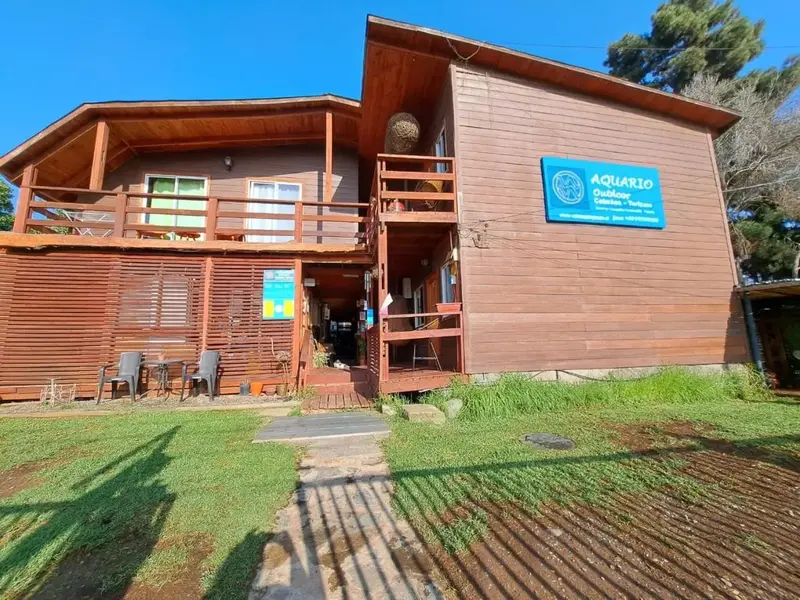
Los Molles works as a village-based stay, with diving organised as daily boat outings from the caleta rather than from a liveaboard. Three to five days gives room for several departures and a reserve day when the sea interrupts the plan. Between dives, the beach, fishing caleta and coastal scenery provide straightforward ways to spend time ashore. An outing into the surrounding countryside can also fill a non-diving day, although the village remains the natural base.
Hello, I'm Marina, DivingDeal.com's AI assistant. I guide you through destinations, areas and countries.
Thinking about the whole trip and the flights? Talk it over with Edith →
Marina is an AI. Some links are affiliate links: DivingDeal may earn a commission, at no extra cost to you. Bookings are made with the partner.
Choose June to September if clearer water matters to you. Austral winter generally offers better visibility than summer, helping you read rocky walls and spot sea lions or shoals of fish farther away. Diving is not ruled out in summer, but reduced visibility and changing sea conditions mean you should keep the boat schedule flexible.
Los Molles can suit newly qualified divers and those comfortable exploring walls and canyons. Piedra del Bilagay provides a shallow introduction to 10 metres, while more structured sites require stronger control and experience in changing conditions. Guided excursions require a valid certification card, and cold-water experience and sensible judgement are useful.
You can expect a cold-water setting of rocky seabed, underwater walls, ledges and canyons rather than coral gardens. Sponges cover parts of the rock, shoals of fish gather above it, and sea lions appear around sectors known locally as loberas. Clearer winter water can help you scan walls and notice movement farther away.
Plan a village-based stay of three to five days, with daily boat departures from the fishing caleta and a spare day in case rough seas interrupt the programme. Travel overland from Santiago, allow time for the road connection, confirm the boat schedule, carry your certification card and pack cold-water exposure protection.