Liveaboards · Solomon Islands
Emperor Bilikiki — a seasoned Solomon Islands dive vessel built around variety
What makes this boat unique
- The Emperor Bilikiki visits the Solomon Islands’ three main islands on Best of Solomon Islands cruises from Honiara to Honiara.
- This 1966 vessel, renovated in 2013, carries up to 20 passengers in 10 air-conditioned ensuite cabins.
- The shaded dive area has a platform, two diver tenders, DIN adaptors, camera facilities and sidemount support.
- Nitrox, port fees, fuel costs, park taxes, airport transfers, full-board meals, excursions and the dive package are included.
The invitation
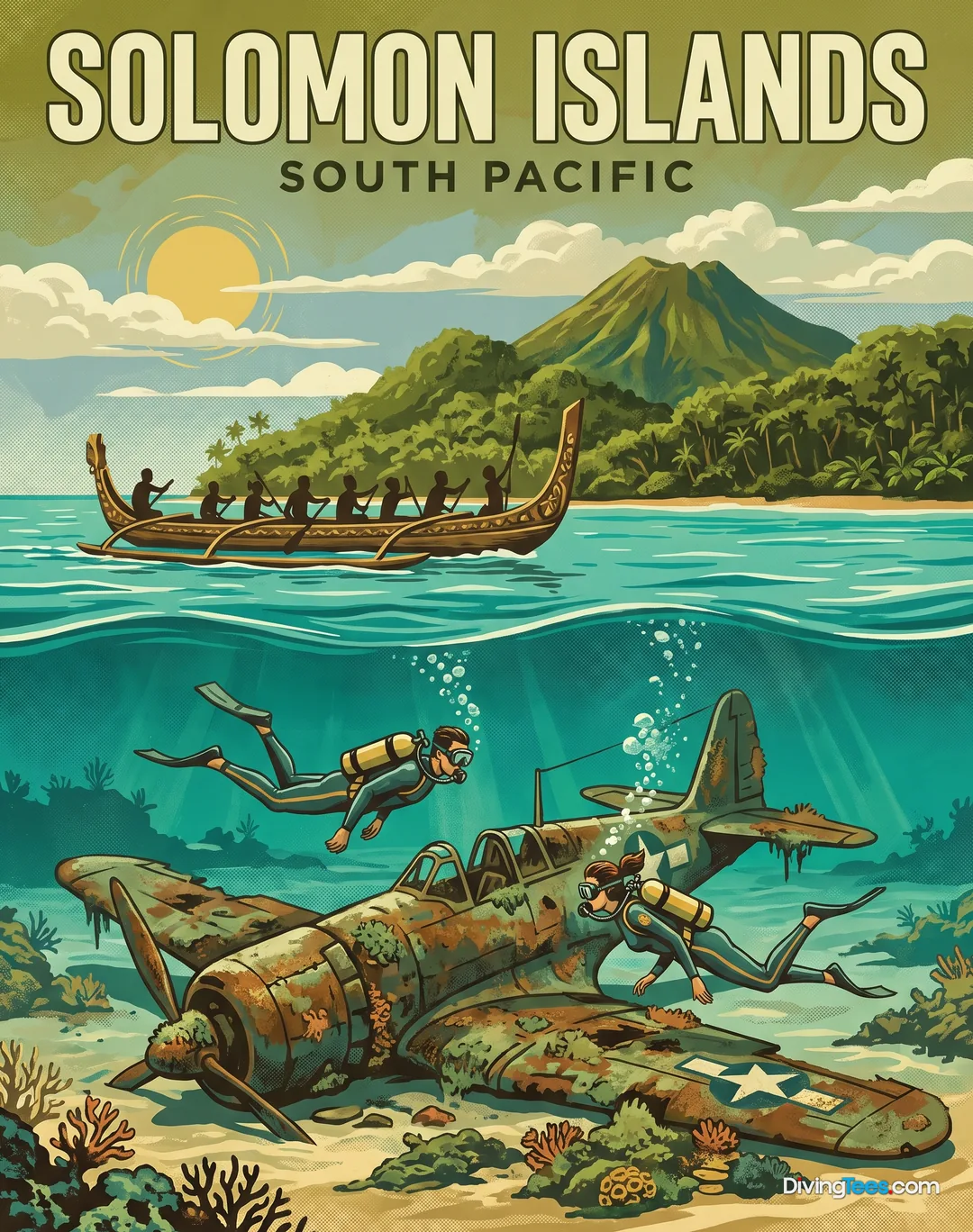
The Emperor Bilikiki is for divers who choose the Solomon Islands for range rather than a single headline encounter. The route covers the country’s three main islands, giving the trip room for different kinds of diving instead of repeating one reef system. WWII wrecks are part of the appeal, but they are only one reason to come: the boat is also used for varied reef sites and land excursions. She was the first full-service liveaboard in the Solomon Islands and remains one of the few vessels operating here. That matters because a destination this remote is not easily sampled from day boats. The Bilikiki puts the diving, the tenders and the local crew at the centre of the trip, while keeping the practical comforts that make a longer expedition easier to live with. Come for Solomon Islands variety, not for a new-build boat or a resort-style finish.
Boarding
Boarding the Emperor Bilikiki feels like stepping onto a working dive vessel with a long local history, not onto a recently launched yacht. She was built in 1966 and renovated in 2013, so the character comes from a mature boat that has spent years serving divers in these waters. The useful impression is space and familiarity: a large vessel, a shaded diving area, an observation deck and enough separate places for people to spread out after a dive. The lower-deck cabins keep the accommodation simple and practical, while the crew-to-passenger ratio stays close to one-to-one. Once the gear starts moving, the boat’s purpose is clear. Divers are not left to work out the tenders or kitting-up routine alone; the crew is known for helping with equipment and handling the small jobs that make repeated entries easier. It is a boat chosen for access to the islands and the people running the operation, not for showroom gloss.
The atmosphere on board
The Bilikiki’s atmosphere is built by a crew that stays close to the operation. Passengers describe a team that greets people personally, helps with kitting up from the tender and deals with problems before they become interruptions. The local and international crew speak English, and the ratio sits close to one crew member for each passenger. That is noticeable on a boat carrying a full complement: help is available at the point where it is needed, rather than summoned from across the vessel. The crew’s role is not limited to meals and cabins. They move equipment, support entries and exits, keep the day organised and make the remote setting feel manageable. Evenings have the bar, lounge and audio-visual facilities, but the stronger memory is likely to be the practical one: a crew that takes the repetitive work seriously and leaves divers free to think about the next dive.
The sites you’ll dive
There are no verified individual site descriptions for this itinerary, so the site names and depths cannot be usefully listed here. The route is Best of Solomon Islands, running from Honiara back to Honiara and visiting the three main islands. Recorded departures last 8 days/7 nights, 11 days/10 nights, 12 days/11 nights or 13 days/12 nights. The appeal is the breadth of the itinerary: the route is promoted for a wide choice of varied sites, including famous WWII wrecks, rather than a narrow circuit of named reefs. That makes the Bilikiki a sensible choice when the destination itself is the objective and the diver wants more than one style of underwater terrain. Exact site selection remains part of the cruise plan.
Who puts you in the water
The crew combines local and international members and speaks English. The crew-to-passenger ratio is close to one-to-one, and the dive tender crew helps divers with kitting up and the practical work around entries. PADI courses and diving certifications are available as optional extras, including Nitrox certification. The boat welcomes divers and snorkellers, but the route’s suitability depends on the sites selected and the diver’s experience; no minimum logged-dive requirement is given for these cruises. Briefings, group sizes and guide qualifications are not described in detail, so divers should expect the cruise team to set the organisation for each site rather than assume unguided diving. Oxygen, first-aid kits and a trained first-aid crew are carried on board, alongside life-saving and fire-safety equipment. The important day-to-day point is that the crew is present where divers need them: around the tender, the gear and the water entry.
The dive deck and the gear
The diving is organised from a shaded dive area with a platform and two tenders for getting divers to and from the sites. The tender crew helps with kitting up, which is valuable when equipment has to be handled repeatedly during a long cruise. Nitrox is available and included in the dive package; the Nitrox certification itself is an optional extra. DIN adaptors are available, and the boat supports sidemount diving. Rental equipment can be arranged as an optional extra. Photographers have a dedicated camera room, charging stations and a separate rinse area, keeping cameras away from the general gear flow. The practical specification stops there: the tank size and tank material, compressor arrangement, SMB policy and return-to-boat shower setup are not described. What is clear is the layout’s working advantage. The platform and two tenders separate the main vessel from the water work, while the covered deck gives divers somewhere to prepare without standing in full sun.
Between dives
Between dives, the Bilikiki gives the Solomon Islands room to remain part of the trip. The terrace and observation deck are the natural places to watch the water, while kayaks provide a way to leave the boat without turning every quiet hour into another organised activity. There is an indoor lounge for shade, a bar, a library and audio-visual entertainment when the weather or tiredness calls for a slower afternoon. Photographers have a dedicated space and separate camera rinse facilities, so camera work does not have to take over the main social areas. Non-divers and snorkellers are welcome, with snorkelling equipment available and land excursions included. That makes the boat workable for a mixed group: divers can stay focused on the next entry while others explore above the surface or settle into the lounge.
A day on board
A day aboard the Bilikiki is shaped by the order of diving rather than by fixed times published in advance. The crew prepares the tenders and the dive area, gives the briefing, helps divers kit up and takes the group to the site. After the return, food and shade come first; the terrace, lounge and observation deck then absorb the hours before the next briefing. Meals punctuate the day, with snacks available when a diver does not want to wait for the next service. When the boat is underway, the movement between islands becomes part of the expedition instead of dead time, and kayaks or land excursions can fill a longer surface interval. The exact number and timing of dives vary with the cruise and conditions, so the reliable rhythm is simpler: prepare, tender out, dive, eat, recover, then do it again while the Solomon Islands pass around the hull.
What you eat aboard
Food is one of the Bilikiki’s strongest points, with a 9.8 rating from passengers. Meals combine local and Western cooking, usually served buffet-style, with full-board service and snacks available through the day. Vegetarian and vegan options are available, and dinner can be taken outdoors when conditions allow. Beer, wine and other drinks are available on board, with tea and coffee included. The galley matters here because the diving takes place far from shore: meals are not an afterthought between excursions, but the main refuelling points in a day of repeated entries and boat transfers. The kitchen has to feed divers who return hungry, wet and ready to eat rather than admire a decorative plate. The result is a generous, practical table with enough choice for different diets and a clear local connection.
Nights at sea
The 10 cabins are all on the lower deck, in two categories: most have a double bed with a single bunk, while cabins 1 and 2 have twin single beds. Each has air-conditioning and a private bathroom with shower, and the cabins are non-smoking. That places the sleeping quarters close to the practical side of the boat rather than above the social decks. After diving, the useful comforts are hot showers, daily housekeeping, cabin towels and a quieter room with the door closed. The boat also provides deck towels, so wet gear and sleeping space do not have to compete. Above, the terrace and observation deck give a better place to sit when the heat has gone out of the day. These are compact liveaboard cabins, but the Bilikiki’s larger common areas and outdoor dining mean the small square metres do not define every hour between dives.
Lower Deck Twins
What to know before boarding
Best of Solomon Islands cruises depart from Honiara and return to Honiara. An airport transfer is included. Arriving in Honiara the night before departure is the sensible choice, leaving room for travel delays before boarding.
Deck plan
- Year built
- 1966
- Year renovated
- 2013
- Length
- 38 m/38.1 m
- Beam
- 7.5 m/7.6 m
- Maximum number of passengers
- 20
- Number of cabins
- 10
- Number of bathrooms
- 10
- Engines
- 350 hp Caterpillar diesel
- Cruising speed
- 9 knots
- Tenders
- 2
- Website
- emperordivers.com ↗
Hello, I'm Marina, DivingDeal.com's AI assistant. I answer in detail about hotels, dive centres and liveaboards.

Thinking about the whole trip and the flights? Talk it over with Edith →
Marina is an AI. Some links are affiliate links: DivingDeal may earn a commission, at no extra cost to you. Bookings are made with the partner.