
Red Coral Dive Center - Diving Aqaba
Google 5/5 (2,778 reviews)
Israel · Red Sea
Coral gardens, the Satil and Yatush wrecks, and clear shore entries make Eilat a practical base for exploring protected reefs.
For subtitles in English: start the video firstthen click the gearat the top right of the video, select “Subtitles/CC”, then “Auto-translate” and choose “English”.
The Satil and Yatush give Eilat a distinctly practical wreck-diving edge, while Coral Beach puts protected coral reef close to the shore. This is a destination for divers who like to build a week around shore entries, short boat trips and a day away from the water, rather than rely on a liveaboard. Beginners can find manageable reef diving, while more experienced divers can move towards deeper Japanese Gardens terrain and wrecks that demand proper planning.
Eilat’s diving is built around coral reefs reached from the shore, with boat trips filling in the gardens and areas that are less convenient from land. Coral Beach Nature Reserve provides the clearest expression of the local setting: a managed coastal reef where entries, access and movement are part of the dive plan. Japanese Gardens brings deeper reef terrain, while the Satil and Yatush offer artificial wrecks rather than natural walls or pinnacles. Currents are generally light, although particular sites can become more sensitive to local conditions. Visibility is often more than 20 metres, but wind and algal blooms can reduce it, especially on exposed sites after unsettled weather. The result is straightforward diving with a useful choice between shore logistics and short boat outings, not a destination where every worthwhile immersion requires a vessel.
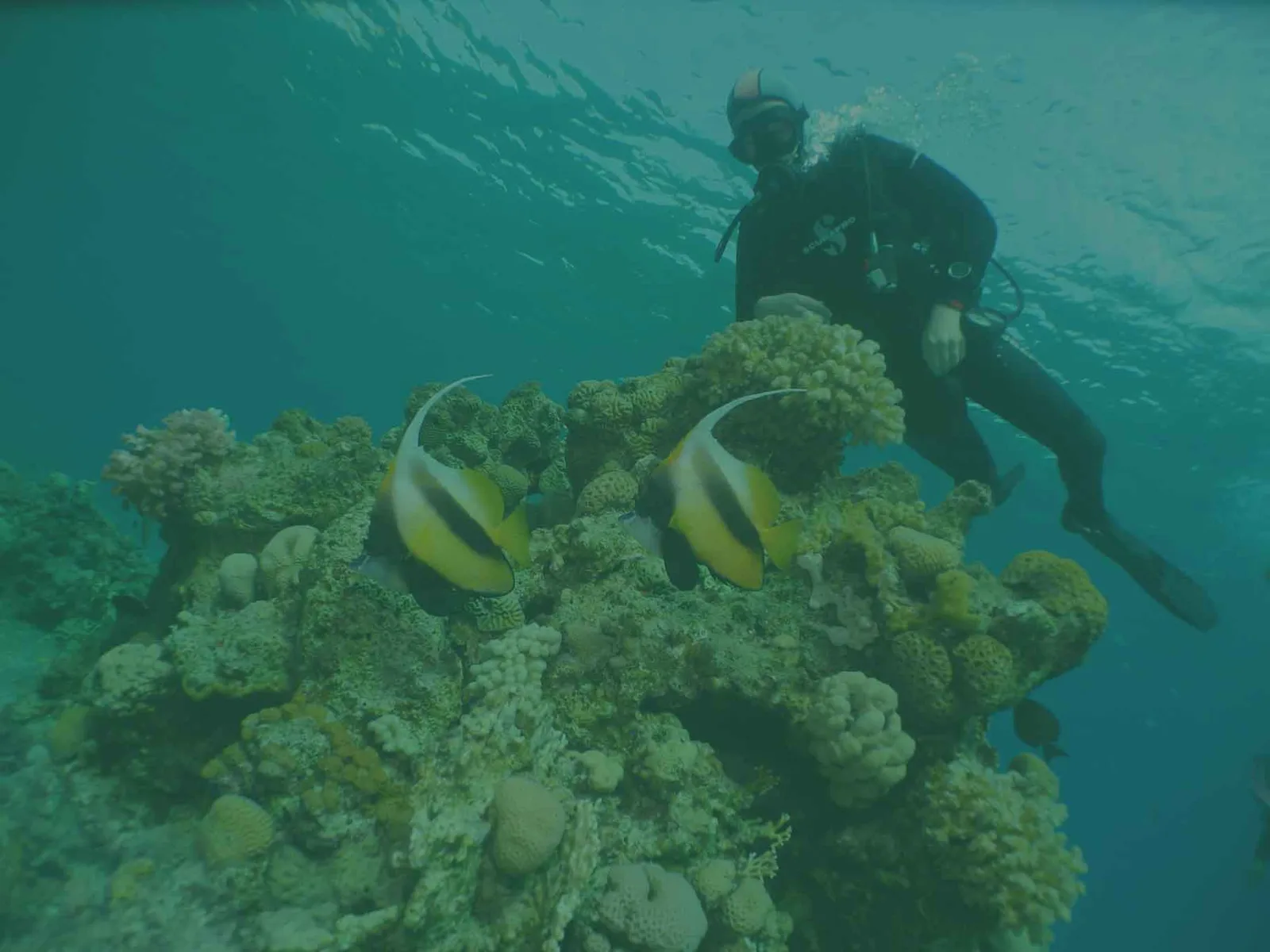
Underwater, Eilat offers coral gardens, reef structure and the recognisable outlines of artificial wrecks, with Coral Beach placing protected habitat close to the coast. The Satil and Yatush change the scenery from coral growth to a deliberately created wreck environment, while Japanese Gardens gives the reef more depth and a different sense of scale. Marine life is associated with these reef settings and can be encountered throughout the diving year rather than tied to a particular seasonal event. The most dependable wildlife experience here is therefore the reef itself, seen across repeated shore dives and boat excursions. Conditions matter more than a wildlife calendar: wind or a recent algal bloom can make the same coral landscape less visible.
March to May and October to November are the most appealing periods for Eilat, with favourable diving conditions, good visibility and less pressure on the shore sites than in the heart of summer. Visibility is also commonly strong into December. July and August bring the heaviest tourist use, so Coral Beach entries and beach access require more patience, particularly around the middle of the day. Spring and autumn make it easier to combine shore dives, wrecks and a boat trip without spending the week in crowded access areas. Check the wind before committing to an exposed site, because conditions can change the visibility even when the wider holiday weather looks settled.
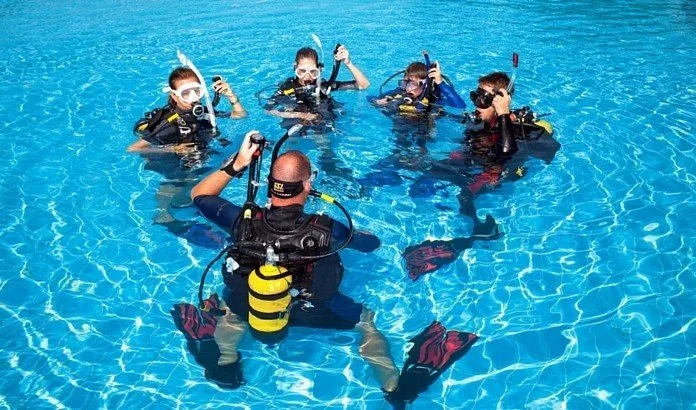
Eilat suits all levels, with reef dives for beginners and more demanding options for divers moving on from basic training. Advanced Open Water or an equivalent qualification is useful for Japanese Gardens and deeper profiles. The Satil and Yatush should be approached with suitable wreck training and enough experience to plan depth, time and the route around the structure. BSAC, PADI and SSI divers should check that their qualification matches the intended wreck or deeper dive, rather than treating every shore entry as an introductory outing.
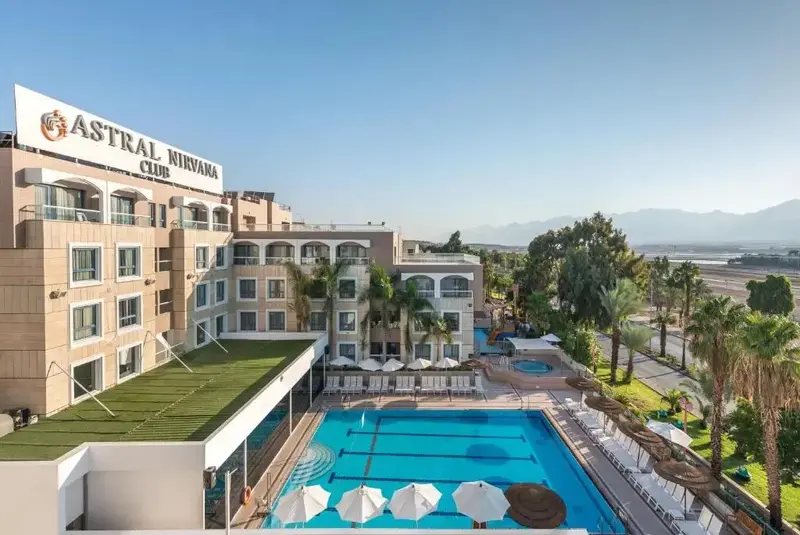
From London Heathrow, London Gatwick or Manchester, reach Eilat by air when suitable seasonal links operate, or travel via Tel Aviv and continue by a domestic flight or road transfer. The exact connection needs checking before booking, because European routes and onward arrangements change with the season. Driving from northern Israel is another structural option. Once in Eilat, the central urban centres may be reachable on foot, but Coral Beach and the southern shore sites are not automatically close to every hotel. Allow for a taxi or the dive centre’s shuttle, and confirm the meeting point for each shore entry rather than assuming that a city-centre base means immediate water access.
Treat Eilat’s shore diving as real logistics, not simply a walk from the hotel to the water. Confirm whether the day’s site involves a road transfer, a walk or a managed entry, especially for Coral Beach. At the reserve, access is controlled and a marine reserve fee applies, so check the current arrangements before setting out. Book the busiest shore sites outside the centre of the summer season, and aim for the first immersion of the day when beaches and boat traffic are quieter. Ask about recent wind and algal blooms before choosing an exposed site, because visibility can differ sharply between sectors. Do not leave Japanese Gardens, Satil or Yatush until you are in the water: check depth, current and certification requirements beforehand. Bring the personal equipment you rely on for repeated dives if the local fit is uncertain. Keep a non-diving day for the desert or coast, and avoid stacking the final dives immediately before the flight home.
Allow four to seven days in Eilat. A sensible rhythm alternates shore dives at Coral Beach with a short boat outing, then leaves room for the Satil or Yatush when the relevant depth and wreck planning are in place. Keep one day free for desert landscapes, mountains, beaches or marine conservation activities. That arrangement works well for mixed groups, since non-divers can snorkel, swim or explore while the diving remains focused rather than rushed.
Hello, I'm Marina, DivingDeal.com's AI assistant. I guide you through destinations, areas and countries.
Thinking about the whole trip and the flights? Talk it over with Edith →
Marina is an AI. Some links are affiliate links: DivingDeal may earn a commission, at no extra cost to you. Bookings are made with the partner.
Spring and autumn offer favourable diving conditions, good visibility and less pressure at shore sites than the heart of summer. Visibility commonly remains strong into December. July and August bring heavier tourist use, especially at Coral Beach. Check wind conditions before choosing exposed sites, since algal blooms and unsettled weather can reduce visibility.
Eilat suits different experience levels, with manageable reef dives for beginners and more demanding options for experienced divers. Advanced Open Water or equivalent training is useful for Japanese Gardens and deeper profiles. The Satil and Yatush require suitable wreck training and careful planning of depth, time and the route around each structure.
You can explore coral gardens, reef structure and protected habitat at Coral Beach Nature Reserve, along with the artificial Satil and Yatush wrecks. Japanese Gardens offers deeper reef terrain and a different sense of scale. Marine life is associated with these reef settings, although wind and algal blooms can reduce visibility.
Plan a stay around shore dives, short boat excursions and a non-diving day for desert landscapes, mountains or beaches. Confirm transfers and meeting points, since southern sites are not close to every hotel. Check reserve access and fees, then verify depth, conditions and certification requirements before diving Japanese Gardens, Satil or Yatush.