Diving in the Red Sea: the current, wildlife and season
El Mina anchors one Egyptian choice, while Aqaba gathers Jordan’s choices in one place; the Red Sea makes that spread part of its diving identity.
What makes this area unique
- Napoléon gives Egypt a signature species to seek
- Variable current makes drift diving a recurring possibility
- El Mina is a wreck choice in Egypt
- Liveaboards remain an option across the Red Sea
- Moderately visited sites avoid consistently heavy crowding
- Open to all levels, with current still variable
- Moderate prices keep the region comparatively approachable
This region for a diver
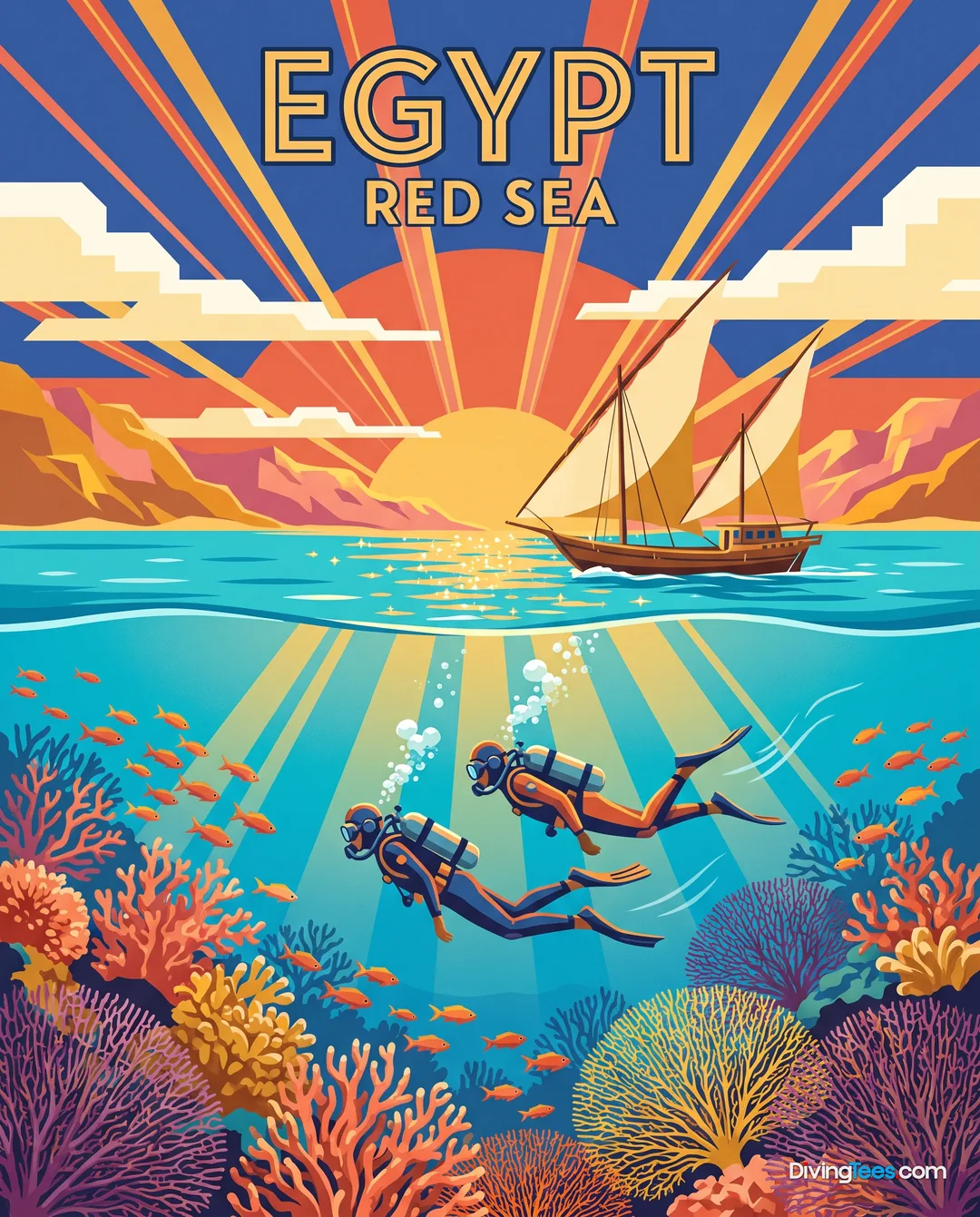
The Red Sea works as a connected choice rather than a single style of holiday. Egypt, Jordan and Sudan share moderate prices, access for all levels, variable current and a mix of boat and shore diving. Liveaboards sit alongside day-based trips, while moderate visitor numbers keep the experience from becoming purely mass-market. What gives this region its own character is the way reef life, current-led diving and named wreck choices can be weighed across different countries. For a diver travelling once or twice a year, that makes the decision less about chasing a universal best site and more about matching appetite for movement, independence and time on the water.
What you come to see
The shared wildlife is the dependable thread: Great barracuda, Sea turtle, Moray eel, Tuna, Scorpionfish and Butterflyfish can all form part of the Red Sea experience. They are encountered across the region’s mixture of boat and shore diving, where variable current can turn a relaxed reef circuit into a drift dive or a more deliberate descent with a safety stop planned from the outset.
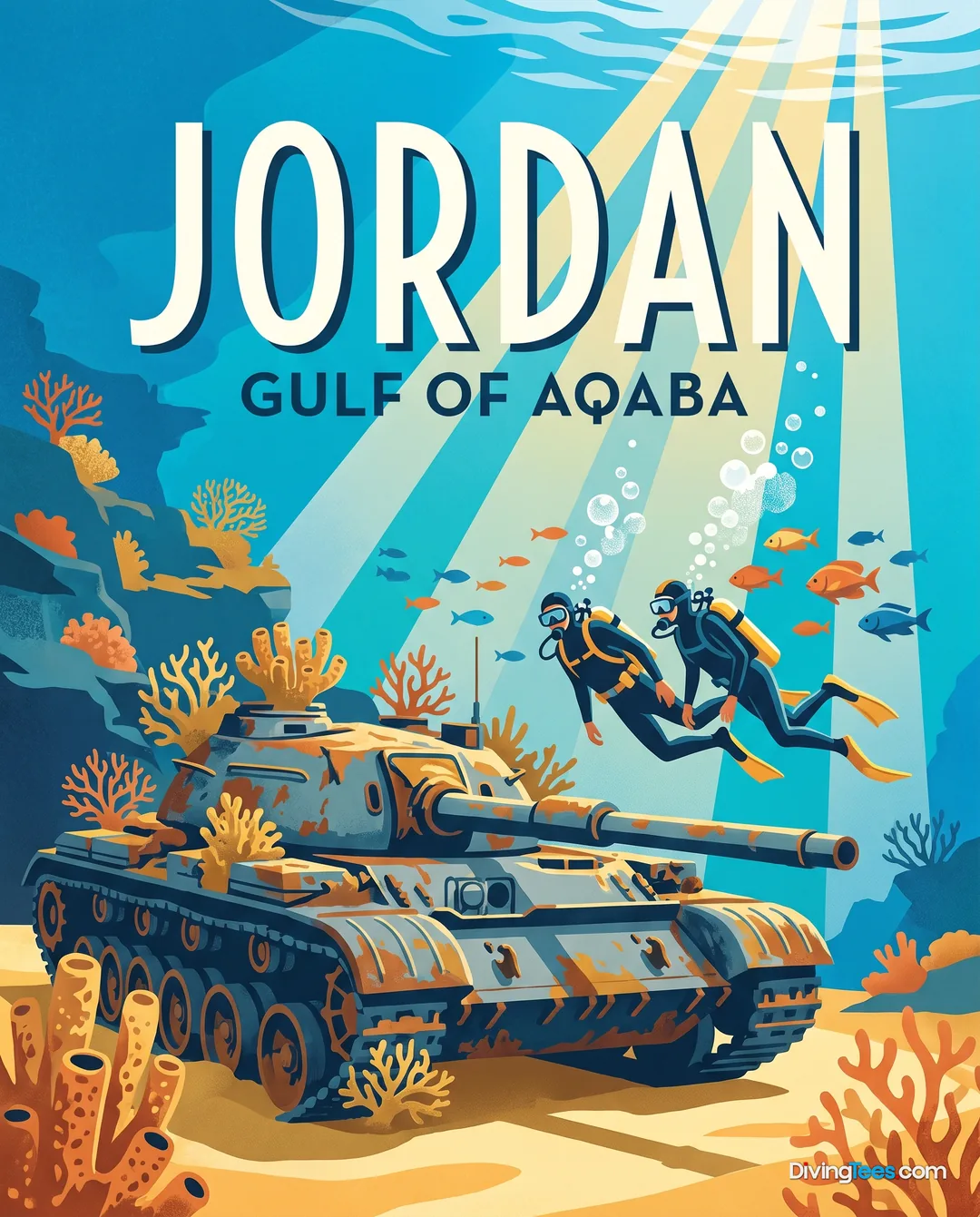
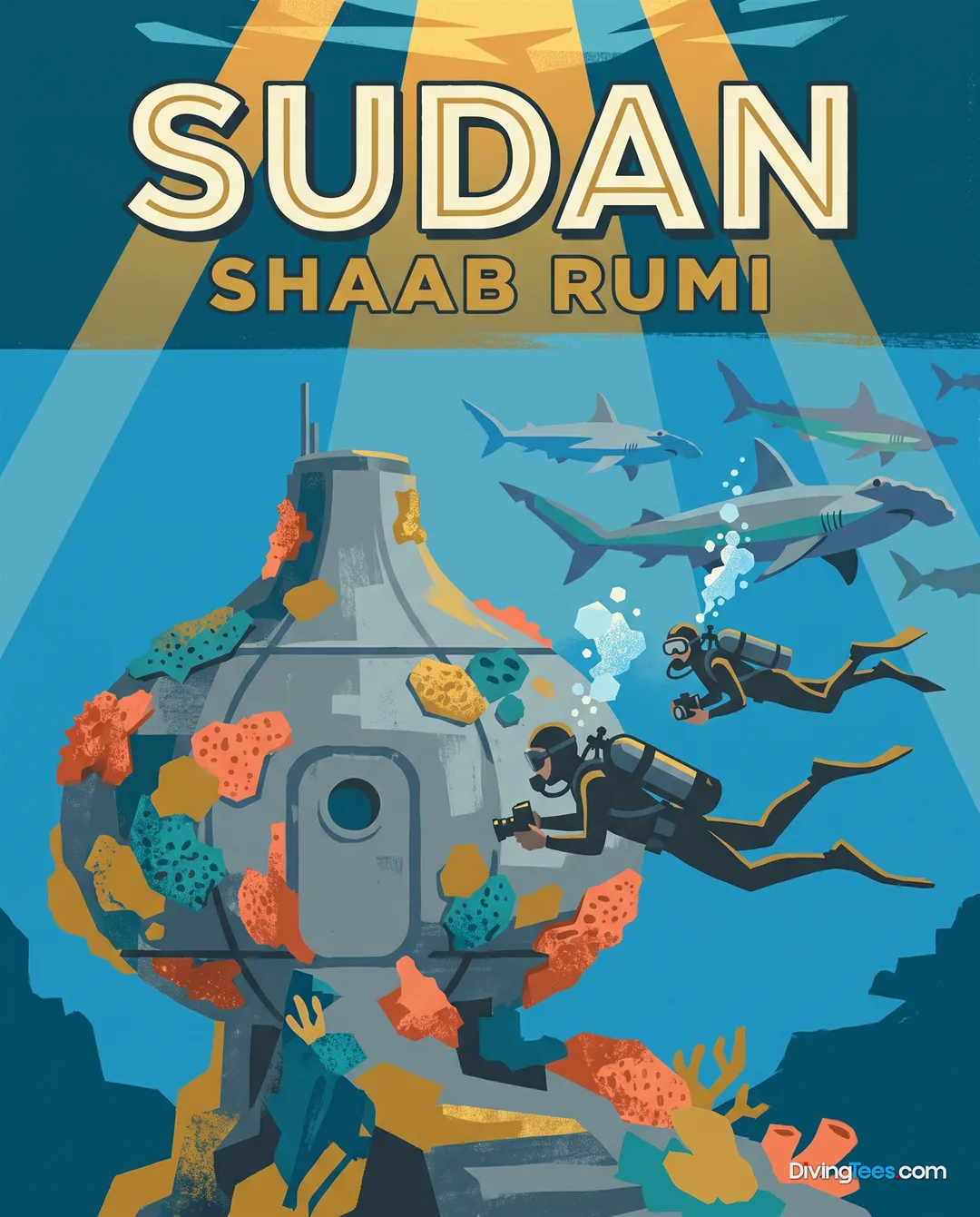
The useful distinction is not a claim that one country lacks the common species. It is the signature animal that gives a particular choice extra weight. Jordan is the place to put Fusilier high on the wish list. Egypt is the country associated with Napoléon. Sudan has no country-specific signature species in the information available here, so its appeal rests more on the broader Red Sea encounter than on one defining animal.
That makes the wildlife decision straightforward: choose Jordan for Fusilier, Egypt for Napoléon, or keep the choice open if the shared cast matters more than a single target.
Which one to choose
Start with the diving style rather than the calendar. Crowd level, price, access for all levels, current variability, boat-and-shore diving and liveaboard availability are shared across Egypt, Jordan and Sudan, so none of them is a reliable separator. Jordan becomes the focused choice if Fusilier matters; Egypt has the stronger wildlife marker if Napoléon is the priority. A diver who prefers to keep the decision broad can choose among Egypt’s named areas, Jordan’s Aqaba base and Sudan’s Port Sudan setting without pretending that current will behave identically on every dive. Treat a downcurrent as a planning issue wherever it appears, not as a country-wide promise. Season is the final tie-breaker: Jordan peaks in January, Sudan in May, Egypt from June into the main summer period, and November is the month when the whole region is in season.
What the whole region shares
Across the Red Sea, the practical baseline is unusually consistent: moderate prices, access for all levels, variable current, mixed boat and shore diving, liveaboard availability and moderate visitor numbers. The wildlife has the same broad regional language too, with Great barracuda, Sea turtle, Moray eel, Tuna, Scorpionfish and Butterflyfish belonging to the shared expectation rather than a single national identity. That consistency matters for experienced BSAC, PADI and SSI divers who want to compare the feel of a trip without changing their entire approach to planning, buoyancy or the safety stop. The region’s character comes from combining that common foundation with different named choices, including reefs, gardens and wreck names, rather than from one uniform itinerary.