
Dive Point
Google 4.9/5 (691 reviews)
Saudi Arabia · Red Sea
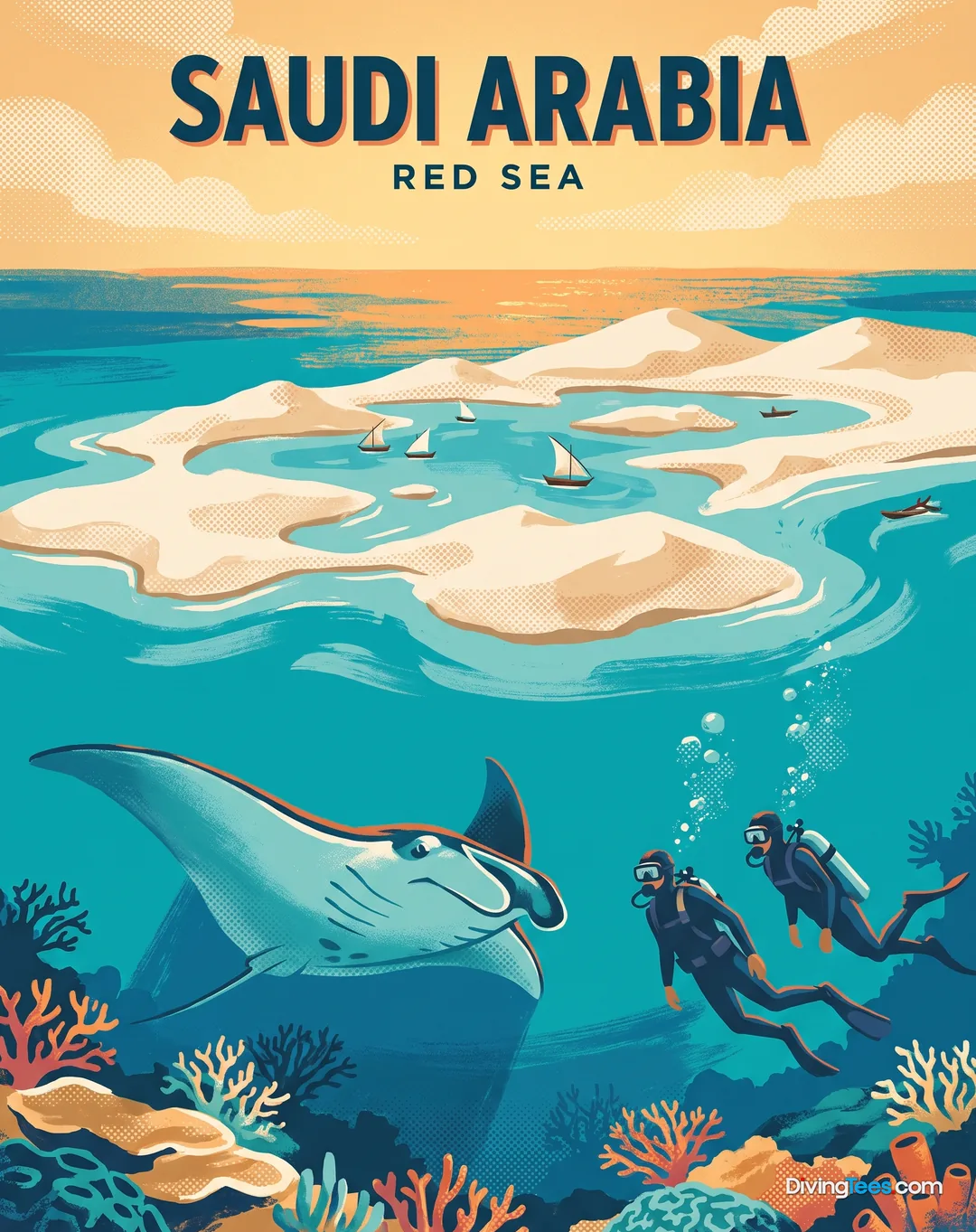
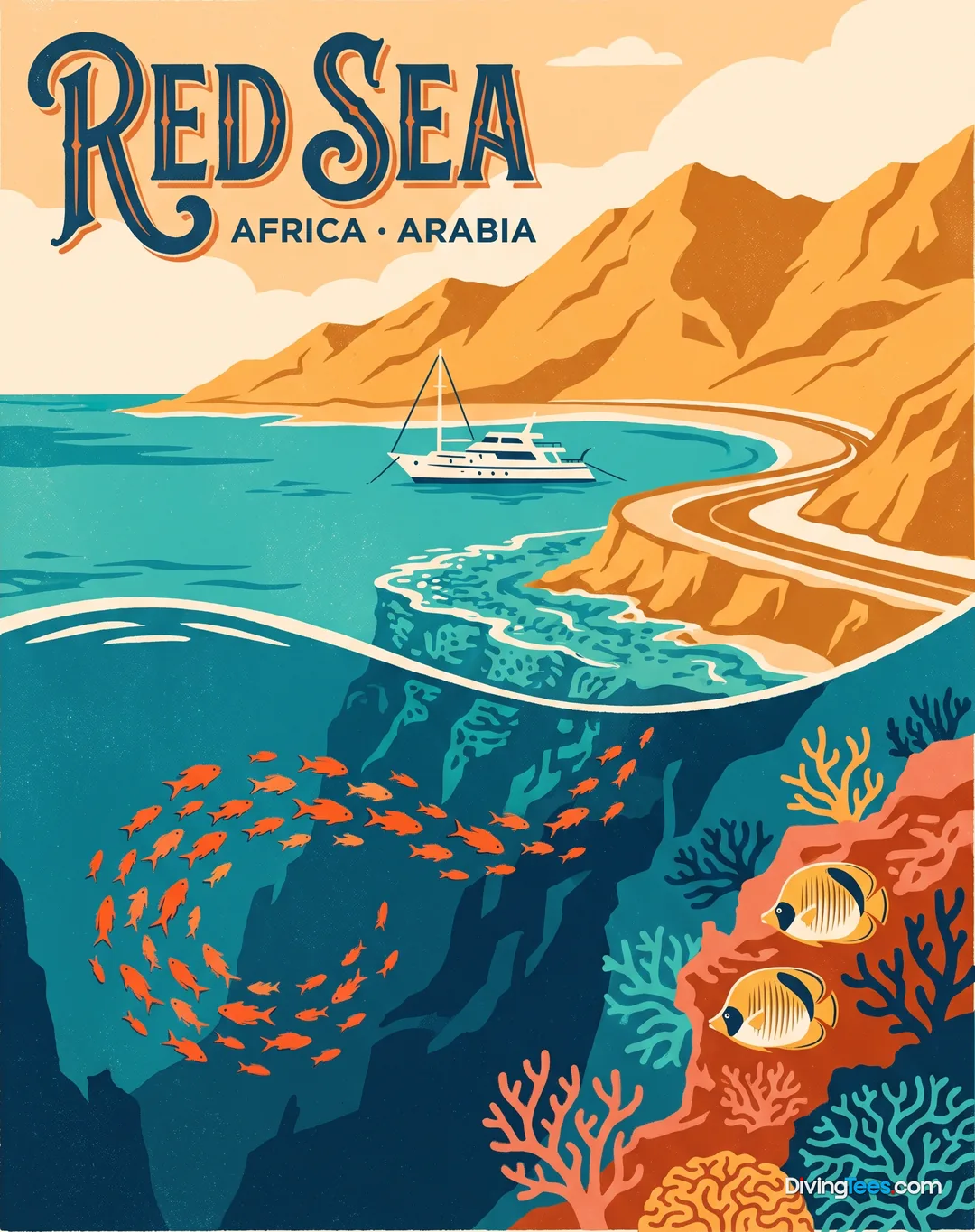
Coral islets, Sheraton Reef and the Boiler Wreck meet daily boats from Obhur, with shallow reefs and deeper wreck profiles beyond the city.
For subtitles in English: start the video firstthen click the gearat the top right of the video, select “Subtitles/CC”, then “Auto-translate” and choose “English”.
Jeddah puts a large coastal city behind your diving and sends you out by boat to coral reefs, islets and wrecks. The practical shape of the holiday is a land-based stay with daily departures from the marinas around Obhur, not a liveaboard by default. Sheraton Reef, Abu Madafi and the local wrecks give a group room to match sites to experience, while Al-Balad, the corniche and the waterfront make the non-diving hours worthwhile.
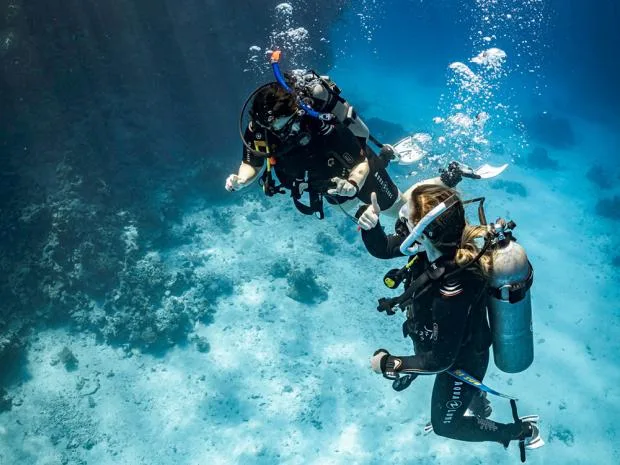
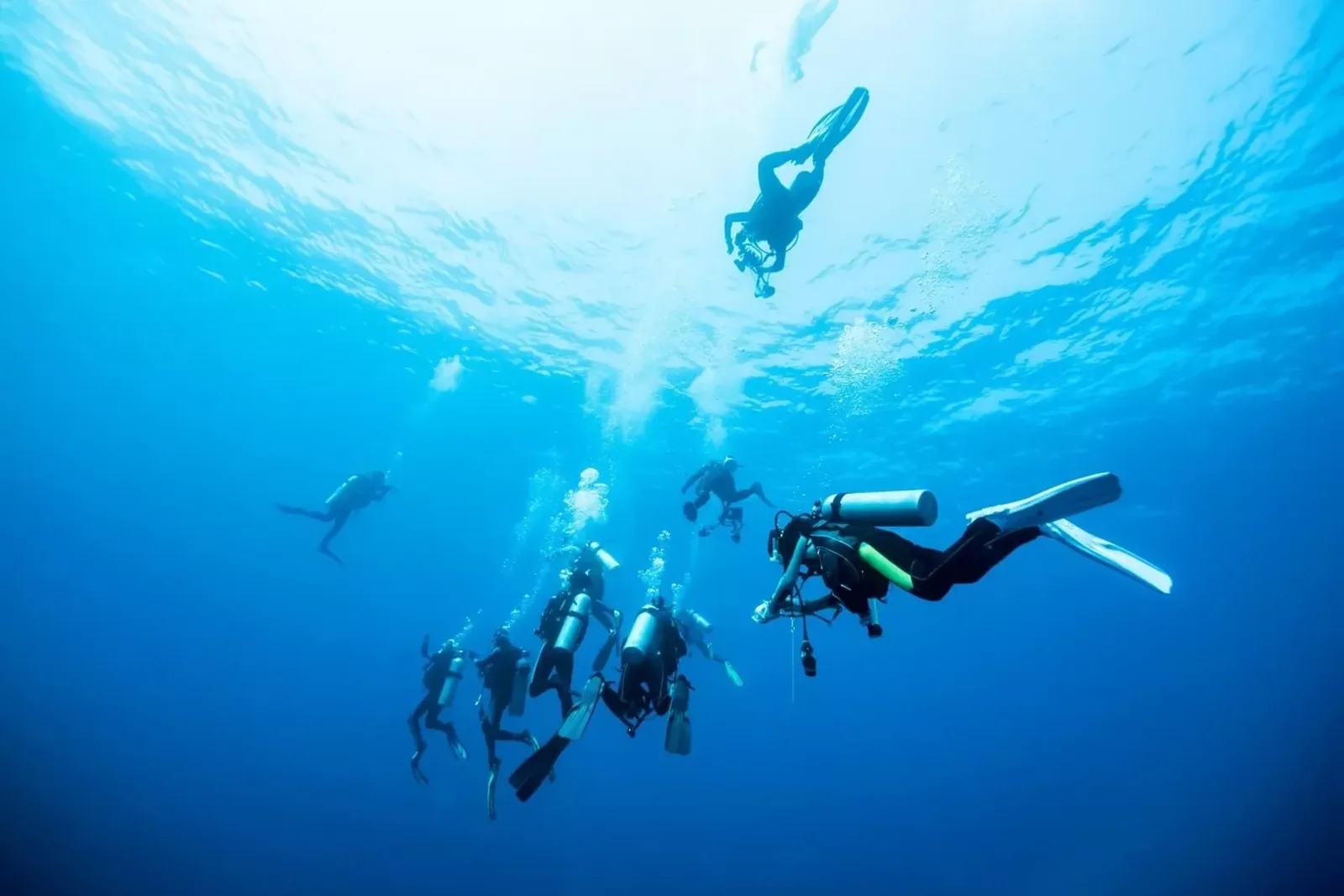
The underwater menu runs from coral reefs and shallow areas to wreck profiles that demand much more care. Sheraton Reef and Abu Madafi suit an opening day or a mixed group, while Boiler Wreck, Cable or Chicken Wreck and Ann Ann bring the more technical question of depth and experience into play. Currents are variable, so a site may feel straightforward on one outing and call for a controlled descent, a drift dive or a firm plan for the safety stop on another. Visibility also changes with the site, swell and local conditions, rather than behaving as a fixed feature of Jeddah. These are boat dives, commonly arranged as day trips, sometimes with divers and snorkellers sharing the same departure. Offshore routes are a different proposition, with longer logistics and a more expeditionary character.
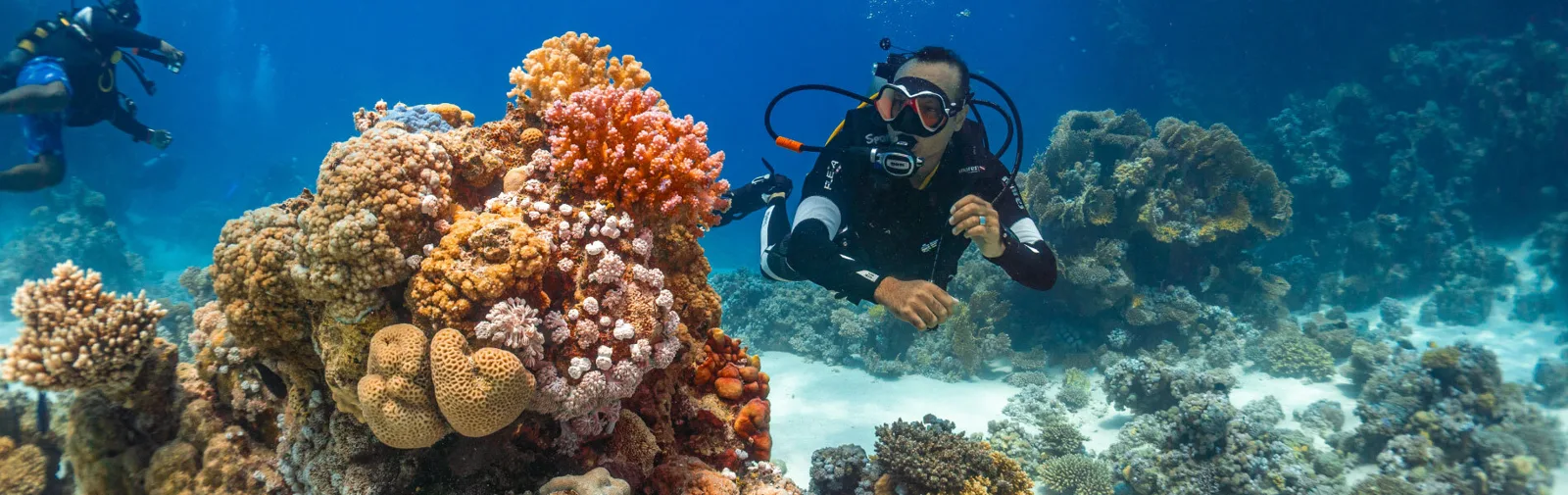
The immediate appeal is the combination of living coral habitat, small coral islets and wreck structure. Reefs and wrecks provide the scenery for ordinary Jeddah day boats, while the larger pelagic encounters belong chiefly to offshore reefs farther from the city. From November to May, those more distant itineraries may bring reef sharks, silky sharks, hammerheads, whale sharks and manta rays, although this is not a promise for a coastal dive from Obhur. Jeddah itself should therefore be approached for its reef and wreck setting first, with big-animal possibilities treated as an occasional extra on the right route. The distinction matters: Farasan Banks and other offshore sectors are not simply extensions of a routine local boat trip.
Diving is possible throughout the year, but March to May and September to November are the sensible windows for planning around generally sought-after conditions and visibility. Spring and autumn offer a useful balance for day boats, when the aim is to make several outings rather than gamble the holiday on one departure. November to May is also the period associated with occasional large pelagics on offshore reefs, including sharks, whale sharks and manta rays. That timing applies more clearly to remote itineraries than to the ordinary reefs and wrecks around Jeddah, so choose the season according to the kind of trip you actually want.
Jeddah can work for beginners on suitable shallow reefs and properly supervised outings, but the wrecks are not interchangeable. Ask about the exact depth, profile and experience required before booking Ann Ann or another deeper wreck. Advanced Open Water or an equivalent qualification is useful for deeper wreck diving, alongside recent experience that matches the planned profile. BSAC, PADI and SSI divers should approach each site by ability rather than assume that a Jeddah boat trip automatically suits every certification level.
From London Heathrow or Gatwick, or Manchester, reach Jeddah through King Abdulaziz International Airport, allowing roughly nine to fifteen hours of total travel depending on the connection. Once in the city, the practical journey continues by road or taxi to the marinas and dive operations around Obhur, north of the centre. The marinas and operators are spread along the coast, so a taxi or arranged transfer is more realistic than walking between an urban base and the departure point. Boats then carry divers to the reefs, coral islets and wrecks, normally on day outings. No ferry is needed for Jeddah diving. Farasan Islands and the Farasan Banks are separate southern itineraries, reached through different ferry, charter or liveaboard arrangements.
Confirm that a booked sea excursion actually includes scuba diving, not only snorkelling, and check whether recent experience affects the conditions of participation. Build in several boat days rather than relying on one departure, because weather, the selected site and the boat plan can change. Before accepting a wreck, ask for its depth and profile in plain terms. Ann Ann is not a sensible first local dive without appropriate wreck and depth experience. Start with a reef such as Sheraton Reef or Abu Madafi if the group has mixed abilities, and ask for a weekday departure or a less popular site when reducing crowding matters. Keep a proper gap before the flight home, since a delayed return from sea can remove the margin after diving. If non-divers are travelling with you, request a boat that explicitly combines scuba and snorkelling. Do not book Farasan Banks as though it were an ordinary Jeddah day trip.
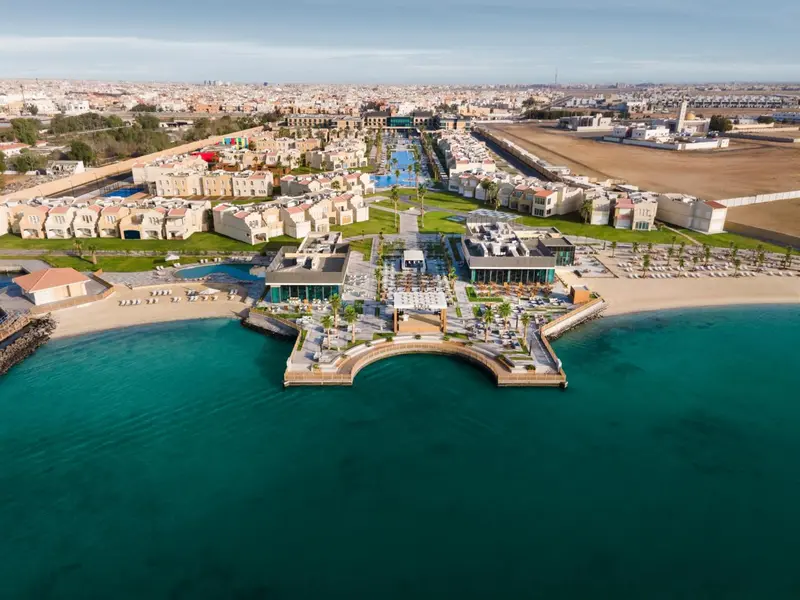
Allow five to seven days for a useful Jeddah stay: several mornings can be reserved for boats, with spare time if a departure moves and a day or two for the city. Stay on land and travel by taxi or arranged transfer between accommodation, the northern marinas and the centre. On non-diving days, combine Al-Balad’s traditional architecture with the corniche and waterfront. A boat outing that accommodates snorkellers can keep a mixed group together, while a final day without diving leaves time for Jeddah before travelling home.
Hello, I'm Marina, DivingDeal.com's AI assistant. I guide you through destinations, areas and countries.
Thinking about the whole trip and the flights? Talk it over with Edith →
Marina is an AI. Some links are affiliate links: DivingDeal may earn a commission, at no extra cost to you. Bookings are made with the partner.
Diving is possible throughout the year, but spring and autumn offer a useful balance for day boats and visibility. From March to May, conditions are generally sought after. From November to May, offshore reefs may bring occasional reef sharks, silky sharks, hammerheads, whale sharks and manta rays, mainly on remote itineraries.
Jeddah can suit beginners on suitable shallow reefs and supervised outings, while mixed groups can start at Sheraton Reef or Abu Madafi. Wrecks require site-specific planning. Ask about depth and profile before booking Ann Ann or another deeper wreck. Advanced Open Water or equivalent, plus matching recent experience, is useful.
Jeddah offers living coral habitat, small coral islets and wreck structure. Sheraton Reef and Abu Madafi provide coral formations, while Boiler Wreck, Cable or Chicken Wreck and Ann Ann add wreck scenery. Offshore routes may bring occasional sharks, hammerheads, whale sharks or manta rays, but these encounters are not typical coastal boat expectations.
Plan a land-based stay with daily boat departures from the marinas around Obhur, travelling by taxi or arranged transfer. Reserve several boat days because weather, sites and boat plans can change, and confirm scuba rather than snorkelling. Include spare time for Al-Balad, the corniche and waterfront, and do not treat Farasan Banks as a local day trip.