Africa
Mozambique: Tofo, mantas and a living coast
Mozambique links Tofo’s manta-rich Indian Ocean coast with Nampula’s year-round access, while Inhambane’s mangroves and traditional dhows keep the shore in view.
What makes this country unique
- Tofo’s manta rays and Indian Ocean conservation coast
- Nampula, available for diving throughout the year
- Moray eels encountered throughout Mozambique’s diving waters
- Traditional dhows carrying a centuries-old maritime story
- Inhambane’s mangroves beside Tofo’s white-sand beaches
- Ponta do Ouro’s partial marine reserve and shark encounters
- December to May opens Tofo for seasonal planning
For subtitles in English: start the video firstthen click the gearat the top right of the video, select “Subtitles/CC”, then “Auto-translate” and choose “English”.
This country for a diver
Mozambique is a country of contrasts between a seasonal ocean-facing destination and a year-round inland option. Tofo brings the Indian Ocean, Inhambane’s estuary, mangroves and a conservation-minded coastal setting into one travel picture. Nampula follows a different rhythm, remaining available in every month. What links the country’s diving is less a single style than changing conditions: all levels are represented, while current is variable. The result is a destination to plan by zone and month, rather than treat as one uniform stretch of coast.
How the country divides
Mozambique divides into two quite different planning profiles. Tofo is the boat-based coastal choice, centred on the Inhambane shore and best placed from December to May. It suits divers drawn to open-water outings, large marine life and a village setting where the Indian Ocean, mangroves and estuary all shape the experience. Nampula is the more flexible option: it remains in season throughout the year, so it can anchor a trip outside Tofo’s window or provide the steadier month-by-month choice. These are not interchangeable versions of the same holiday. Tofo asks you to work around a defined seasonal period; Nampula offers continuity across the calendar. Read the individual zone pages for the character of each diving area, but use this split first: choose Tofo for its seasonal coastal identity, or Nampula when the month matters more than matching that particular window.
Diving destinations
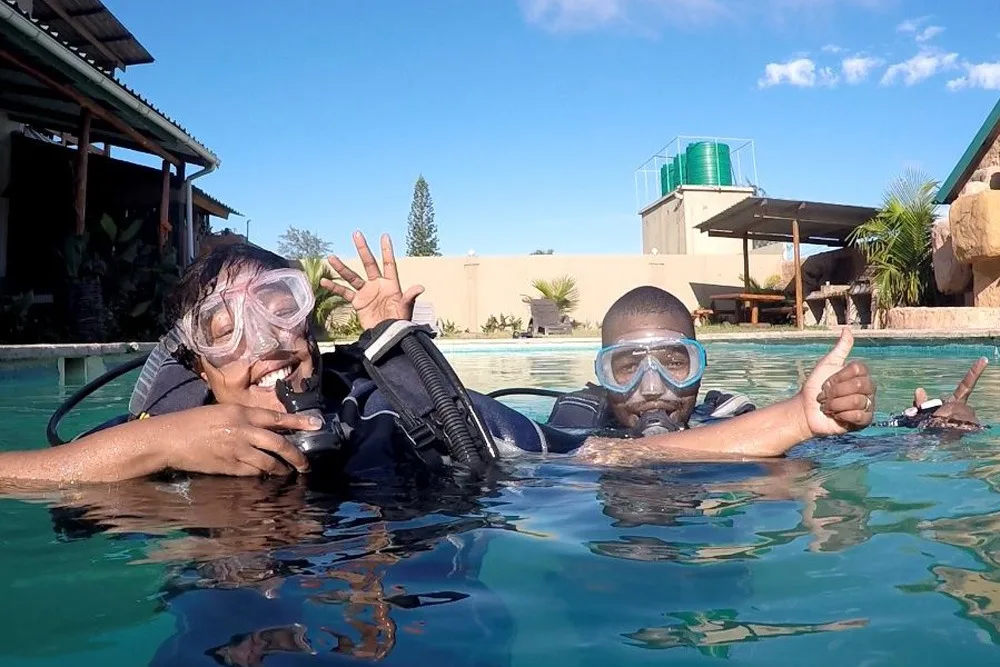
Dive centres


Hotels
When to go, and where by month
January, February, March, April and May are the shared months: Nampula and Tofo are both in season. June, July, August, September, October and November belong to Nampula alone. December returns both zones to the calendar. This is not a neat swap in which one coast closes as another opens. Nampula stays available throughout the year, while Tofo has a defined season from December to May. That makes the country straightforward to place on a calendar, but not a reason to assume the two areas combine easily. For a Tofo-focused journey, the usable window runs from December through May. For travel between June and November, Nampula is the clear seasonal choice within the areas covered here. The practical distinction is therefore continuity rather than opposing seasons: Tofo adds a particular coastal period, while Nampula keeps the country open beyond it.
Marine life, coast by coast
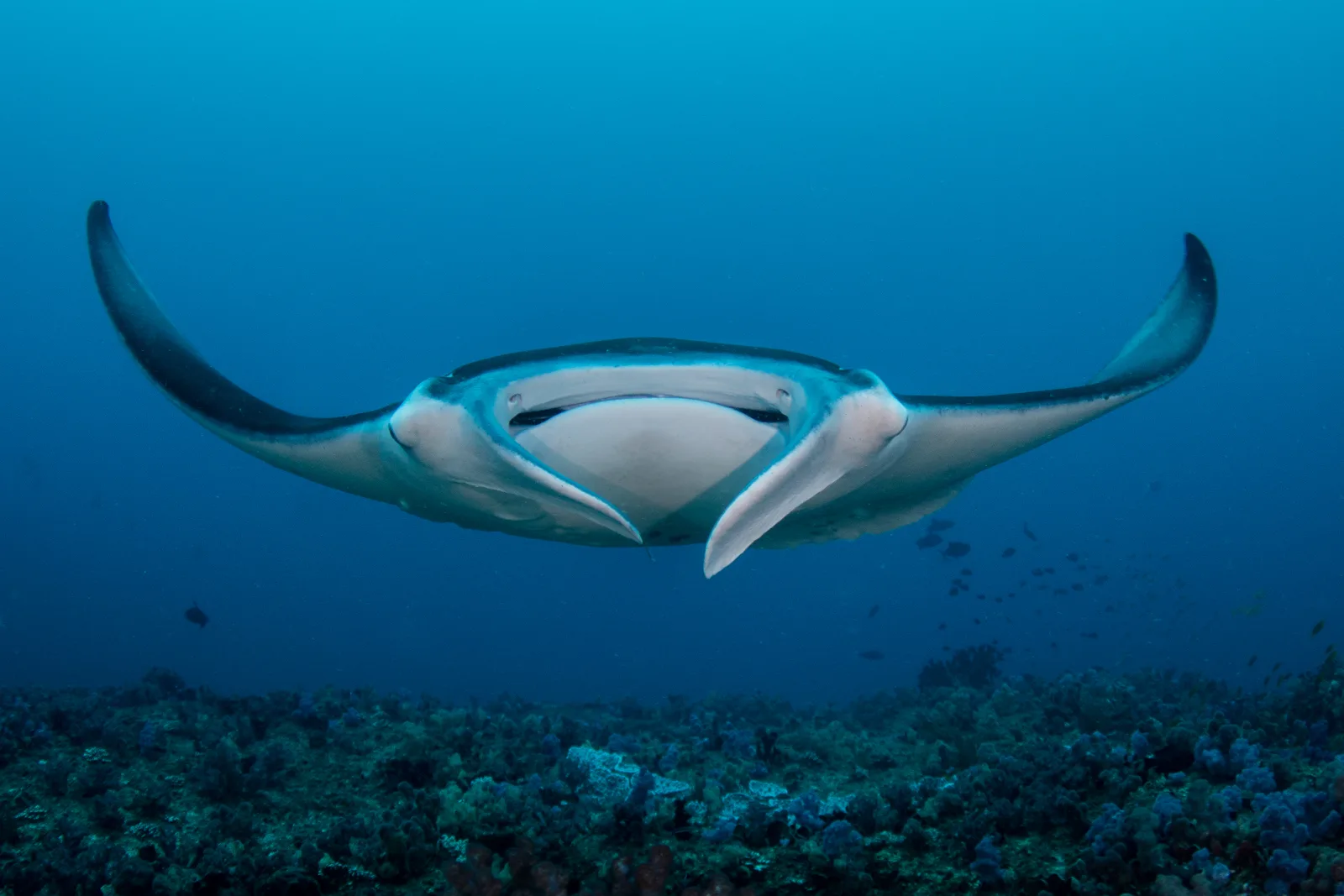
Moray eels are part of the diving picture across Mozambique. Tofo adds the larger cast that will influence an itinerary: manta rays, eagle rays, reef sharks and other sharks, along with groupers, barracuda and trevally. It also brings the possibility of encounters with a broad range of reef fish, from triggerfish and angelfish to batfish and frogfish. The country-level view matters here. A diver travelling specifically for manta rays or sharks should place Tofo at the centre of the plan, rather than assume that a year-round Nampula visit offers the same emphasis. Tofo’s fauna also spans both big-animal observation and closer reef searching, so the choice of operator and outing becomes relevant. Across the country, however, the variable current and the need for controlled approaches remain part of the decision-making.
Getting between the areas
Nampula and Tofo are not a natural short hop between neighbouring dive areas: they are 1,201 kilometres apart. No combination is indicated, so an itinerary linking them should be treated as a substantial relocation rather than a convenient add-on. In practical terms, that transfer can consume a travel day once the movement itself and the loss of useful diving time are allowed for. The distance also makes a split stay harder to justify on a short holiday, particularly when Tofo already depends on a defined seasonal window and Nampula is available throughout the year. Choose the zone that fits the month and the intended style first. Add the other only when the longer overland or inter-zone movement is genuinely part of the plan, not because the map makes the pairing look simple.
Take off your mask
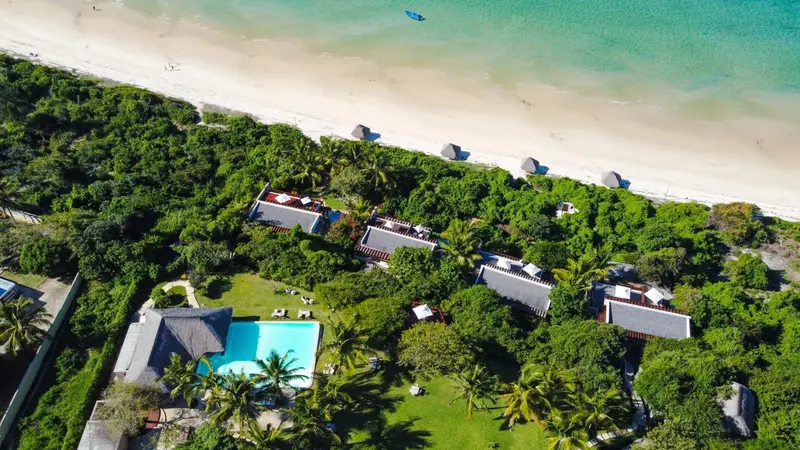
Tofo is a small fishing village on the Inhambane coast, set beside the Indian Ocean and close to the Inhambane estuary. Its white-sand beaches, luxuriant mangroves and direct relationship with the sea give the place a strong landscape identity beyond the water. The surrounding coastline is described as a significant marine conservation area, with potential for UNESCO World Heritage status. Traditional dhows, used for trade since the eleventh century, add a distinctly maritime thread to the coast and connect present-day scenery with a much older working history. Further south, Ponta do Ouro is associated with a partial marine reserve and the possibility of seeing a shark in its natural environment, without feeding or baiting. These places suggest a country experienced through shoreline, estuary, boats and conservation as much as through inland sightseeing. No specific dish or eating tradition is named here, so Mozambique’s culinary picture should not be padded with generic claims.
What holds true everywhere here
Across Mozambique, the practical issue is not simply whether a diver can enter the water, but how well the dive is managed around changing conditions and animal behaviour. Current is variable, so a serious briefing should cover the route, the expected movement and the limits of the outing. On fauna-oriented dives, buoyancy deserves particular attention: contact with the bottom becomes more likely when divers are distracted by large animals. Ask whether a boat sortie is configured for big-animal observation or for reef exploration, since those are different experiences. Keep several days available for diving rather than placing every important encounter on one departure; sea conditions can disrupt plans. Controlled buoyancy and non-contact rules are especially important where the attraction is wildlife rather than a sheltered reef.
Frequently asked questions about Mozambique
When should you go to Mozambique for the diving you want?
Tofo’s seasonal planning window opens from December to May, making that period relevant if manta-rich diving is your focus. Nampula offers diving throughout the year, so it provides a different timing option. Choose your travel period according to whether Tofo’s seasonal emphasis or Nampula’s year-round access better fits your plans.
What diving level suits Mozambique?
Mozambique’s diving includes variable current and the need for controlled approaches, so you should consider how comfortably you manage those conditions when choosing outings. The destination also ranges from large-animal observation to closer reef searching, making the choice of operator and outing relevant to your abilities and preferences.
What can you see while diving in Mozambique?
Mozambique offers moray eels throughout its diving waters, while Tofo adds manta rays, eagle rays, reef sharks, other sharks, groupers, barracuda and trevally. You may also encounter triggerfish, angelfish, batfish and frogfish, combining larger-animal encounters with closer reef searching on suitable outings.
How should you plan a stay in Mozambique?
Place Tofo at the centre of your itinerary if manta rays or sharks are your priority, rather than expecting Nampula to offer the same emphasis. You can also keep Inhambane’s mangroves, traditional dhows and Tofo’s white-sand beaches in view, while Ponta do Ouro adds a partial marine reserve and shark encounters.