Diving in Africa: wildlife, current and careful choices
South Africa’s boat diving demands a different choice from Mozambique’s mixed boat-and-shore approach, especially when current and repeated profiles shape the trip.
What makes this area unique
- Manta ray identifies Mozambique within the regional wildlife
- South Africa centres the region’s boat-diving choice
- Mnemba Atoll anchors Tanzania’s named reef geography
- Mixed boat-and-shore diving marks Mozambique’s approach
- All levels can enter the region’s diving conversation
- Lightly visited waters make operator choice consequential
This region for a diver
Across this region, the useful common ground is not a single style of dive but a shared way of planning one. Tanzania, Kenya, Mozambique and South Africa are open to all levels, yet remain lightly visited, so a careful briefing matters more than a fashionable itinerary. Current, buoyancy, reef contact and marine-park rules recur as practical concerns. Monsoon and rainy season thinking belongs in the plan, as does a weather margin and a spare day. Nitrox can matter when profiles repeat. What separates this region from a generic diving break is the combination of named reef diving, strong animal signatures and genuine room to choose by diving style.
What you come to see
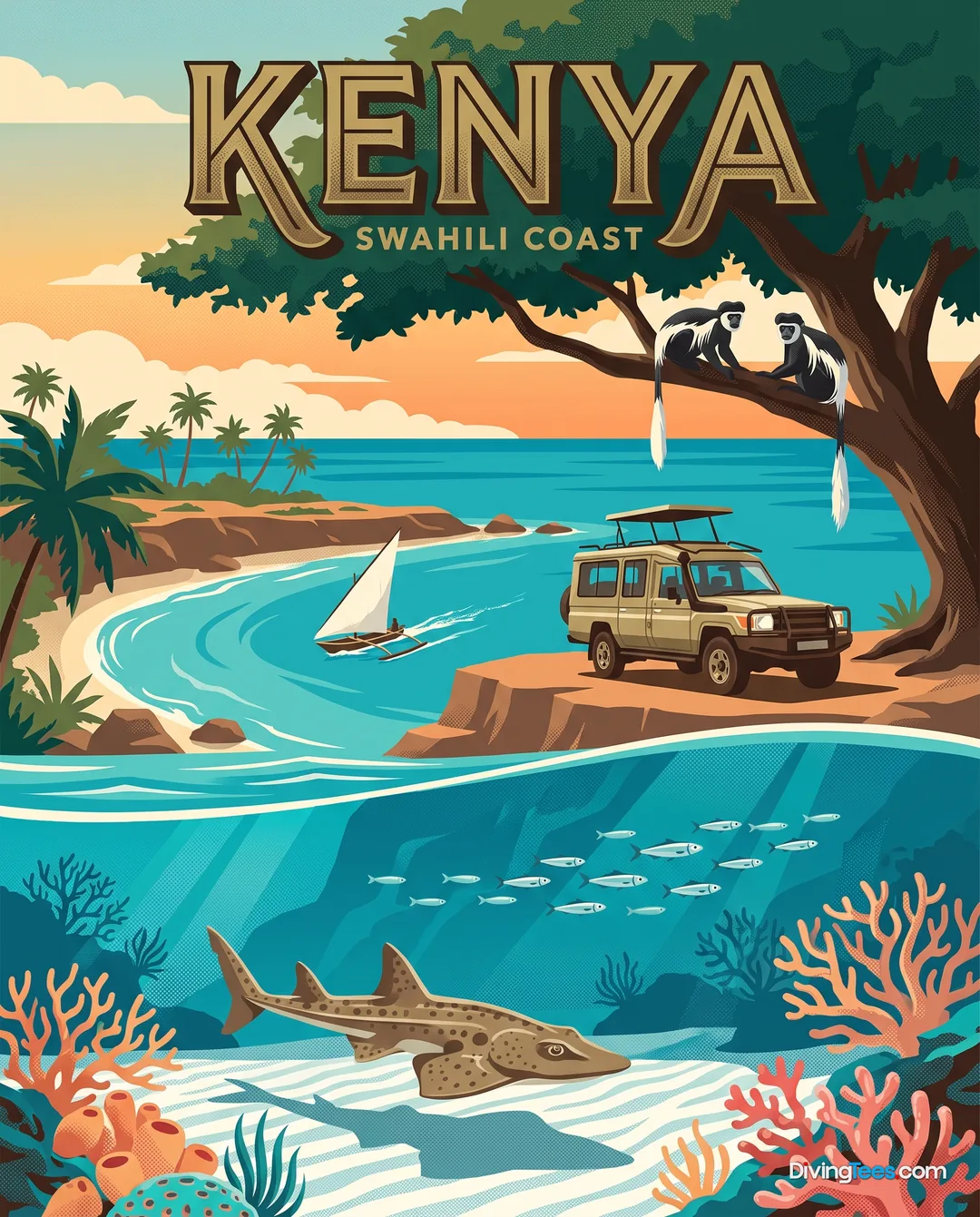
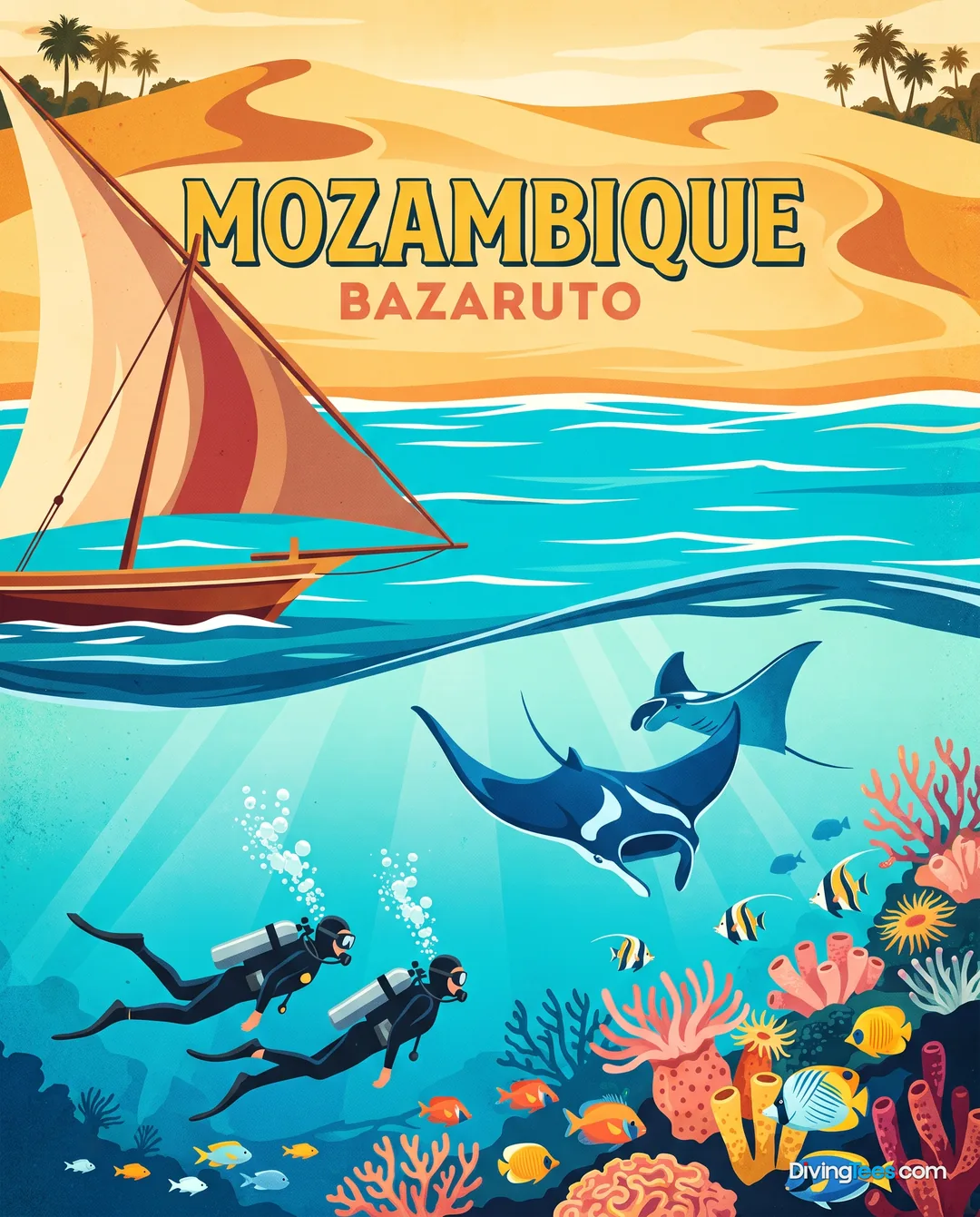
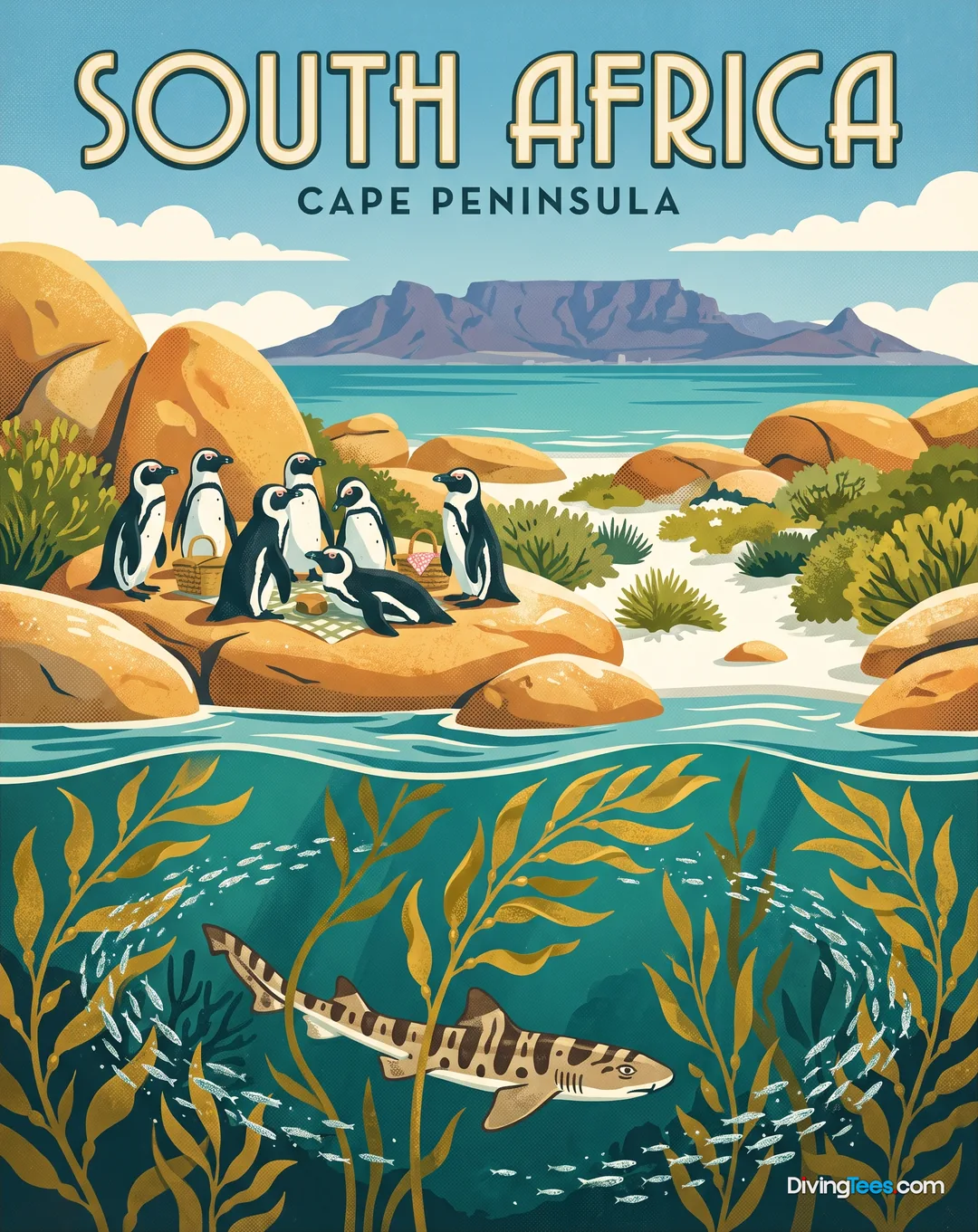
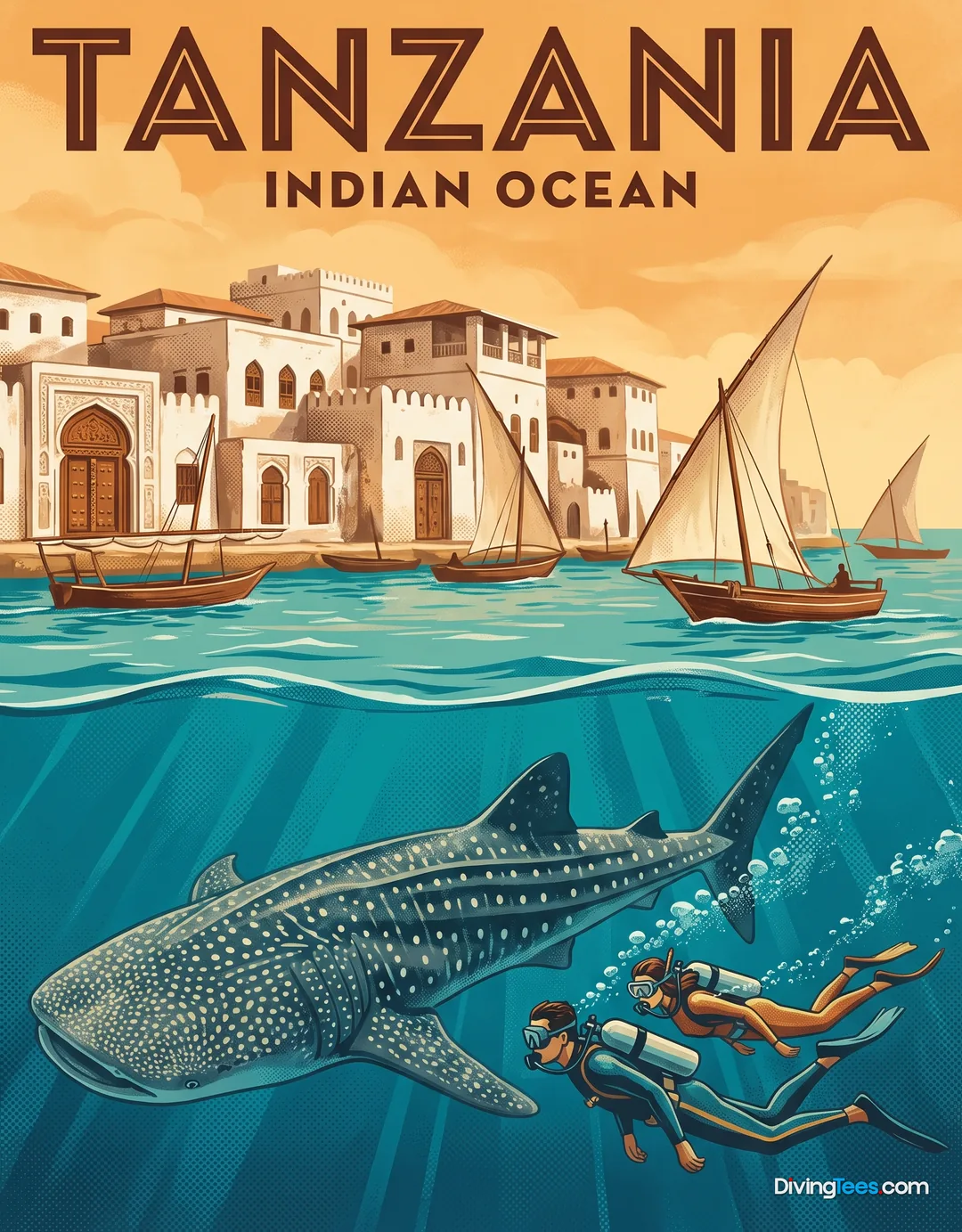
Across the region, Octopus, Sea turtle, Frogfish, hammerhead sharks, Great barracuda and Grouper form the common thread. They make the choice less about finding any life at all and more about deciding which signature matters most. South Africa is the destination for Frogfish as a country marker, while Tanzania is where Napoleon gives the regional wildlife picture a different emphasis. Mozambique is the clear choice when a manta ray is the animal you have travelled to see. The shared species belong in the wider reef picture rather than in a single national pitch: you may meet a Sea turtle or watch a Great barracuda pass while the dive itself is being shaped by current, a safety stop or contact with the reef. Named anchors keep the decision concrete without pretending that one site represents a whole coast: Mnemba Atoll in Tanzania, Raggies Cave in South Africa, Manta Reef in Mozambique and Watamu Marine National Park in Kenya. Choose by the signature animal, then by the diving style that lets you look properly.
Which one to choose
Start with the dive operation, not the calendar. South Africa is the clear choice when boat diving is the point: that format puts operator selection, current briefing and comfort with the day’s conditions at the centre. Mozambique suits a diver who wants boat and shore diving mixed, rather than a single launch-based pattern. Tanzania and Kenya become more persuasive when their wildlife anchors matter more than a formal difference in diving type: Napoleon points towards Tanzania, while Watamu gives Kenya a precise place in the decision. Across the region, crowding is unlikely to be the deciding lever; value will turn on what is included and how the operator handles repeated profiles, nitrox and a weather margin. There is no sound basis here for ranking liveaboards, wreck access or price. If two choices still look equal, March and April are the months when every country is in season; January favours Kenya, Mozambique and South Africa, while Tanzania is out of season.
What the whole region shares
Every country here is open to all levels, and every one remains lightly visited. That does not remove the need for discipline: current briefing, buoyancy, reef contact and marine-park rules are recurring parts of a sensible dive plan. Monsoon and rainy season can change how you use a day, so a weather margin and a spare day belong in the schedule rather than as afterthoughts. Nitrox has a practical role when profiles are repetitive, but it does not replace conservative planning or a proper safety stop. Operator choice matters across the region because diving style and briefing remain central to the experience. The wildlife thread is equally consistent: Octopus, Sea turtle, Frogfish, hammerhead sharks, Great barracuda and Grouper keep the reefs recognisably African, while manta ray, Napoleon and the local signatures sharpen the choice between countries.