
Bucea Hoy - Dive Today
Google 4.9/5 (161 reviews)
Argentina · Americas
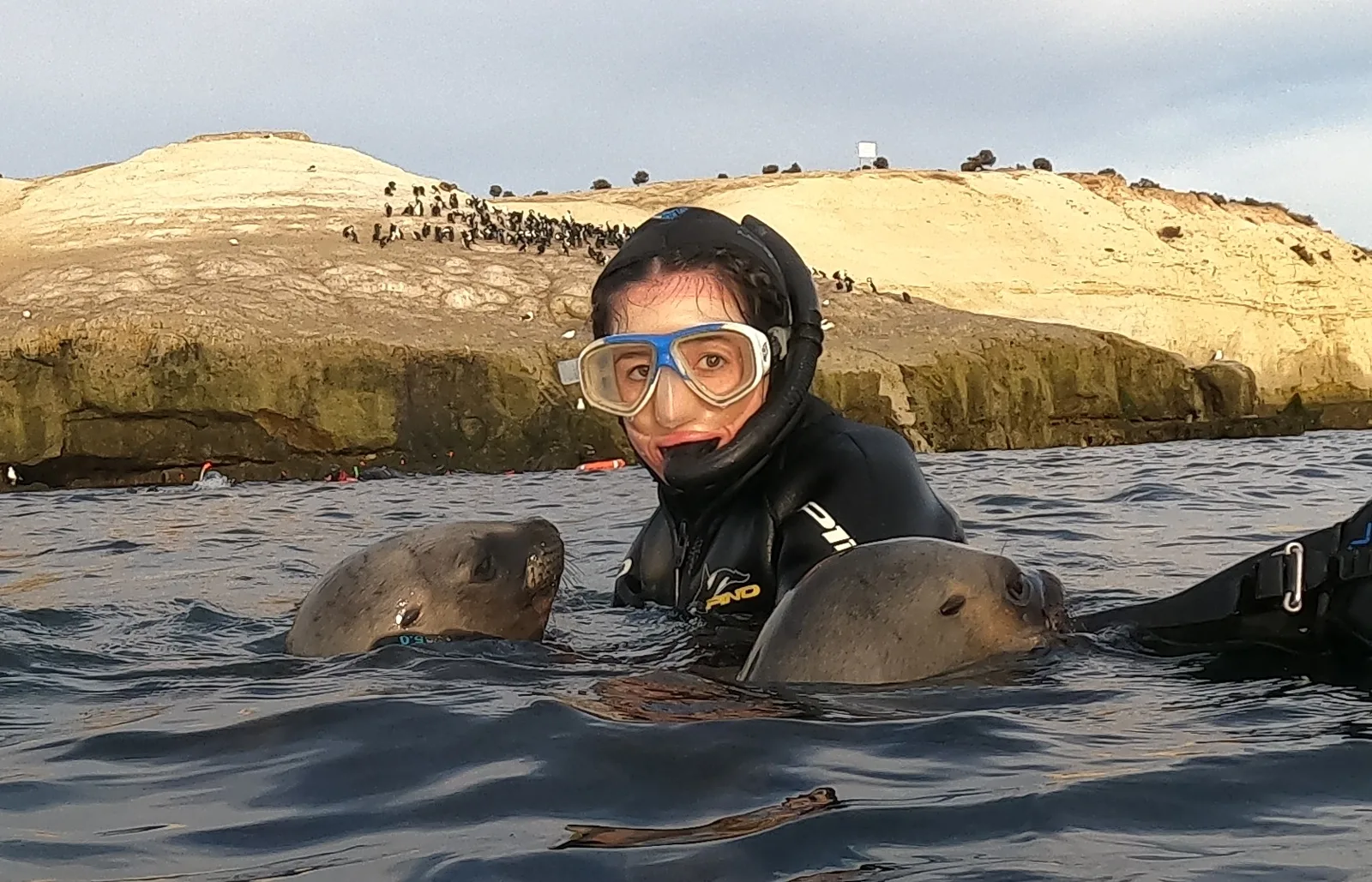
Sea lions at Punta Loma, temperate algae in Golfo Nuevo, southern right whales offshore: Puerto Madryn joins diving with Patagonia’s land and surface wildlife.
For subtitles in English: start the video firstthen click the gearat the top right of the video, select “Subtitles/CC”, then “Auto-translate” and choose “English”.
Sea lions at Punta Loma are the draw, but Puerto Madryn is not simply a wildlife excursion with a tank on your back. Around Golfo Nuevo, shore dives and boat outings put you among temperate algae, groupers, sars, salmones de mar and smaller invertebrates. The diving works well as part of a land-based Patagonian holiday, with the Valdés Peninsula adding whales, penguins and elephant seals for days when you are not underwater.
Puerto Madryn combines shore diving, boat trips and supervised encounters with sea lions, rather than offering a single style of underwater outing. Golfo Nuevo sites are described as suitable for beginners, while the day’s conditions are shaped by wind, tide, swell and plankton. Visibility commonly falls between five and fifteen metres, and can change noticeably when those factors turn. Currents are variable, so a site that is comfortable on one day may not be the sensible choice on the next. Underwater, expect temperate algae and marine habitats rather than tropical coral, with groupers, sars, salmones de mar and invertebrates providing the interest. Punta Loma adds a very different experience, with the movement and curiosity of sea lions in their natural habitat. Ask what is sheltered on the day, rather than treating a named site as a fixed promise.
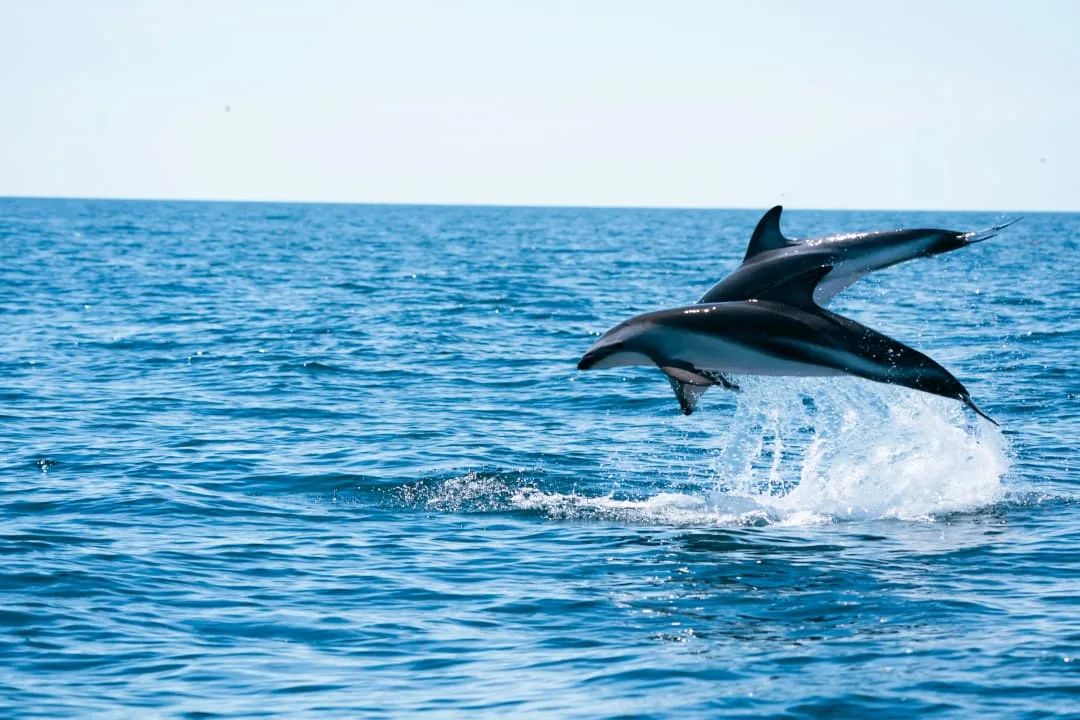
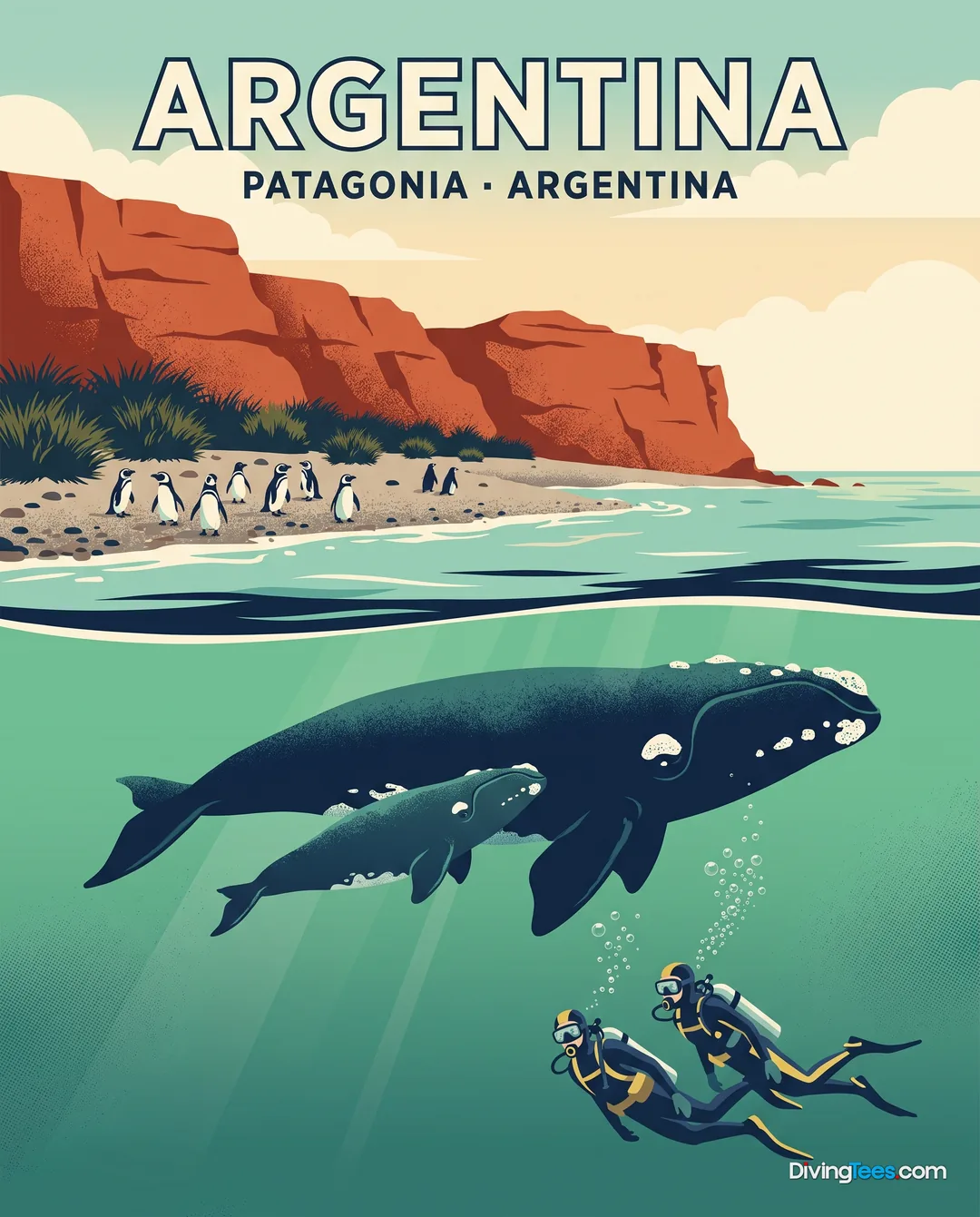
Sea lions are present throughout the year at Punta Loma, with young animals especially active in spring. They are the encounter to plan around, not a lucky bonus on an ordinary dive. Golfo Nuevo’s regular residents include groupers, sars and salmones de mar, while octopuses, seahorses and nudibranchs may reward a slower look among the temperate algae. Dolphins, penguins, rays and small sharks are occasional possibilities rather than dependable bookings. Southern right whales are regular in the wider area from June to December, particularly from July to November, but they belong chiefly to surface watching. A whale trip is therefore a useful companion to diving, not a substitute for an underwater encounter.
Diving runs throughout the year, but September to March is the more persuasive window for a first visit. Spring brings young, lively sea lions, while November to March is associated with the more favourable diving visibility. The same period overlaps the austral spring and summer holiday season, so boat and wildlife outings can be busier. June to December is the time for southern right whales, with July to November usually the strongest whale-watching period, but the whales are mainly seen from the surface. Wind and tide can still rearrange any plan, so the calendar should include spare time rather than relying on one precise departure.
Puerto Madryn suits all levels, including divers making their first salt-water experience, provided they are comfortable with changing local conditions. Golfo Nuevo offers accessible shore and boat diving, while sea-lion outings are available with supervision and can include introductory experiences or snorkelling. PADI, SSI and BSAC divers should find the underlying demands familiar, but experience with variable visibility, wind and tide is useful. The destination is less about deep technical profiles than about handling a temperate environment sensibly.
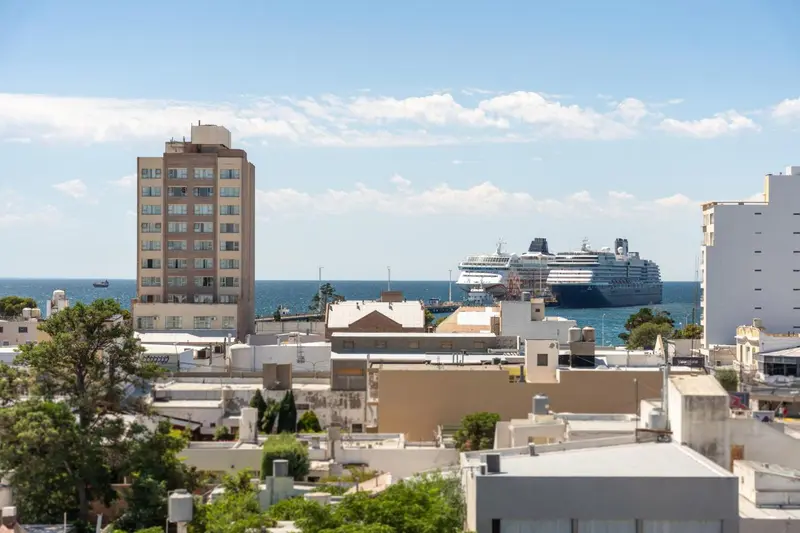
From London Heathrow, London Gatwick or Manchester, the practical route is usually an internal flight in Argentina to Trelew, followed by a road transfer to Puerto Madryn. Connections in Argentina or another South American hub are normally part of the journey, since there is no direct European service to Puerto Madryn identified here. Long-distance coaches from other Argentine cities are another option. No ferry is needed to reach the town or its principal dive areas. Once there, Puerto Madryn is compact enough for some journeys on foot, with taxis or an organised transfer covering the dive departure points when required. Keep the final diving day clear of a tight onward connection, as wind can move boat plans.
Build the diving around the weather rather than around a rigid site wish-list. Wind and tide can alter visibility and determine which site is usable, so ask locally which sheltered option works that day. Put the main dives early in the stay, leaving replacement days if a boat or sea-lion outing is postponed. In spring and summer, book diving and wildlife activities ahead, when local holidays bring more visitors. If sea lions are central to the trip, do not reduce the plan to one outing: conditions and availability can vary. Keep the whale expectation realistic too. The whales are chiefly a surface experience, even when their season overlaps the diving calendar. Pair a sea-lion day with a separate Valdés Peninsula excursion, because the timings and sectors are different. Finally, leave a proper gap before the flight home, rather than gambling on the last planned dive running to schedule.
Allow five to seven days for a sensible balance of diving, a Valdés Peninsula excursion and at least one day without a tank. A longer stay gives wind-related postponements somewhere to go. The town makes a straightforward base, with dive centres and departure points reachable on foot, by taxi or through an arranged transfer, depending on where you stay. Keep the whale trip, sea-lion outing and diving as separate building blocks rather than trying to fit every wildlife experience into one day.
Hello, I'm Marina, DivingDeal.com's AI assistant. I guide you through destinations, areas and countries.
Thinking about the whole trip and the flights? Talk it over with Edith →
Marina is an AI. Some links are affiliate links: DivingDeal may earn a commission, at no extra cost to you. Bookings are made with the partner.
Diving runs throughout the year, while September to March is a useful window for a first visit. Spring brings active young sea lions, and November to March is associated with more favourable visibility. June to December is whale season, with July to November commonly used for stronger surface-watching opportunities.
Puerto Madryn suits all levels, including divers making their first salt-water experience, when they are comfortable with changing conditions. Golfo Nuevo offers accessible shore and boat diving, while supervised sea-lion outings can include introductory experiences or snorkelling. Familiarity with variable visibility, wind and tide is useful.
You can dive among temperate algae and see groupers, sars, salmones de mar and smaller invertebrates in Golfo Nuevo. Slower searches may reveal octopuses, seahorses and nudibranchs. Punta Loma offers supervised sea-lion encounters in their natural habitat, while dolphins, rays and small sharks are occasional possibilities.
Build your Puerto Madryn stay around weather, wind and tide rather than a fixed site list. Ask which sheltered option works that day, schedule main dives early, and leave replacement time for postponements. Keep whale watching, sea-lion outings and Valdés Peninsula visits separate, and leave a proper gap before flying home.