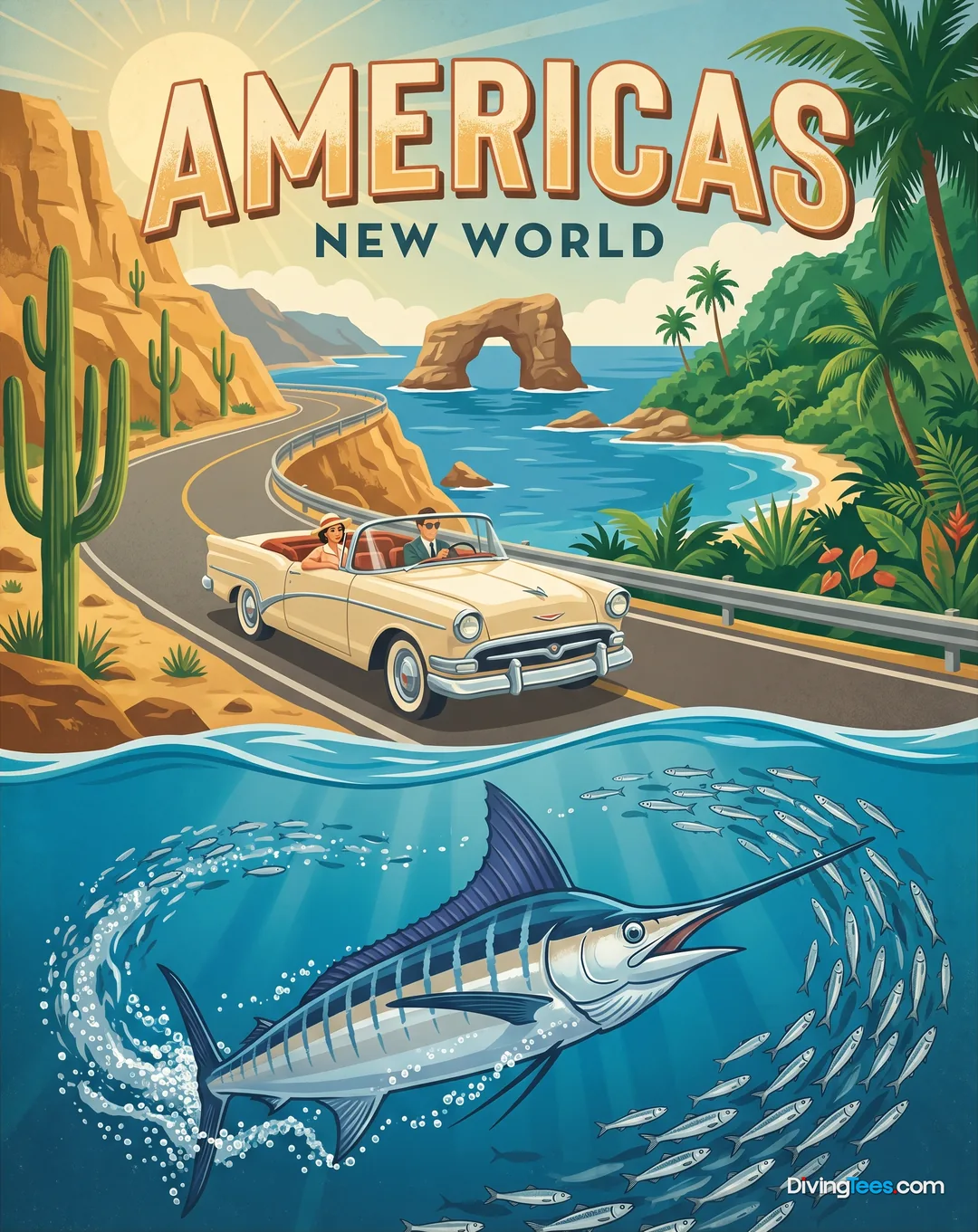
Americas
Brazil: island parks and continental journeys
From Fernando de Noronha’s volcanic Atlantic setting to the flooded landscapes of Mato Grosso do Sul, Brazil joins protected sea parks with an inland frontier.
What makes this country unique
- Fernando de Noronha, an Atlantic island chain
- Abrolhos and its protected marine park
- Fortaleza’s Centro Dragão do Mar cultural complex
- Bonito - Rio da Prata in Mato Grosso do Sul
- Moqueca baiana and acarajé from Bahia
- Pantanal routes around Corumbá and Ladário
- Fernando de Noronha in every month
For subtitles in English: start the video firstthen click the gearat the top right of the video, select “Subtitles/CC”, then “Auto-translate” and choose “English”.
This country for a diver
Brazil is a country of contrasting dive journeys rather than one continuous underwater style. Fernando de Noronha is an isolated UNESCO island chain; Abrolhos is a protected reef archipelago off Bahia; Fortaleza brings diving into a north-eastern coastal city; and Mato Grosso do Sul shifts the journey inland to Bonito - Rio da Prata. The common thread is logistical: marine parks are regulated, offshore diving relies on boats, and the distances between sea and inland landscapes make domestic flights more sensible than heroic overland transfers.
How the country divides
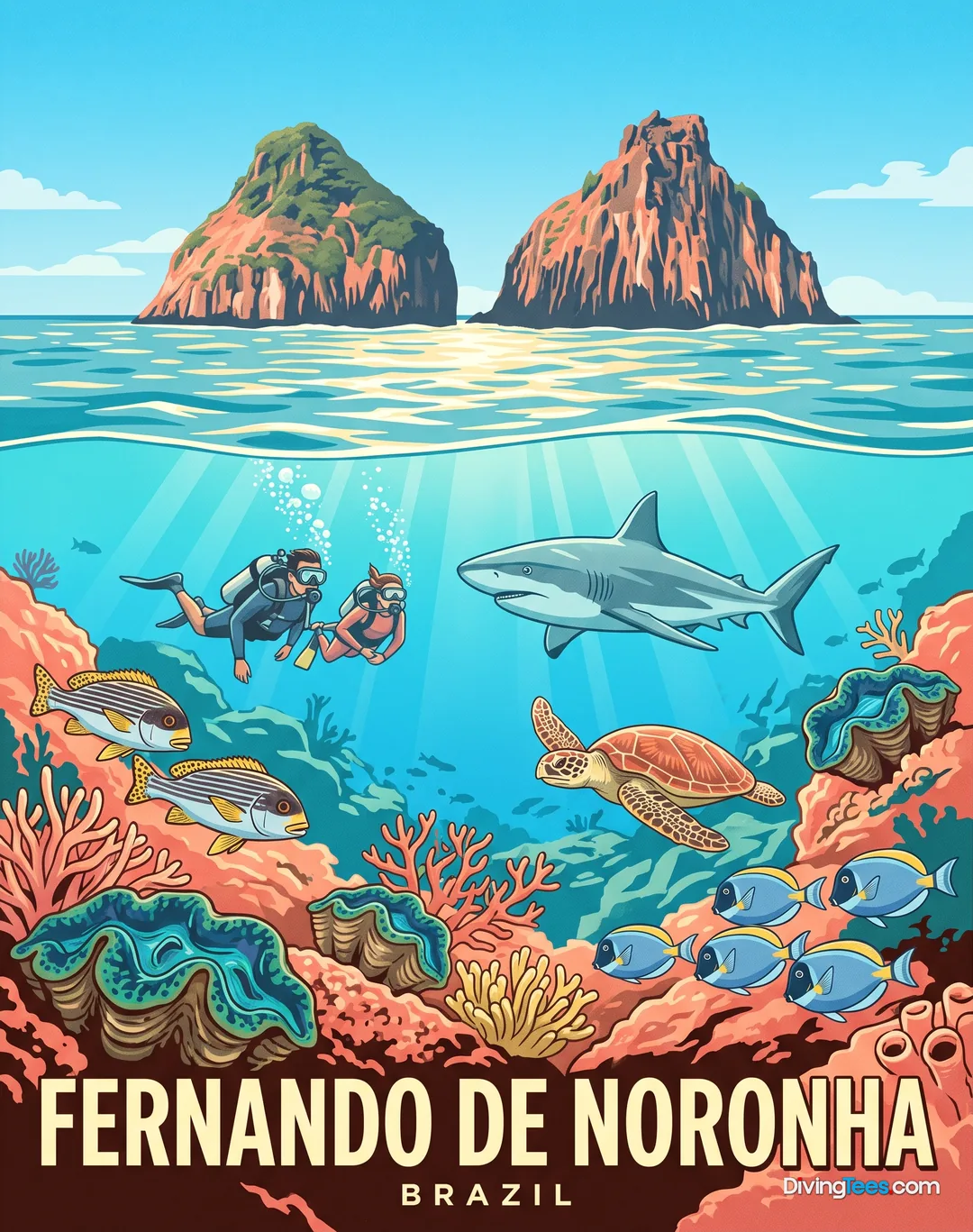
The clearest national grouping is Fernando de Noronha, an isolated Pernambuco archipelago with its own access controls, protected paths and an all-year diving season. It suits divers who want an island stay built around regulated nature rather than a flexible mainland circuit; Pedras Secas is one of the names that anchors this setting. Abrolhos belongs to Bahia’s offshore reef world, reached by authorised operators and shaped by marine-park rules, with Chapeirao Jean Pierre representing the boat-led character of the area. Fortaleza is the urban Nordeste option: a coastal base where Arabianas Canal sits alongside museums, markets and city life. Mato Grosso do Sul is the outlier, replacing warm Atlantic boat days with inland water and Pantanal travel around Bonito - Rio da Prata. These settings are not interchangeable: choose the island for isolation, Abrolhos for a dedicated offshore expedition, Fortaleza for culture beside diving, or Mato Grosso do Sul for a broader nature itinerary.
Diving destinations
Dive centres

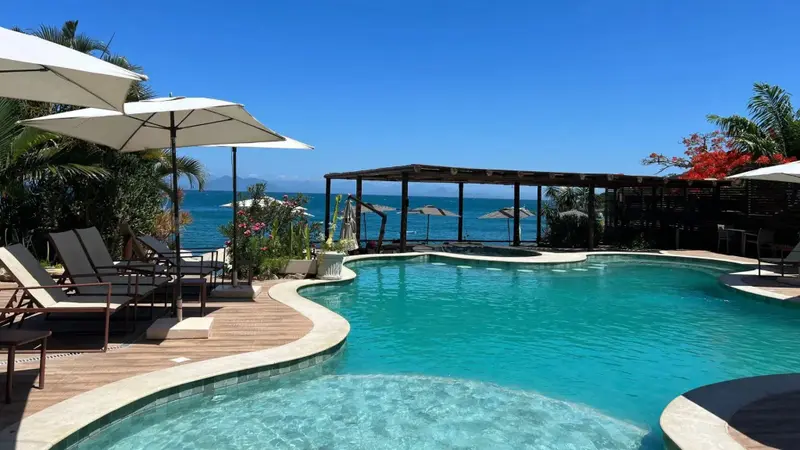
Hotels
When to go, and where by month
January, February, March, April, May and June all place Fernando de Noronha in season. The same is true in July, August, September, October, November and December, making the island the dependable year-round point in Brazil’s diving calendar. There is no opposing seasonal pattern here in which one Brazilian diving coast replaces another. Instead, the practical distinction is between an island whose season remains open throughout the year and mainland or offshore sectors where boat operation can be affected by an exposed coast. That is why a flexible day matters more than trying to chase a national “best month”. Carnaval in February can also change transport flows and accommodation availability, while national holidays in April, September, October and November can complicate internal connections. Fernando de Noronha combines most naturally with another Nordeste stop; it is a poor fit for a rushed cross-country itinerary.
Marine life, coast by coast
Brazil’s wildlife story divides sharply by habitat. The marine side is concentrated in protected Atlantic settings such as Fernando de Noronha and Abrolhos, where the visit is structured around conservation rules rather than a free-ranging coastal circuit. Fortaleza adds an urban seaboard context, so it belongs to a different kind of itinerary. Inland, the Pantanal changes the subject completely: the Rota turística do Pantanal between Corumbá and Ladário is built around flooded plains and wildlife observation. Caimans, jaguars and birds appear in local craft motifs there, while pintado and pacu define the region’s freshwater food culture. Treating these environments as one wildlife promise would blur the reason to travel between them; the marine parks and the Pantanal offer distinct encounters shaped by their landscapes.
Getting between the areas
Internal flights are the sensible framework for linking Brazil’s diving and nature regions. Fortaleza connects into the national air network, while Fernando de Noronha is reached only by air from the mainland and works best alongside another Nordeste destination. Abrolhos requires a separate coastal logistics plan, with boats operated from access points connected through Salvador or Porto Seguro rather than a casual island transfer. Mato Grosso do Sul is another change of scale: fly towards Campo Grande or Corumbá, then continue by road to the Pantanal. Bus travel is useful regionally but can consume a full day between distant states, and long-distance trains are uncommon. Car hire helps around Fortaleza and parts of Mato Grosso do Sul, but authorised boats remain central at protected marine sites. A two-week trip can pair one coastal base with the Pantanal; forcing Fortaleza and Mato Grosso do Sul together by bus leaves little time on location.
Take off your mask
Brazil’s land-based appeal changes with the region. In Fortaleza, the Centro Dragão do Mar de Arte e Cultura, Theatro José de Alencar and Catedral Metropolitana de Fortaleza give the city a substantial cultural day, while Mercado Central de Fortaleza is the place for Ceará handicrafts, hamacs, castanhas and rapadura. Bahia brings acarajé, vatapá and moqueca baiana, usually encountered through markets, street stalls and local restaurants. Further south, feijoada belongs particularly to Rio de Janeiro and São Paulo, pão de queijo to Minas Gerais, and churrasco to Rio Grande do Sul. In Mato Grosso do Sul, pousadas and tourist farms serve freshwater dishes such as mojica de pintado and rustic food including vaca atolada. A caipirinha is found nationally; chimarrão marks the South, while café coado is part of everyday life across the country. Festivals matter to practical planning: Carnaval, Nossa Senhora Aparecida and Proclamação da República can bring closures, ceremonies and heavier transport demand.
What holds true everywhere here
Brazil’s protected marine areas make buoyancy discipline a particularly visible part of the national diving culture: fin contact, substrate disturbance and touching organisms are treated seriously around reef environments. Repetitive offshore boat days also give nitrox a practical role, especially where several dives are planned rather than one short shore dive. Keep a weather margin in the itinerary, since an exposed coast can determine whether boats operate on the intended day. Ask whether the departure uses a nearby coastal embarkation or a longer road transfer; the answer changes the shape of the day. These details matter even more when an island, a marine park and an inland transfer are being combined in one expensive holiday.
Frequently asked questions about Brazil
When should you visit Brazil for a Fernando de Noronha diving trip?
Fernando de Noronha is presented as a destination for every month, making it suitable when you want to plan around your wider Brazil itinerary. You can combine its volcanic Atlantic setting with other protected marine destinations, an urban seaboard stop in Fortaleza, or inland wildlife routes in the Pantanal.
What kind of diving setting should you choose in Brazil?
Choose Brazil according to the environment you want to explore. Fernando de Noronha and Abrolhos offer protected Atlantic marine settings shaped by conservation rules. Fortaleza provides an urban seaboard context, while the Pantanal is an inland, flooded landscape focused on wildlife observation rather than marine diving.
What can you see while exploring Brazil’s marine and inland wildlife destinations?
Around Fernando de Noronha and Abrolhos, you explore protected Atlantic marine environments. Inland, the Pantanal around Corumbá and Ladário brings flooded plains and wildlife observation, with caimans, jaguars and birds reflected in local craft motifs. These settings offer distinct encounters shaped by their different landscapes.
How should you plan a Brazil stay that combines diving with inland wildlife?
Plan your stay around separate environments rather than treating Brazil as one continuous wildlife experience. Base marine activities around protected destinations such as Fernando de Noronha or Abrolhos, consider Fortaleza for an urban seaboard setting, and use Pantanal routes around Corumbá and Ladário for flooded-plain wildlife observation.