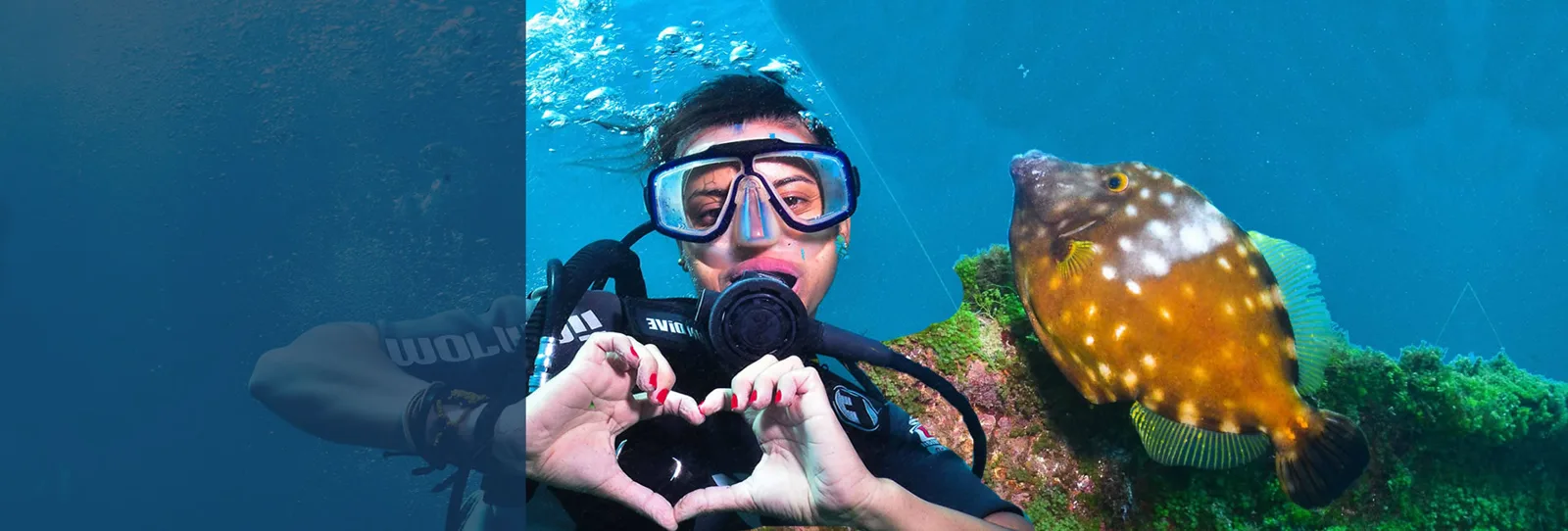
Sea Paradise
Google 4.9/5 (309 reviews)
Brazil · Americas
Volcanic walls, lava canyons, eagle rays and sharks shape boat dives from shallow turtle sites to exposed pinnacles descending beyond recreational depths.
For subtitles in English: start the video firstthen click the gearat the top right of the video, select “Subtitles/CC”, then “Auto-translate” and choose “English”.
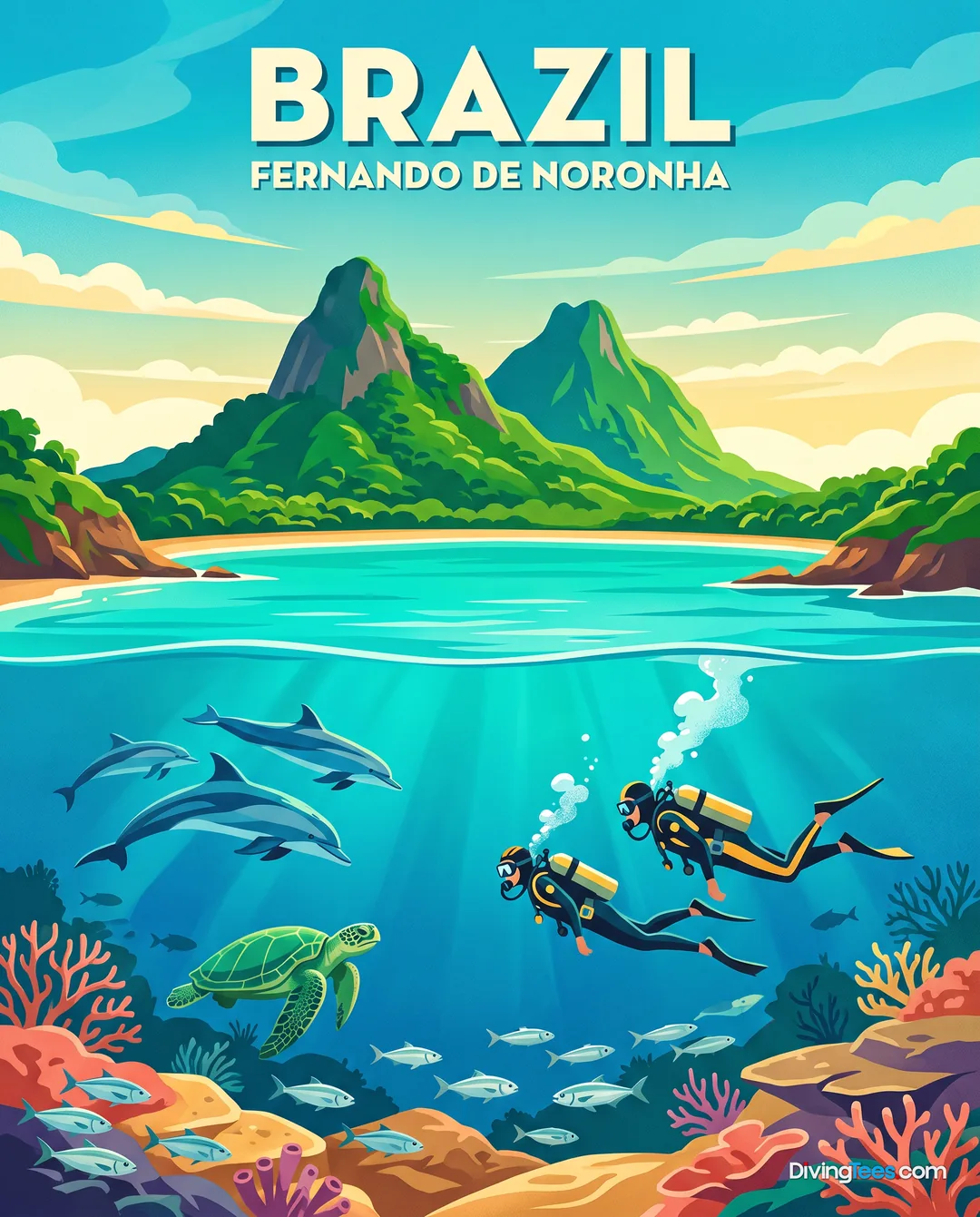
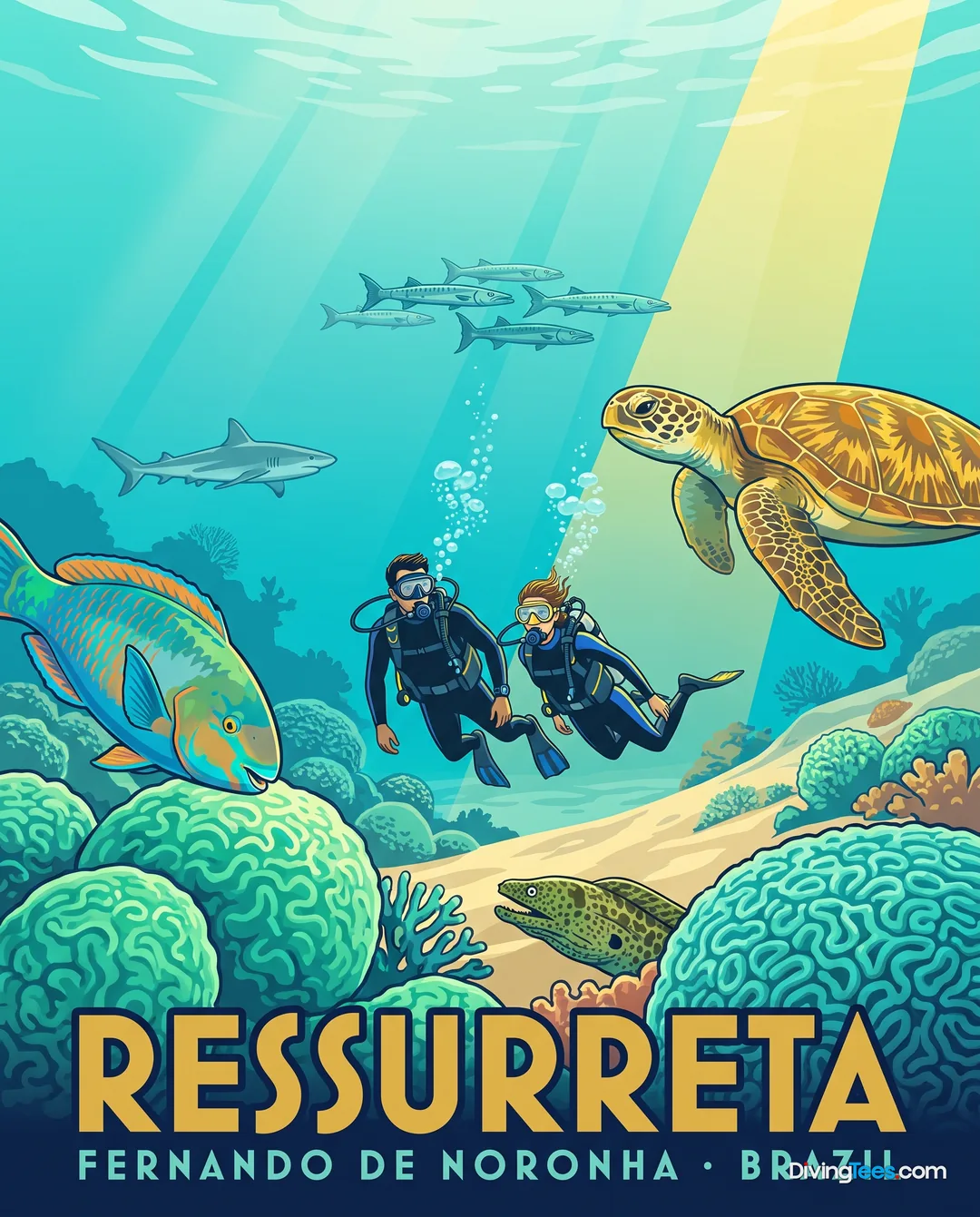
Fernando de Noronha is a boat-diving destination built around volcanic rock rather than a conventional shallow reef. Underwater ridges, pinnacles, walls, canyons and lava passages give the diving its character, with profiles ranging from easy reef exploration at Ressurreta to exposed, deep-water sites such as Cabeço da Sapata. The reward is a mixture of large marine life and close terrain: turtles over sandy channels, eagle rays around sheltered rock, and sharks moving past the outer formations.
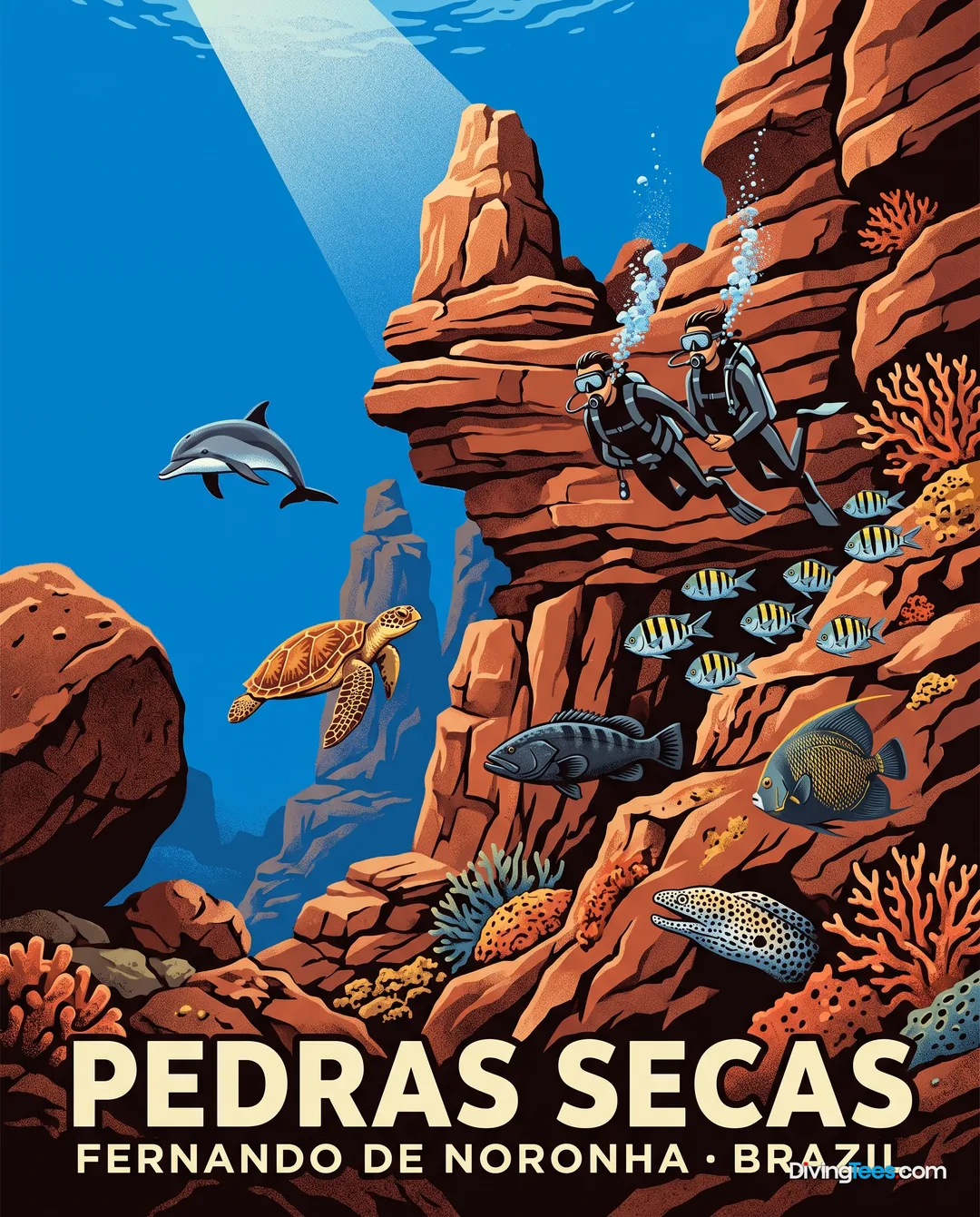
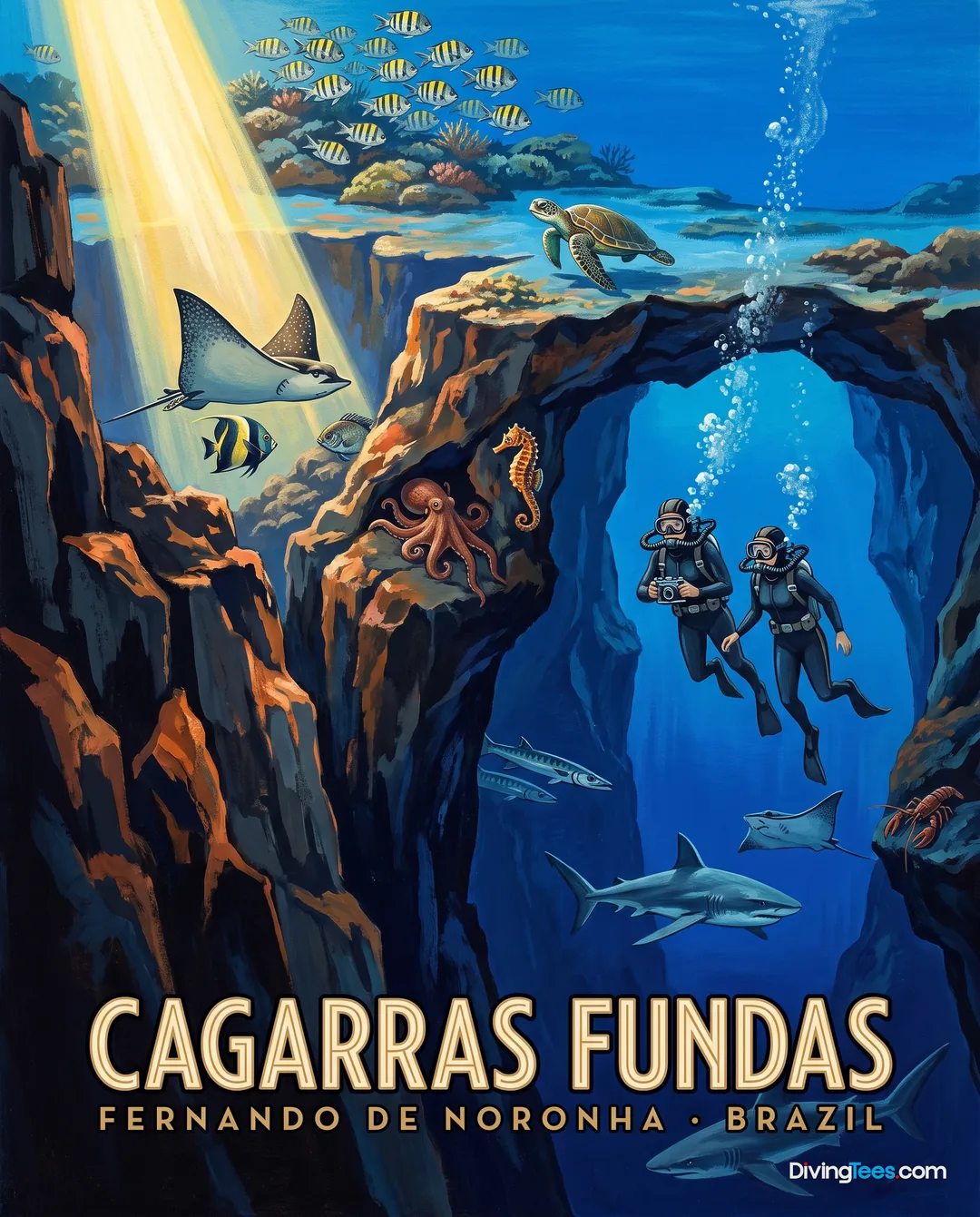
The underwater landscape is predominantly volcanic. At Pedras Secas, coral and lava formations create swim-throughs between roughly 8 and 25 metres, while Cagarras Fundas and Ponta de Macaxeira extend into deeper walls, cliffs and lava structures. Cabeço da Sapata reaches 43 metres and combines steep walls with a deep passage. Currents are the practical dividing line between the sites: Ressurreta is usually light, Ilha do Frade is relatively calm, and Trinta Réis can change with its exposed position. At the more serious sites, tidal movement and the shape of ridges funnel water strongly. Reported visibility is generally good, from about 25 metres at some sites to 50 metres at Ressurreta, but conditions remain site-specific. These are mainly boat dives, with profiles selected according to depth, exposure and current.
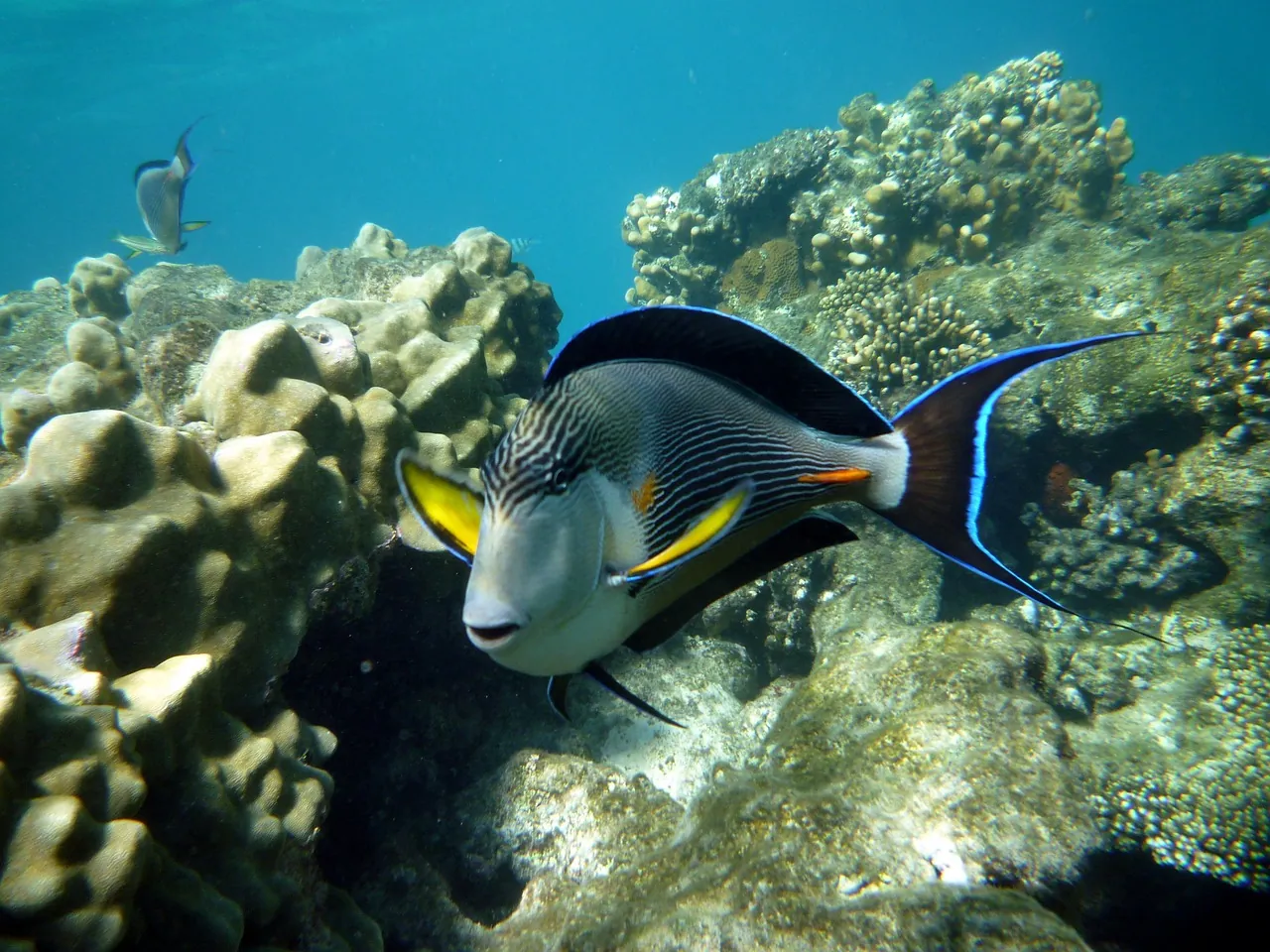
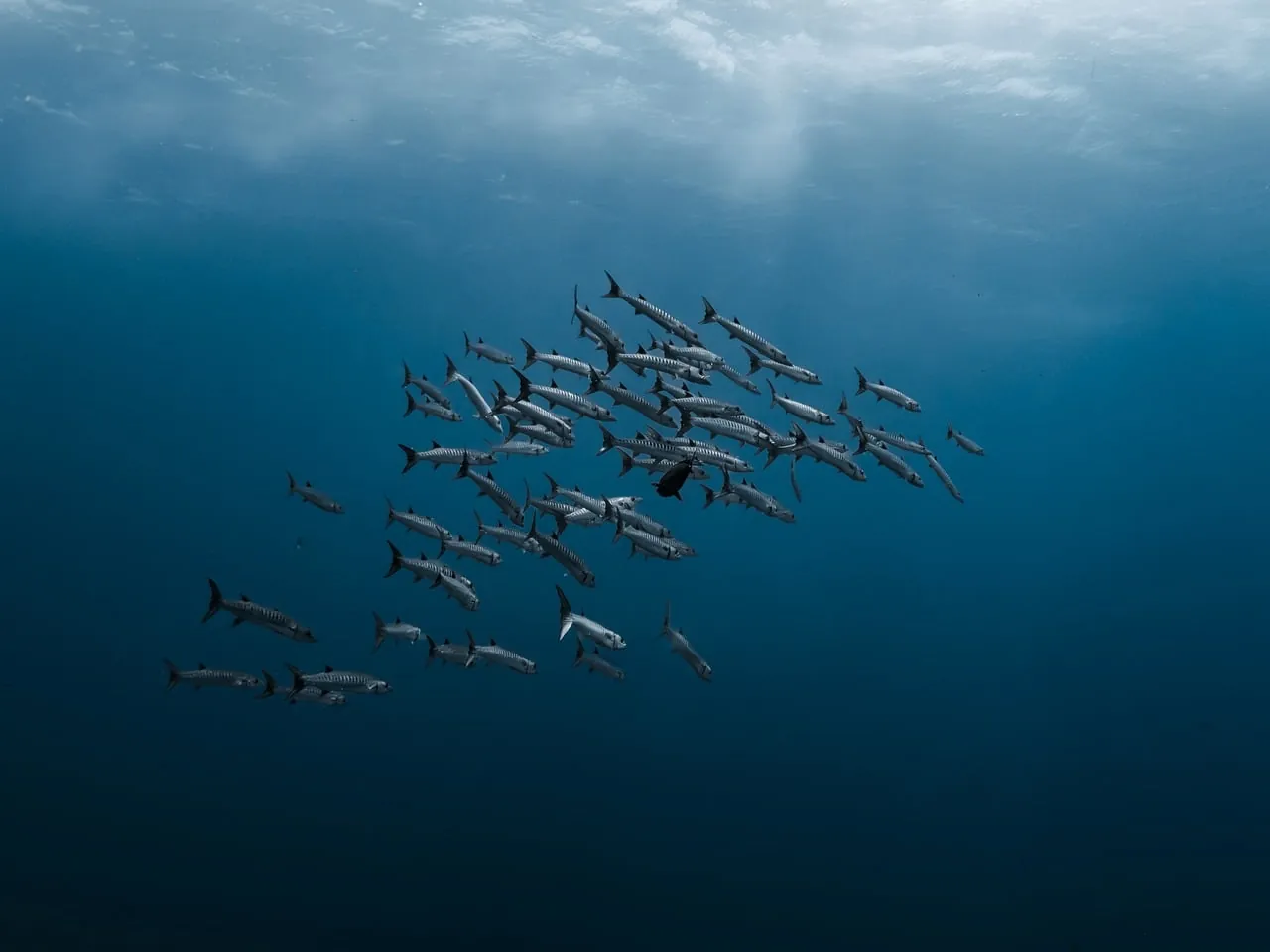
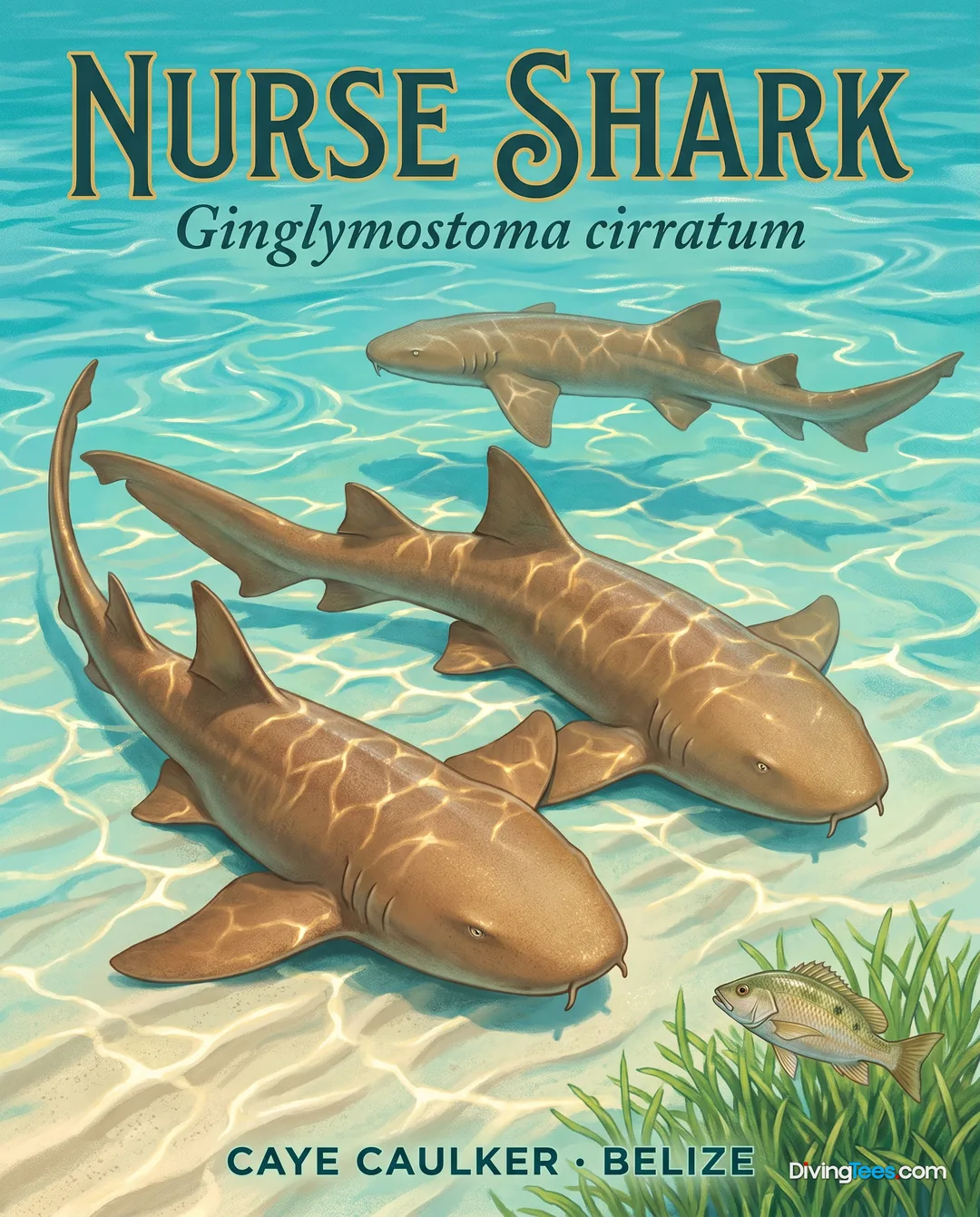
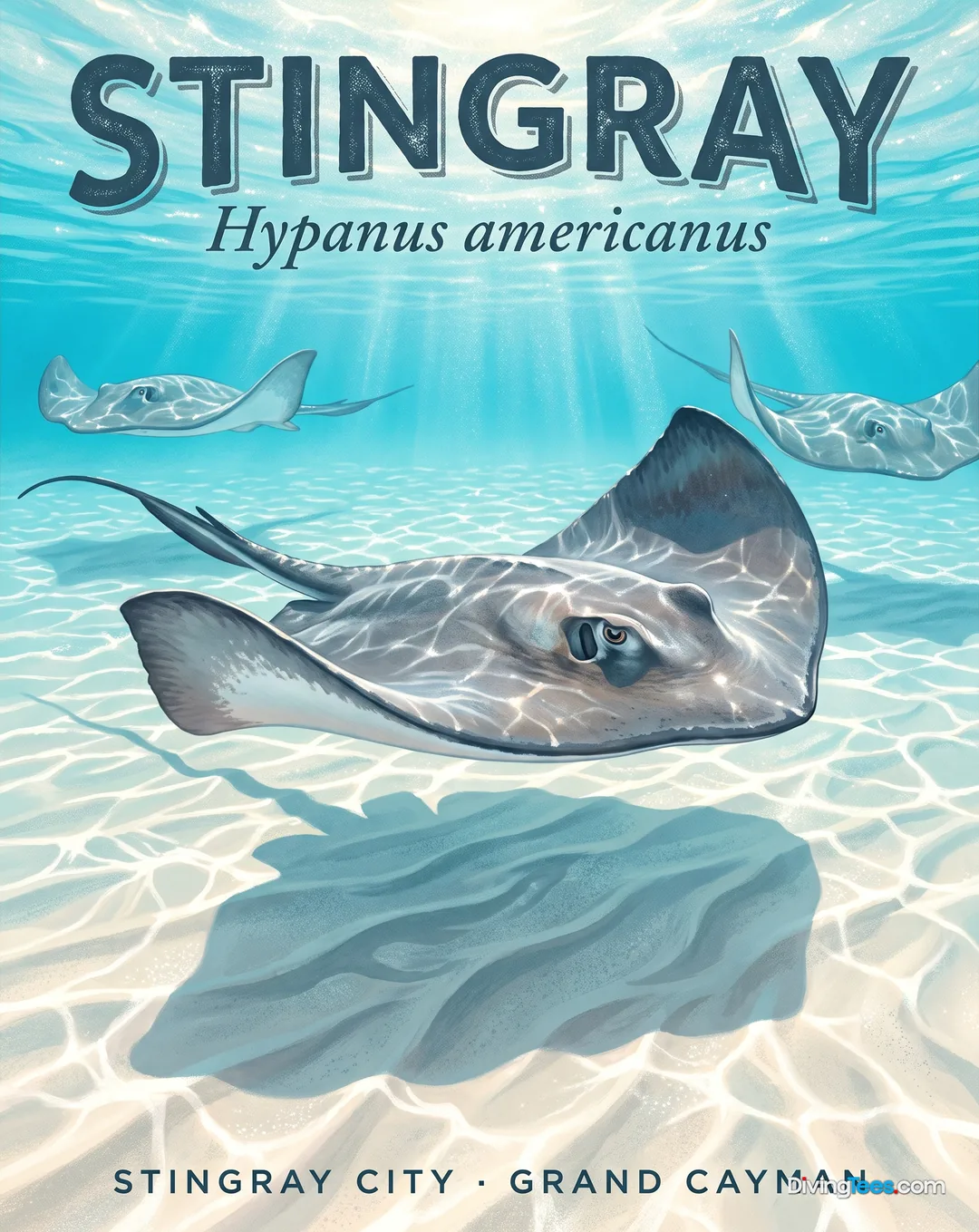
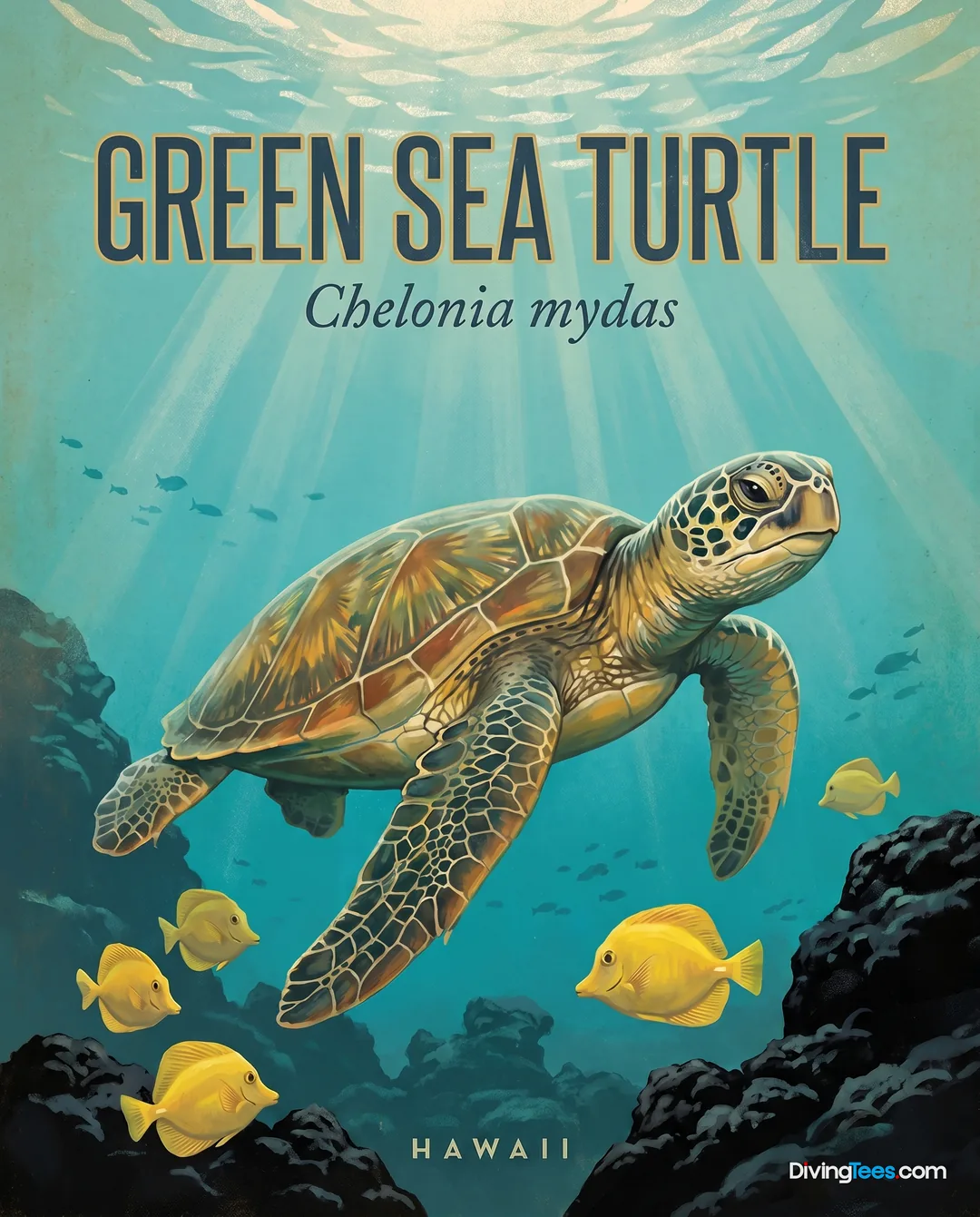
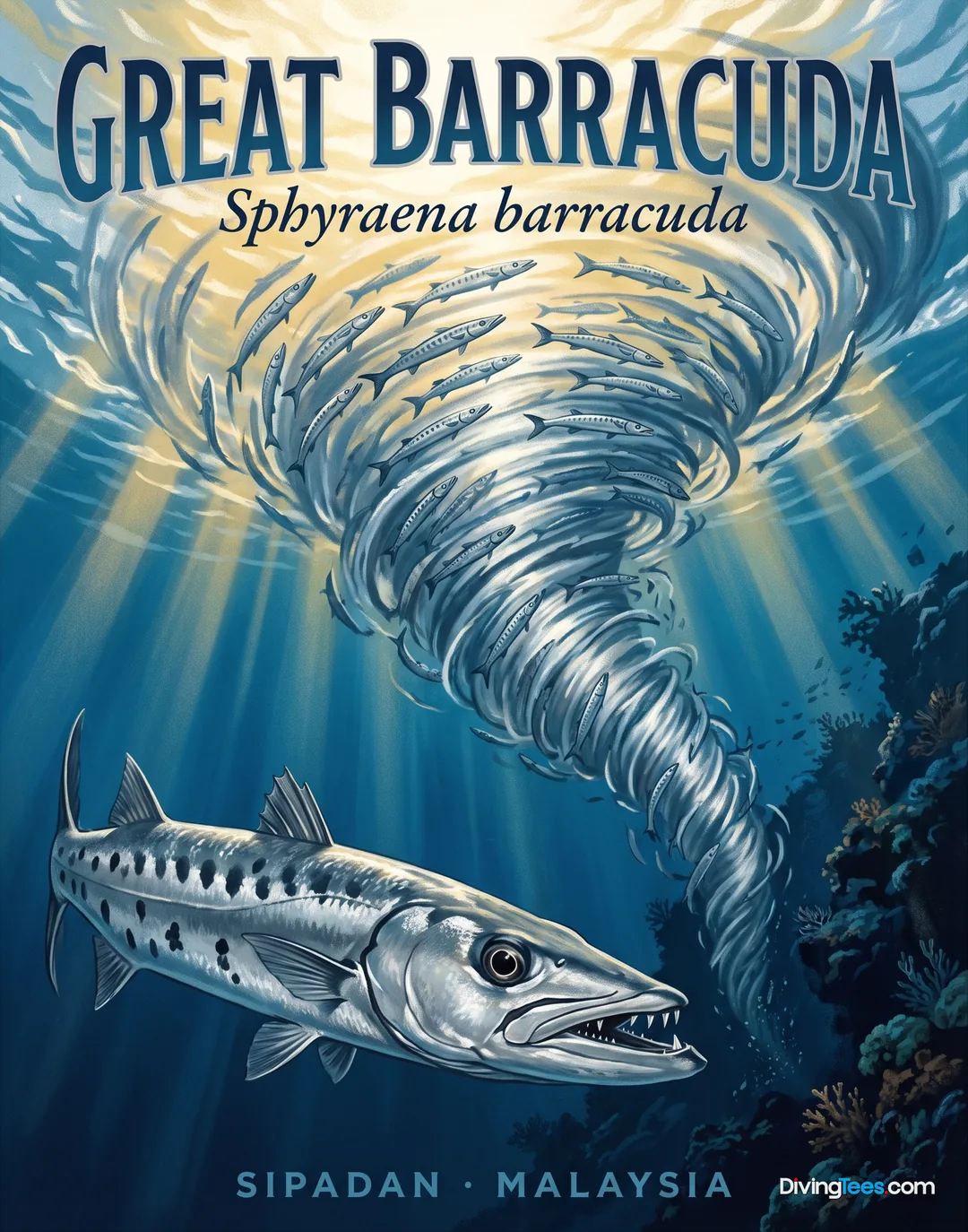
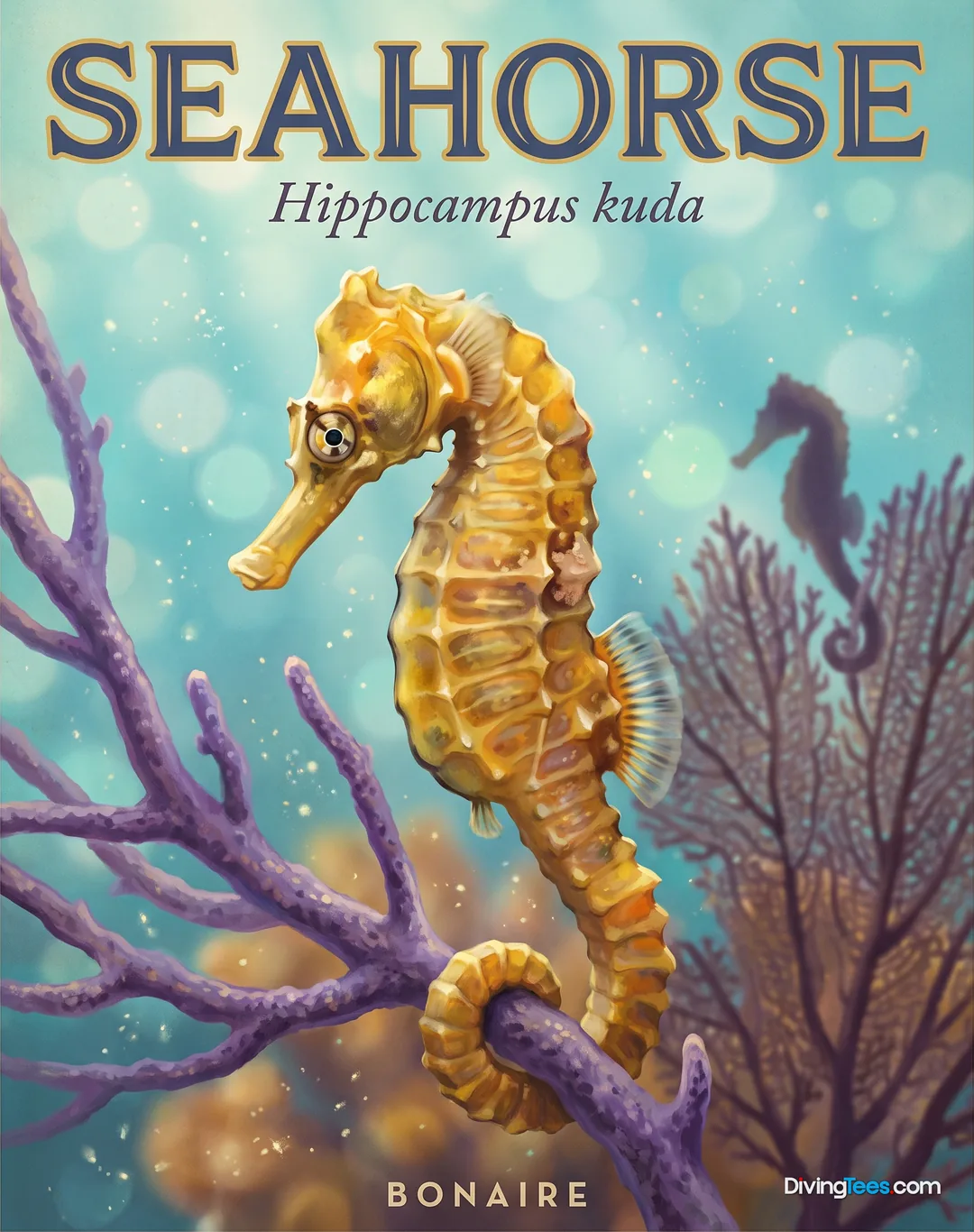
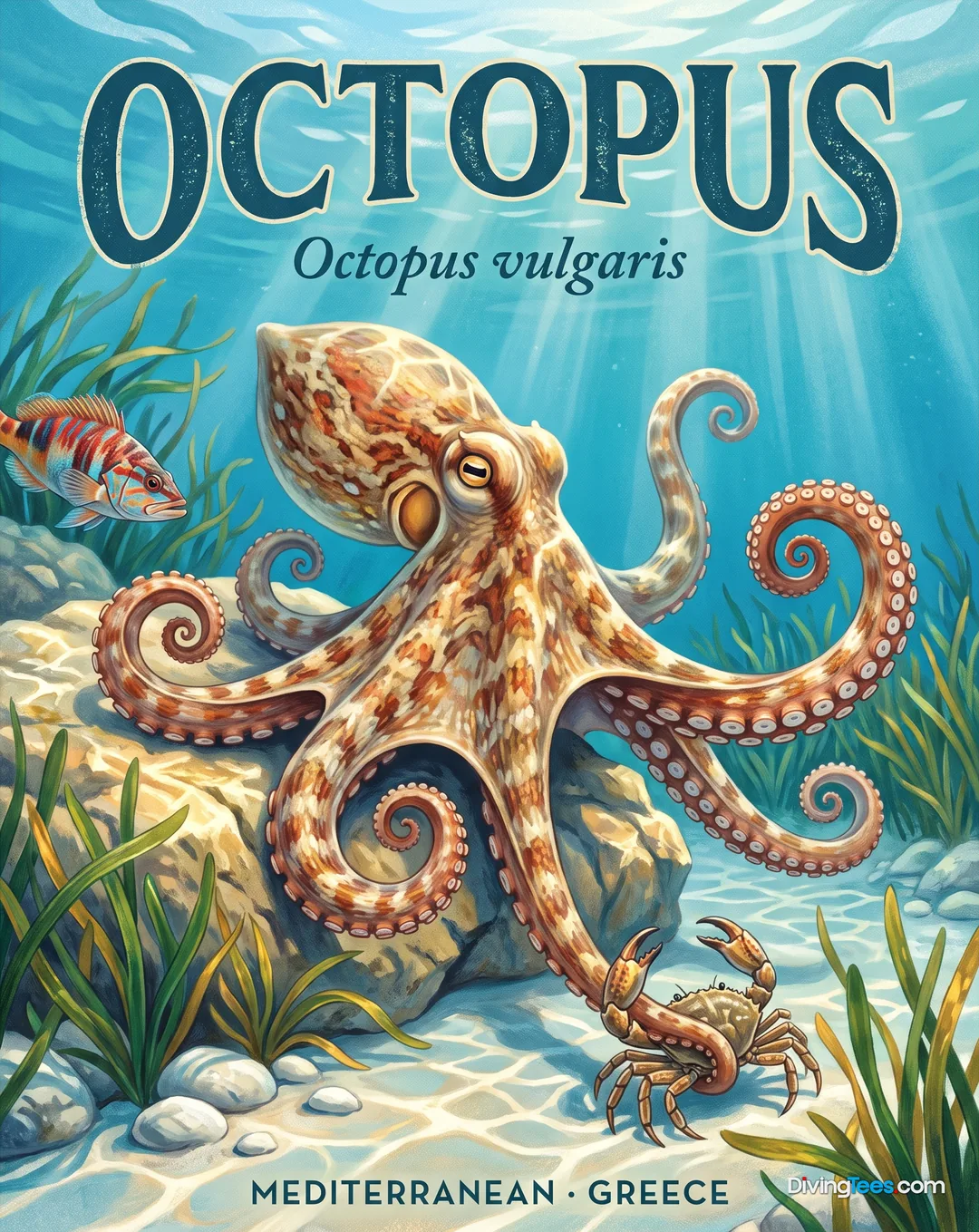
The larger encounters are part of the appeal. Eagle rays use the sheltered cave systems around Ilha da Viuvinha, while turtles and sharks are regular possibilities at Pedras Secas. Green sea turtles are particularly associated with Ilha do Frade, where volcanic pinnacles meet protected sandy channels. Reef sharks, nurse sharks, Southern stingrays, rays and great barracuda add interest around the exposed formations, alongside reef fish, sea chubs, French angelfish and moray eels. A coconut octopus or seahorse offers a different sort of reward on slower-looking reef. The supplied material does not establish a reliable calendar for individual species, so the sensible approach is to choose sites for their terrain and conditions rather than promise a particular animal on a particular month.
The measured lower-rainfall period runs from June to January. That makes it the more straightforward window for combining boat diving with time ashore, since fewer wet-weather interruptions are expected. The site information also identifies March and November to December as favourable periods for warm water and clear visibility at Ilha do Frade. Visibility is already reported as good across several sites, but the calmest or clearest option depends on exposure, tide and the planned site. Travellers seeking the strongest mix of dependable weather and diving flexibility should therefore look first at June to January, while accepting that individual boat conditions still govern the day.
This coast is exposed to sargassum strandings, whose intensity varies greatly from year to year.
There is diving here for a range of abilities, but not every site suits a newly qualified diver. Ressurreta, Ilha do Frade and Trinta Réis are within Open Water territory for divers comfortable with boat diving and changing current. Pedras Secas is manageable for Open Water divers with suitable experience, although swim-throughs and moderate current reward sound judgement. Advanced Open Water, BSAC Advanced Diver or equivalent experience becomes appropriate for Ponta de Macaxeira, Cagarras Fundas, Cordilheiras and Cabeço da Sapata, where depth, exposure or strong current are central to the dive.
Travellers starting from London Heathrow, London Gatwick or Manchester need to plan around reaching Fernando de Noronha in time for the boat-diving programme; the supplied material gives no reliable journey duration or connection pattern, so an over-tight itinerary is unwise. The important local constraint is that the named offshore sites are reached by boat from the island, not treated as casual shore-diving stops. Before setting out, the planned site, maximum depth and current exposure should be confirmed, particularly for Ilha da Viuvinha, where profiles vary, and for the deeper sites. Once on Fernando de Noronha, the diving logistics revolve around meeting the boat departure rather than travelling between widely separated mainland locations.
Treat Fernando de Noronha as a destination where the site choice matters more than simply collecting dives. Keep the gentler Ressurreta profile in mind for a second dive or a day when the sea is less cooperative, and use Ilha do Frade when calm water and green sea turtles are the priority. Do not let a good visibility report disguise current: Cabeço da Sapata, Cordilheiras and Ponta de Macaxeira demand comfort with exposed walls, depth and moving water. At Trinta Réis, allow for a choppy surface even when the underwater plan looks straightforward. Pedras Secas is not just a scenic pinnacle; its swim-throughs and moderate current deserve controlled buoyancy. For Cagarras Fundas, check the intended maximum depth before boarding, since the lava cliffs and cavities take the dive well beyond a casual reef profile. Ilha da Viuvinha is best approached with current experience and a clear briefing on the day’s route. Build flexibility into the schedule rather than assuming every named site will be suitable in every sea state.
A well-balanced stay alternates the deeper, current-affected boat dives with shallower volcanic reefs. Ressurreta and Ilha do Frade provide useful lower-stress profiles, while Pedras Secas adds swim-throughs and more varied terrain. The exposed sites should be fitted around the day’s conditions and the diver’s depth and current experience, rather than treated as automatic additions. Leave room for surface time and non-diving days, especially when several demanding boat dives are planned.
Hello, I'm Marina, DivingDeal.com's AI assistant. I guide you through destinations, areas and countries.
Thinking about the whole trip and the flights? Talk it over with Edith →
Marina is an AI. Some links are affiliate links: DivingDeal may earn a commission, at no extra cost to you. Bookings are made with the partner.
Your last day stays dry: no diving in the 18-24 hours before a flight, the perfect window to see the destination from another angle.
 City
City⏱ 8 h · ★ 5.0 (18 reviews)
from £244$326€291
see on Viator ↗
 Culture
⏱ 7 h · ★ 4.3 (16 reviews)
from £88$118€105
see on Viator ↗
 Nature
⏱ 3 h · ★ 5.0 (1 reviews)
from £76$102€91
see on Viator ↗
 Nature
⏱ 3 h · ★ 5.0 (1 reviews)
from £65$86€77
see on Viator ↗
Ratings and reviews collected by Viator and Tripadvisor.
June to January is the lower-rainfall period, making it easier to combine boat diving with time ashore and reducing expected wet-weather interruptions. March and November to December are identified as favourable for warm water and clear visibility at Ilha do Frade, although exposure, tide and daily boat conditions still influence the experience.
Fernando de Noronha offers dives for different abilities. Open Water divers comfortable with boats and changing current can consider Ressurreta, Ilha do Frade and Trinta Réis. Pedras Secas suits Open Water divers with appropriate experience. Advanced training or equivalent experience is appropriate for deeper, exposed or current-affected sites such as Cagarras Fundas, Cordilheiras and Cabeço da Sapata.
You can explore volcanic ridges, pinnacles, walls, canyons, lava passages and swim-throughs while looking for turtles, sharks, eagle rays, rays and great barracuda. Green sea turtles are associated with Ilha do Frade, eagle rays with Ilha da Viuvinha, and reef fish, moray eels, seahorses and coconut octopuses add variety.
Plan around boat departures, since the named offshore sites are reached from the island rather than treated as casual shore dives. Confirm the planned site, maximum depth and current exposure before boarding. Balance demanding dives with Ressurreta or Ilha do Frade, and keep flexibility for changing sea conditions, surface time and non-diving days.