Abrolhos · Brazil · Americas
Max. depth · 6 mCaldeiros, Abrolhos: Volcanic Caves and Currents
Explore Caldeiros, a shallow volcanic reef in Abrolhos where currents sculpt the underwater terrain and guide you through cave-like passages.
What makes this site special
- Shallow volcanic caves and rock formations.
- Variable currents sculpting the dive experience.
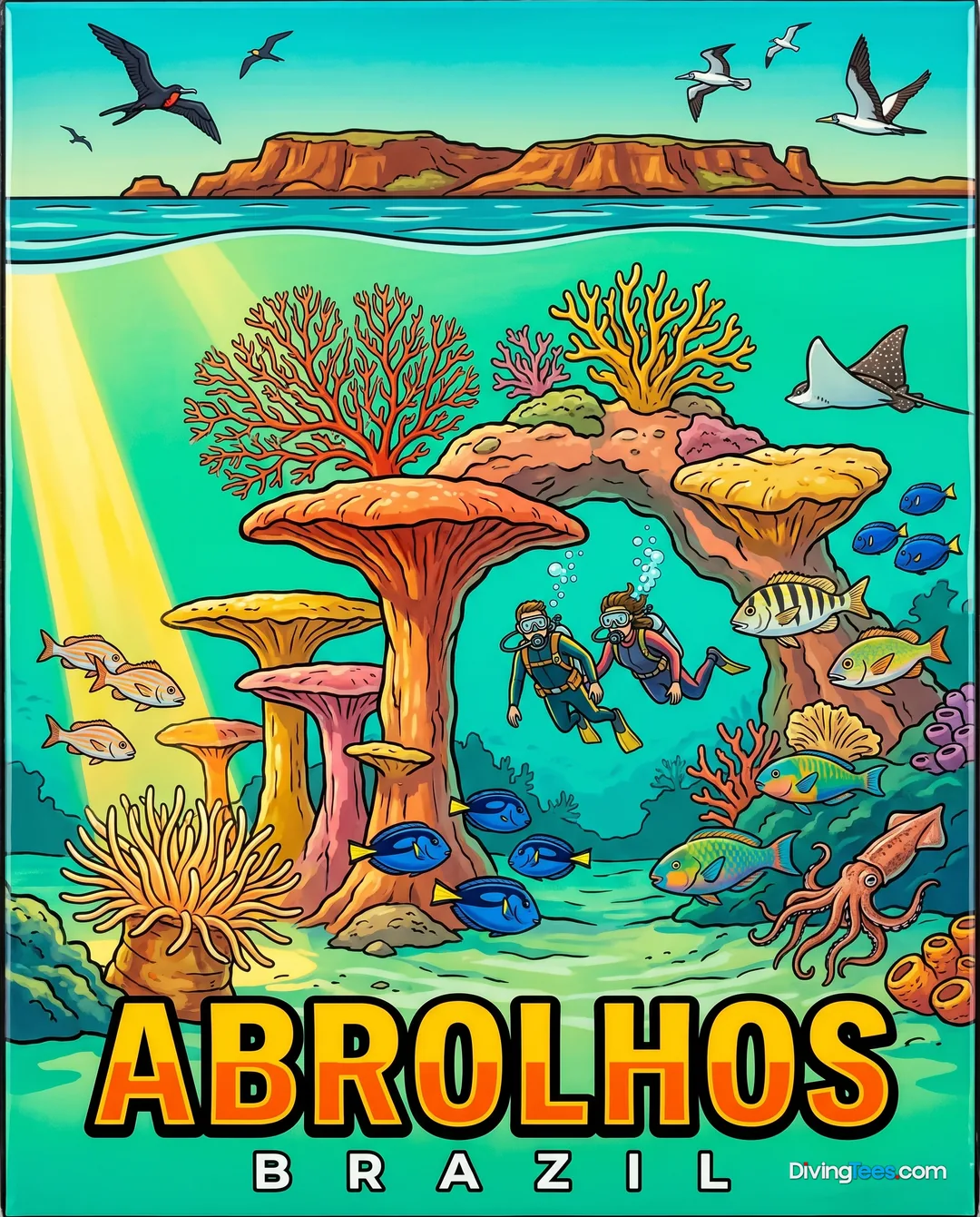
- Gorgonian elephant ear coral and giant anemones.
- Frequent sightings of spotted eagle rays (Aetobatus narinari).
- Porkfish, blue tang, and grunt schools.
- Exploring cave-like passages at 6 meters.
Caldeiros about the site
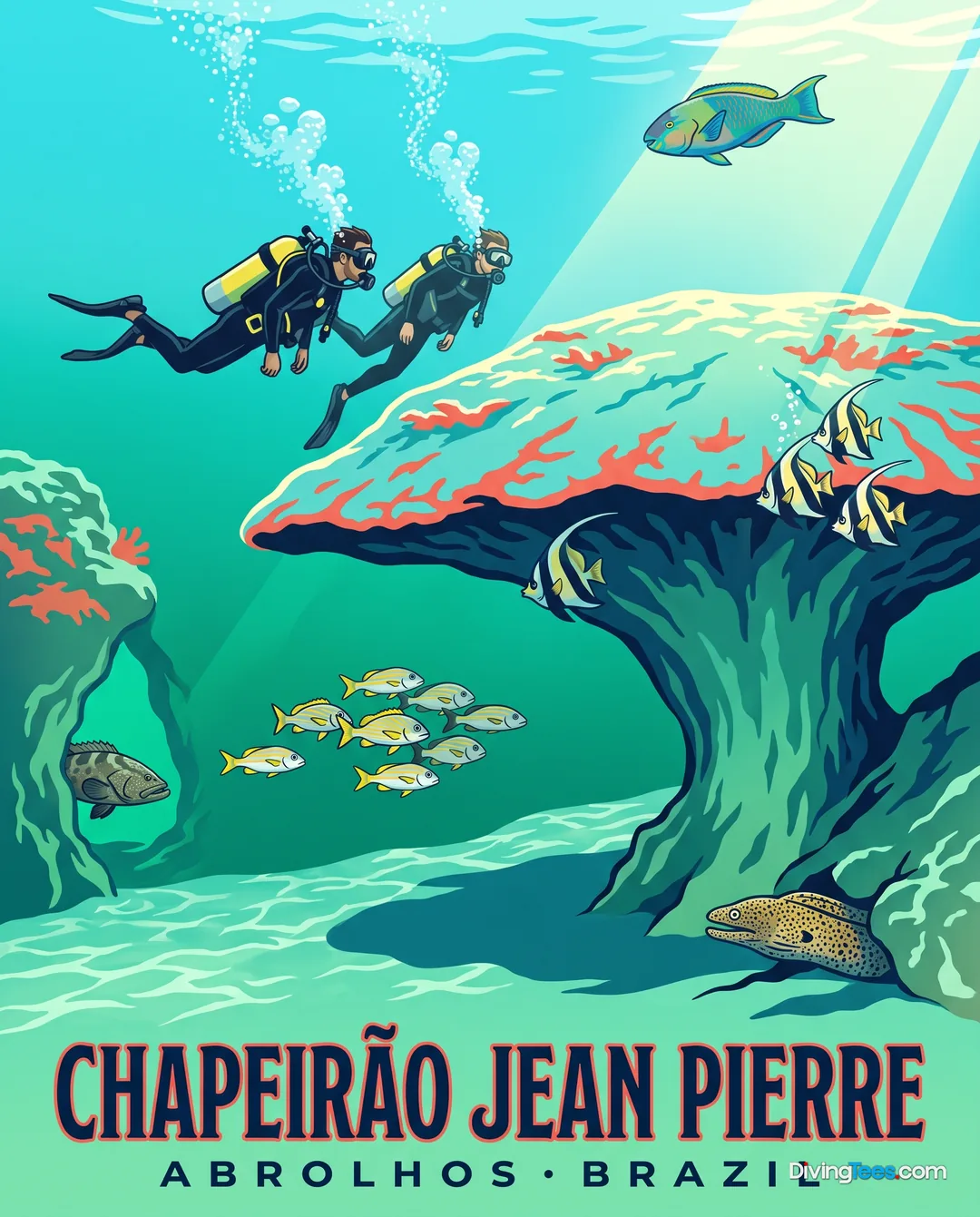
Caldeiros, also known as Caldeirões, stands apart from the typical coral pinnacles of Abrolhos, presenting a shallow volcanic reef system shaped by ocean currents. The topography here is less about extensive coral formations and more about rocky shorelines and reef structures, hinting at ancient lava flows now sculpted into intricate underwater landscapes. You'll find yourself navigating a series of cave-like passages and overhangs, creating a dynamic environment that feels more like an exploration than a simple reef dive.
The dive profile at Caldeiros is defined by its shallow depth, with the seabed reaching a maximum of 6 meters. This makes for extended bottom times, allowing you to thoroughly explore the nooks and crannies of the volcanic terrain. Descent is typically straightforward from a moored boat, leading you directly into the current-swept areas that characterize the site. The interaction between the water movement and the rocky structures dictates how you approach and experience each section of the site, often making it feel like a drift through an underwater maze.
Current is an integral part of the Caldeiros experience, a constant force that has carved out the site's unique features. It’s variable, shifting with local conditions, but it’s rarely absent entirely, making this a site where you need to be aware of your position relative to the rocks. This movement of water brings in nutrients, supporting the diverse invertebrate life. The volcanic caves and drift currents are not just a challenge; they are what create the habitat for the local species, offering both shelter and feeding grounds.
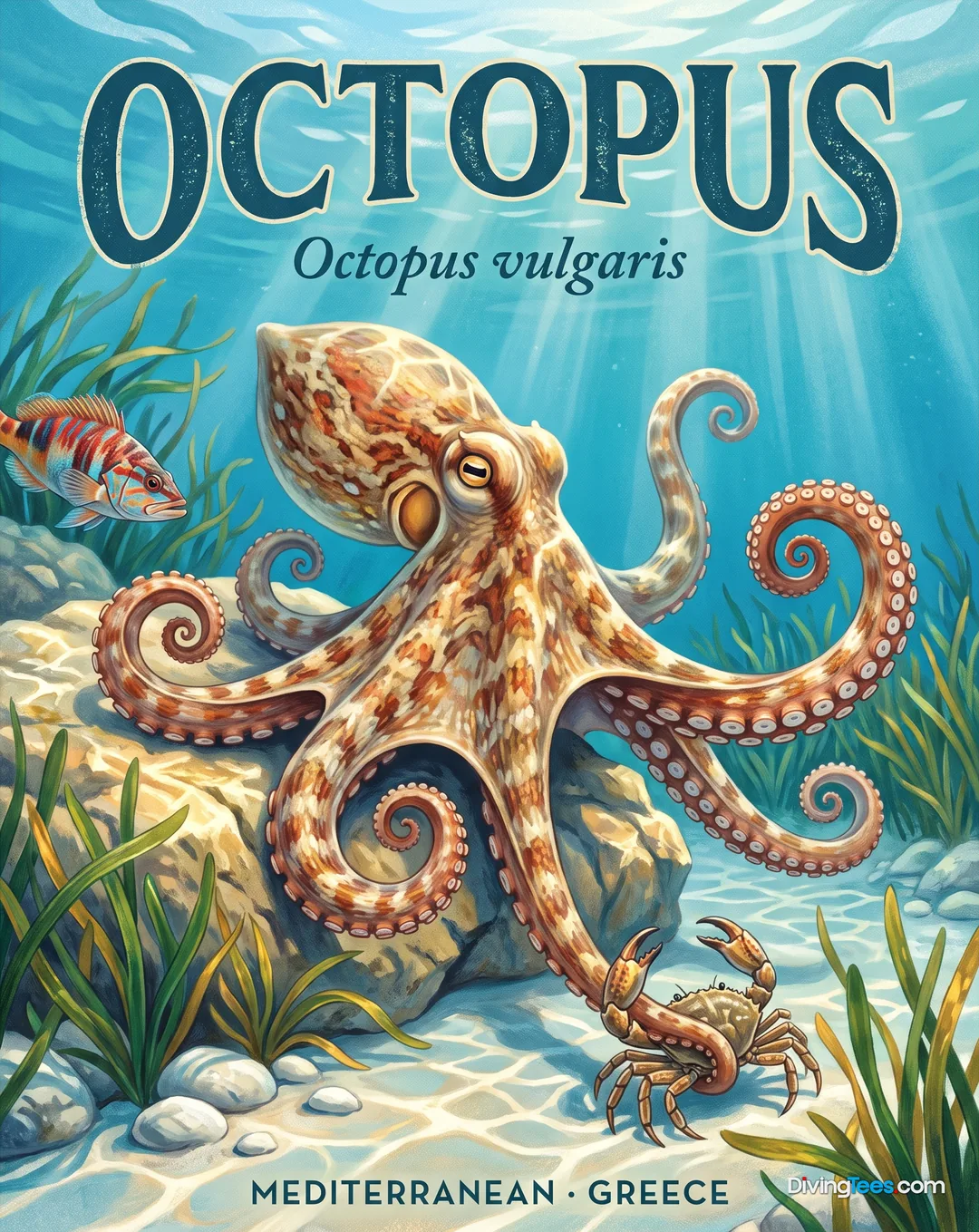
Despite its relatively shallow depth, Caldeiros supports a surprising range of marine life. You can observe gorgonian elephant ear coral clinging to the rocks, alongside giant anemones. Schools of porkfish, blue tang, and various grunt species are common, navigating the currents and seeking refuge in the rocky formations. Keep an eye out for parrotfish grazing on algae, and if you’re attentive, you might spot an octopus camouflaged against the volcanic rock or a squid moving through the open water. Spotted eagle rays (Aetobatus narinari) are also known to frequent the area, gliding effortlessly through the moving water.
The interaction of light and the underwater terrain defines the visual experience at Caldeiros. Sunlight filters through the shallow water, illuminating the volcanic structures and highlighting the vibrant colours of the marine life. As you move through the cave-like passages, the light changes, creating interesting contrasts and shadows that add to the exploratory feel of the dive. This interplay of light, current, and geology creates a distinct atmosphere that sets Caldeiros apart from other Abrolhos dive sites, which are often characterized by deeper coral pinnacles.
Diving Caldeiros: the marine life you’ll meet
Diving conditions
Caldeiros is a shallow dive, with depths ranging from 6 meters. Due to the variable and sometimes strong currents, this site requires an Advanced Open Water Diver certification or equivalent, coupled with comfort diving in currents and potentially confined spaces if exploring cave-like passages. Visibility at Caldeiros typically ranges from 12 to 25 meters, but conditions can fluctuate. The best time to dive here is generally between November and April, avoiding the lower visibility that can occur during the whale season from July through October.