
Che Wan Scuba Dive Centre
Google 5/5 (126 reviews)
Malaysia · Asia
Reef walls, barracuda, turtles and the prospect of whale sharks frame seasonal boat diving from Kuala Dungun to Pulau Tenggol.
For subtitles in English: start the video firstthen click the gearat the top right of the video, select “Subtitles/CC”, then “Auto-translate” and choose “English”.
Pulau Tenggol is the reason to come to Dungun. Kuala Dungun is the mainland launching point, not the place for a portfolio of shore dives: the underwater days unfold by boat around Tenggol and nearby islets. Reefs and drop-offs give the area its shape, while the seasonal setting keeps the trip focused. Stay on the island or use Dungun as your base, then build several boat days around the weather and the limited crossings.
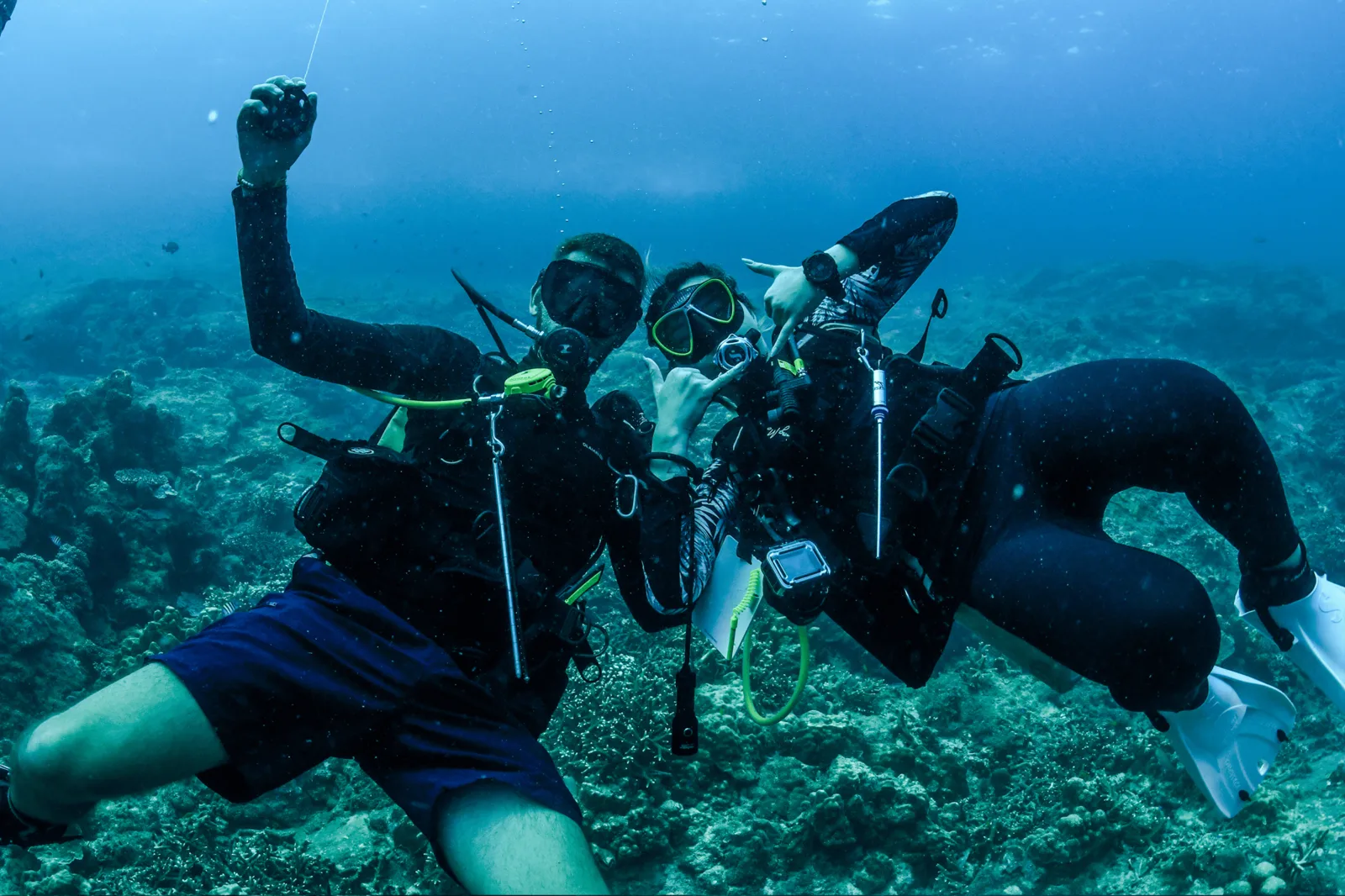
The underwater pattern is easy to picture: boat rides out to reefs, then dives along sloping reef faces and drop-offs around Pulau Tenggol and its neighbouring islets. Currents are variable, so the same site can feel straightforward one day and more demanding the next. This is not a shore-based routine where you set your own departure time. The boat dictates the outing, and conditions at the surface matter as much as the plan on the chart. Visibility is affected by swell and the monsoon, with October often regarded locally as the clearest part of the season. Expect a succession of boat dives rather than a single signature site, with routes selected for the conditions and for the divers aboard. Some areas suit newer divers, while current and sea state can make a reef or drop-off a more serious proposition.
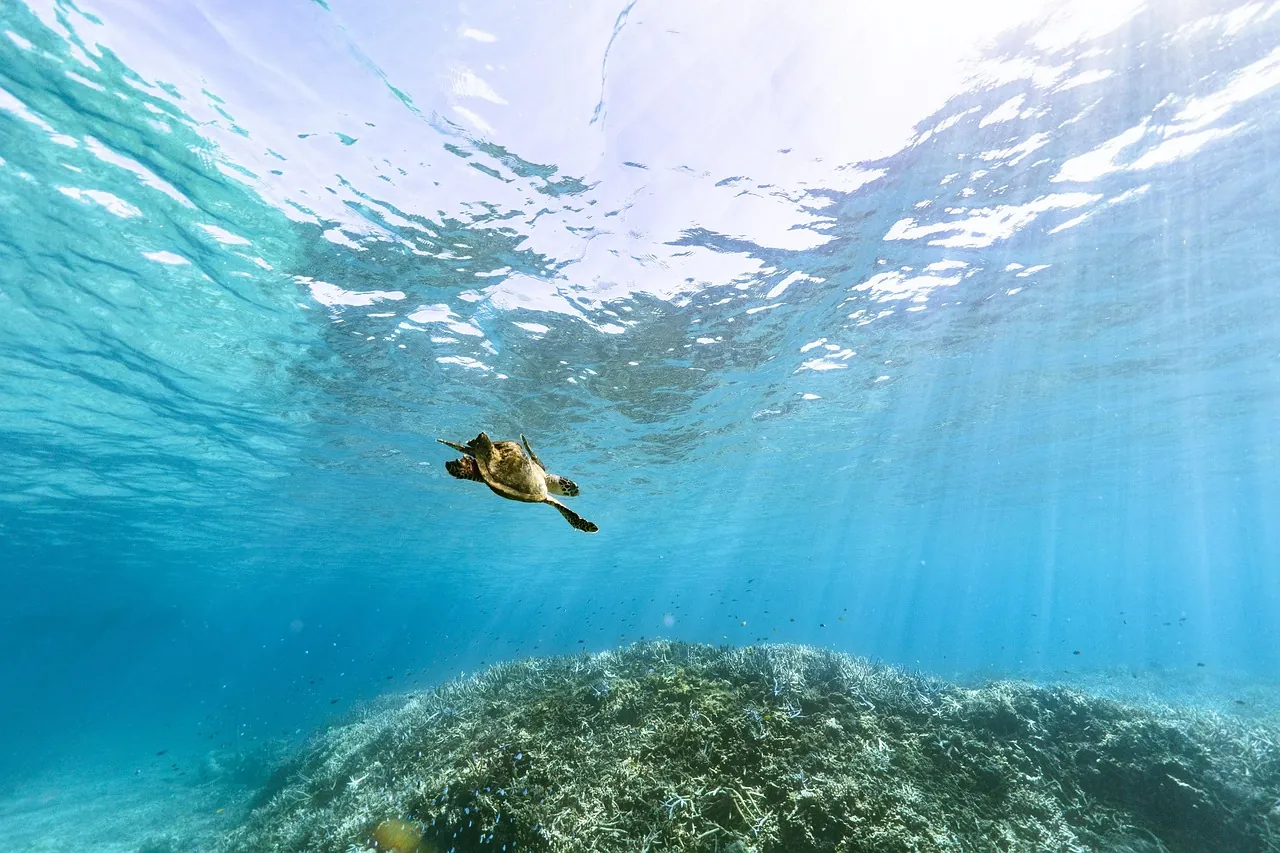
Turtles are one of the dependable reasons to look closely along the reefs, with encounters possible from March through October. Barracuda and bigeye trevally bring the larger-fish interest to the reef scene during the operating season, from March to October, and other trevallies add movement when the water opens out around a drop-off. Whale sharks are the seasonal possibility that shapes many travel plans, particularly from August to October. They remain an occasional encounter rather than a timetable, so the trip should still make sense without one. The appeal is the combination of reef structure and passing pelagic attention, not a promise of a particular animal on every dive.
Plan for the open season, broadly from March or April until October. The east-coast monsoon makes the sea rough from November to February, when island resorts and dive operations generally close, so this is not a year-round destination in practical terms. The southern sector is usually more favourable from March to June, while northern sites become more attractive towards the end of the season. August to October offers the chance of whale sharks, and October is often highlighted for visibility. June to August may bring the busiest boats, whereas the edges of the season can offer a quieter feel if conditions cooperate.
Tenggol can suit beginners as well as experienced divers, because operators offer training and dives for different levels. That does not make every reef or drop-off a beginner dive: variable currents and the day’s sea state decide how relaxed the water feels. BSAC, PADI and SSI divers should find the usual certification pathways represented through local operations. A computer is useful for repeated boat diving, and Nitrox is worth considering where available, particularly on a five-day or longer run of dives.
From London Heathrow, Gatwick or Manchester, the journey must ultimately reach Kuala Dungun. Travel overland from Kuala Lumpur, or use a domestic flight to Kuala Terengganu or Kerteh followed by a road transfer to Dungun. The final leg is not optional: from the Kuala Dungun harbour, a fast boat arranged through the island accommodation or dive operation takes roughly 35 to 45 minutes to Pulau Tenggol. There is no independent air link to Tenggol and no regular public ferry on which to improvise. Allow time for the road connection and keep the boat departure coordinated with the people organising the crossing. On the island, diving and accommodation are normally linked, so the boat transfer is part of the booking rather than a local journey to arrange casually.
Treat Kuala Dungun as an embarkation point, not as a fallback for shore diving. Confirm the boat arrangement before travelling, because departures are limited and a late arrival at the harbour can leave no practical way to reach Tenggol. Build in some flexibility around the crossing and keep a spare day in a five-to-seven-day stay for weather-related disruption. If whale sharks are the aim, travel between August and October, but regard them as an occasional bonus. For visibility, late season, especially October, is the sensible preference. Compare routes through Kuala Terengganu and Kerteh before booking the road transfer. On Tenggol, ask how the day’s conditions affect the southern or northern sector: the south generally suits March to June, while the north becomes more useful later in the season. Check whether Nitrox is available before relying on it for repeated dives.
Most visitors organise accommodation and diving together on Pulau Tenggol, with daily boat departures from the resort or dive operation. A five-to-seven-day stay gives several chances to get out on the water while leaving room for a rough-weather interruption. Staying around Dungun instead makes the mainland easier to explore, but it adds the transfer to Kuala Dungun and the organised boat crossing to every island diving plan. Non-divers have more to do on the mainland than on Tenggol itself, including the coast, markets and local food.
Hello, I'm Marina, DivingDeal.com's AI assistant. I guide you through destinations, areas and countries.
Thinking about the whole trip and the flights? Talk it over with Edith →
Marina is an AI. Some links are affiliate links: DivingDeal may earn a commission, at no extra cost to you. Bookings are made with the partner.
Visit Dungun during the open season, broadly from March or April through October, because the east-coast monsoon brings rough seas and closures from November to February. Turtles, barracuda and bigeye trevally are possible from March to October. Choose August to October for occasional whale sharks, with October often associated with clearer visibility.
Dungun can suit beginners and experienced divers, with local operators offering training and dives for different certification levels. However, variable currents and sea conditions can make some reef walls and drop-offs more demanding. Routes are selected according to conditions and the divers aboard, so a site that feels relaxed one day may require more experience another day.
Diving around Dungun focuses on Pulau Tenggol and nearby islets, where sloping reefs, walls and drop-offs shape the underwater scenery. You may encounter turtles from March to October, while barracuda and bigeye trevally move through the reefs during the operating season. Whale sharks are an occasional possibility from August to October, not a scheduled encounter.
Arrange accommodation and diving together on Pulau Tenggol, or stay in Dungun and coordinate the road transfer, harbour departure and fast boat crossing. Confirm the crossing before travelling because departures are limited. A five-to-seven-day stay allows several boat-diving days and room for weather disruption, while a spare day can help with rough conditions.