
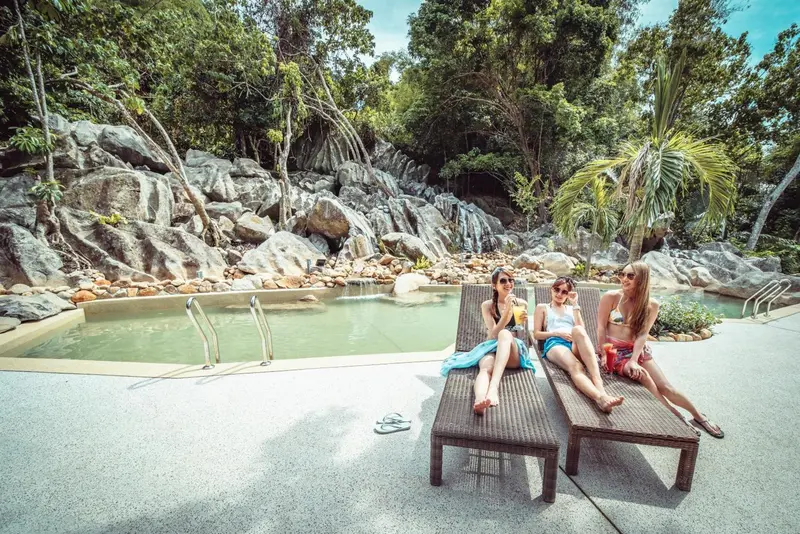
 Dive centre in the hotel
Aman Tioman Beach Resort
★★★★
Google 4.4/5 (837 reviews)
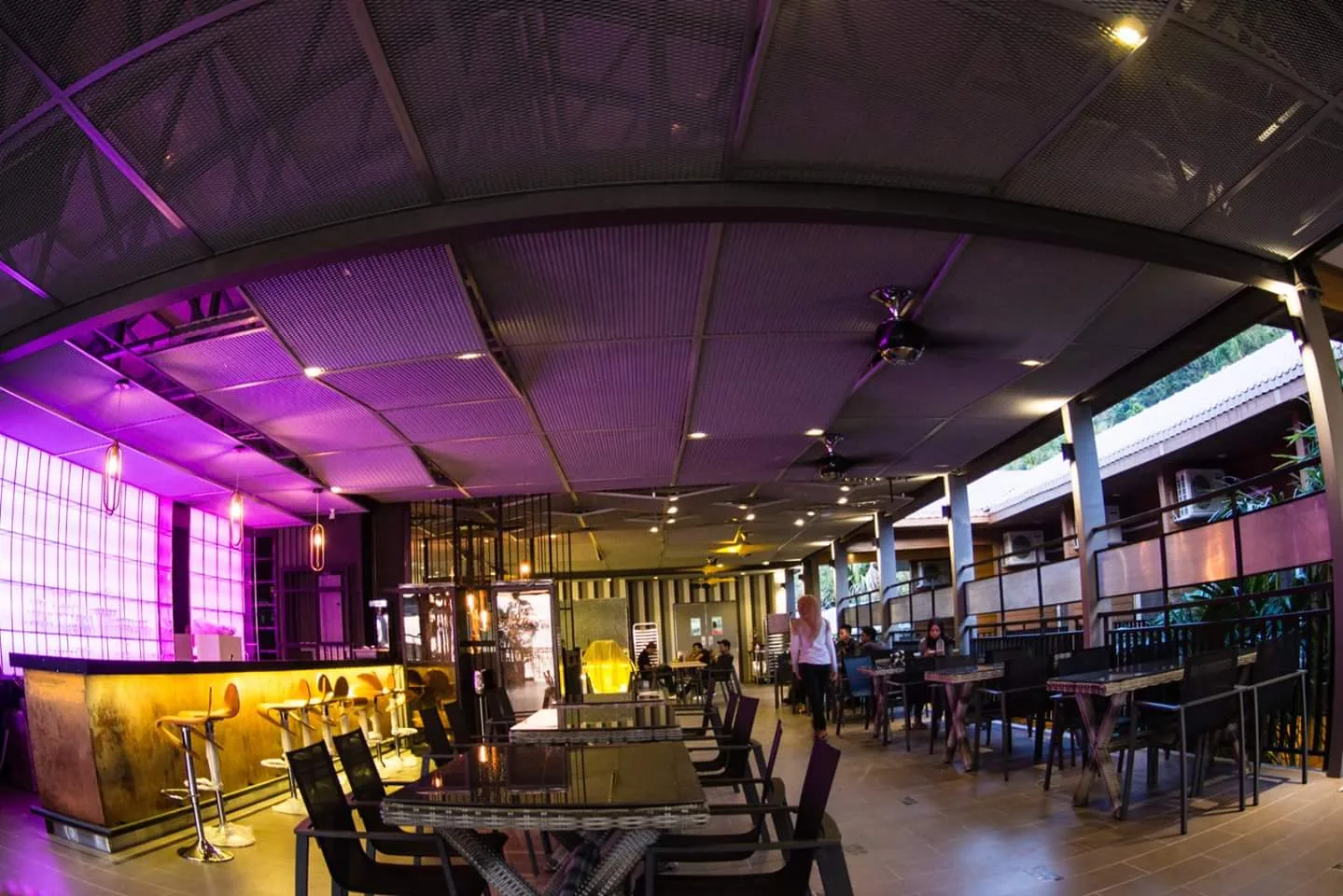
The dive centre
Aman Tioman Dive Centre
PADI
Google 4.9/5 (119 reviews)
Malaysia · Asia
Submerged pinnacles, blacktip reef sharks, turtle sightings and coral slopes make Tioman a practical island base for relaxed boat diving.
For subtitles in English: start the video firstthen click the gearat the top right of the video, select “Subtitles/CC”, then “Auto-translate” and choose “English”.
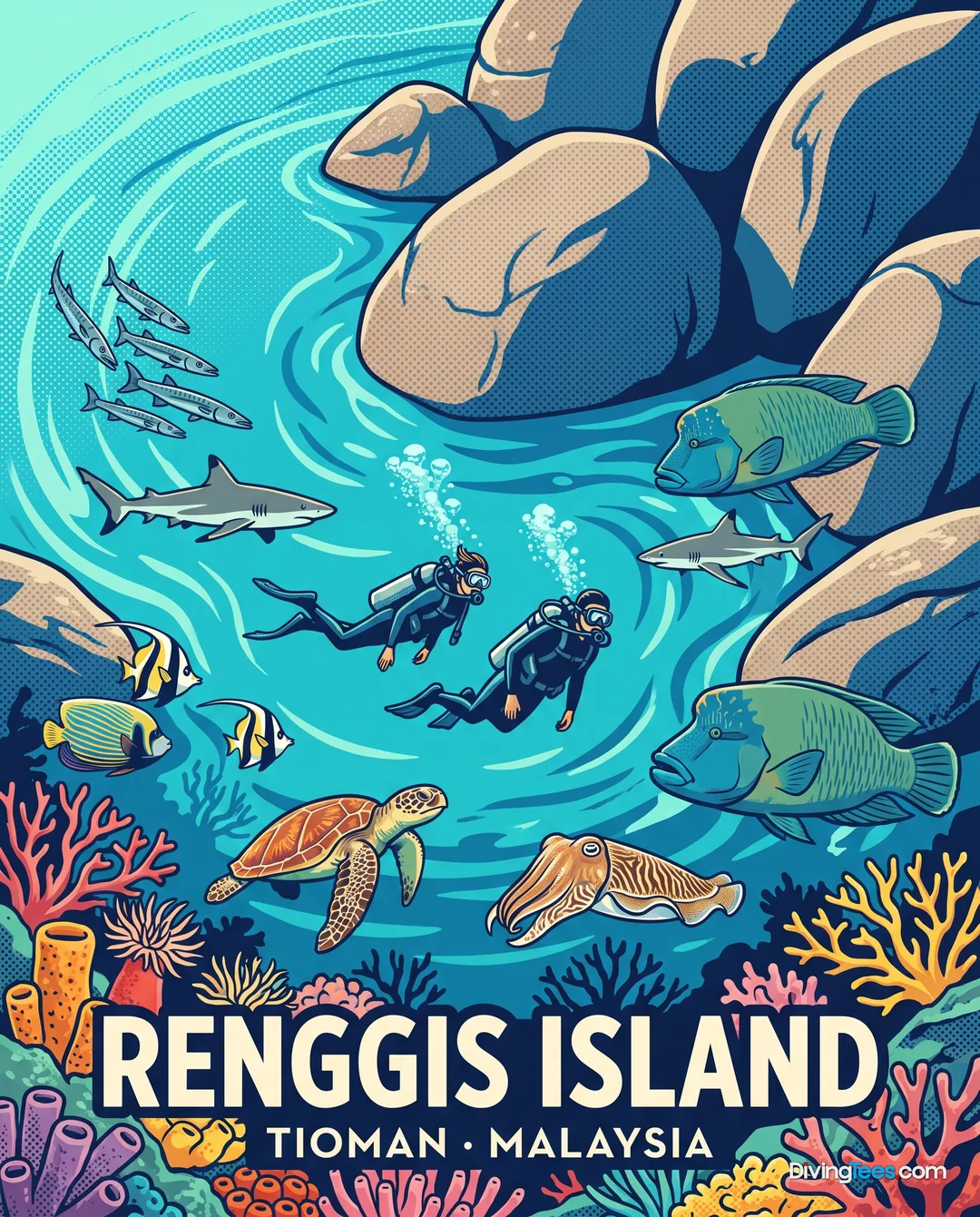
Tioman is an inhabited Malaysian island where diving is organised from shore-based resorts and village dive centres. Boats head out to coral reefs, shallow sites and exposed pinnacles, then return to the island rather than continuing into a liveaboard itinerary. Renggis Island gives newer divers a calm, shallow introduction, while Tiger Reef provides a more demanding day around a 30-metre pinnacle. Between dives, beaches, jungle paths and village life keep non-divers occupied.
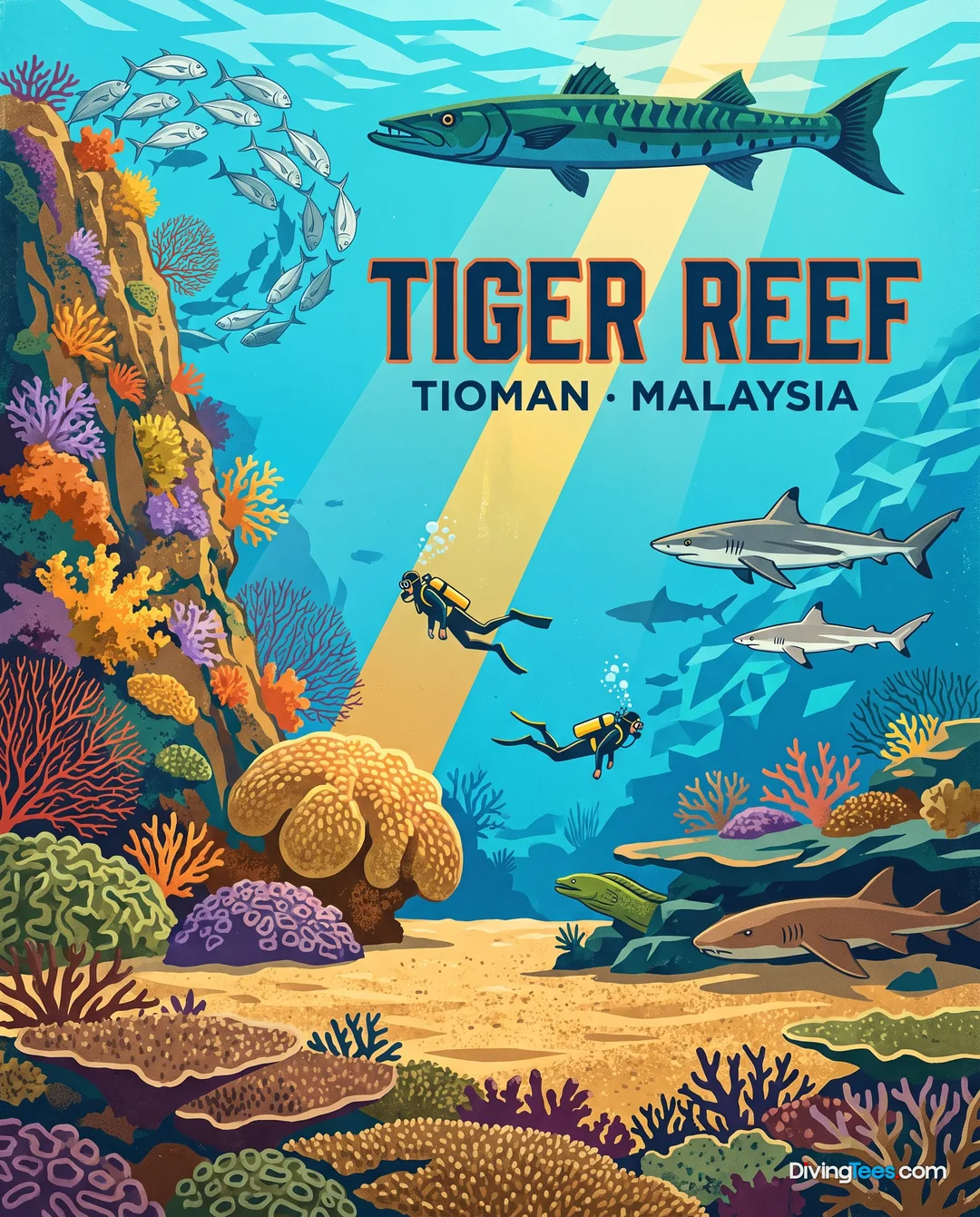
The diving is mainly from boats, with reef slopes, coral gardens and submerged pinnacles providing the basic scenery. Renggis Island stays shallow, from about 5 to 18 metres, with generally calm water that suits photography and training. Tiger Reef is a different proposition: the pinnacle reaches 30 metres, and currents can change from moderate to very strong. Large barracuda schools and reef sharks are the reward, but the site demands proper current-diving skills and sensible judgement from the boat crew. Visibility at Tiger Reef is typically around 12 to 18 metres, while Renggis is commonly in the same range. Elsewhere, conditions are usually described as light-current tropical diving, although rain runoff, swell and seasonal weather can alter the site selection. The normal rhythm is several day-boat dives over consecutive days, with Nitrox useful when the schedule is busy.
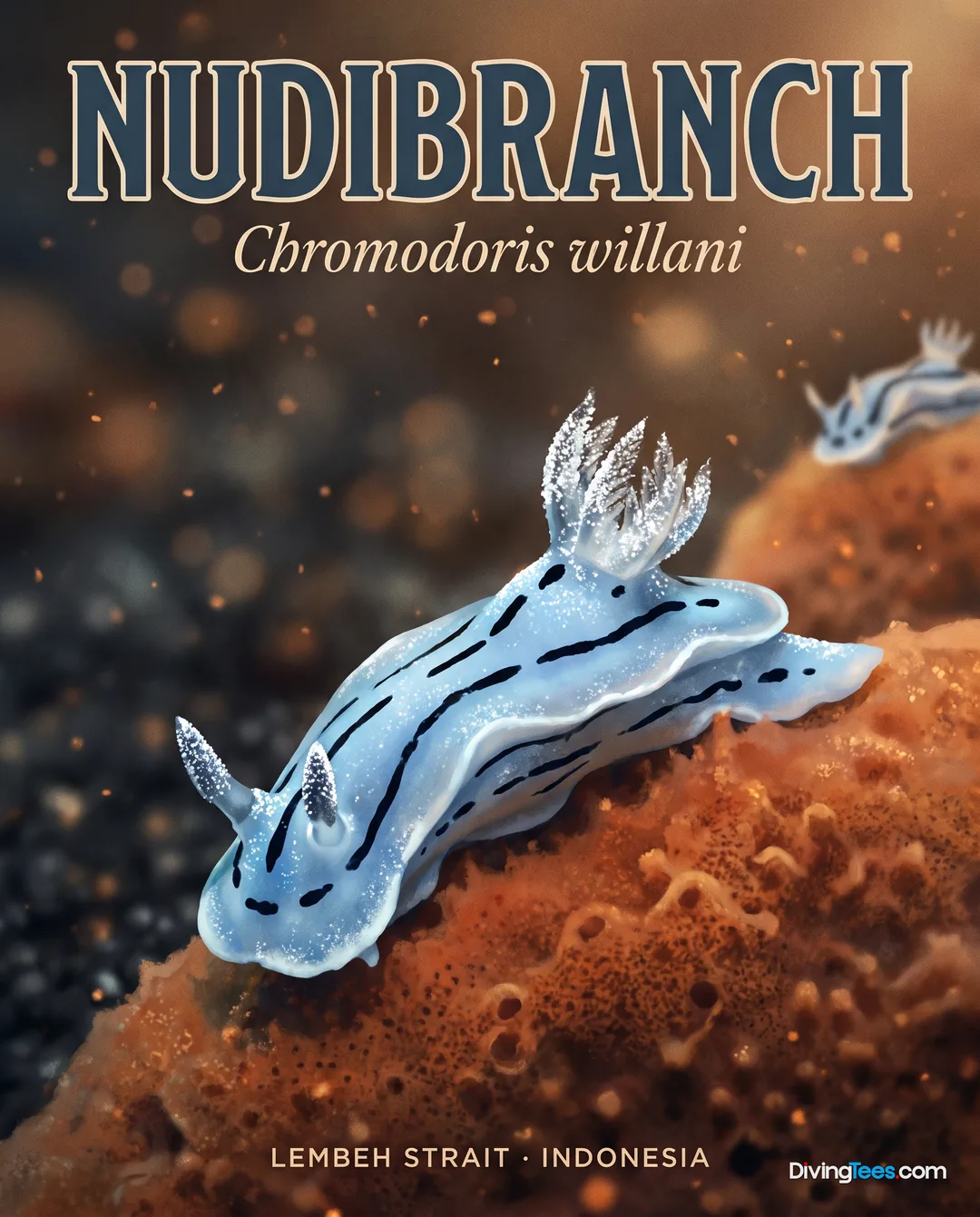
Turtles are a regular part of Tioman’s reef experience, while reef fish fill the coral slopes and gardens. Renggis Island is known for resident blacktip reef sharks, making its shallow profile particularly rewarding for divers who prefer time to watch and photograph rather than chase a fast-moving subject. Tiger Reef changes the pace: large barracuda schools and various reef sharks are associated with its pinnacle and current lines. Nudibranchs appear occasionally, so macro divers should allow time for patient searching rather than expecting a guaranteed seasonal event. The measured site information places the most reliable Renggis experience from March to November, while the broader island season runs through the calmer April-to-November period. Wildlife encounters remain reef-based and regular rather than a promise of pelagic action on every dive.
April to November is the clearest working window for Tioman, with the calmest sea conditions recorded across that period. Rainfall is lowest from February to October, which helps explain why the later dry-season months are practical for boat operations and crossing conditions. The east-coast monsoon is the main reason to avoid treating the island as a year-round destination: swell can affect the ferry, boat departures and the choice of dive sites at the same time. Renggis Island is generally considered suitable from March to November. Outside the more settled window, a short trip carries more risk of losing useful diving time, particularly if the ferry crossing is rough.
Tioman works for all levels, including Open Water divers, BSAC members and those certified through PADI or SSI. Shallow, calmer reefs such as Renggis Island are suitable for training, refreshers and unhurried photography. Tiger Reef is for experienced divers: the 30-metre depth and potentially very strong, shifting currents call for at least 50 logged dives and confident current-diving technique. Nitrox is worthwhile for a multi-day programme of repeated boat dives, although it does not turn a demanding pinnacle into a beginner site.
From London Heathrow, London Gatwick or Manchester, the journey begins with air travel into Malaysia, followed by at least one domestic connection before the island leg. Tioman has no airport, so the final approach is necessarily by ferry or boat from the east-coast points at Mersing or Tanjung Gemok. Ferry schedules are sensitive to weather and seasonal sea conditions, making the crossing the part of the journey that needs planning around the diving rather than added afterwards. Once on Tioman, the practical transfer depends on the village and accommodation: some divers walk to a nearby centre, while others use local boat transfers or island transport. Staying in the same village as the dive operation keeps the daily launch straightforward.
Book the ferry arrangement before fixing the diving programme; on Tioman, the island crossing is the real logistical hinge. Leave a buffer day rather than building a short visit around a single weather window, because rough conditions can affect both the ferry and the boat menu. If the sea is marginal, ask about the least exposed reefs rather than assuming the whole day is lost. Staying in the village where the diving starts is usually more useful than saving on accommodation elsewhere and adding repeated local transfers. Do not treat Tioman as a liveaboard destination: its strengths are the choice of day boats and the ability to return ashore. Divers planning Tiger Reef should be honest about current experience and depth comfort, while photographers and macro enthusiasts should expect slower searching rather than constant drift action. Nitrox earns its place over several consecutive diving days. Keep the final day flexible, and allow the required no-fly interval before travelling on.
A four- to seven-day stay suits Tioman’s shore-based rhythm. Most days can combine two or more boat dives with an easy return to the same village, while a quieter day can be reserved for Renggis Island, snorkelling or time ashore. Jungle walks, beaches, kayaking and village-hopping give non-divers something to do. The island also works well for mixed groups, provided the ferry timetable and the post-diving travel day are built into the plan.
Hello, I'm Marina, DivingDeal.com's AI assistant. I guide you through destinations, areas and countries.
Thinking about the whole trip and the flights? Talk it over with Edith →
Marina is an AI. Some links are affiliate links: DivingDeal may earn a commission, at no extra cost to you. Bookings are made with the partner.
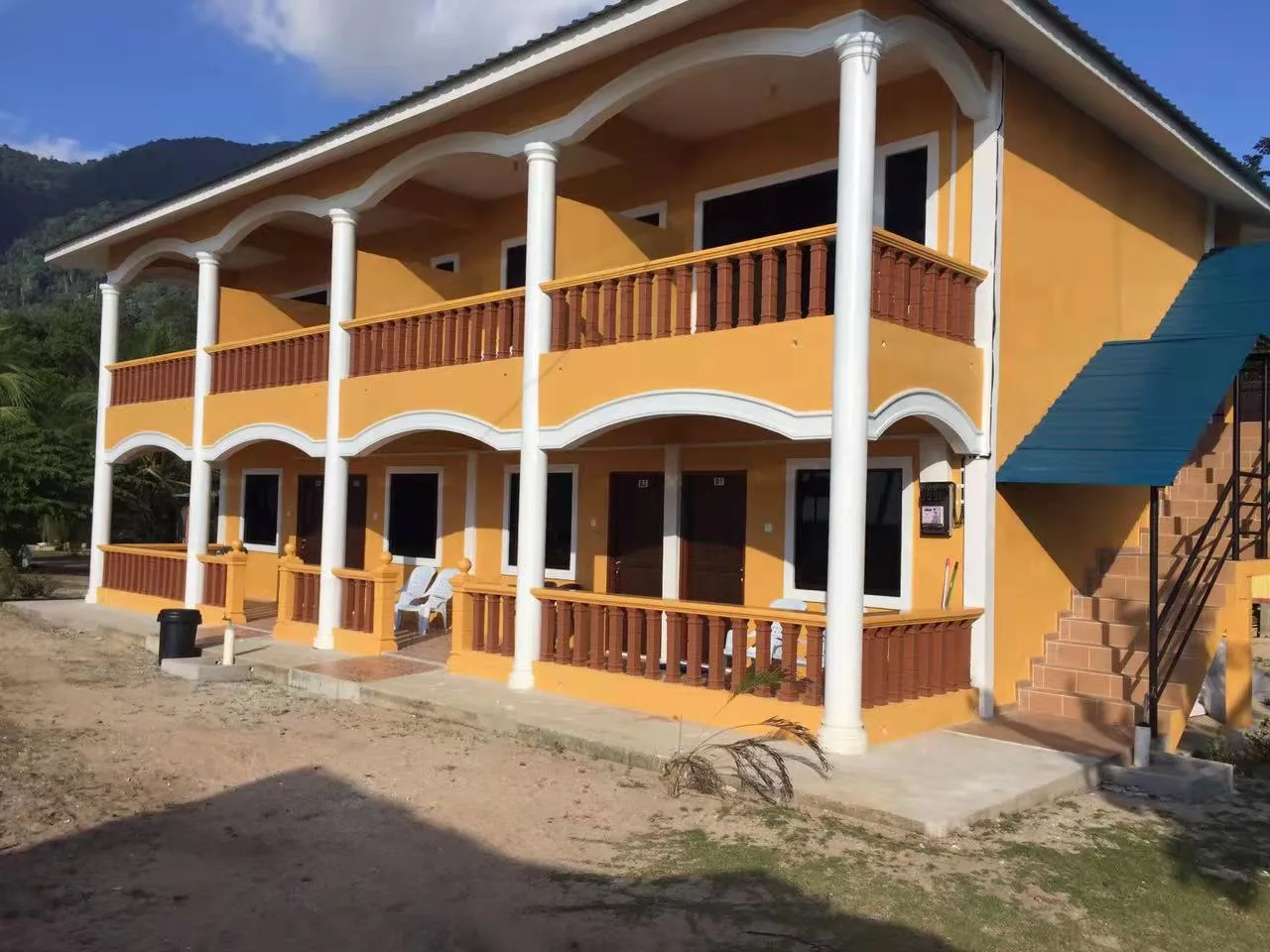
In each one, the dive centre is inside the hotel: step out of your room and go diving.
Dive centre in the hotel★★★★
Google 4.4/5 (837 reviews)
The dive centre
Aman Tioman Dive Centre
PADI
Google 4.9/5 (119 reviews)
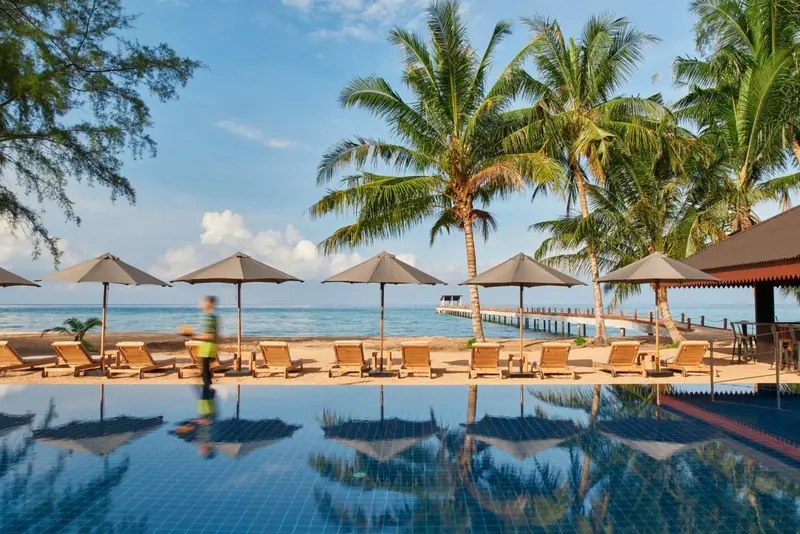 Dive centre in the hotel
Google 4.8/5 (101 reviews)
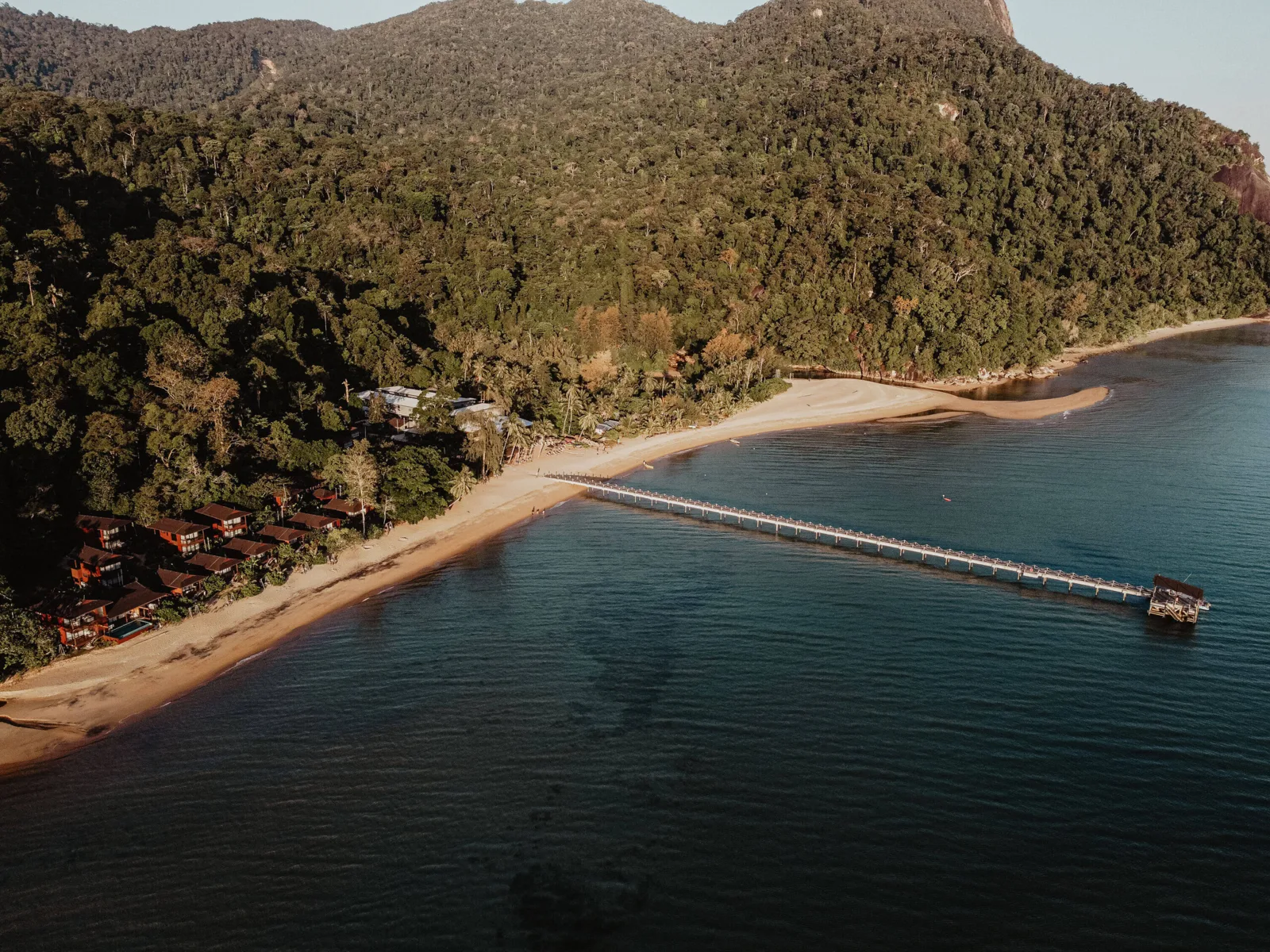
The dive centre
Boathouse Dive Centre & Spa
PADI
Google 4.9/5 (110 reviews)
Dives: Pulau Tulai, Malang Rock, Renggis Island
Your last day stays dry: no diving in the 18-24 hours before a flight, the perfect window to see the destination from another angle.
Plan your Tioman Island trip between April and November, when sea conditions are generally calmer for ferry crossings and boat diving. Renggis Island is generally suitable from March to November. Outside the settled season, swell and rain can affect both transport and site selection, so leave flexibility in your itinerary.
Tioman Island suits all levels, with sheltered coral reefs around Renggis Island suitable for Open Water training, refreshers and relaxed photography. Tiger Reef is intended for experienced divers because its pinnacle reaches thirty metres and currents may become very strong. Confident current-diving skills and at least fifty logged dives are required there.
Diving in Tioman Island includes coral slopes, hard and soft coral gardens, reef fish and regular turtle sightings. Renggis Island is known for blacktip reef sharks in shallow water, while Tiger Reef can bring large barracuda schools and reef sharks around its current-affected pinnacle. Patient searching may also reveal nudibranchs.
For Tioman Island, arrange the ferry before fixing your diving schedule, then stay in the same village as your dive centre where possible. Build in a buffer day for weather, keep the final day flexible, and plan several day-boat dives rather than a liveaboard itinerary. Nitrox can help during repeated diving days.