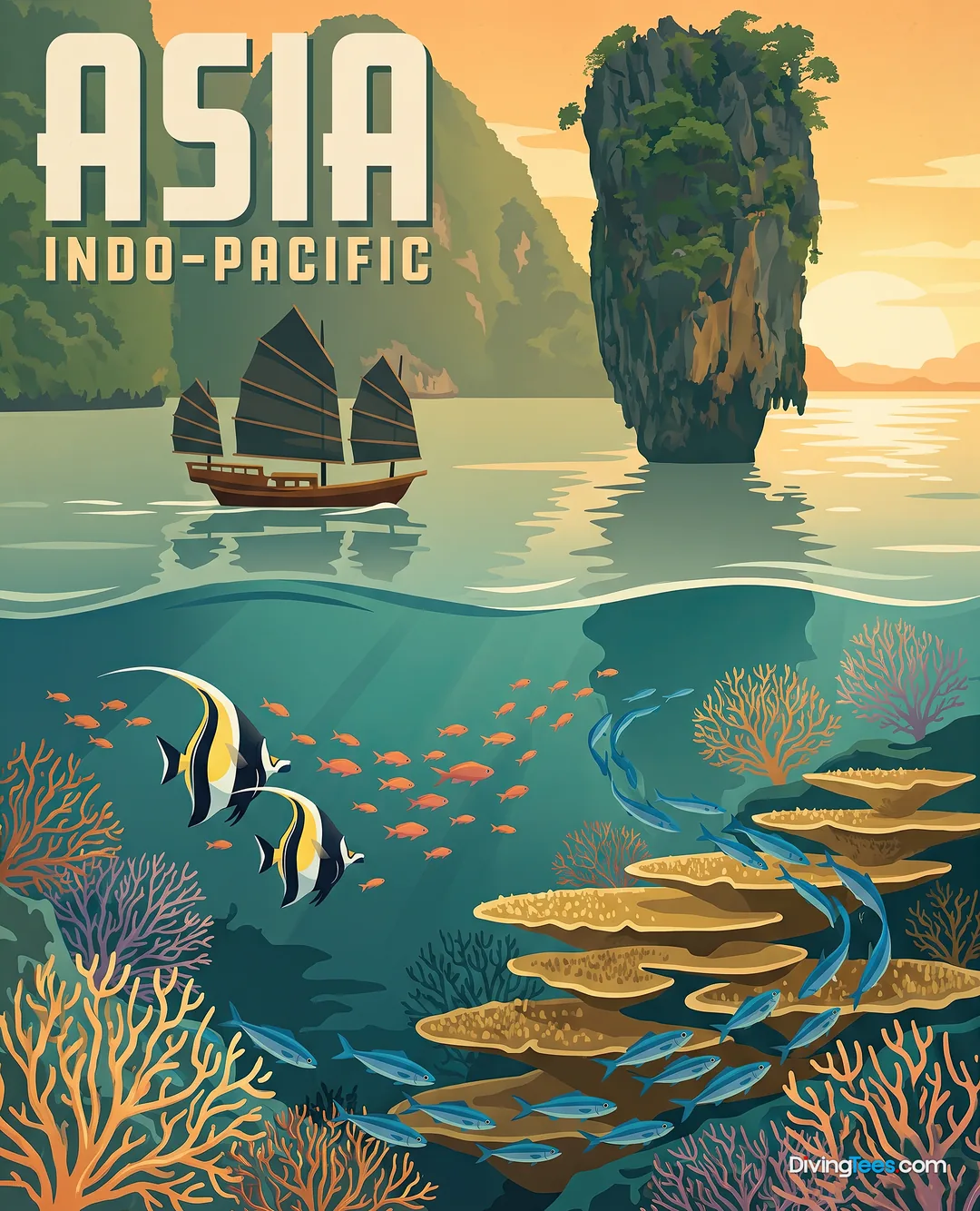
Asia
Malaysia: two coasts, island worlds and living cultures
From George Town’s shophouses to Sipadan’s reef sharks and Perhentian’s village life, Malaysia brings a distinctly divided journey between the peninsula and northern Borneo.
What makes this country unique
- April opens Sipadan, Perhentian Islands and Tioman Island
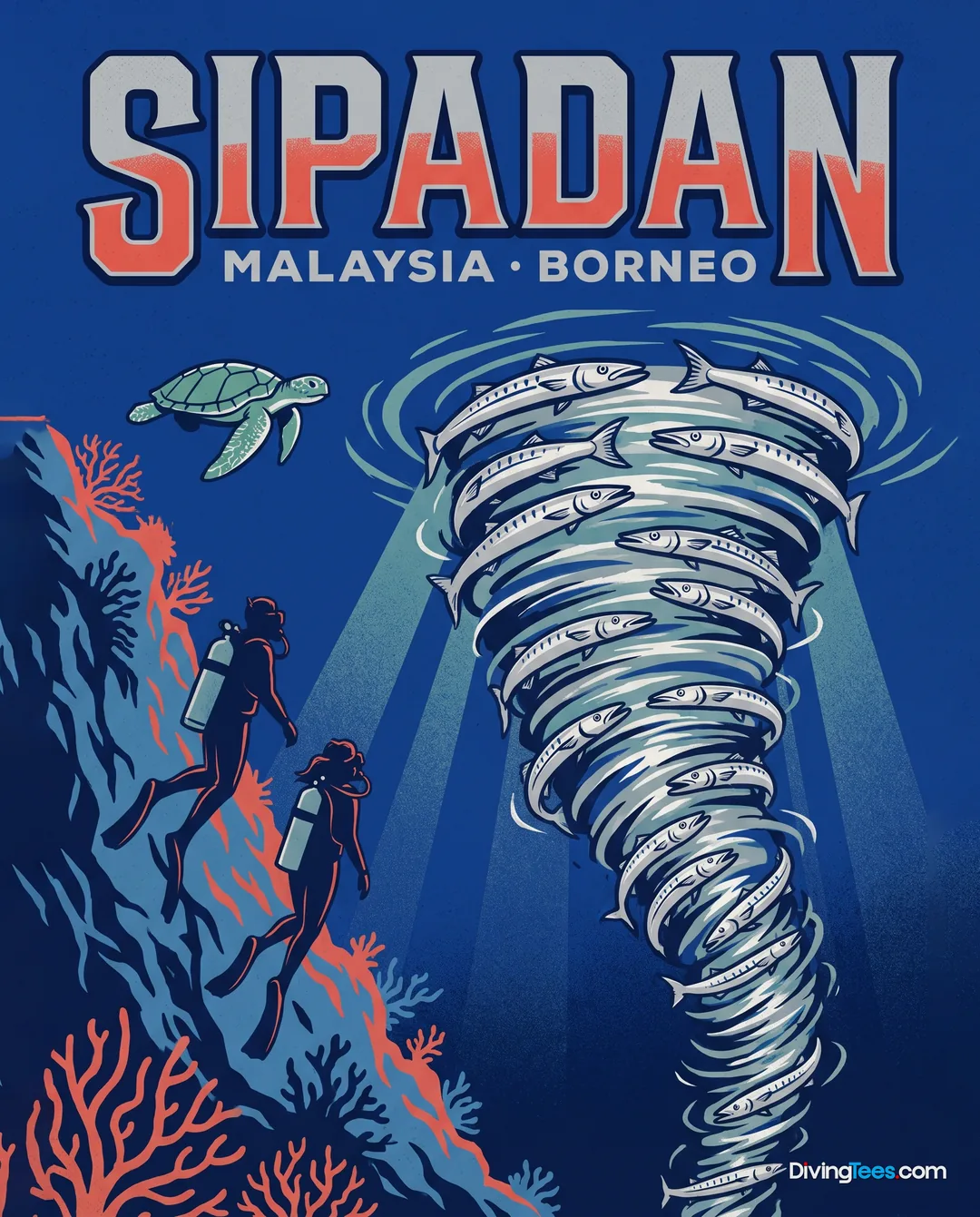
- Barracuda Point anchors Sipadan’s celebrated dive identity
- Perhentian turtles, Napoleons and blue-spotted stingrays
- George Town’s assam laksa and char kway teow
- Kaamatan brings Sabah harvest traditions in May
- Tamu de Kota Belud meets Bajau and Kadazandusun life
- Tioman villages follow ferry and fishing rhythms
For subtitles in English: start the video firstthen click the gearat the top right of the video, select “Subtitles/CC”, then “Auto-translate” and choose “English”.
This country for a diver
Malaysia is not one seamless tropical diving circuit. It is a country split between the peninsula and northern Borneo, with east-coast islands, Sabah’s offshore sites and very different transfer patterns. The diving areas share a reliance on boats, careful timing around sea crossings and conditions that can include variable current, a downcurrent or a drift dive. Perhentian and Tioman are the gentler starting points for many divers, while Sipadan and Layang-Layang make more sense to those comfortable with open water, changing conditions and a disciplined safety stop. The country’s appeal lies in choosing the right coast rather than trying to collect them all.
How the country divides
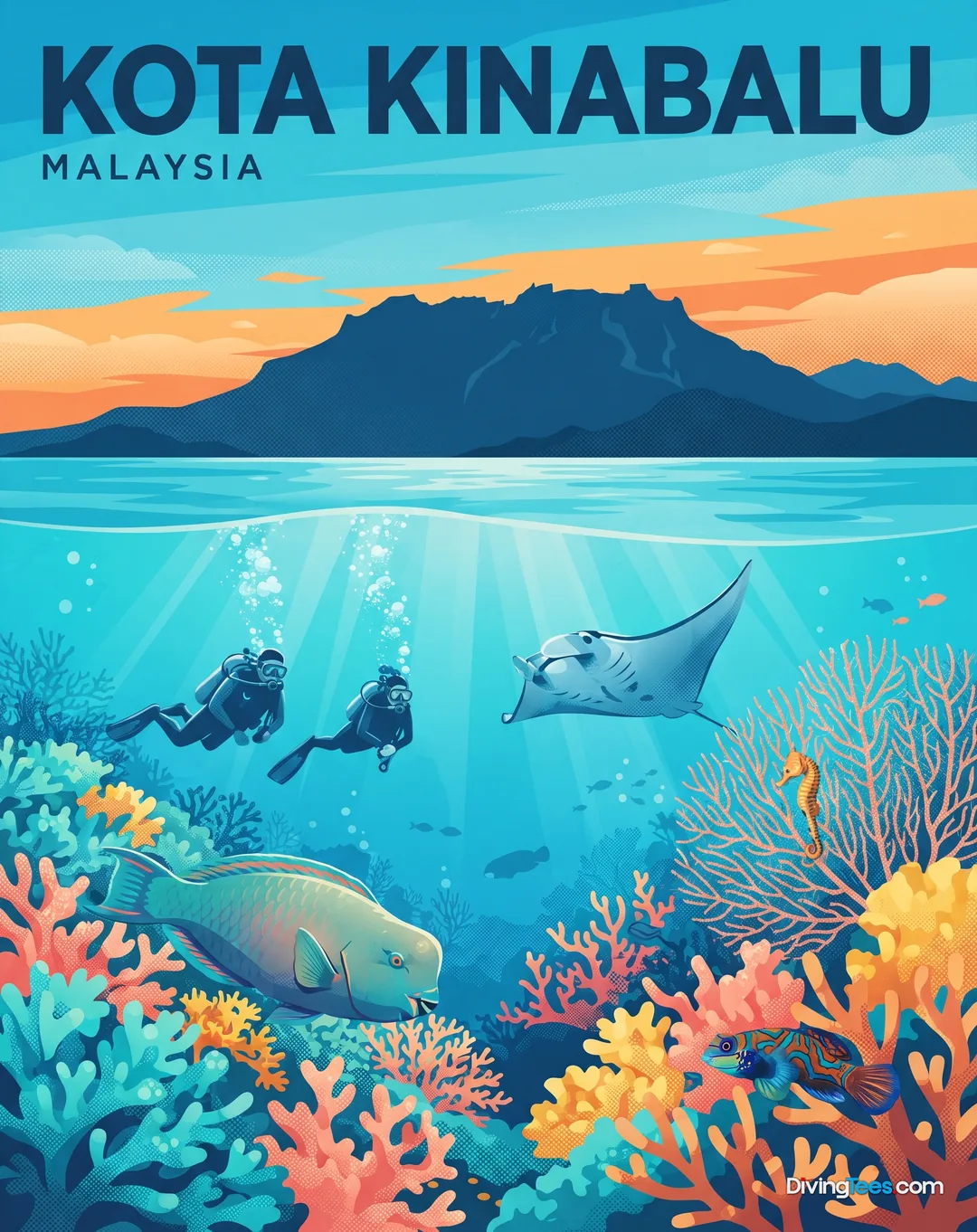
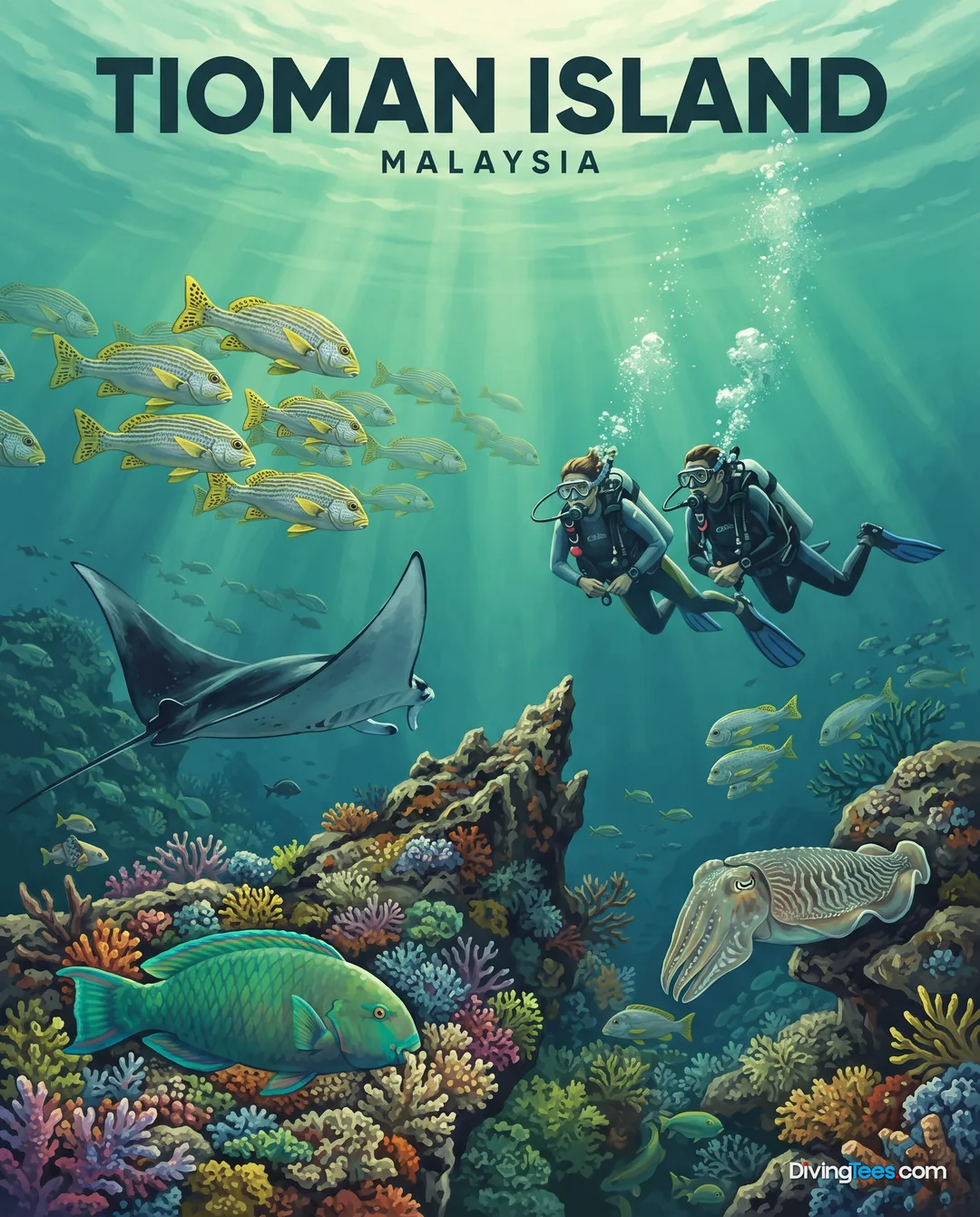
The peninsula’s east-coast choices divide naturally into island groups and their mainland gateway. Perhentian Islands suit a relaxed island stay, with boat diving and light current, while Tioman Island offers a mixed format: village life, ferries and diving around an inhabited island. Pahang belongs to the same eastern seaboard, and its April-to-November season makes it a useful frame for a Tioman trip rather than a separate cultural world. Across the South China Sea, Sabah changes the equation. Kota Kinabalu is the accessible western base, with diving in season from April to August and markets close to town. Sipadan is the more specialised eastern choice, open from April to June, with quotas and accommodation on neighbouring islands shaping the experience. Layang-Layang stands apart again: expensive, experienced and suited to a liveaboard-style commitment. The choice is therefore between an easier peninsula island rhythm, a shorter Sabah city-and-sea sequence, or a tightly managed offshore expedition.
Diving destinations
Dive centres



Hotels



When to go, and where by month
April, May and June are the broadest window: Perhentian Islands, Sipadan, Pahang, Tioman Island and Kota Kinabalu are all in season. That makes late spring the period with the most freedom to choose between peninsula and Sabah, although crossing the South China Sea still costs time. July and August retain Perhentian, Pahang, Tioman and Kota Kinabalu, while Sipadan drops out. September and October favour the east-coast island pattern of Perhentian, Pahang and Tioman, after Kota Kinabalu’s window has closed. November narrows the choice to Pahang and Tioman. January, February, March and December offer no listed diving zone in season. This is not an opposite-season country, but the monsoon and rainy season dictate which exposed coast can be reached comfortably: as Sabah’s window closes, the peninsula’s east coast continues; later, only its southern options remain. Build in a weather margin where ferries matter, because a short sea crossing can decide the day’s itinerary.
Marine life, coast by coast
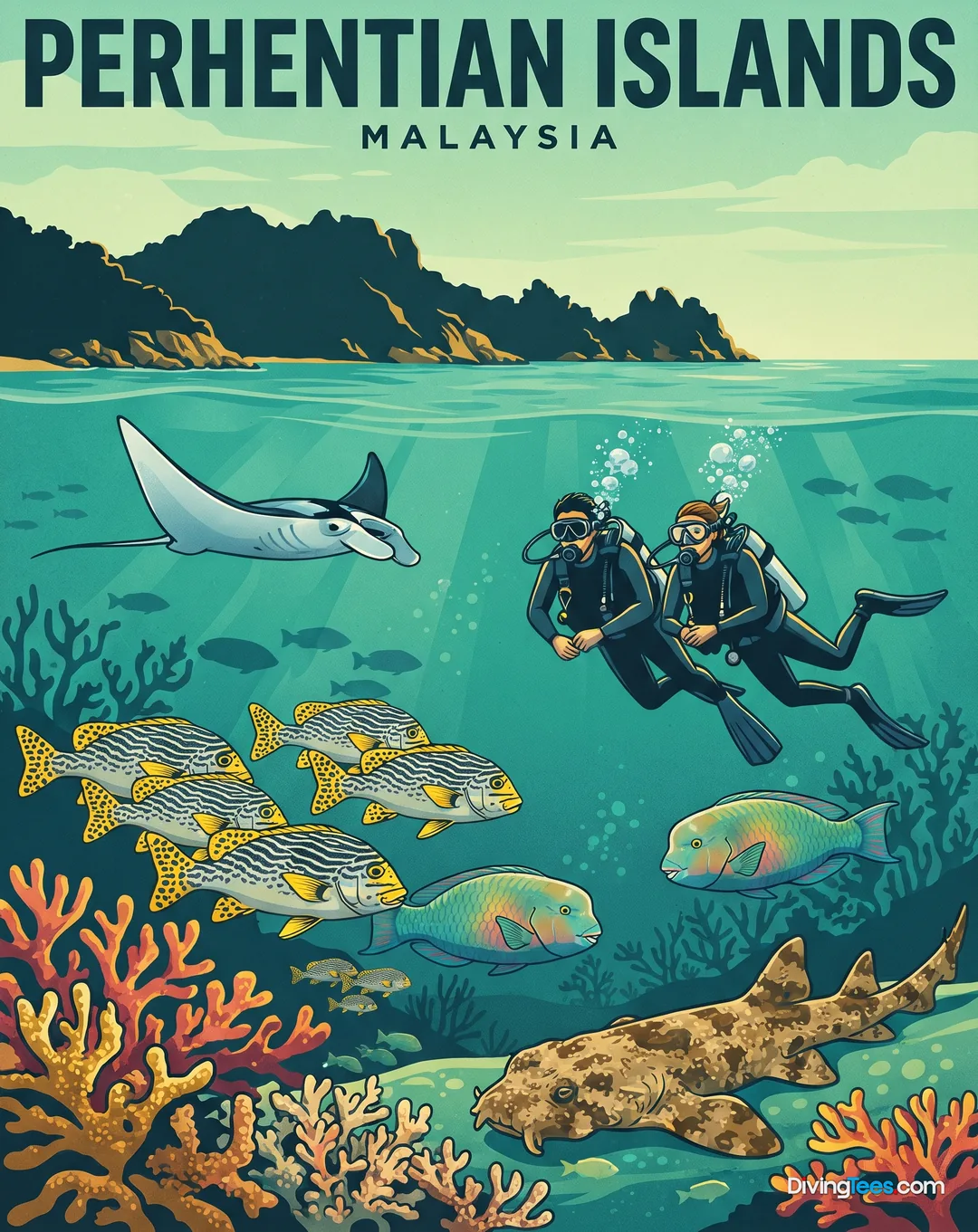
Malaysia’s wildlife story changes with the itinerary rather than presenting one uniform national signature. Perhentian Islands are the place to look for turtles, Napoleon wrasse, humpback parrotfish, clownfish, eagle rays and Jenkins’ whiprays, alongside reef fish and blue-spotted stingrays. This gives the peninsula’s island diving a broad reef-and-turtle character, with species such as giant puffers and bamboo sharks adding interest for patient observers. Sipadan shifts the emphasis towards encounters in open water: grey reef sharks, white-tip reef sharks, humpback parrotfish and eagle rays are associated with the area, while gobies and octopus reward closer inspection. The contrast matters when planning a trip: Perhentian offers variety across reef life, whereas Sipadan is chosen for the larger pelagic presence and the concentration of protected marine encounters around a tightly controlled destination.
Getting between the areas
Malaysia rewards regional planning. A peninsula itinerary can join Kuala Lumpur or George Town to the east coast, but the bus journey and ferry connection can consume a full day each way, even when the map looks manageable. Pahang and Perhentian Islands are about 380 kilometres apart, so moving between them is a transfer project rather than a casual island hop. Sabah requires a different plan: Kota Kinabalu and Sipadan are about 330 kilometres apart, but the practical journey also involves flying towards Tawau, travelling by road to Semporna and coordinating boats and permits. Adding Sipadan to a peninsula holiday means multiple flights and days partly lost to connections. Layang-Layang demands its own carefully timed boat or flight arrangement. In two weeks, Kuala Lumpur or Penang with either Tioman or Perhentian is the calmest combination; adding Sabah makes the itinerary more fragmented and leaves less time for unhurried diving.
Take off your mask
Malaysia’s cultural divide is tangible on the ground. Kuala Lumpur brings the urban mix of mosques, Chinese temples, colonial shophouses and Indian traditions, with Central Market and Kraftangan Kompleks Kraf offering batik, songket, pewter and carved wood. Batu Caves adds the Hindu world, especially during Thaipusam. George Town gives the clearest concentration of Chinese, Indian, Malay and Peranakan influences, best explored alongside assam laksa and char kway teow. On the east coast, Pasar Payang in Kuala Terengganu and Pasar Siti Khadijah in Kota Bharu connect textiles with daily market life; ikan bakar and keropok lekor belong to the maritime food culture of Terengganu. Sabah has a different texture. Gaya Street Sunday Market and the Tamu de Kota Belud show Bajau and Kadazandusun life through fish, fruit, woven rattan and traditional tools, while Mari Mari Cultural Village presents houses, cooking and practices from several communities. Semporna Waterfront places the Bajau boat culture around Sipadan in view. Across the country, nasi lemak, roti canai, teh tarik and kopi kampung are everyday reference points, while hinava gives Sabah its own sharp, fish-based identity. Piment is taken seriously, so “kurang pedas” is useful without guaranteeing a mild plate.
What holds true everywhere here
The practical thread running through Malaysian island diving is the importance of planning around movement, not just underwater time. Ferries to Tioman and Perhentian depend on precise schedules, sea conditions, tides and the effects of the monsoon; an organised package removes several fragile handovers. A buffer day is sensible when the trip depends on one crossing, because worsening seas can quickly narrow the available dive programme. Nitrox is most useful when boat diving involves repeated day profiles, allowing a more comfortable rhythm rather than magically extending every dive. Current briefings deserve attention at Sipadan, Pahang and Layang-Layang, where variable flow can turn a straightforward descent into a downcurrent or drift dive. Buoyancy and no-touch discipline also matter: protected reefs can still suffer from pressure at accessible sites. The country suits divers who are autonomous in the water and patient with the logistics on land.
Frequently asked questions about Malaysia
When should you visit Malaysia for diving and local experiences?
April is the key month highlighted for Malaysia’s diving destinations, with Sipadan, the Perhentian Islands and Tioman Island opening then. May also brings Kaamatan in Sabah, offering a chance to connect diving with harvest traditions. Timing your trip around these periods links island diving with cultural experiences on the peninsula and northern Borneo.
What marine life can you see while diving in Malaysia?
Malaysia offers different wildlife depending on your route. The Perhentian Islands feature turtles, Napoleon wrasse, humpback parrotfish, clownfish, eagle rays, Jenkins’ whiprays and blue-spotted stingrays. Sipadan shifts toward grey and white-tip reef sharks, humpback parrotfish and eagle rays, while gobies and octopus reward careful observation.
How should you plan a Malaysia stay around diving and sightseeing?
Build your Malaysia itinerary around the contrast between the peninsula and northern Borneo. Combine George Town’s shophouses and food with island time in the Perhentians or Tioman, then consider Sipadan and Sabah experiences such as Tamu de Kota Belud or Kaamatan. Keep Sipadan planning focused on its tightly controlled marine destination.
Which type of diving experience suits a Malaysia trip?
Choose the Perhentian Islands if you want varied reef life, including turtles, reef fish, stingrays and larger parrotfish. Choose Sipadan if your interest leans toward open-water encounters with grey and white-tip reef sharks, eagle rays and protected marine experiences. Malaysia lets you shape the journey around either reef variety or pelagic encounters.