
Bigfin Divers
Google 4.6/5 (106 reviews)
Malaysia · Asia
Island walls, a notable wreck, reef systems from seven to twenty-two metres, macro life and pelagic encounters shape Kota Belud’s day-boat diving.
For subtitles in English: start the video firstthen click the gearat the top right of the video, select “Subtitles/CC”, then “Auto-translate” and choose “English”.
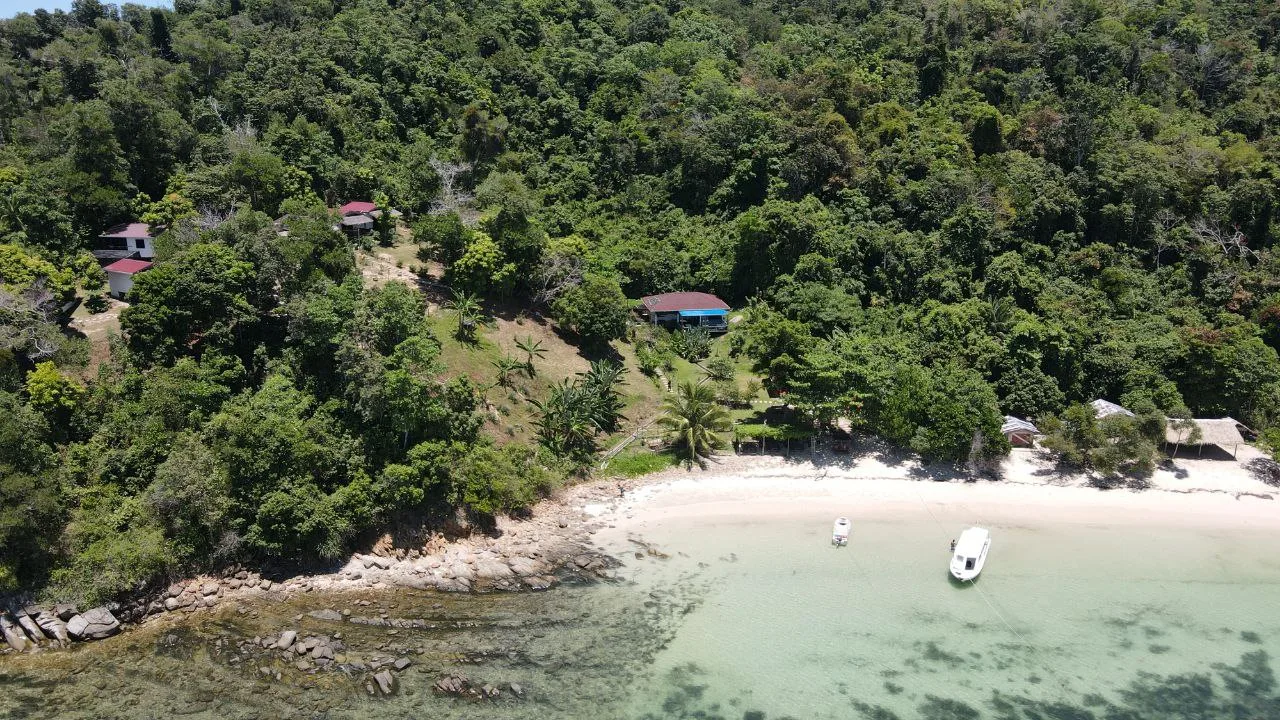
Mataking Island gives Kota Belud its clearest underwater reference point: reef systems, walls, a notable wreck and depths from seven to twenty-two metres. Kota Belud itself is best understood as a coastal base for day-boat diving around nearby islands and reefs, rather than as a dedicated liveaboard destination. That makes it a useful Sabah stop for divers who prefer a land stay, shorter outings and the option to combine diving with markets and inland excursions.
The diving around Kota Belud mixes reef systems, wall sections and wreck structure rather than revolving around one single style. Mataking Island ranges from seven metres to twenty-two metres, so a dive can stay in the shallows or follow a wall into deeper water. The wreck adds a change of texture, while reef areas reward a slower search for small subjects. Currents are variable, and the quality of a day’s diving depends on the sea state and local boat arrangements. These are primarily day trips from the coast, not a liveaboard circuit. Divers should therefore expect a morning organised around a boat crossing, with the route and site choice shaped by conditions rather than by a fixed sequence of iconic drops.
Mataking Island is described as a place for both macro life and larger pelagic encounters. The reef and wreck structure provide the sort of terrain where a diver can slow down, inspect surfaces and look into cracks and shaded sections rather than simply cover distance. The walls offer a different perspective, particularly when the dive reaches the deeper end of the island’s twenty-two-metre range. There is no named seasonal species pattern to plan around, so the attraction is the contrast between close-up reef searching and the possibility of something larger in open water. March to June is the calmer boat window, making it the sensible period for arranging repeated outings, rather than a guaranteed wildlife season.
The measured practical window is March to June, when the sea is generally at its calmest for the boat journeys from the coast. That matters here because diving is organised around island and reef crossings, not from a shore-based site directly outside the accommodation. Calmer water makes transfers more comfortable and gives local crews greater flexibility in planning the day. The rest of the year should not be treated as a guaranteed alternative timetable: sea conditions can alter the operation of a short trip. A flexible itinerary is therefore more useful than booking every diving day as if the weather followed a fixed calendar.
Kota Belud suits all levels, provided divers are comfortable with boat diving and conditions that can change. The shallower sections around seven metres are useful for relaxed reef dives, while the deeper wall sections to twenty-two metres give Advanced Open Water divers more to explore. PADI and SSI qualifications fit the usual framework, and BSAC divers should find the range straightforward to match to their experience. No specialist certification is identified as essential for the area.
Travellers starting from London Heathrow, London Gatwick or Manchester should plan Kota Belud as a road-and-boat destination rather than an air arrival of its own. The practical route is to reach Kota Kinabalu, continue by road to Kota Belud, then join the local boat departure for the island or coastal sites. The boat crossing is therefore part of the diving day, not a minor transfer after arrival. Correspondences should leave room for the road connection and for the timing of the boat departure. Once in the area, arrangements revolve around that road transfer and the coastal departure point, so spontaneous site-hopping without local transport planning is unlikely to work well.
Set expectations correctly: Kota Belud is a land-based gateway to coastal and island diving, not a tightly managed marine-park experience or a dedicated liveaboard route. Keep flexibility in the diving schedule, because the sea and the local boat operation have more influence here than a published sequence of sites. March to June is the useful period to favour if repeated boat outings matter, with calmer conditions making the crossings less of a gamble. Do not build the whole holiday around one assumed weather window. If the sea interrupts a diving day, Kota Belud’s markets and the surrounding coastal Sabah countryside provide a genuine alternative rather than a forced hotel day. It also makes sense to combine this stop with other Sabah diving areas, so the trip does not depend on one coastal sector delivering every planned dive. Divers expecting formal park rules, quotas and a centralised visitor system should adjust those expectations before arrival.
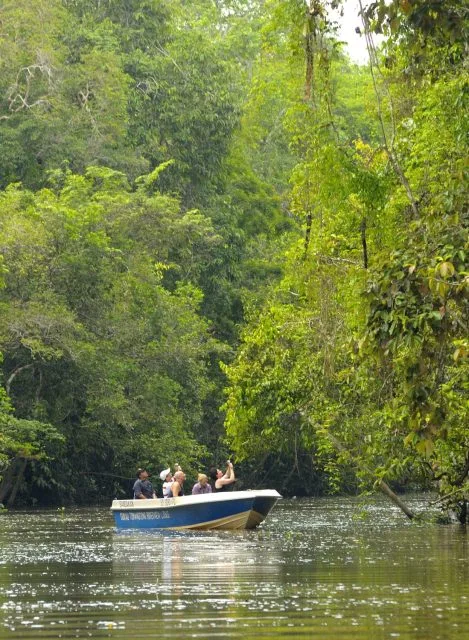
A stay here works best on land, with diving arranged as local day trips from the coast. The non-diving time can be used for Kota Belud’s markets and for excursions through the surrounding coastal Sabah region. That arrangement also suits travelling companions who want local activity rather than a resort devoted entirely to diving. Divers planning a wider Sabah itinerary can use Kota Belud as one practical stop, adding variety without treating it as a standalone cruise destination.
Hello, I'm Marina, DivingDeal.com's AI assistant. I guide you through destinations, areas and countries.
Thinking about the whole trip and the flights? Talk it over with Edith →
Marina is an AI. Some links are affiliate links: DivingDeal may earn a commission, at no extra cost to you. Bookings are made with the partner.
March to June is the calmer boat window for trips from the coast to nearby islands and reefs. Calmer seas can make crossings more comfortable and give local crews greater flexibility. Outside this period, conditions may affect short trips, so keep your diving schedule flexible rather than treating every day as fixed.
Kota Belud suits divers of all levels who are comfortable diving from boats and adapting to changing conditions. Shallow reef sections around seven metres allow relaxed exploration, while wall sections reaching twenty-two metres offer more for Advanced Open Water divers. No specialist certification is identified as essential.
Around Mataking Island, you can explore reef systems, wall sections and a notable wreck, with depths from seven to twenty-two metres. Slower searches may reveal macro life among reef and wreck structure, while open water offers the possibility of larger pelagic encounters. Currents and sea conditions can influence each dive.
Plan Kota Belud as a land-based gateway for day-boat diving, not as a liveaboard destination. Reach Kota Kinabalu, continue by road to Kota Belud and join a local coastal departure. Leave room for road and boat timings, keep site plans flexible, and use markets or inland excursions as alternatives between outings.