
Scuba-Naut Dive Centre
Google 5/5 (98 reviews)
Malaysia · Asia
Tioman puts shallow coral reefs, drop-offs, turtles and wrecks within reach after a mainland crossing from Rompin, with Renggis offering an easy acclimatisation dive.
For subtitles in English: start the video firstthen click the gearat the top right of the video, select “Subtitles/CC”, then “Auto-translate” and choose “English”.
Renggis gives the clearest picture of what Rompin means to a diver: a shallow Tioman reef reached from a mainland embarkation point, rather than a continental dive town. The real destination is the island, where village-based centres take guests by boat to coral reefs, drop-offs, macro sites and wrecks. Turtles, reef sharks and nudibranchs add interest between the reef scenery and the more specialised dives. It is an island stay reached through Rompin, not a shore-diving base.
Diving is mainly boat-based from Tioman’s coastal villages, with coral reefs, shallow sites, drop-offs, macro terrain and wrecks all part of the mix. Renggis is useful for settling in, particularly when a sheltered, shallow profile makes more sense than starting on a deeper site. The KM Sipadan is among the wreck options listed locally, while deeper sites call for appropriate planning and experience. Currents are usually light, but they vary with the site and tide, so a calm reef dive can become more active than expected. Visibility typically ranges from eight to twenty-five metres and can change sharply after swell, storms or suspended sediment. Ask about sheltered sites when conditions deteriorate, and treat a drift dive or downcurrent section as a possibility to confirm rather than an assumption.
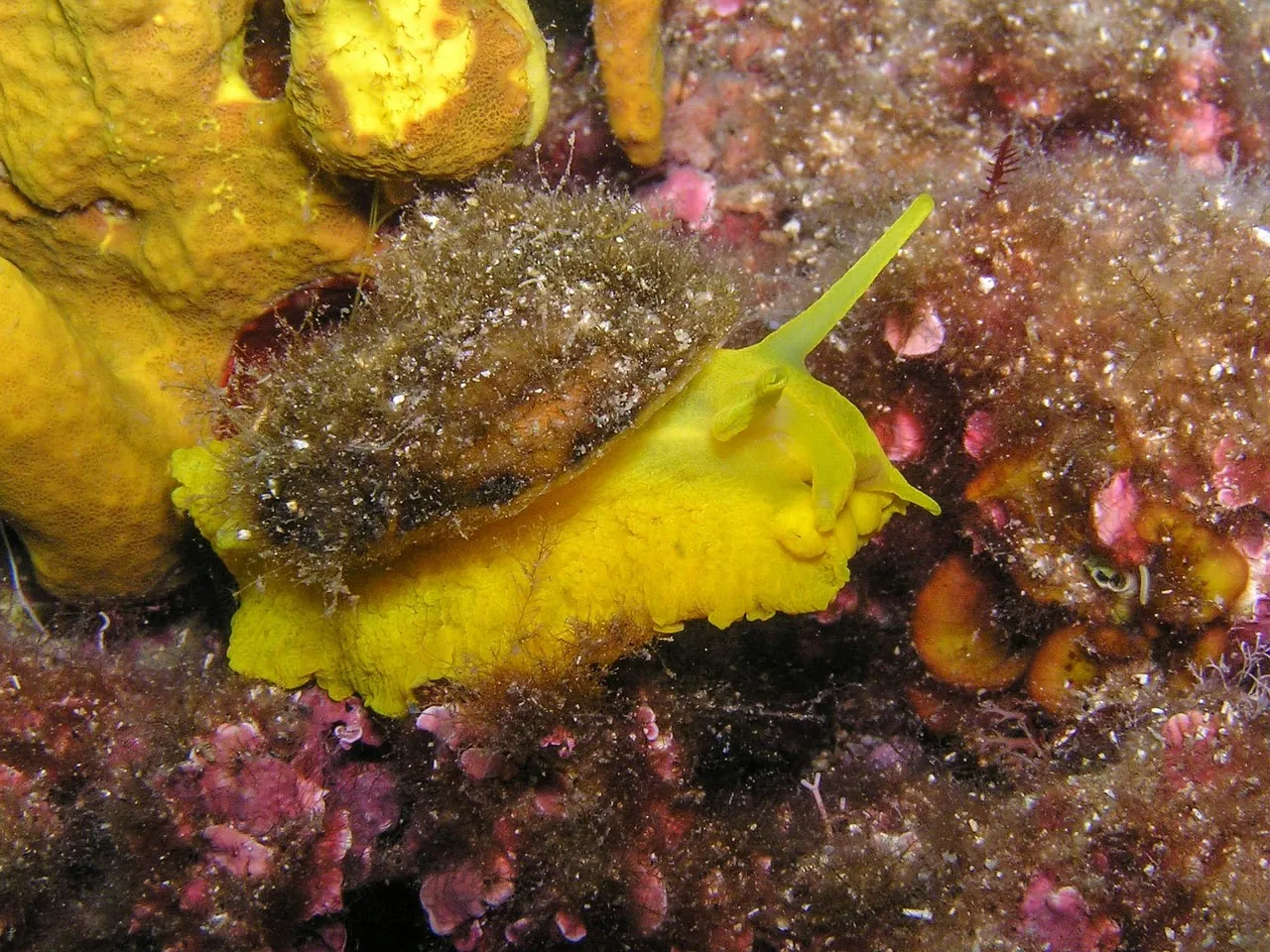
Turtles, reef sharks and nudibranchs are among the animals divers may meet around Tioman, with macro life rewarding slow observation on the reef. The appeal is the contrast between a turtle passing over a shallow coral site, small nudibranchs tucked into the growth, and the larger outline of a reef shark in open water. Renggis is associated with the island’s approachable reef diving, while the drop-offs and wrecks change the scale and pace of the outing. These encounters are not tied to a dependable seasonal calendar, so the sensible approach is to regard them as part of Tioman’s year-round character during the diving season, not as guaranteed appointments.
The practical diving window runs from March to October. From November to February, the north-east monsoon brings stronger winds and rougher seas, frequently limiting the small boats used for trips around Tioman. That makes the rainy season a poor choice for a diving-led itinerary unless the operator confirms that outings are running. Visibility is generally more useful between March and October, although tides, swell and local weather can still alter it from one day to the next. High-season holidays bring more traffic around village reefs and crossings, while weekdays and more distant sites usually spread the boats more evenly.
Tioman suits all levels, including divers using shallow reefs for training or an uncomplicated first dive. The variable current still deserves a proper briefing, especially where tide affects visibility or boat positioning. Advanced Open Water is useful for deeper sites and some wreck outings, while a Wreck qualification is appropriate for wreck diving. Renggis makes a sensible acclimatisation choice, but its depth and visibility are not fixed conditions. Experience with changing boat-dive conditions is more valuable than chasing a particular profile.
From London Heathrow, London Gatwick or Manchester, the journey continues overland from Kuala Lumpur to Tanjung Gemok. The structural constraint is the sea crossing: a fast boat or ferry from Tanjung Gemok takes about sixty minutes, depending on the service, and reaches Tioman’s villages. There is no commercial airport on Tioman, so this crossing is not an optional flourish but part of the route. Boat times and frequency change with season and weather, so coordinate the crossing with the accommodation and leave room around fixed connections. On the island, the centre and accommodation may be within walking distance in the same village, or require a local transfer. Tanjung Gemok is chiefly an embarkation point, not the place to base the diving.
Treat the crossing as part of the dive plan, not as a harmless transfer between two fixed bookings. Keep a buffer before any flight or other immovable connection, and never arrange to return from Tioman on the same day as an aircraft departure. Choose accommodation in the same village as the diving centre where possible, because arrangements between villages are not uniform. If swell or visibility worsens, ask for sheltered reefs rather than assuming the planned site will be worthwhile. Renggis can work well for acclimatisation, but do not book it for a promised level of visibility, as tide and conditions can change the picture. Schedule popular sites early or on weekdays when practical. Confirm the certification needed for deeper sites and the KM Sipadan before committing to a wreck outing. Most importantly, do not plan the main diving holiday between November and February without checking that boats are operating.
The usual format is a land-based island stay, with daily boat trips arranged from Tioman’s villages. Staying near the centre keeps the morning logistics simple, although transfers vary between villages and accommodation. Non-divers have useful alternatives on Tioman, including beaches, village visits, snorkelling, boat trips and walks into the forested interior. Rompin on the mainland is better regarded as the starting point, with coastal and natural activities before or after the crossing rather than as the main underwater base.
Hello, I'm Marina, DivingDeal.com's AI assistant. I guide you through destinations, areas and countries.
Thinking about the whole trip and the flights? Talk it over with Edith →
Marina is an AI. Some links are affiliate links: DivingDeal may earn a commission, at no extra cost to you. Bookings are made with the partner.