Atlantic
Ireland: Atlantic diving and regional character
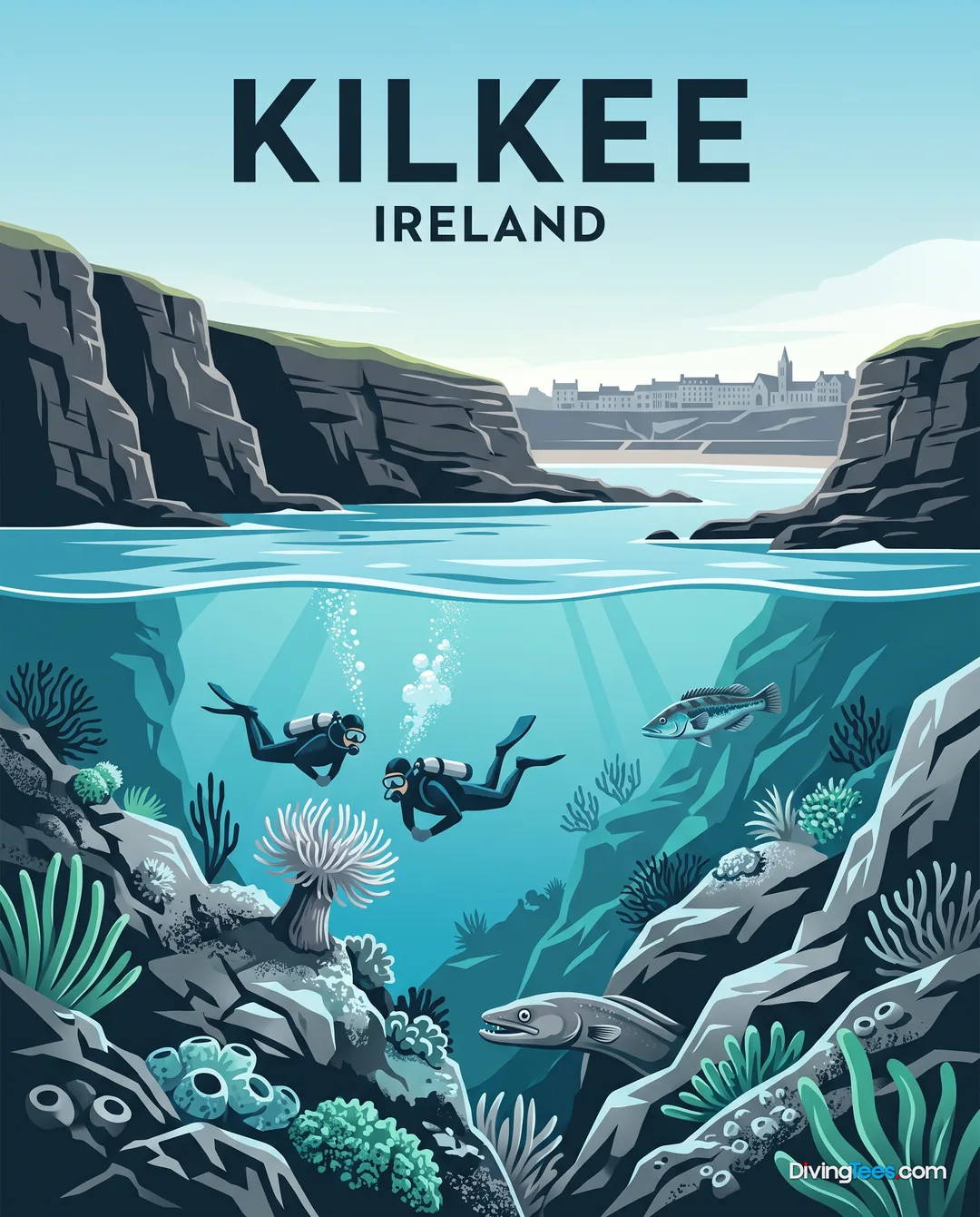
Ireland pairs Diamond Rocks at Kilkee with the cliffs and cultural depth of the Wild Atlantic Way, making Clare feel both coastal and distinctly local.
What makes this country unique
- Kilkee and Diamond Rocks on Clare’s Atlantic edge
- Wild Atlantic Way around the Loop Head Peninsula
- March brings St Patrick’s Festival across Ireland
- Full Irish breakfast in a West Clare B&B
- Irish stew in a traditional country pub
- Kilkee Cliff Walk above the Atlantic shore
- Scattery Island at the Shannon estuary
For subtitles in English: start the video firstthen click the gearat the top right of the video, select “Subtitles/CC”, then “Auto-translate” and choose “English”.
This country for a diver
Ireland is a cold-water Atlantic country whose diving identity is tied to exposed coast, navigation and the condition of the sea rather than to a neat tropical-style calendar. Its useful contrast with nearby Britain is the way a single island combines Dublin’s urban culture, the historic east, quiet inland waterways and a long western seaboard shaped by cliffs, islands and peninsulas. Kilkee belongs firmly to that western pattern. Across the country, journeys are part of the experience: small places matter, roads take longer than maps suggest, and local character changes markedly between the capital, the interior and the Gaeltacht.
How the country divides
Ireland divides naturally into four travel settings. Dublin is the urban choice, built around museums, Georgian streets, literary associations and historic pubs. Ireland’s Ancient East suits a heritage-led journey through older towns, monasteries and castles, while Ireland’s Hidden Heartlands turns inland towards rivers, lakes, canals and a gentler rural landscape. The Wild Atlantic Way is the choice for a coast-first trip, where bays, islands, peninsulas and cliff roads determine the rhythm; Kilkee and the Clare coast sit here. A further layer is the Gaeltacht of the west, where Irish remains a community language and the cultural texture is more strongly local. Clare has a character of its own within that Atlantic belt: Kilkee, Loop Head Peninsula and the villages of West Clare make it more than a stop on a scenic road. Choose the west for maritime landscapes and small communities, Dublin for concentrated culture, or the interior and east when heritage matters more than exposure to the Atlantic.
Diving destinations
Dive centres


Hotels
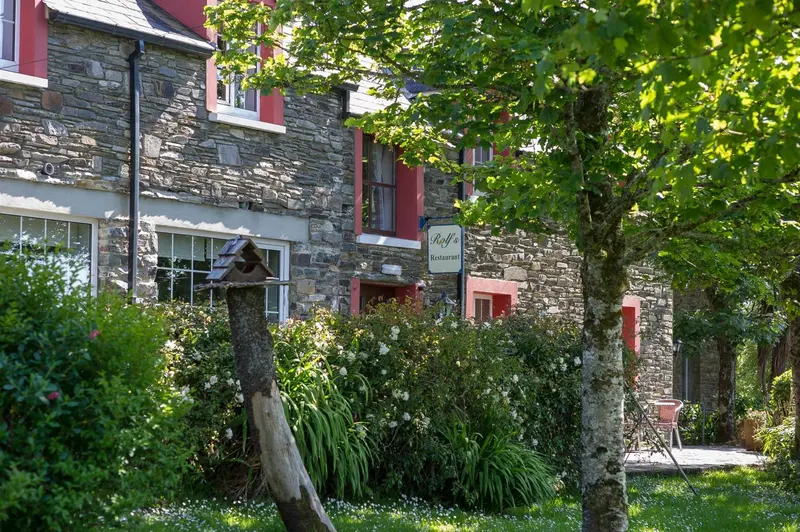
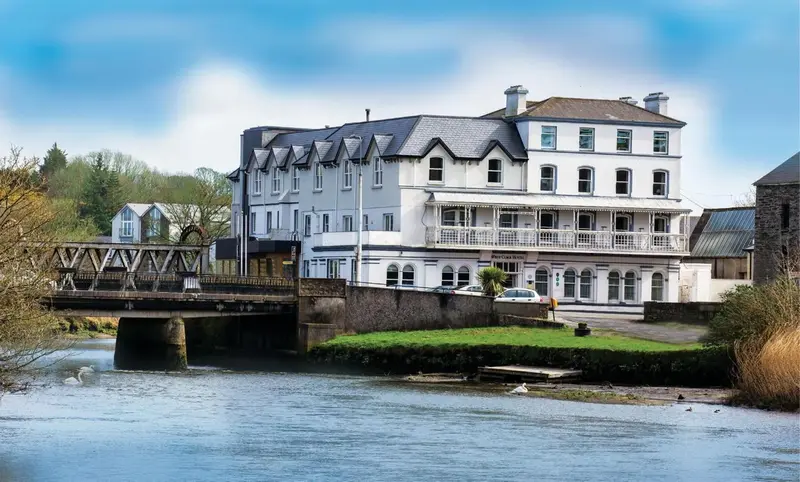

When to go, and where by month
Ireland does not divide the year into opposite coastal seasons, and there is no dependable month-by-month formula that makes one Irish coast open as another closes. From January through December, the practical question is whether the Atlantic allows the planned outing: swell, local sea state and navigation carry more weight than a seasonal wildlife calendar. This makes a Kilkee trip better suited to flexible planning than to a rigid week built around guaranteed conditions. A rainy season or monsoon pattern is not the organising principle here; the coast can alter the plan through conditions and travel time at any point in the year. Build spare days into the western itinerary, particularly when roads lead towards peninsulas and exposed headlands. The same logic applies when combining Clare with another coastal region: the calendar may look generous, but the sea and the road decide how much of the plan survives.
Marine life, coast by coast
Ireland is not best understood through a country-wide promise of one headline animal. The diver’s common thread is the Atlantic setting, while the meaningful differences between places are shaped more by exposure, coastline and access than by a tidy species itinerary. That matters when planning a journey: moving from Kilkee to another region is not a simple way to collect a different wildlife set, and a day lost to road or sea conditions cannot be repaired by changing the month. The western coast offers a landscape-led experience, with the character of Clare coming from its cliffs, rocky points, islands and small coastal communities. Treat wildlife as part of the changing Atlantic setting, rather than the sole reason for choosing one Irish coast over another.
Getting between the areas
Kilkee works best as a base for West Clare and the Loop Head Peninsula, where a car makes the smaller roads and coastal sites practical. Public transport is useful between Dublin and the larger cities, but it does not serve the western coast as finely; reaching Kilkee by bus can turn a short-looking connection into much of a day. Dublin and Clare combine comfortably over two weeks, especially when the journey is split rather than treated as a quick transfer. Clare with Kerry or Galway is possible, but needs honest road time. Clare, Donegal and Cork in one sea-focused trip becomes fragmented, with too much time spent crossing the country. Driving is on the left, and a hire car is the sensible choice for peninsulas and scattered coastal stops.
Take off your mask
Ireland’s out-of-water appeal lies in the contrast between concentrated city culture and small coastal communities. Dublin brings national museums, Georgian districts, literary associations and historic pubs, while the west offers a slower sequence of villages, headlands and local cultural spaces. Around Kilkee, the Kilkee Cliff Walk, The Pollock Holes and Kilkee Cliffs keep the coast close at hand. Loop Head Lighthouse and Bridges of Ross make a natural outing on the peninsula, while Cultúrlann Sweeney gives West Clare a small-scale theatre and cultural centre. West Clare Heritage Museum and Railway at Moyasta provides a landward counterpoint, and Scattery Island adds monastic and military heritage from the Shannon estuary. On the plate, expect Irish stew, bacon and cabbage, colcannon and boxty, with seafood and simple pub dishes prominent on the western coast. A Full Irish breakfast is standard in hotels, B&Bs and cafés. Guinness, Irish whiskey, Irish cider, Irish coffee and Barry’s Tea belong to the familiar drinking landscape; meals outside cities may be served early.
What holds true everywhere here
The practical constant across Ireland is the Atlantic, not a tropical season. A planned outing can be reshaped by swell, navigation and the time needed to reach a small coastal community, so a safety stop is only one part of a properly flexible day. Roads, rather than flights, organise the country: rail is useful between Dublin and larger cities, while bus and car take over for Kilkee and the western coast. The island’s regional character also remains consistent in one respect: places that appear close on a map can require a long journey because peninsulas, local roads and scattered heritage sites interrupt direct travel. Ireland rewards an itinerary with room around it, particularly when the coast is the main subject.
Frequently asked questions about Ireland
When should you visit Ireland for a Clare coast diving trip?
March adds St Patrick’s Festival across Ireland, while the Atlantic setting remains central to the Clare experience. Plan around the coastline, exposure and access, and remember that road or sea conditions can affect a day. Changing the month cannot recover time lost to those conditions.
What diving level is Ireland suited to around Kilkee?
Ireland’s Atlantic coast is shaped by exposure, rocky points, cliffs, islands and access between coastal locations. You should consider how comfortable you are with those changing coastal conditions when choosing Kilkee and Diamond Rocks, rather than treating the destination as a straightforward wildlife itinerary.
What can you see while diving and exploring Ireland’s Clare coast?
Around Ireland’s Clare coast, the experience centres on the Atlantic setting of Kilkee and Diamond Rocks, with cliffs, rocky points and islands shaping the landscape. Above water, you can explore the Kilkee Cliff Walk, the Wild Atlantic Way around Loop Head Peninsula and Scattery Island at the Shannon estuary.
How should you plan your stay in Ireland around Kilkee?
Build your Ireland stay around Kilkee, Diamond Rocks and the Wild Atlantic Way around the Loop Head Peninsula. Allow for road and sea conditions, then add a West Clare B&B, a Full Irish breakfast, Irish stew in a traditional country pub, the Kilkee Cliff Walk and Scattery Island.