
Divecarib
Google 4.9/5 (186 reviews)
Antigua & Barbuda · Caribbean
Pillars of Hercules, rocky formations, coastal reefs and wrecks give English Harbour a distinctly varied underwater day out from southern Antigua.
For subtitles in English: start the video firstthen click the gearat the top right of the video, select “Subtitles/CC”, then “Auto-translate” and choose “English”.
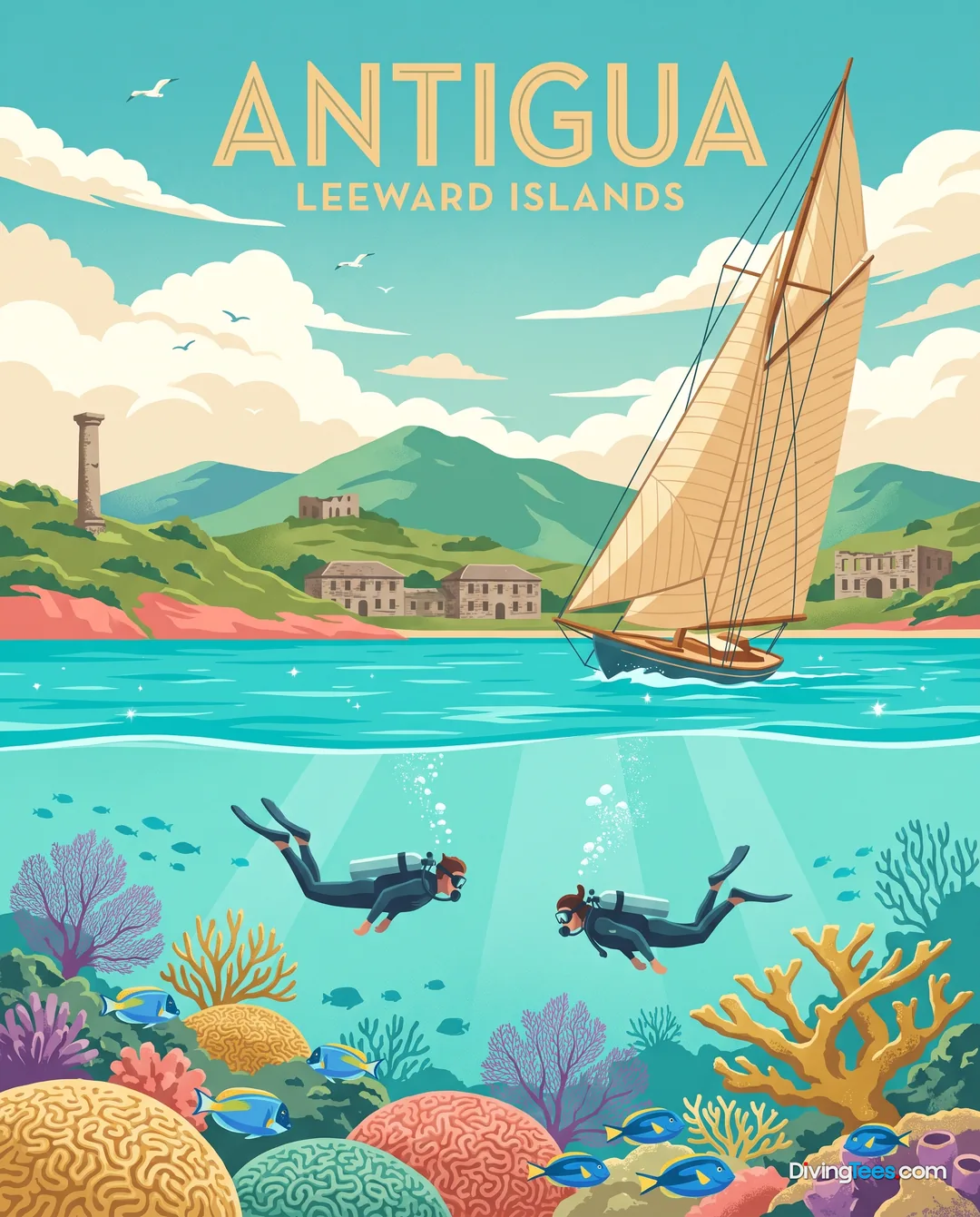
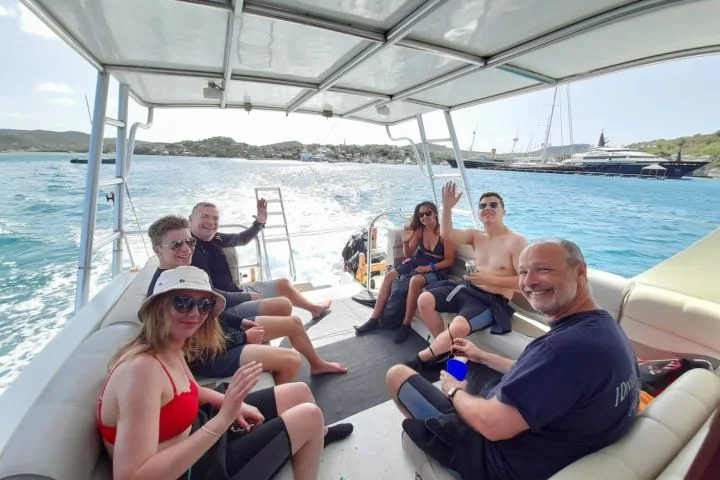
The Pillars of Hercules rise at the entrance to English Harbour, giving a boat dive from this historic Antiguan port an unmistakable sense of place. Around them, southern Antigua offers rocky drop-offs, coastal reefs and wrecks rather than a single, uniform underwater landscape. English Harbour works well as a land-based diving base, with daily boat trips from English Harbour or nearby Falmouth Harbour. Non-divers are not left marooned ashore either, with Nelson’s Dockyard, sailing, coastal scenery and Shirley Heights close at hand.
Most diving is by boat, combining rocky formations, drop-offs, shallow reefs and wrecks. The Pillars of Hercules are the obvious geological landmark, but the more sheltered coastal sites are useful when swell makes the exposed formations unsuitable. Currents are variable rather than consistently strong, and the tide can influence visibility and the feel of particular dives more than a first-time visitor might expect. Visibility is commonly around 18–30 metres, although algae blooms, runoff, swell and tidal movement can reduce it. Some dives reach about 30 metres, so the day’s plan may range from an easy shallow reef outing to a deeper or more exposed run. Expect the operator to make the final call on the boat’s destination, often on the basis of the morning’s weather and sea state.
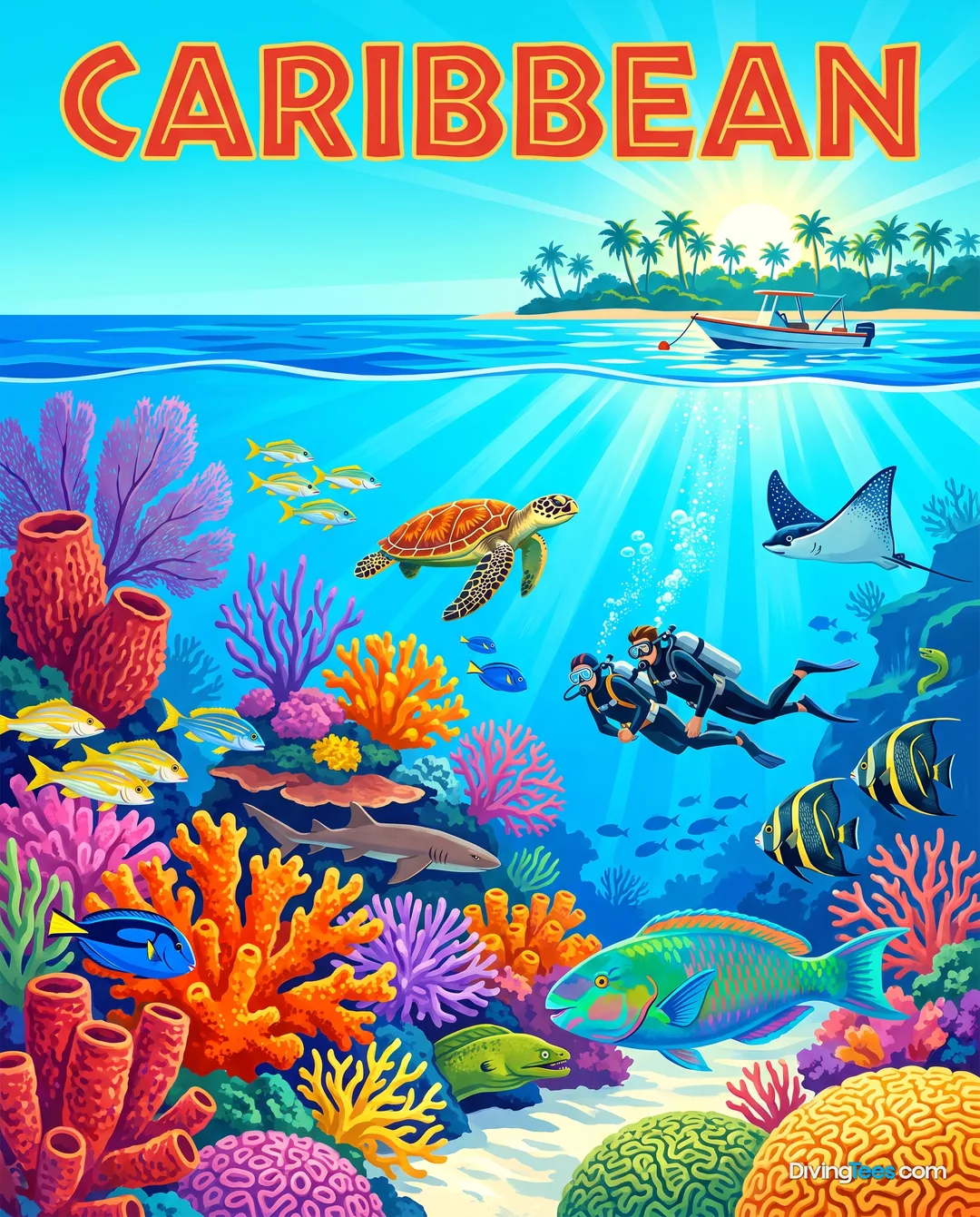
Turtles, rays, nurse sharks, barracuda, moray eels, lobsters and reef fish are all part of the underwater picture around English Harbour. They fit naturally into the area’s mix of rocky ground, reefs, drop-offs and wreck structure: look along the bottom and in cracks for morays and lobsters, and scan open water around the formations for rays, turtles and barracuda. Nurse sharks may add a memorable sighting, but wildlife here should be treated as a possibility rather than a timetable. There is no dependable seasonal calendar for these encounters. Clearer water from December to April makes searching and watching easier, while changing visibility at other times can make the same reef feel more secretive.
December to April is generally the soundest choice if clear water matters most, with visibility commonly at its best during the drier part of the year. From May to November, the surface is often calmer and exposed sites may be more accessible, but visibility becomes less predictable when algae, runoff, swell or the tide affect the water. August to October deserves extra flexibility because tropical weather systems are more likely. That is not a reason to rule out those months, only a reason to keep a spare day and accept that the boat may move to a sheltered site.
English Harbour suits beginners as well as certified divers. Introductory dives and guided outings are available, while deeper or more exposed sites call for greater comfort in open water and changing conditions. Advanced Open Water is useful for the deeper formations and exposed sites. A Wreck certification is worth bringing if wrecks are central to the plan. Experience with boat diving, controlled descents and a variable current will make the area easier to enjoy, but the sheltered reefs keep the destination approachable for less experienced divers.
From London Heathrow, London Gatwick or Manchester, reach Antigua’s international airport and continue by road to English Harbour. There is no ferry crossing to arrange, and no domestic flight or separate island air link is needed. Allow for the road transfer after landing, with the exact journey depending on traffic and where you are staying. The dive centres are based around English Harbour and Falmouth Harbour. Accommodation close to either harbour may allow you to walk to the departure point, while elsewhere a taxi is the practical solution. The boat trips themselves are arranged locally, so there is no need to organise a private vessel to reach the dive area.
Do not lock in a particular site for every day. Local conditions can make a planned site impossible, and operators may not be able to confirm an exposed destination more than 48 hours ahead. Ask whether the boat is heading for the exposed coast or a sheltered site, especially between May and November when surface conditions often favour the former, while winter swell can narrow the choice. Check how the tide affects the intended dive, since it can alter visibility more than expected. Book several diving days if the Pillars of Hercules matter to you, and keep a spare day for weather. Early departures usually give the calmest surface conditions and reduce the chance of already busy coastal sites. Do not assume every southern site is coral reef: much of the coast is rocky. If wrecks are on the plan, bring the relevant certification, and leave the final day before your flight free of diving.
Plan on seven to ten days if you want several boat outings, a weather reserve and time away from the water. Staying in English Harbour or Falmouth Harbour keeps the daily journey to the boats short, although a taxi may be needed depending on the accommodation. The non-diving days have real substance here: walk through Nelson’s Dockyard, climb towards Shirley Heights, sail the southern bays, snorkel sheltered water or take a coastal walk. English Harbour is better suited to a flexible land-based holiday than to a liveaboard itinerary.
Hello, I'm Marina, DivingDeal.com's AI assistant. I guide you through destinations, areas and countries.
Thinking about the whole trip and the flights? Talk it over with Edith →
Marina is an AI. Some links are affiliate links: DivingDeal may earn a commission, at no extra cost to you. Bookings are made with the partner.
Choose December to April if clearer water matters most, as visibility is commonly at its best during the drier part of the year. May to November can bring calmer surfaces and access to exposed sites, but visibility is less predictable. From August to October, keep your schedule flexible for tropical weather systems.
English Harbour suits beginners, with introductory dives, guided outings and sheltered reefs available. Greater comfort in open water and changing conditions helps on deeper or more exposed sites, while Advanced Open Water is useful for deeper formations. Bring Wreck certification if wrecks are central to your plans, and experience with boat diving is helpful.
You can explore the Pillars of Hercules, rocky formations, drop-offs, coastal reefs and wrecks around southern Antigua. Turtles, rays, nurse sharks, barracuda, moray eels, lobsters and reef fish are possible sightings. Look in cracks for morays and lobsters, and scan open water around formations for rays, turtles and barracuda.
Stay in English Harbour or Falmouth Harbour to keep boat departures nearby, with a taxi useful from other accommodation. Plan several diving days, retain a spare day for weather, and avoid fixing every site in advance. Allow time for Nelson’s Dockyard, Shirley Heights, sailing, snorkelling or coastal walks, and leave your final day before flying free of diving.