
Shark Juan Dolio Diver
Google 4.7/5 (54 reviews)
Dominican Republic · Caribbean
Guayacanes pairs a shallow bay reef, hard and soft corals, and recreational-depth wrecks around Juan Dolio with beaches for non-divers.
For subtitles in English: start the video firstthen click the gearat the top right of the video, select “Subtitles/CC”, then “Auto-translate” and choose “English”.
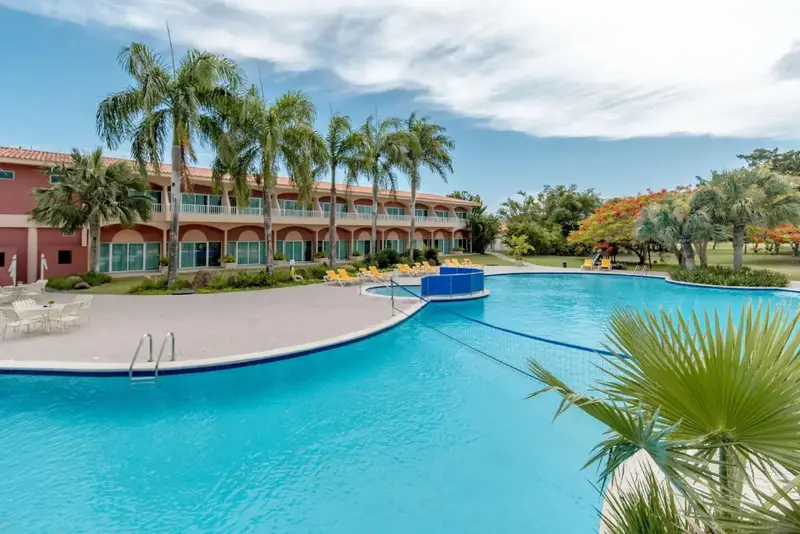
The bay reef at nearby Juan Dolio is the natural starting point, with an easy underwater route before moving on to wrecks such as Alto Velo, Tanya V and Hickory. Guayacanes itself works best as a coastal base rather than a stand-alone dive hub. Days can combine a boat dive with a quiet beach, shallow-water snorkelling or a mangrove walk, which makes the area practical for couples or groups travelling with non-divers.
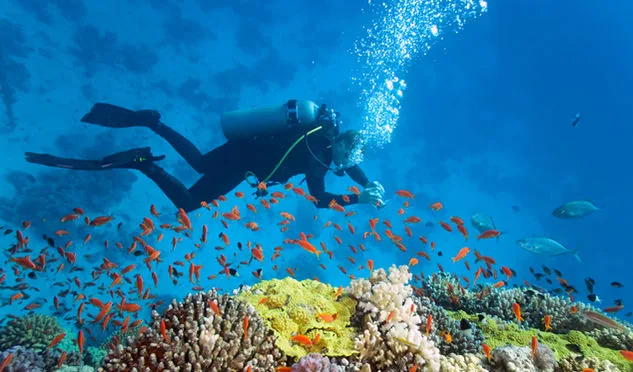
The diving alternates between a sheltered coastal reef and wrecks lying at recreational depths. The bay reef is the straightforward introduction, with hard and soft corals, channels, ravines and coral relief giving photographers something to work around rather than simply swim over. Alto Velo, Tanya V and Hickory bring a different sort of dive, where structure, orientation and comfort around a wreck matter more than on a shallow reef. Currents are variable, so a planned route may become a more active swim or a drift dive, depending on the day. Visibility is not a figure to build the whole trip around. Ask what is realistically running before gearing up, particularly when conditions might change the choice between reef and wreck.
Hard and soft corals form the visual framework of the local reefs, with coral channels, ravines and broken relief providing shelter for Caribbean reef life. The attraction is the combination of living reef surface and historic structure, not a narrowly targeted list of seasonal animals. On a reef dive, slow finning along the contours gives more to see than crossing open sand between features. Around the wrecks, look closely at the way coral growth occupies the metal and the surrounding relief. Guayacanes is therefore well suited to divers who enjoy habitat, texture and composition, especially photographers who can work patiently through channels and ravines.
There is no single seasonal window that needs to dictate a Guayacanes trip. The sensible approach is to keep the wider holiday flexible and let the local team match the reef or wreck to the conditions on the day. That matters here because currents are variable and the choice of wreck may change with the sea state. Beach and snorkelling days remain useful alternatives when a planned dive is not the right fit. Rather than travelling for a promised seasonal animal encounter, come for the combination of Juan Dolio’s reef and wreck diving, with Guayacanes providing calm coastal time between immersions.
This coast is exposed to sargassum strandings, whose intensity varies greatly from year to year. To find out more, see the “Sargassum alert” panel on this page.
The shallow bay reef suits beginners and divers returning to the water, provided they are comfortable with normal boat procedures and a safety stop. PADI and SSI entry-level divers, as well as BSAC divers with appropriate experience, can use it as a first outing. The wrecks are a separate proposition. A wreck certification is useful, but the important point is practical experience with structure, orientation and buoyancy. Do not treat an easy reef dive as preparation for every overhead or confined feature a wreck may present.
From London Heathrow, London Gatwick or Manchester, Guayacanes is reached by continuing overland from the Dominican Republic’s arrival points rather than by an internal flight or a boat transfer. The coast is accessible by road from Santo Domingo and from the east of the island, so allow time for the road connection when arranging flights and accommodation. Once in the Juan Dolio to Guayacanes area, do not assume that the dive operation will be outside your door. Depending on where you stay, a taxi or the centre’s shuttle may be needed to reach the departure point. Staying closer to Juan Dolio simplifies the daily transfer.
Treat Juan Dolio as the practical diving base, even if the booking is labelled Guayacanes. Before paying for accommodation, check the route to the departure point, because a walkable beach location does not guarantee a walkable dive transfer. Start with the bay reef, then ask specifically which wreck is planned and whether the day’s conditions suit your experience. Alto Velo, Tanya V and Hickory are not interchangeable with a shallow introductory reef. If photography is the aim, ask for the site with the most useful channels, ravines and coral relief. Keep Guayacanes for calm-water snorkelling and beach time, and avoid booking as though La Caleta, Boca Chica or the Parque Nacional del Este were the same diving area. Leave a non-diving day before flying, using it for the beach or other land-based activities.
A comfortable stay combines diving from the Juan Dolio side with non-diving time in Guayacanes. Plan the reef as an opening dive, place wrecks on days when the group and conditions suit them, and keep a beach or snorkelling day available rather than forcing every day underwater. Accommodation in Guayacanes may require a taxi or shuttle for diving, while Juan Dolio is the more convenient base if daily access to the boats is the priority.
Hello, I'm Marina, DivingDeal.com's AI assistant. I guide you through destinations, areas and countries.
Thinking about the whole trip and the flights? Talk it over with Edith →
Marina is an AI. Some links are affiliate links: DivingDeal may earn a commission, at no extra cost to you. Bookings are made with the partner.
You do not need to plan around a single seasonal window. Keep your wider holiday flexible and let the local team choose between reef and wreck according to conditions. Currents can vary, so beach walks, calm-water snorkelling and other land-based activities are useful alternatives when diving is not the right fit.
You can begin with the shallow bay reef near Juan Dolio if you are a beginner or returning to diving, provided you are comfortable with normal boat procedures and a safety stop. The wrecks require more practical experience with structure, orientation and buoyancy; wreck certification is useful, especially where confined features may be present.
You can explore hard and soft corals, channels, ravines and broken coral relief on coastal reefs, with Caribbean reef life using the habitat for shelter. Wrecks such as Alto Velo, Tanya V and Hickory add historic structure and coral growth on metal. Photographers can work patiently with texture, contours and composition.
Treat Juan Dolio as your practical diving base, even when your booking is labelled Guayacanes. Check how you will reach the departure point, since a taxi or shuttle may be needed. Start with the bay reef, reserve wrecks for suitable conditions, and keep beach, snorkelling and non-diving days available between immersions.