
Deefer Diving
Google 4.7/5 (75 reviews)
Grenada · Caribbean
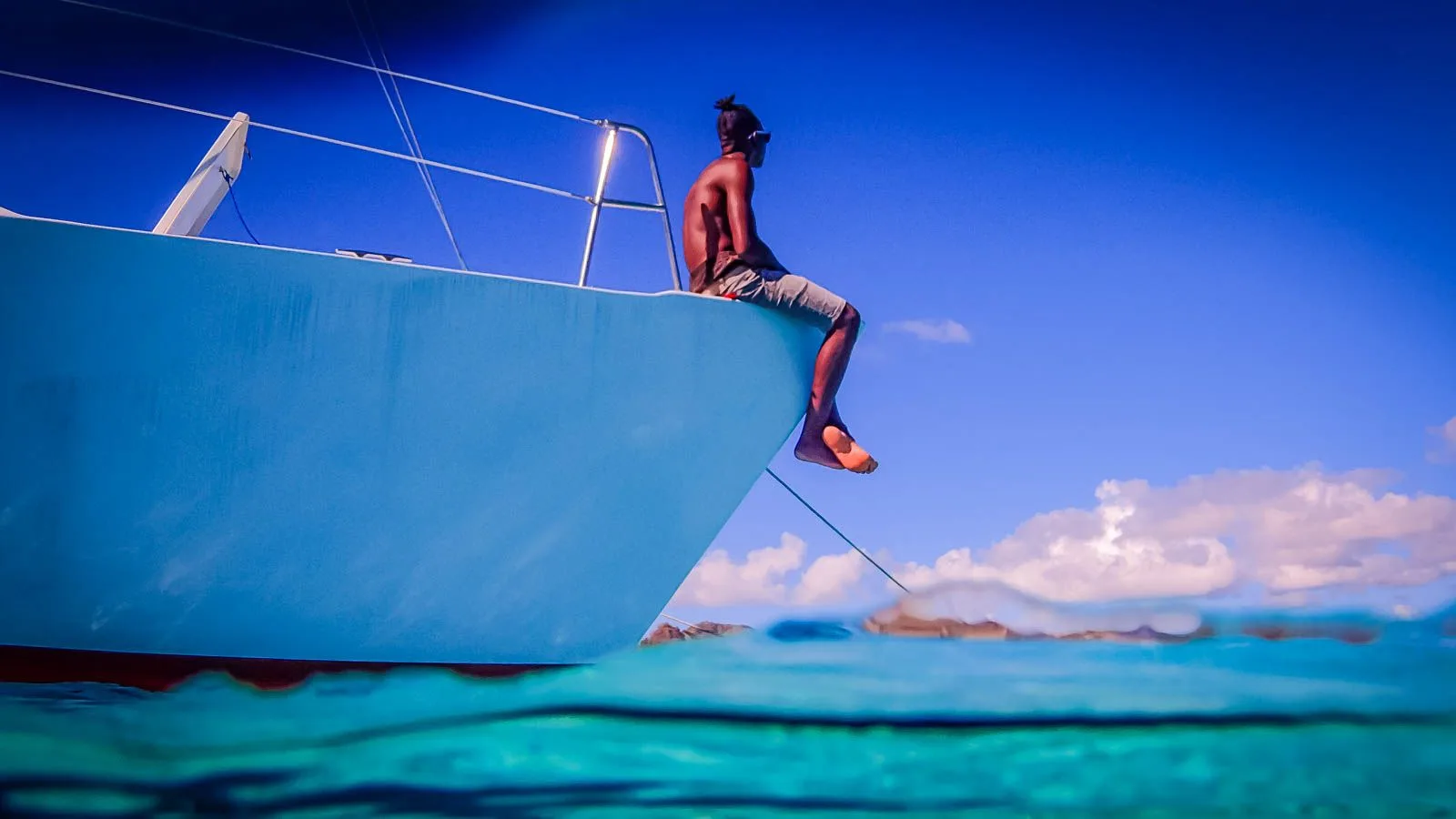
Caribbean reefs, outer-island drop-offs and boat days from Tyrrel Bay define Carriacou, with Sandy Island adding an easy snorkelling escape between dives.
For subtitles in English: start the video firstthen click the gearat the top right of the video, select “Subtitles/CC”, then “Auto-translate” and choose “English”.
Carriacou is an island base for Caribbean reef diving, not a destination built around one famous wreck or a single headline attraction. From Tyrrel Bay, boats run to reefs, slopes and drop-offs around Carriacou and nearby islets. The island itself remains lightly developed, so a day can begin with a boat dive and end on a quiet beach rather than in a busy resort strip. It suits divers who want a proper stay on land, flexible days on the water and the option of bringing a non-diving partner.
Diving is mainly by boat from Tyrrel Bay, with reefs, sloping ground and drop-offs forming the basic underwater landscape. Most outings stay within recreational depths, while outer reefs and exposed islets offer a more open-water feel when the sea is settled. Currents are variable rather than a defining constant, but wind and swell decide whether the more distant sites are practical. Visibility is often around 20 to 30 metres, particularly from December to April, although rain and stirred-up water can reduce it. The sensible approach is to treat the day as a boat programme, not a fixed site checklist: local crews can use sheltered reefs when the outer water is uncomfortable, then move farther out when conditions allow. There is no need for a liveaboard, as the diving works naturally as a series of day trips from the island.
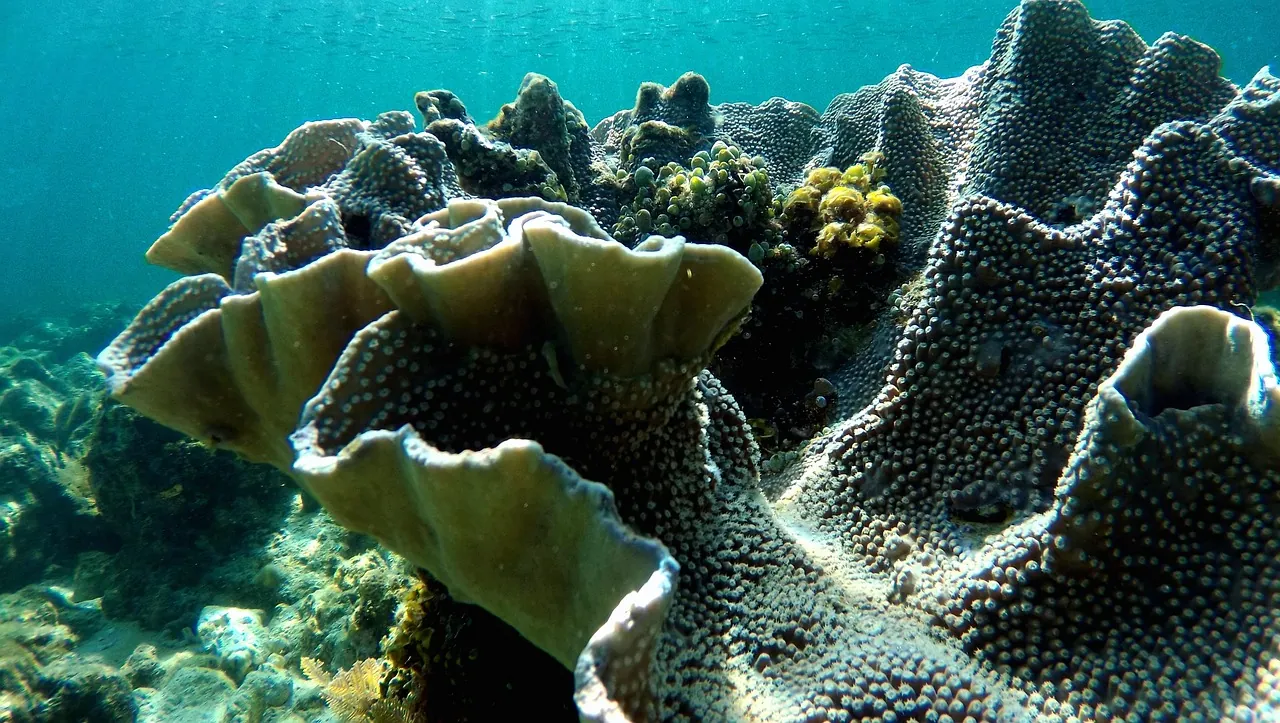
Carriacou puts the reef itself in the foreground: hard coral structure, sloping ground and the edges of drop-offs provide the places to search for Caribbean reef life. Fish and invertebrate encounters belong among those formations, but the destination is not presented around a particular seasonal animal or a guaranteed wildlife event. What changes most noticeably through the year is the way the reef is seen. Clearer water from December to April makes the relief easier to read, while heavy rain, wind and swell can carry particles across the sites. A patient diver should therefore allow time to revisit the same kind of terrain in different conditions, rather than judging the island from one hurried outing.
January to May is generally the most dependable period, as the drier season usually brings calmer seas and a steadier run of boat departures. Visibility is commonly at its strongest from December to April, when 20 to 30 metres is possible on suitable sites. Diving remains possible throughout the year, but the rainy season can reduce visibility after heavy showers, while wind and swell may close the outer reefs or make the ride unpleasant. The reason to favour the earlier part of the year is therefore practical rather than dramatic: more consistent sea conditions give you a better chance of reaching the exposed reefs and keeping a mixed diving programme.
This coast is exposed to sargassum strandings, whose intensity varies greatly from year to year. To find out more, see the “Sargassum alert” panel on this page.
Carriacou suits beginners, experienced recreational divers and anyone refreshing skills with BSAC, PADI or SSI training, provided the site is matched to the day's conditions. Sheltered recreational reefs can accommodate less experienced divers, while outer reefs demand more comfort with boat diving, exposure and variable current. No specialist qualification is required for the general pattern of diving, but honest communication about experience matters when the sea decides which sites are available. Those wanting a relaxed training or refresher base can use the island's shallower options without giving up the chance of more open terrain.
From London, using LHR or LGW, or from Manchester, first reach Grenada and its international airport. The onward leg is the structural part of the journey: SVG Air operates an internal flight of about 20 minutes to Lauriston Airport on Carriacou, or the Osprey ferry usually takes around one and a half to two hours, depending on the sea. Neither option necessarily runs every day, so check the current timetable before fixing the rest of the trip. Do not build a tight connection through Grenada, as a delayed flight or changed sailing can mean an overnight stop. On Carriacou, reach the Tyrrel Bay departure area by taxi or local transfer; some nearby accommodation is walkable, but distances vary across the island.
Build in several potential diving days rather than filling every morning with an outer-reef booking. Ask which departures reach the outer reefs and nearby islets, then keep sheltered sites as the fallback when wind or swell arrives. Check the flight and ferry schedules before choosing accommodation, because frequency is not identical and Tyrrel Bay is the practical base for departures. Book the inter-island leg separately from the long-haul flight and leave real margin around the connection through Grenada. If travelling by ferry, allow a quiet arrival day when the crossing has been rough. Do not schedule a ferry immediately after diving, even if the timetable appears convenient, and leave enough surface time for normal safety-stop and no-fly planning. Finally, do not assume Carriacou gives access to Grenada's signature attractions: the underwater sculpture park and Bianca C belong to the main island, not this one.
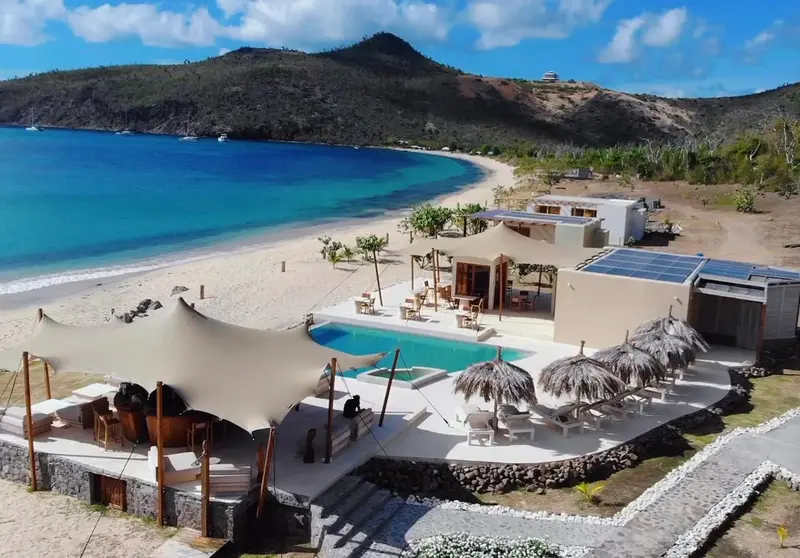
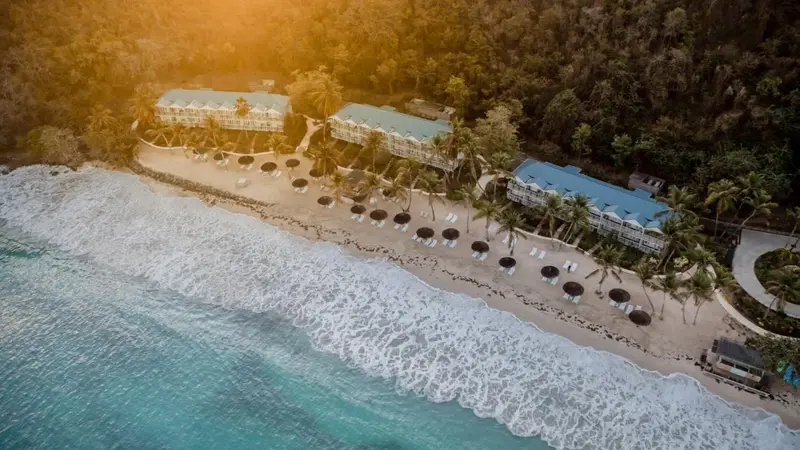
A seven to ten-day stay gives Carriacou room to absorb the inter-island journey, several boat-diving days and a weather reserve. Tyrrel Bay is the practical base for organising departures, although the right accommodation may leave you relying on a taxi or local transfer. Between dives, the island offers beaches, snorkelling around Sandy Island, kayaking, sailing, walking and visits to Hillsborough. A non-diver can therefore share the trip without following the boat schedule, while divers retain enough flexibility to move between outer and sheltered water.
Hello, I'm Marina, DivingDeal.com's AI assistant. I guide you through destinations, areas and countries.
Thinking about the whole trip and the flights? Talk it over with Edith →
Marina is an AI. Some links are affiliate links: DivingDeal may earn a commission, at no extra cost to you. Bookings are made with the partner.
January to May is generally the most dependable period for diving in Carriacou, with calmer seas and steadier boat departures. Visibility is commonly around 20 to 30 metres from December to April. Diving is possible year-round, but rain, wind and swell can reduce visibility, close outer reefs or make boat rides uncomfortable.
Carriacou suits beginners, experienced recreational divers and people refreshing BSAC, PADI or SSI skills. Sheltered recreational reefs can suit less experienced divers, while outer reefs require more comfort with boat diving, exposure and variable current. No specialist qualification is needed for general diving, but you should discuss your experience with local crews.
Diving in Carriacou focuses on Caribbean reef scenery, including hard coral structure, sloping ground and drop-off edges around reefs and nearby islets. Fish and invertebrates live among these formations, while clearer water can make the relief easier to read. Sandy Island also offers a nearby snorkelling escape between dives.
Use Tyrrel Bay as your practical base for boat departures and build in several possible diving days rather than booking every morning on an outer reef. Keep sheltered sites as alternatives when wind or swell changes plans. Check flight and ferry timetables before booking accommodation, and allow time for travel and weather flexibility.