
Kalpitiya Diving Center
Google 5/5 (744 reviews)
Sri Lanka · Indian Ocean
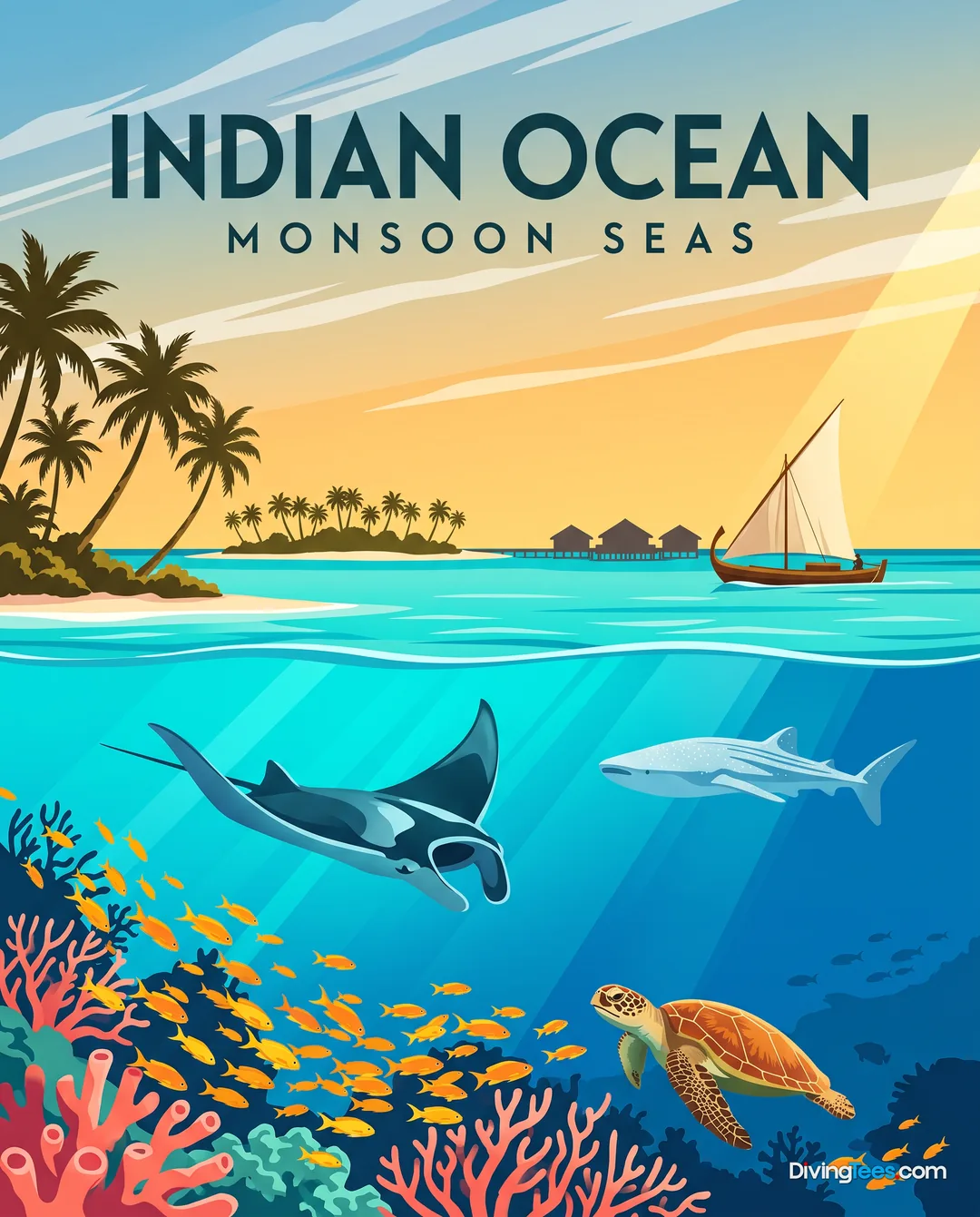
Bar Reef, rocky reefs, wrecks, drifting reef walls, nudibranchs and turtles make Kalpitiya a boat-diving base for Sri Lanka's north-west coast.
For subtitles in English: start the video firstthen click the gearat the top right of the video, select “Subtitles/CC”, then “Auto-translate” and choose “English”.
Bar Reef is the underwater centrepiece, but Kalpitiya is not a single-site beach-diving stop. Boats leave the peninsula for coral and rocky reefs, walls, wrecks and drift dives, with depths from about five to forty metres. The attraction is the contrast between small reef life and occasional larger encounters, rather than a guaranteed big-animal show. Above water, the peninsula adds lagoon trips, dunes, fishing villages, kitesurfing and dolphin excursions, making a week-long shore-based stay practical for divers and non-divers alike.
Kalpitiya's diving unfolds from a boat, with the coast giving way to offshore reef, rock formations, walls and wrecks. Shallow reef outings sit alongside deeper dives approaching forty metres, while some locations are suited to drift diving when the current runs. Currents are variable, so the same area can feel relaxed on one day and demand better control on another. Bar Reef is particularly appealing when the plan is to slow down and search rather than cover ground, with nudibranchs, octopuses and other small organisms rewarding a careful eye. Visibility is generally better during the calmer season from November to April, but wind, swell and surface conditions still influence the day. Boat runs take roughly fifteen to forty minutes depending on the sector, and the diving is best approached as a series of weather-dependent outings rather than a fixed shore routine.
The marine life ranges from patient reef watching to occasional encounters with larger animals. Moray eels, rays, turtles, barracudas and Napoleon wrasse are among the more conspicuous sightings, with reef sharks reported occasionally rather than guaranteed. Bar Reef and nearby reefs are the more rewarding territory for macro work, where nudibranchs, octopuses and other small organisms can occupy a whole dive. A torch becomes useful after dark, both for night diving and for examining crevices and coral detail in low light. Southern sectors are associated with the better prospects for rays, Napoleon wrasse and turtles, while northern areas are more often chosen for shallower reef diving. Conditions and the day's site selection remain more important than any fixed wildlife timetable.
The dependable diving window runs from November to early April, when the north-west coast is generally calmer and visibility is at its better. From about mid-April into October, the monsoon brings more wind and rougher seas, making boat departures less predictable and reducing the appeal of committing every day to diving. This is also why a generous stay works better than a quick visit: a weather-affected day can be moved rather than lost. Treat the rainy season as a reason to avoid the main diving programme, not simply as a cheaper version of the same trip.
Some shallow reefs and northern sectors suit beginners, provided the day's conditions and current are benign. Divers with more experience can add deeper walls, drift dives and wrecks, with Advanced Open Water useful for the deeper sites. A wreck speciality is sensible if wreck diving is a central aim. This is not a destination where an entry-level qualification automatically makes every boat outing appropriate, but it offers enough depth and terrain for a mixed group to build a sensible programme.
From London Heathrow, Gatwick or Manchester, plan the journey around reaching Colombo, then continue by road towards Kalpitiya. The usual route passes through Negombo, Chilaw and Puttalam, with roughly three hours on the road from Colombo depending on conditions. There is no compulsory ferry or domestic flight in the journey described here. Once on the peninsula, the practical detail is matching your accommodation to the boat departure point. Centres are spread around Kalpitiya and the Kappalady area, so a short tuk-tuk or taxi ride may be needed. Allow connection time between the international journey, the road transfer and the morning boat, rather than assuming that every part of the trip will run to a tight timetable.
Treat Kalpitiya as a boat destination from the outset. Do not book a single diving day and expect to see the place properly, because wind or a rough sea can move a departure; several planned days give you room to shift the programme. Staying close to the boat departure point saves an early transfer, and asking about northern shallow reefs or southern sectors helps match the day to your aims. Take a proper macro light if Bar Reef's small life is the priority, especially for a night dive, and bring your own camera lighting if that is central to the trip. Keep a day free for the lagoon, dunes or dolphin watching rather than filling every morning with diving. From mid-April onwards, the monsoon makes the sea less dependable. At Bar Reef, follow buoyed restoration or no-entry areas, and never touch the recovering coral.
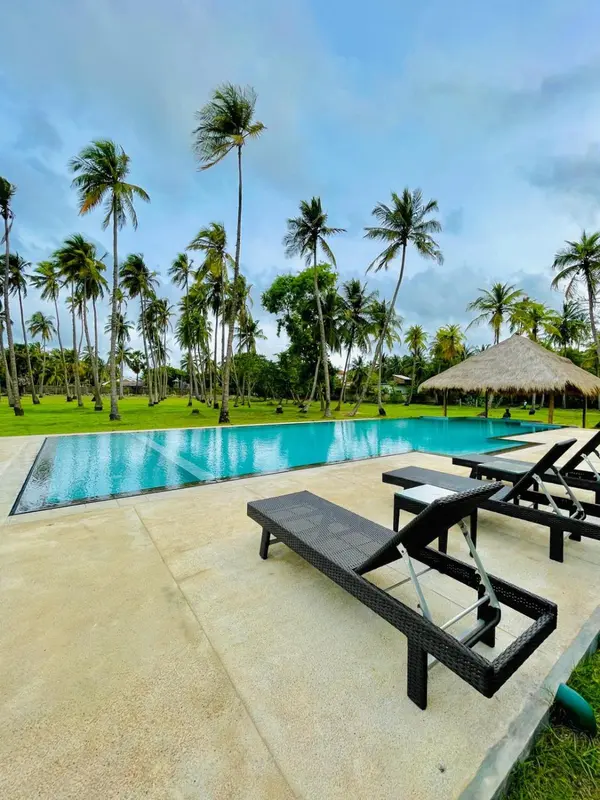
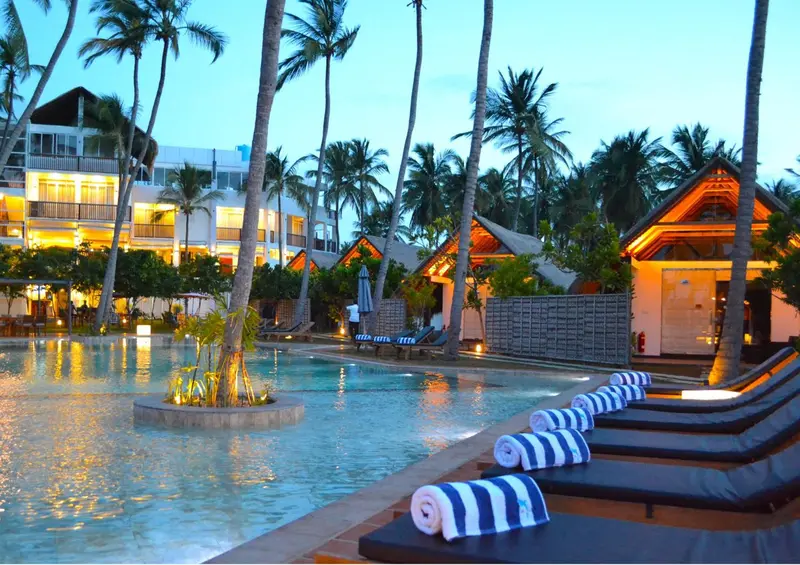
A seven- to ten-day stay suits the way Kalpitiya works: daily boat outings, spare days for wind, and time for the lagoon and peninsula. Accommodation is shore-based, with the best practical arrangement being somewhere near the chosen departure point. Expect a short tuk-tuk or taxi transfer if it is not. Non-divers have kitesurfing, dolphin trips, lagoon excursions, dunes and fishing villages to fill the days when the sea prevents diving.
Hello, I'm Marina, DivingDeal.com's AI assistant. I guide you through destinations, areas and countries.
Thinking about the whole trip and the flights? Talk it over with Edith →
Marina is an AI. Some links are affiliate links: DivingDeal may earn a commission, at no extra cost to you. Bookings are made with the partner.
Plan your main diving programme from November to early April, when the north-west coast is generally calmer and visibility is often better. From mid-April into October, monsoon winds and rougher seas can make boat departures unpredictable. A longer stay helps you move dives when weather affects the schedule.
Kalpitiya has shallow northern reefs that can suit beginners when conditions and currents are benign. More experienced divers can add deeper walls, drift dives and wrecks, while Advanced Open Water is useful for deeper sites. If wreck diving is central to your plans, a wreck speciality is sensible.
You can explore Bar Reef, rocky reefs, walls, wrecks and drifting offshore formations, with nudibranchs, octopuses and other macro life rewarding careful observation. Moray eels, rays, turtles, barracudas and Napoleon wrasse may appear, while reef sharks are occasional. Southern sectors suit larger-animal prospects, and night dives reveal detail in crevices.
Treat Kalpitiya as a boat-diving destination and allow several planned diving days, with spare time for wind or rough seas. Travel through Colombo and continue by road towards the peninsula, then stay near your departure point or allow for a tuk-tuk or taxi. Keep time for lagoon trips, dunes or dolphin watching.